
In the late 20th century, the AIDS crisis emerged as a major public health concern, affecting millions of lives and changing societal perspectives on health, sexuality, and discrimination. This crisis transcended medical boundaries, reaching deep into cultural and societal fabrics, including the world of sports. Baseball, often regarded as America’s pastime, was not isolated from this issue. In fact, the sport’s influence and visibility made its response critical in shaping public opinion and awareness.
The early years of the AIDS epidemic were marked by fear and misinformation, leading to stigma and discrimination against those living with the disease. AIDS was initially perceived as a death sentence, disproportionately affecting marginalized communities. During this time, sports figures, particularly in baseball, wielded significant influence as role models and public figures. Consequently, their response to the epidemic held immense potential to impact public perceptions.
While the stigma associated with AIDS was universal, sports like baseball had the unique platform of bridging divides and fostering community discourse. The involvement of athletes and organizations in the fight against AIDS could either perpetuate misconceptions or serve as a powerful catalyst for change. As the epidemic progressed, baseball saw some of its own affected by the crisis, both indirectly and directly. It became imperative not only to address the health aspect but also the pervasive social stigma.
This article explores baseball’s role and response to the AIDS crisis, examining key moments, individuals, and initiatives that helped shift the narrative and provide support.
Baseball Encounters the Crisis
In the 1980s, as AIDS cases began to rise, the world of sports initially maintained a distance, as the disease was largely misunderstood and shrouded in stigma. However, this would change as prominent figures in various sports began to speak out or succumb to the illness themselves. In baseball, the real turning point came with awareness and education spreading alongside the grim realities of the epidemic.
One of the most significant moments was the recognition that the sports community was not immune. This realization hit home with cases involving athletes from other sports, most notably the Los Angeles Lakers’ Magic Johnson in 1991. Johnson’s public announcement of his HIV status forced all sports, including baseball, to reckon with the disease’s impact on their communities.
A significant barrier at the time was the misconception surrounding transmission routes. The lack of understanding fomented fear in locker rooms and stadiums, where players worried about potential exposure during games and practice. Furthermore, the media’s intense focus on the crisis often amplified these fears by perpetuating myths rather than facts.
As baseball players began to learn about the real nature of HIV transmission, more teams and organizations began integrating educational programs aimed at dispelling myths and promoting safe practices. This shift was crucial for reducing fear and encouraging a more empathetic and rational approach to players and fans affected by the disease.
The Role of Baseball Organizations
Major League Baseball (MLB), though initially reticent, eventually recognized the significance of the AIDS epidemic and its own responsibility in addressing it. By the early 1990s, as public understanding of AIDS began to improve, the league started to take more noticeable actions towards awareness and prevention.
MLB teamed up with various health organizations to provide educational resources and initiatives aimed at both players and fans. These actions were intended to raise awareness about AIDS and dispel the misinformation that was rampant in communities across the country.
Not only did these partnerships with health organizations provide essential factual information regarding transmission and prevention, but they also promoted compassion and understanding for those living with the disease. This societal responsibility was crucial in changing the conversation around AIDS and influencing how the baseball community responded.
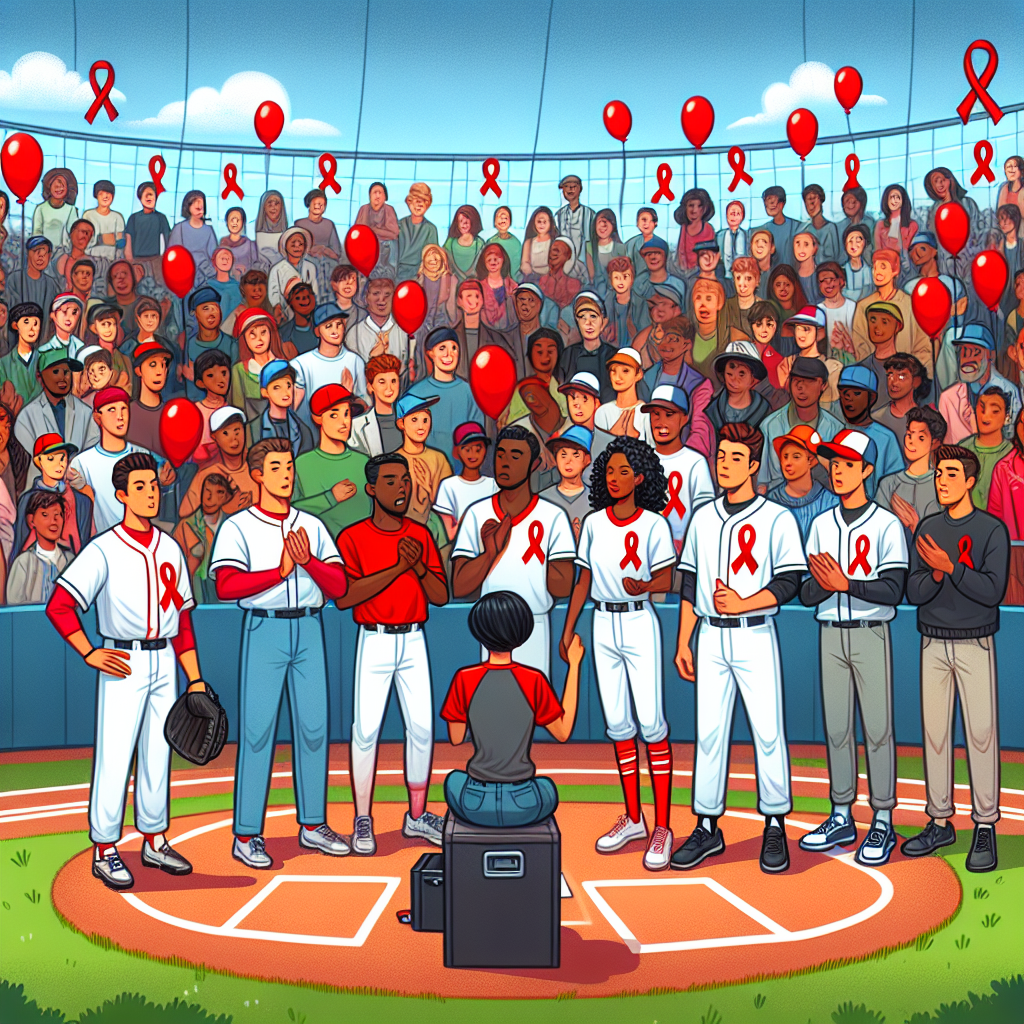
Moreover, teams began to back public service campaigns that featured baseball players discussing the importance of education and non-discrimination. These campaigns were essential in reshaping public perceptions and utilizing the influence of athletes to advocate for acceptance and understanding.
Individual Advocacy and Impact
While organizational efforts played a significant role, the voices of individual players and coaches were even more impactful in shifting cultural attitudes. Many athletes used their platform to advocate for AIDS awareness, often drawing upon personal connections to the disease to give a face and voice to the fight.
One poignant example is the work done by Glenn Burke, an openly gay MLB player who later succumbed to AIDS. Although his career was marred by discrimination, Burke’s life and struggle brought attention to the intersection of sexuality, sports, and disease. Even posthumously, his story continued to inspire dialogue around acceptance and compassion.
Furthermore, numerous baseball players participated in charity events and fundraisers to support AIDS research and patients. These personal gestures went a long way in demystifying the disease and promoting a message of solidarity and support within and beyond the baseball community.
Such individual acts of advocacy further demonstrated the power of personal narrative in shaping societal understanding and laying the groundwork for broader acceptance and change.
Educational Initiatives and Community Outreach
The educational initiatives embarked on by the baseball community extended beyond the confines of the stadium. Outreach programs were essential in spreading knowledge about HIV and AIDS to a wider audience, helping to bridge gaps between communities and sports fans.
Workshops and seminars, often held in partnership with health organizations, provided a platform for dialogue and learning. These educational opportunities were essential not only for debunking myths about the disease but also for fostering empathy and understanding among baseball fans and players alike.
Organizations like the Baseball Assistance Team (BAT), originally formed to support former Major League, Minor League, and Negro League players in need, expanded their mandate to include health education regarding AIDS. These steps were crucial in demonstrating solidarity with those affected by the crisis and underscoring the baseball community’s commitment to societal well-being.
Through continuous and targeted outreach efforts, baseball helped to normalize discussions about AIDS, its impact, and the importance of support and understanding for those affected.
Evaluating Progress and Acceptance
As the initial shock of the AIDS crisis waned, another related evolution was taking place within baseball and wider society—the burgeoning acceptance of LGBTQ+ individuals in sports. Baseball was coming to terms with its own history of discrimination and slowly weeding out homophobia that often compounded stigma for those with AIDS.
The infusion of compassionate understanding and health education throughout the league facilitated more tolerant and accepting environments, paving the way for athletes of diverse backgrounds to feel included.
This progress has led to a more expansive dialogue around equality and acceptance, with baseball organizations today acknowledging their continuing responsibility to represent all fans and players inclusively.
The initial response to AIDS within baseball set the stage for these broader cultural shifts. While challenges remain, understanding the sport’s role in societal change offers a lens into how cultural icons, like baseball, can influence widespread perspective shifts and amplify important social movements.
Conclusion: Reflecting on Baseball’s Impact
The AIDS crisis proved to be a pivotal moment for many societal institutions, including baseball, compelling them to introspect and adapt. Baseball’s response to the crisis exemplified the sport’s potential as a powerful conduit for societal change, leveraging its reach to promote education, fight stigma, and advocate for those affected by HIV and AIDS.
The initiatives and advocacy efforts launched within the baseball community not only addressed immediate concerns around AIDS but also contributed to a shift in broader societal attitudes. By championing educational campaigns and platforming individual stories, baseball helped to humanize the disease and foster a spirit of empathy that transcended the sport itself.
Ultimately, baseball’s engagement with the AIDS crisis reminds us of the sport’s capacity to reflect deeper societal values and challenges. As an integral part of American culture, baseball holds the responsibility of using its influence to advocate for justice and acceptance, ensuring that its legacy is not only about home runs and championships but also about its role as a force for social good.
Frequently Asked Questions
1. What impact did the AIDS crisis have on the world of baseball in the late 20th century?
The AIDS crisis had a significant impact on baseball during the late 20th century, both in terms of awareness and attitudes. During this period, AIDS was surrounded by considerable stigma and misinformation. The world of baseball, with its substantial media attention and cultural influence, served as a platform to address some of these issues. Athletes were among the most visible public figures, and their responses to the crisis had the potential to significantly shape public opinion. Baseball players, teams, and organizations encountered pressure to not only educate themselves on the disease but also to use their platforms for public education, battling stereotypes and misinformation associated with AIDS. The crisis brought about a shift in how players and fans perceived issues of health, sexuality, and the importance of compassion and understanding. Moreover, the involvement of certain players and teams in advocacy and fundraising efforts further highlighted this change.
2. How did the baseball community respond to the AIDS crisis in terms of education and awareness?
The baseball community began to take steps towards education and awareness in response to the AIDS crisis. Knowing how impactful their voice could be, teams and players participated in campaigns and initiatives aimed at spreading accurate information about AIDS and HIV. Educational workshops and training sessions were conducted for teams to ensure that players understood the facts about transmission and prevention. Major League Baseball (MLB) teams collaborated with public health organizations to demystify misconceptions about the virus. Many baseball organizations also launched public service announcements (PSAs) featuring well-known players. These PSAs often emphasized empathy, compassion, and the importance of understanding the reality of living with AIDS. Additionally, through fundraising events and charity games, the baseball community raised significant funds to support AIDS research and patient care, making a tangible impact in the fight against the disease.
3. Were there any prominent baseball figures affected by the AIDS crisis, and how did their stories influence public perception?
Yes, there were prominent baseball figures whose experiences with AIDS brought further attention to the crisis. One of the most notable figures was Glenn Burke, an outfielder who played for the Los Angeles Dodgers and Oakland Athletics. Although Burke’s sexual orientation was known to some in the baseball community, attitudes at the time were not supportive. Burke’s life and career were notably affected by the homophobia of the era, and he later died from AIDS-related complications. This brought national attention to the overlap between athletic environments, sexuality, and the AIDS crisis. Other figures, directly and indirectly linked to baseball, helped to humanize the crisis for both fans and players. Their stories exposed the prejudice and discrimination faced by individuals with AIDS and highlighted the necessity for more compassionate treatment and broader understanding. These accounts also helped to challenge stereotypes, demonstrating that AIDS was not confined to any one group and that understanding and empathy were crucial in addressing the epidemic.
4. What role did baseball play in shaping societal views on AIDS and the individuals affected by the disease?
Baseball played a critical role in shaping societal views on AIDS due to its extensive reach and influence as America’s pastime. As a favorite national sport, baseball’s response could sway public perception and lead to a greater understanding and open discussion about the crisis. By engaging in education, advocacy, and fundraising, the baseball community contributed to the destigmatization of AIDS. Players who took public stances and supported AIDS awareness campaigns became role models, illustrating that the disease could and should elicit empathy and support rather than fear and discrimination. As players and teams shared personal stories and highlighted the human side of the crisis, they bridged the gap between the misconceptions held by the public and the realities faced by those living with AIDS. This influence encouraged conversations that broke down barriers of fear and prejudice, helping to shift public sentiments significantly.
5. What are some long-term impacts of baseball’s response to the AIDS crisis that are still evident today?
The long-term impacts of baseball’s response to the AIDS crisis continue to resonate today in both the sports world and broader society. One significant legacy is the continued advocacy and use of sports as a platform for health education and social change. Lessons learned from that era prepared sports organizations to effectively manage and communicate about their responsibilities during subsequent public health challenges. Additionally, baseball’s involvement in combating AIDS helped reinforce the importance of athlete activism and the role athletes have in advocating for public interest causes. This has inspired subsequent generations of players to engage in advocacy around various social and health issues. The destigmatization efforts that started during the AIDS crisis also paved the way for more inclusive and supportive policies within the sports community, gradually leading to a more accepting environment for players of diverse backgrounds and orientations. The path paved by baseball’s response to the AIDS crisis laid the groundwork for ongoing efforts to create a compassionate and informed world.