
The early 20th century marked a pivotal era in the history of baseball, transforming the sport from a casual pastime into a national institution that commanded the devotion of millions. This transformation wasn’t just confined to the field but extended into the hearts and minds of the American public, forever changing the dynamics of baseball fandom. The period from the turn of the century through the 1920s witnessed innovations in media, the emergence of legendary players, and significant societal shifts—all contributing to the dawn of modern baseball culture. In essence, the early 20th century served as the foundation upon which today’s baseball fandom culture has been built. In this article, we will explore how these fascinating changes occurred and the key elements that catalyzed the evolution of baseball fandom.
Mass Media and the Baseball Boom
One of the major factors driving the growth of baseball fandom in the early 20th century was the proliferation of mass media. Newspapers played a critical role in bringing the rich tapestry of baseball directly into American homes. Sporting columns and dedicated sports sections became wildly popular, documenting not only the scores and outcomes but also the stories behind the players and the drama of the games. Renowned sportswriters like Ring Lardner and Grantland Rice brought a poetic flair to their baseball reporting, helping to elevate the game from mere sport to a cultural phenomenon.
Radio also emerged as a powerful medium, fundamentally altering how fans experienced baseball. The first ever baseball game broadcast on radio happened on August 5, 1921, featuring the Pittsburgh Pirates and the Philadelphia Phillies. These broadcasts allowed fans to follow their favorite teams and players in real-time, even if they couldn’t attend the games in person. With the exciting, play-by-play narration style of broadcasters, the intimacy and immediacy of the game were preserved, bridging geographic divides and creating a nationwide community of baseball enthusiasts. By making games accessible to a wider audience, radio ensured that baseball fandom transcended socioeconomic barriers, further deepening its roots in American culture.
The Rise of Baseball Heroes
Another crucial factor in the growth of early 20th-century baseball fandom was the emergence of larger-than-life players who came to be venerated as national heroes. Babe Ruth probably stands out as the most iconic figure of this era. His prodigious talent and charismatic persona made him a household name, cementing his status as a cultural icon. Ruth’s legendary home runs and the larger-than-life stories surrounding him captivated the imagination of the public, transforming him into a symbol of American vitality and success.
Alongside Ruth, other luminaries like Ty Cobb, “Shoeless” Joe Jackson, and Walter Johnson became focal points of fan adoration and media attention. These players weren’t just athletes; they were the protagonists in a grand, ongoing narrative that had millions of Americans turning pages and tuning in to the radio. The hero-worship phenomena turned fans into passionate advocates, discussing and debating the prowess and merits of their favorite players. For many, these players were role models and living legends, who brought a sense of excitement and wonder to everyday life.
Ballparks: The Community Hubs
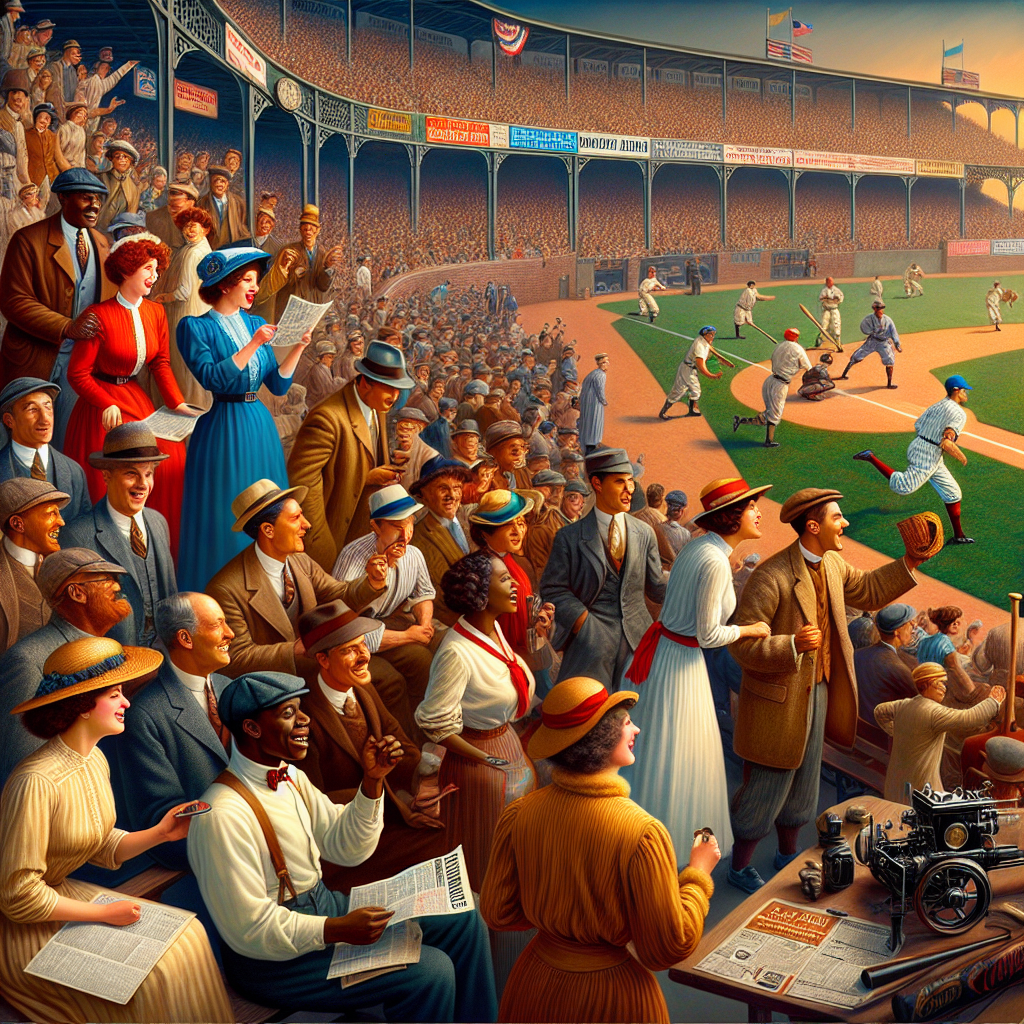
The architectural evolution of ballparks also played a vital role in the changing face of baseball fandom. The early 20th century saw the construction of iconic ballparks such as Fenway Park in 1912 and Wrigley Field in 1914. These parks were more than mere venues; they became landmarks in their respective cities. The ballpark experience became an essential part of the baseball culture, drawing in families, local businesses, and even tourists.
Attending a game was about more than just watching baseball; it was a communal activity that transcended social and economic divisions. The smell of fresh-cut grass, the taste of ballpark franks, and the sound of vendors hawking peanuts and Cracker Jacks created an immersive atmosphere that was irresistible to fans. The ballparks themselves became characters in the grand narrative of baseball, each with unique quirks and stories. They were places where memories were made, and generations of fans congregated, building a multigenerational legacy of baseball loyalty.
Sociopolitical Influences
The early 20th century was a period of significant social and political change in America, and these shifts were reflected in the culture of baseball fandom. The years leading up to and following World War I saw America grappling with questions of identity, patriotism, and social justice. Baseball, as the nation’s pastime, naturally became intertwined with these issues.
During the war, baseball games were used as morale boosters for both the troops abroad and Americans at home. Famous players like Christy Mathewson and Ty Cobb served in the military, further elevating their status as heroes and cementing baseball’s role as a unifying national activity. Post-war, the nation experienced the Roaring Twenties, a decade marked by economic prosperity and cultural dynamism. The excitement and optimism of the era were mirrored in the baseball world, where the sport surged in popularity and cemented its place in the American cultural landscape.
However, it’s crucial to acknowledge the racial segregation of this period and its impact on baseball. The Negro Leagues, established in 1920, provided a platform for African American players who were barred from Major League Baseball. The passion and talent in the Negro Leagues cultivated a parallel culture of fandom, filled with its own heroes and legends, which would eventually influence and enrich the broader landscape of baseball.
The Birth of Organized Fan Conventions
Until the early 20th century, fan interaction with baseball was largely limited to attending games and reading about the sport in newspapers. However, this period also saw the birth of organized fan conventions, which provided a new avenue for fans to celebrate their love for the game.
These conventions allowed fans to meet players, discuss strategies, and even influence team decisions. Fan clubs became widespread, fostering a sense of community among aficionados. These clubs often organized trips to away games, creating a mobile and enthusiastic fan base that would travel miles to support their teams. Conventions became annual events that echoed the broader societal trends of community and collective identity, offering fans a platform to express their passion and loyalty.
Moreover, these fan conventions were instrumental in collecting and preserving baseball memorabilia. Autographed balls, player cards, and jerseys became treasured artifacts, creating a culture of collection that persists to this day. Collectors’ shows and memorabilia auctions became integral aspects of the baseball fandom landscape, allowing fans to own a piece of the history they cherished.
Merchandise and Commercialization
The early 20th century also marked the beginning of the commercialization of baseball fandom. From team jerseys and hats to baseball cards and bobbleheads, merchandise began to play a significant role in how fans engaged with their favorite sport. This commercialization wasn’t merely about profit; it was about establishing an emotional connection between the fans and the teams.
Collecting baseball cards became a popular pastime for both children and adults. Companies like Topps began creating cards with images and statistics of players, turning them into coveted collectibles. Such merchandise products became tangible symbols of loyalty and pride, enriching the overall fan experience.
Teams also started recognizing the potential of branded merchandise. Souvenirs from ballgames, such as signed balls and photo books, became keepsakes that served as mementos of fans’ experiences at the park. Personalized jerseys allowed fans to feel like they were part of the team, further deepening their emotional connection to the players and the sport. This era marked the beginning of what would become a multi-billion-dollar industry, cementing the relationship between commerce and baseball fandom.
Conclusion: A Legacy That Endures
The early 20th century was a transformative period for baseball fandom, laying the groundwork for the sport’s enduring popularity. The synergy between media, iconic players, sociopolitical factors, and fan culture created a perfect storm that propelled baseball into the hearts of millions of Americans. The memories from old ballparks, the legends of players who were larger than life, and the camaraderie among fans have all contributed to a rich and enduring legacy.
Even today, the echoes of this golden era can be felt in every aspect of baseball fandom. From the roar of the crowd at modern stadiums to the reverence for baseball history preserved in memorabilia, the impact of the early 20th century continues to shape the experience of being a baseball fan. It was a period that set the stage for the rituals, traditions, and passions that define baseball fandom today.
Looking back, one can’t help but appreciate how this transformative era gave birth to the aspects of fandom that we now take for granted. It was a time when the groundwork was laid for the rituals and passions that we cherish today—from the excitement of Opening Day to the hustle and bustle of fan conventions and memorabilia collections.
Frequently Asked Questions
1. What were the main changes in baseball fandom during the early 20th century?
The early 20th century was a transformative era for baseball fandom, seeing significant changes that broadened the reach and appeal of the sport across the United States. Key developments included the advent of improved transportation and the expansion of urban rail networks, which made it easier for fans to travel to games. This period also saw the rapid development of mass media, such as newspapers and eventually radio broadcasts, which allowed fans to follow the sport closely and develop affinities for teams or players beyond their local areas.
Moreover, the emergence of iconic baseball players like Babe Ruth captured the public’s imagination, propelling the sport to even greater popularity. These players weren’t just athletes; they became larger-than-life figures who inspired fans with their on-field exploits and off-field personas. Baseball fandom also began to transcend class barriers during this time, becoming a shared cultural activity for a more diverse demographic of Americans.
2. How did the media influence baseball fandom during this period?
The media played a crucial role in the evolution of baseball fandom in the early 20th century. Newspaper coverage became more widespread and detailed, providing fans with box scores, player statistics, and in-depth game analyses. This coverage helped solidify the public’s connection to the sport, making fans more knowledgeable and engaged. The role of sports writers also grew; they became influential figures who shaped public opinion and stirred debates about teams and players.
When radio broadcasts of games were introduced, they revolutionized the way people consumed baseball. Suddenly, fans could experience the excitement of games from the comforts of their homes, hearing the crack of the bat and the roar of the crowds without being physically present. This accessibility broadened the sport’s reach and allowed baseball to become a staple of daily life for many Americans, thus deepening fandom across the nation.
3. Who were some iconic players that impacted baseball fandom in the early 20th century?
Several players during the early 20th century profoundly impacted baseball fandom through their exceptional skills, larger-than-life personalities, and ability to capture the public’s imagination. Babe Ruth, also known as the “Sultan of Swat,” became synonymous with baseball excellence. His charismatic personality and record-breaking home runs made him an idol to millions and brought unprecedented attention to the sport.
Other legendary figures include Ty Cobb, known for his fierce competitiveness and high batting average, and Lou Gehrig, celebrated for both his remarkable talent as the “Iron Horse” and his grace in the face of adversity. These players were not only athletic heroes but also cultural icons who left an indelible mark on the public consciousness, helping to elevate baseball’s profile and influence in American society.
4. How did societal changes in the early 20th century affect baseball fandom?
Societal changes during the early 20th century mirrored the shifts happening in baseball fandom. As industrialization and urbanization took hold, people had more disposable income and more leisure time, which allowed them to engage in entertainment activities like attending baseball games. This period also saw increased labor movements and social progressivism, which helped foster a sense of community and solidarity that sports fans often exemplified.
The inclusion of immigrant communities and African Americans, although still limited due to the segregated nature of the sport before Jackie Robinson’s era, began laying the groundwork for a broader, more inclusive fan base. As people from various backgrounds began embracing baseball as part of American identity, the sport became a unifying force that reflected the evolving social fabric of the nation. This cultural integration was crucial in transforming baseball from a local pastime into a national phenomenon.
5. What role did baseball stadiums play in shaping fandom during this time?
Baseball stadiums in the early 20th century became iconic symbols of the sport’s growing influence and an essential aspect of the fan experience. The construction of larger and more sophisticated stadiums was a testament to baseball’s burgeoning popularity. These structures were more than mere venues; they often became the heart of their communities and offered a dedicated space where fans could gather, celebrate, and commiserate over their shared passion.
Stadiums like Fenway Park, Wrigley Field, and the built-in-the-1920s Yankee Stadium became cathedrals of baseball, each with its own unique ambiance and character, providing fans with memorable experiences that transcended the games themselves. They became places where stories and legends were born, often passed down through generations, further solidifying the deep emotional connections fans felt to their hometown teams and to the sport itself.