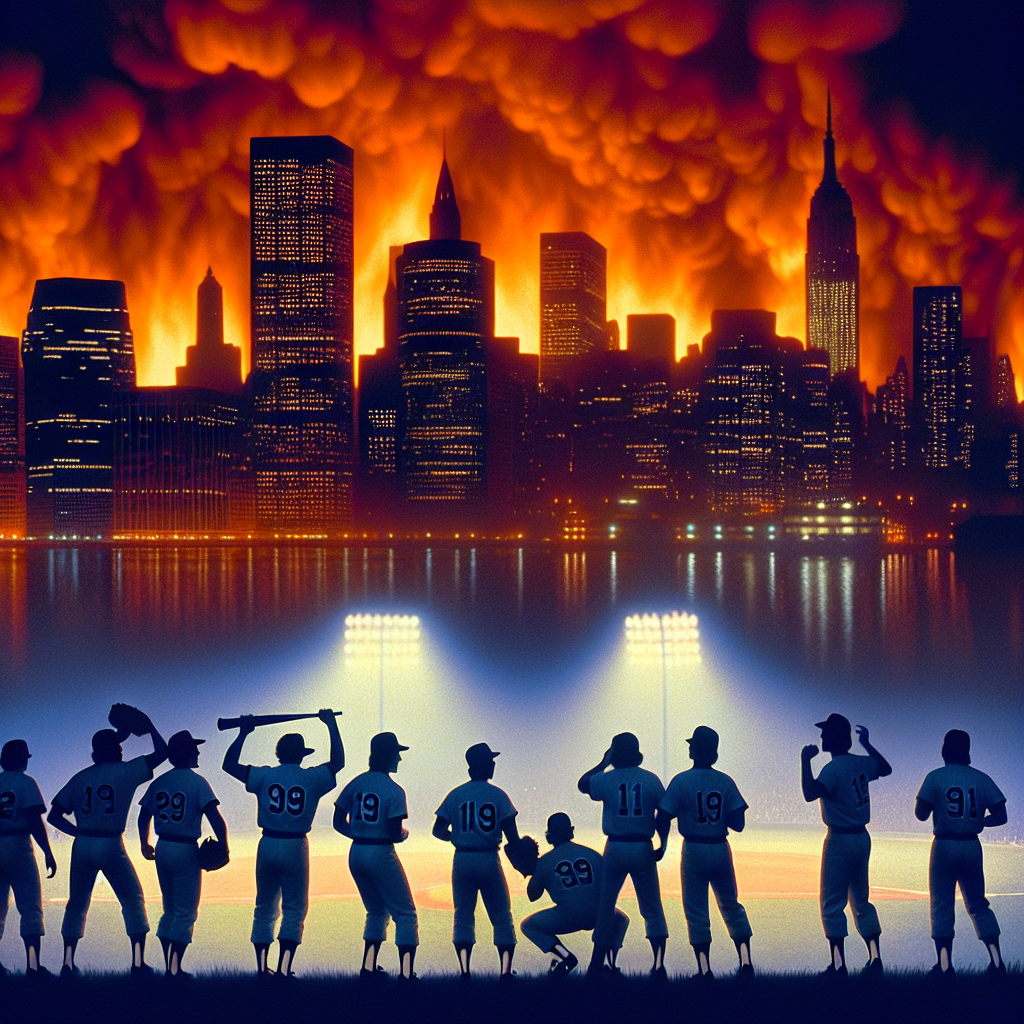
The 1977 New York Yankees are one of the most iconic teams in baseball history. Not just for their triumphant World Series victory but also for the chaos and conflict that surrounded them, making that season legendary. Rooted in the beating heart of New York City, a metropolis as diverse and dynamic as the team itself, the Yankees were a blend of storied talent, flamboyant personalities, and controversial moments. That year, the Bronx was really ablaze, both figuratively and literally. Fires were rampant and the team’s clubhouse was equally heated. Guided by an unorthodox yet charismatic manager Billy Martin, and spearheaded by larger-than-life figures like Reggie Jackson, Thurman Munson, and Catfish Hunter, the Yankees became a symbol of resilience, tenacity, and, paradoxically, dysfunction. This amalgamation of turmoil and triumph resulted in a season that not only ended with a championship but also cemented the Yankees’ place in the annals of baseball lore.
Assembling the Team
Before the 1977 season kicked off, the Yankees were in the midst of a strategic rebuilding phase. Owner George Steinbrenner was determined to bring the World Series title back to New York. With his deep pockets and unyielding ambition, Steinbrenner spared no expense. A pivotal moment in this rebuilding was acquiring Reggie Jackson in the off-season. Jackson, famously known as “Mr. October” for his clutch postseason performances, was a perfect fit for the spotlight of New York. However, his larger-than-life personality often clashed with Billy Martin’s intense managerial style. This clash foreshadowed the drama that would ensue throughout the season. Additionally, the team brought in experienced players like Don Gullett and Bucky Dent, who would later play crucial roles in the season’s success. The Yankees’ farm system also sprouted future stars, ensuring a mix of seasoned veterans and young talent. The table was set for a memorable season, but nobody could have predicted just how tumultuous it would turn out to be.
The Regular Season
The Yankees’ 1977 regular season was a roller-coaster ride filled with highs and lows. Despite the friction within the team, they managed to perform remarkably well. Early on, tension between Reggie Jackson and Billy Martin erupted in a now-infamous public feud. The pinnacle of their disputes occurred during a nationally televised game against the Boston Red Sox, where Martin pulled Jackson from the game for what he viewed as a lack of hustle. This altercation in the dugout was emblematic of the internal strife that characterized much of the season. However, the team managed to stay focused on their common goal. Anchored by standout performances from the likes of Thurman Munson, who was a steadying presence both on and off the field, and the stellar pitching of Ron Guidry, the Yankees ended the regular season with a record of 100 wins and 62 losses, earning them the American League East title.
The Playoffs
The intensity of the regular season carried over into the playoffs. The Yankees faced the Kansas City Royals in the American League Championship Series (ALCS), a rematch of the previous year’s encounter. The series was fiercely contested, with both teams exchanging victories. It all came down to a decisive Game 5. In a dramatic twist, the Yankees were trailing late in the game. However, through sheer determination and timely hitting, particularly by Chris Chambliss, they mounted a comeback to capture the pennant. This victory set the stage for the World Series showdown against the Los Angeles Dodgers. The ALCS not only tested the Yankees’ abilities but also served as a testament to their resilience and unyielding spirit, qualities that would prove essential in the World Series that followed.
The World Series
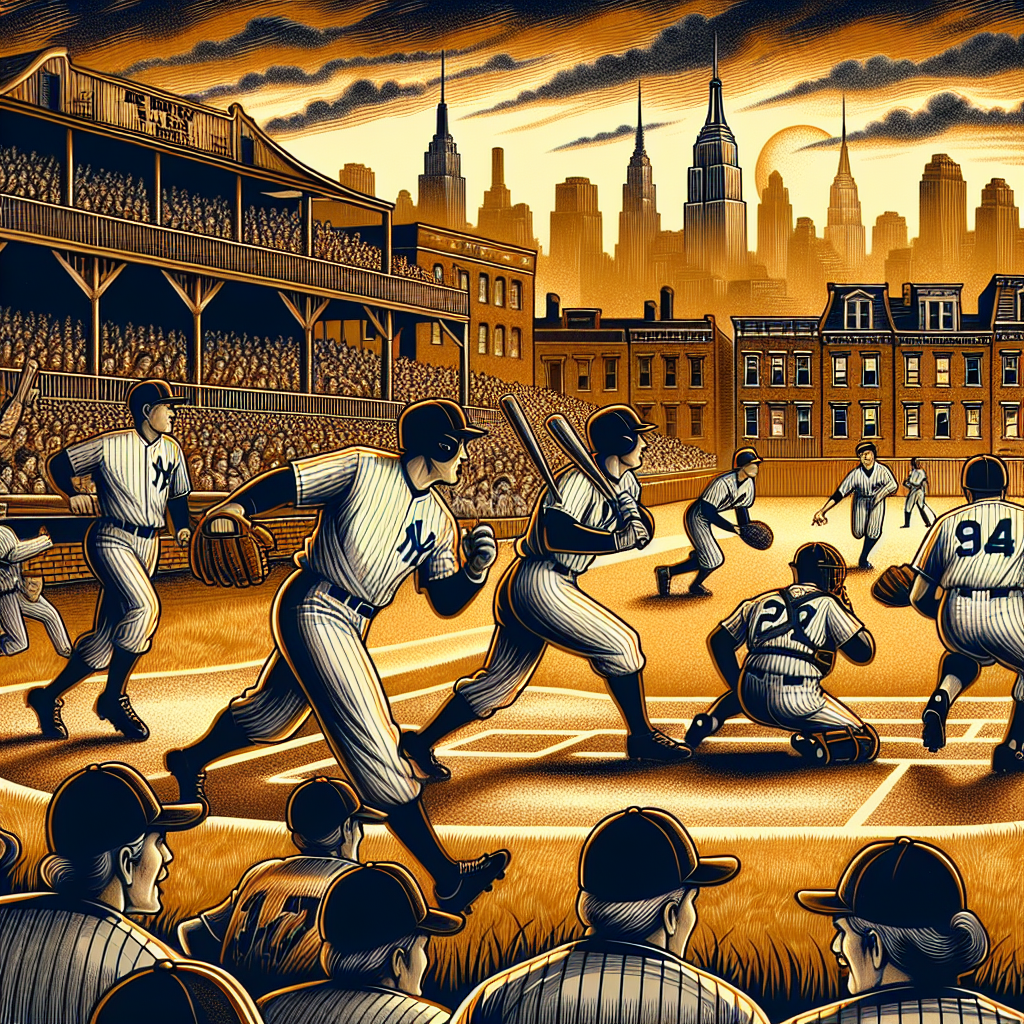
The 1977 World Series was a marquee event, featuring two storied franchises: the New York Yankees and the Los Angeles Dodgers. The series itself was a microcosm of the Yankees’ season—fraught with tension, drama, and moments of brilliance. Reggie Jackson, in particular, etched his name into baseball history. In Game 6, Jackson delivered an unforgettable performance by hitting three home runs on three consecutive pitches, an extraordinary feat that earned him the series MVP and solidified his “Mr. October” moniker. The Yankees captured their first World Series title since 1962 by defeating the Dodgers in six games. This victory not only brought the championship back to New York but also provided a significant validation for the team’s tumultuous season. It was a moment of redemption and glory, encapsulating the very essence of baseball: triumph over adversity.
Aftermath and Legacy
The aftermath of the 1977 season saw a continuation of the drama that had become synonymous with the Yankees. The relationship between Reggie Jackson and Billy Martin remained contentious, with their confrontations often spilling over into the media. Despite these ongoing tensions, the Yankees continued to play at a high level, going on to win another World Series in 1978. The legacy of the 1977 Yankees, however, extends beyond their on-field accomplishments. They epitomized the vibrant and sometimes chaotic spirit of New York City during the late 1970s. Their story has been immortalized in various forms of media, including the book and TV series “The Bronx is Burning,” which aptly captures the essence of that unforgettable season. For many fans, the 1977 Yankees symbolize the timeless allure and unpredictability of baseball.
Conclusion
The 1977 New York Yankees were more than just a baseball team; they were a phenomenon. The convergence of talent, personality, and drama made that season unforgettable and their victory even sweeter. While the internal conflicts and controversies could have derailed a lesser team, the Yankees used it as fuel to achieve greatness. Under the watchful eyes of millions, they demonstrated that dysfunction doesn’t necessarily preclude success and that sometimes, the most chaotic journeys lead to the most memorable destinations. Their story remains a testament to the unpredictable nature of sports, where the lines between triumph and disaster are often blurred. For those who lived through it and for those who have come to appreciate it through retrospectives, the 1977 Yankees will forever be etched in baseball history as the team that thrived amidst chaos and emerged victorious. Their narrative is a compelling reminder of why baseball is often called America’s pastime – it’s not just a game, but a reflection of the trials and triumphs of the human spirit.
Frequently Asked Questions
1. What made the 1977 New York Yankees season so iconic?
Ah, the 1977 New York Yankees — because this team was anything but ordinary! Their season was legendary for a whole host of reasons. First, there was the undeniable talent on the roster, with figures like Reggie Jackson, Thurman Munson, and Catfish Hunter, who were heroes on the diamond. But it wasn’t just about the skills these guys had. It was about the personalities they brought to the field, which created a unique chemistry and drama that captivated fans everywhere. Then, of course, you can’t talk about the Yankees of ’77 without mentioning their undeniable Hunger for victory, which culminated in winning the World Series against the LA Dodgers.
However, the season wasn’t just a sports story; it was a soap opera. There were tensions between players — most famously between team captain Thurman Munson and Reggie Jackson — and the volatile management style of their fiery manager Billy Martin added more spice to the mix. Their conflicts often made as many headlines as their victories. Meanwhile, outside the stadium, the city of New York was dealing with its issues, from financial struggles to literal fires burning across the Bronx. All these elements combined to create a season full of conflict, drama, and ultimate triumph – a perfect storm that baseball fans remember vividly to this day.
2. Why is the phrase “The Bronx is Burning” associated with the 1977 Yankees?
So, here’s the scoop on why “The Bronx is Burning” became synonymous with the Yankees in ’77. First off, it was literally true. During that time, the Bronx was facing a severe urban decay crisis, plagued by rampant arson, poverty, and crime. Buildings were being set ablaze—often due to arson for insurance fraud or as acts of desperation — causing plumes of smoke and devastation across the area.
Now, on the baseball side of things, the phrase took on a double meaning. It was all about excitement, tension, and volatility—both in the city streets and in the stands at Yankee Stadium. During one particularly notable incident at Game 2 of the World Series, a helicopter captured footage of a building engulfed in flames beyond the stadium, and the infamous ABC announcer Howard Cosell allegedly quipped, “There it is, ladies and gentlemen, the Bronx is burning.” While this specific quote may drift into the realm of urban legend, it encapsulates the intense and chaotic atmosphere surrounding the team and the city at that time.
3. What role did Reggie Jackson play in the 1977 Yankees’ World Series win?
You could say Reggie Jackson was the star of the show during the Yankees’ ’77 World Series. He earned his nickname “Mr. October” for his incredible postseason performance, and for good reason. Signed in the off-season in a big-money deal meant to bring the Yankees back to their former glory, Reggie lived up to the hype and then some. He had a rocky start, sure, given his disputes with Billy Martin and his off-base comments about being “the straw that stirs the drink,” which ruffled more than a few feathers in the clubhouse, including with beloved captain Thurman Munson.
But come the World Series, he silenced every critic with an unforgettable performance. Particularly unforgettable was Game 6 against the LA Dodgers, where Reggie hit three home runs on three consecutive pitches from three different pitchers—cementing his legacy overnight. His heroics were pivotal in solidifying the Yankees’ championship victory and etched his name into baseball lore. Reggie’s performance wasn’t just about winning games but also about rallying the fan base and turning the series into a media spectacle that defined his career and set the tone for the Yankees’ dominance.
4. How did the relationship between Billy Martin and Reggie Jackson impact the team?
When it comes to drama, few relationships in sports surpass the explosive dynamic between Yankees manager Billy Martin and star hitter Reggie Jackson. You see, Billy Martin was a fiery leader—a man of passion, grit, and a penchant for confrontation, while Reggie Jackson was a charismatic star with immense talent but an equally formidable sense of self-worth and ego. This combination was bound to create tension.
Their relationship indeed was a double-edged sword for the Yankees. On one side, their clashes, which often erupted into open arguments, including famously when Martin pulled Jackson mid-game for perceived lack of hustle, risked fracturing the team’s unity. These dramas were only made worse by the watchful eyes of the media, who relished every chance to report on their spats.
However, there was an upside: the rivalry and tension fostered a kind of competitive pressure cooker that drove the players to perform at the highest level, culminating in their successful claim of the World Series title. Martin’s combative style pushed Jackson to prove himself as not just another player but the driving force behind the Yankees’ success. In a strange way, this conflict emboldened the team, and their mutual dislike fueled a season for the ages, creating a powerful narrative that overshadowed even their most visible frictions.
5. What was the cultural and social impact of the Yankees’ victory on New York City at the time?
Let’s paint the picture: New York City in 1977 wasn’t as glamorous as you might think. The city was grappling with a financial crisis, escalating crime rates, and societal tension. The pressures and struggles of daily life were palpable, especially in the Bronx, where conditions seemed grim, with fires and rampant decay symbolizing the district’s plight. Enter the Yankees, not just a baseball team but a beacon of hope and pride for New Yorkers everywhere.
Their World Series victory provided a much-needed respite and a reason to cheer amid the chaos. Winning the series wasn’t just about being the best baseball team; it meant more than that to New Yorkers. It was a unifying force, providing everyday people a connection point to rally around, lifting spirits citywide. The victory parade wasn’t merely a sportive celebration; it was a citywide catharsis—a joyous display of communal energy and a reminder of the city’s resilience and undying spirit even in darker times.
In broader cultural terms, the success of the Yankees also reflected the complexities of American society and sports. It highlighted how a high-stakes mix of talent, clashing personalities, and cultural tension could result in extraordinary outcomes. This dynamic mirrored what was happening in New York City—a place of stark contrasts and vigorous intensity. The 1977 Yankees, with their drama-laden journey to the top, captured the imagination of the nation and became a perfect metaphor for the city: resilient, unpredictable, and always in the spotlight.