
In 1936, the Baseball Hall of Fame announced its inaugural class, a momentous occasion that set the precedent for honoring the sport’s most influential figures. This class comprised players whose impact on the game went beyond mere statistics, embodying the spirit and history of baseball. The selection of Ty Cobb, Babe Ruth, Honus Wagner, Christy Mathewson, and Walter Johnson marked not only a recognition of their incredible talent but also an acknowledgment of their contributions to shaping the early years of America’s pastime.
The Selection Process
The Hall of Fame’s first induction process involved ballots cast by the Baseball Writers’ Association of America (BBWAA). Each member was asked to choose ten players from the 20th century, and the top vote-getters would be inducted. This process set a standard for future elections, emphasizing a democratic and comprehensive evaluation of a player’s career.
Ty Cobb
Ty Cobb, known as “The Georgia Peach,” was one of the most ferocious competitors the game has ever seen. His career, spanning 22 seasons primarily with the Detroit Tigers, set 90 MLB records, many of which stood for decades. Cobb’s lifetime batting average of .366 remains the highest in major league history, a testament to his unparalleled skill at the plate. His aggressive style of play, both as a hitter and a base-runner, revolutionized the game and inspired future generations of players.
Babe Ruth
George Herman “Babe” Ruth transformed baseball with his prodigious power, changing the way the game was played. Starting his career as a pitcher for the Boston Red Sox, Ruth achieved great success, including three World Series titles. However, it was his transition to an outfielder for the New York Yankees that truly showcased his legendary abilities. Ruth’s home run records, charisma, and larger-than-life persona made him a cultural icon and an embodiment of the “Roaring Twenties.”
Honus Wagner
Johannes Peter “Honus” Wagner, also known as “The Flying Dutchman,” dominated the National League during the early 20th century. Playing primarily for the Pittsburgh Pirates, Wagner won eight batting titles and led his team to a World Series victory in 1909. Renowned for his all-around abilities, Wagner was a superb hitter, a brilliant base-runner, and an outstanding shortstop, often regarded as one of the greatest to ever play the position.
Christy Mathewson
Christy Mathewson, nicknamed “Big Six,” was one of the most dominant pitchers of his era. Playing most of his career for the New York Giants, Mathewson’s control and precision on the mound were unparalleled. His career ERA of 2.13 and 373 wins place him among the elite pitchers in baseball history. Mathewson’s gentlemanly conduct, combined with his excellence on the field, made him a role model and a celebrated figure in the sport.
Walter Johnson
Walter Johnson, known as “The Big Train,” was a pitching marvel for the Washington Senators. His fastball, one of the most feared pitches in the game, helped him achieve records in strikeouts and shutouts that stood for decades. Johnson’s humble demeanor and sportsmanship, coupled with his incredible talent, made him a beloved figure in baseball.
The Impact of the Class of 1936
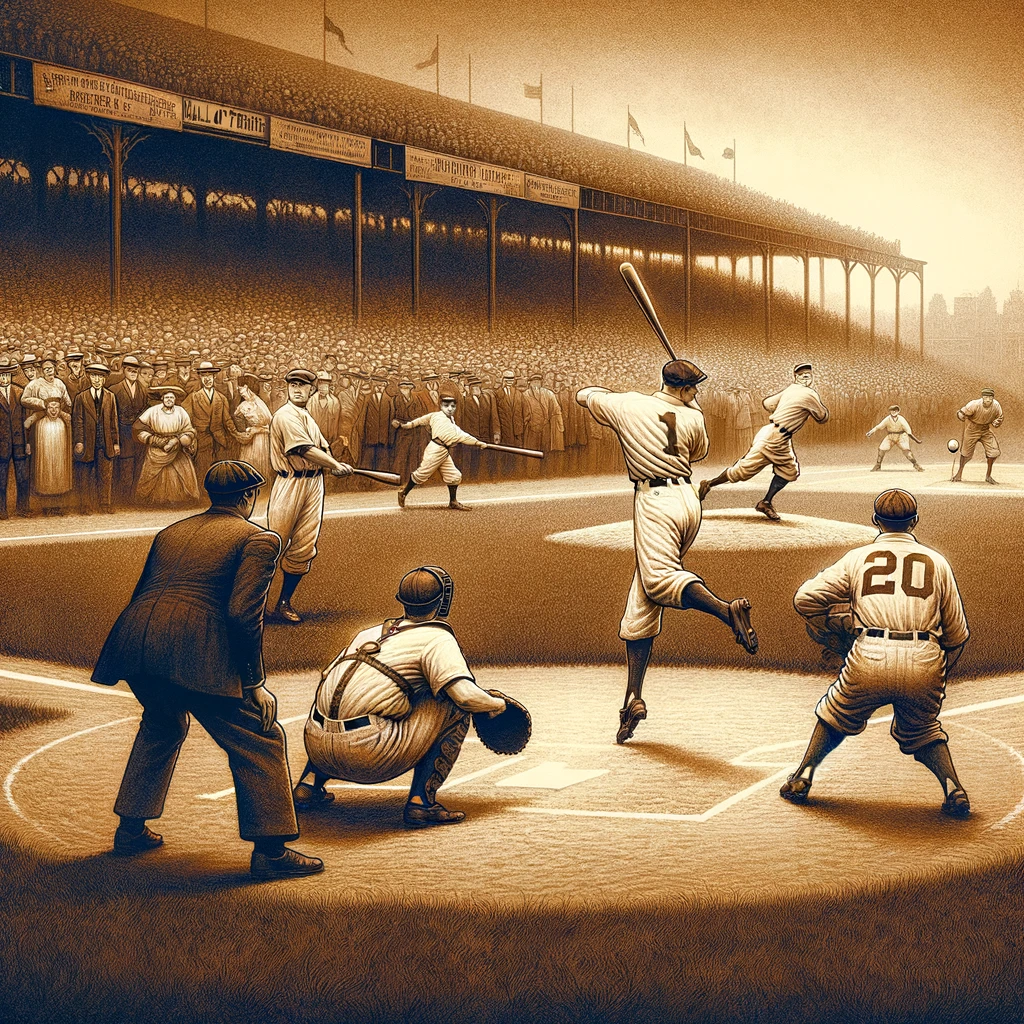
The inaugural Hall of Fame class set a high bar for future inductees. Their induction was more than just an acknowledgment of their statistical achievements; it was a celebration of their impact on the game. Each player brought a unique style and charisma that left an indelible mark on baseball history.
Legacy and Influence
The 1936 Hall of Fame class did not just represent an era of baseball; they were pioneers who shaped the future of the sport. Their legacies extend far beyond their playing days, influencing generations of players and fans alike.
Shaping the Game’s Evolution
Each member of this class contributed to the evolution of baseball in their unique way. Ty Cobb’s aggressive style of play and base-running prowess changed how players approached hitting and running the bases. Babe Ruth’s power hitting brought a new excitement to the game, shifting the focus towards home runs and offensive dynamism. Honus Wagner’s all-around excellence set a standard for future shortstops, while Christy Mathewson’s pitching mastery and sportsmanship influenced how pitchers approached their craft. Walter Johnson’s fastball dominance established the importance of power pitching in the game.
Cultural Impact
The influence of the 1936 class extended beyond the diamond. Babe Ruth, in particular, became a cultural icon, synonymous with the power and exuberance of the Roaring Twenties. His charisma and flair captured the imagination of the American public, making baseball a central part of the nation’s culture. The achievements and personalities of these players made baseball more than just a sport; they turned it into a national pastime, deeply embedded in America’s identity.
The Hall of Fame’s Role in Preserving Baseball History
The establishment of the Baseball Hall of Fame and the induction of its first class in 1936 played a crucial role in preserving the history of the game. It provided a space to honor and remember the individuals who had a significant impact on baseball, ensuring that their contributions would not be forgotten.
A Place of Reverence and Inspiration
The Hall of Fame serves as a place of reverence for baseball enthusiasts, a pilgrimage site where the stories and achievements of baseball’s greatest are enshrined. It is a source of inspiration for aspiring players and a repository of history for fans. The induction of the 1936 class laid the foundation for this sacred tradition, creating a lineage of greatness that connects the past, present, and future of the sport.
Continuing the Legacy
As new players are inducted each year, they join the ranks of these early legends, continuing the legacy that the 1936 class began. The Hall of Fame remains a testament to baseball’s ability to evolve while honoring its rich history. The stories of these players, and those who followed, remind us of the timeless nature of the game and its significance in American culture.
Conclusion
The Hall of Fame class of 1936 represents the very essence of baseball’s early years. Ty Cobb, Babe Ruth, Honus Wagner, Christy Mathewson, and Walter Johnson were not just exceptional players; they were foundational figures who helped shape the game into what it is today. Their induction into the Hall of Fame was a fitting tribute to their monumental contributions, setting a standard for all who followed. As we look back on their careers and legacies, we are reminded of the enduring power of baseball to inspire, captivate, and unite.
As the Hall of Fame continues to evolve, the class of 1936 remains a cornerstone, a reminder of the greatness that can be achieved on the baseball field and the impact that these legends have had on the sport and American culture as a whole. Their stories, triumphs, and personalities continue to be celebrated, preserving the rich heritage of baseball for future generations to discover and appreciate.
Frequently Asked Questions
1. What was the significance of the 1936 Baseball Hall of Fame class?
The 1936 Baseball Hall of Fame class was a landmark in the history of American sports, as it was the inaugural class selected for induction. This momentous event was significant because it set a high standard for honoring exceptional talent, character, and contributions to the game. The inductees – Ty Cobb, Babe Ruth, Honus Wagner, Christy Mathewson, and Walter Johnson – were pioneers whose careers personified the rich history and tradition of baseball. Their selection was more than just about their record-breaking achievements or incredible stats; it was about acknowledging their roles in crafting the very essence of the sport we revere. This prestigious Hall of Fame class firmly established a precedent for what it means to be a legendary figure in baseball, immortalizing those whose influence and legacy have transcended time.
2. Why were Ty Cobb, Babe Ruth, Honus Wagner, Christy Mathewson, and Walter Johnson chosen for the inaugural class?
The decision to induct Ty Cobb, Babe Ruth, Honus Wagner, Christy Mathewson, and Walter Johnson into the 1936 Hall of Fame class was based on their monumental contributions to baseball both on and off the field. Ty Cobb, known for his aggressive base-running and hitting prowess, revolutionized the way the game was played and set a myriad of records. Babe Ruth, one of the most iconic sports figures in history, transformed the dynamic of baseball, bringing power-hitting to the forefront and capturing the imagination of fans worldwide. Honus Wagner, revered as the greatest shortstop of his era, was a crucial player in popularizing the sport. Christy Mathewson, a dominant pitcher, set standards for sportsmanship and excellence that defined the integrity of the game. Walter Johnson, with his blazing fastball, set a benchmark for future generations of pitchers. These players weren’t just athletes; they were symbols of innovation, skill, and the enduring spirit of baseball, chosen to forever remind us of what the sport truly stands for.
3. How did the selection process for the 1936 class work?
The selection process for the 1936 Baseball Hall of Fame class involved a thorough and thoughtful examination by a panel of esteemed baseball writers and historians. This inaugural election utilized a rigorous balloting procedure, as voters were tasked with evaluating the players not just on their statistical accomplishments but also on their overall contributions to the sport. The committee focused on candidates who had made an indelible impact on baseball by the end of their careers, emphasizing not only on-field performance but also character and influence off the field. Voters were instructed to consider “playing ability, integrity, sportsmanship, character, and contributions to the team(s) on which the player played.” This comprehensive evaluation process ensured that only those who truly embodied the spirit and history of baseball were selected for this historic honor, laying the groundwork for the Hall of Fame’s standards in the years to come.
4. What impact did the 1936 class have on future Hall of Fame selections?
The 1936 Hall of Fame class had a lasting impact on subsequent selections by establishing foundational criteria for evaluating baseball greatness. The inaugural inductees set a benchmark of excellence that future candidates would be measured against. The induction of players with monumental contributions reinforced the importance of considering not just athletic prowess but also the player’s influence and legacy beyond the diamond. This set the tone for future Hall of Fame ceremonies and heightened the prestige involved in being inducted. The process and the caliber of the 1936 class underscored a commitment to honoring individuals who exemplified remarkable skill, contributed significantly to the sport’s development, and inspired future generations to follow in their footsteps. It effectively paved the way for a system that continues to evolve but remains deeply rooted in the tradition of celebrating baseball’s most transformative figures.
5. How did the public and media react to the 1936 Hall of Fame class?
The announcement of the 1936 Hall of Fame class was met with tremendous enthusiasm and reverence from both the public and the media. The induction of baseball’s most legendary figures captured the imagination of fans who revered the likes of Ty Cobb, Babe Ruth, Honus Wagner, Christy Mathewson, and Walter Johnson. Newspapers across the country celebrated the news, highlighting the vast achievements of these players and touting their immeasurable impact on the game. The fanfare surrounding the inaugural class marked a celebration of baseball’s rich history and a recognition of the players who had elevated the game to iconic status. The media coverage played a vital role in elevating the Hall of Fame’s status as hallowed ground for baseball legends and accentuated the enduring appeal of America’s pastime, affirming the universal belief in the timeless value of celebrating those who have left an indelible mark on the sport.