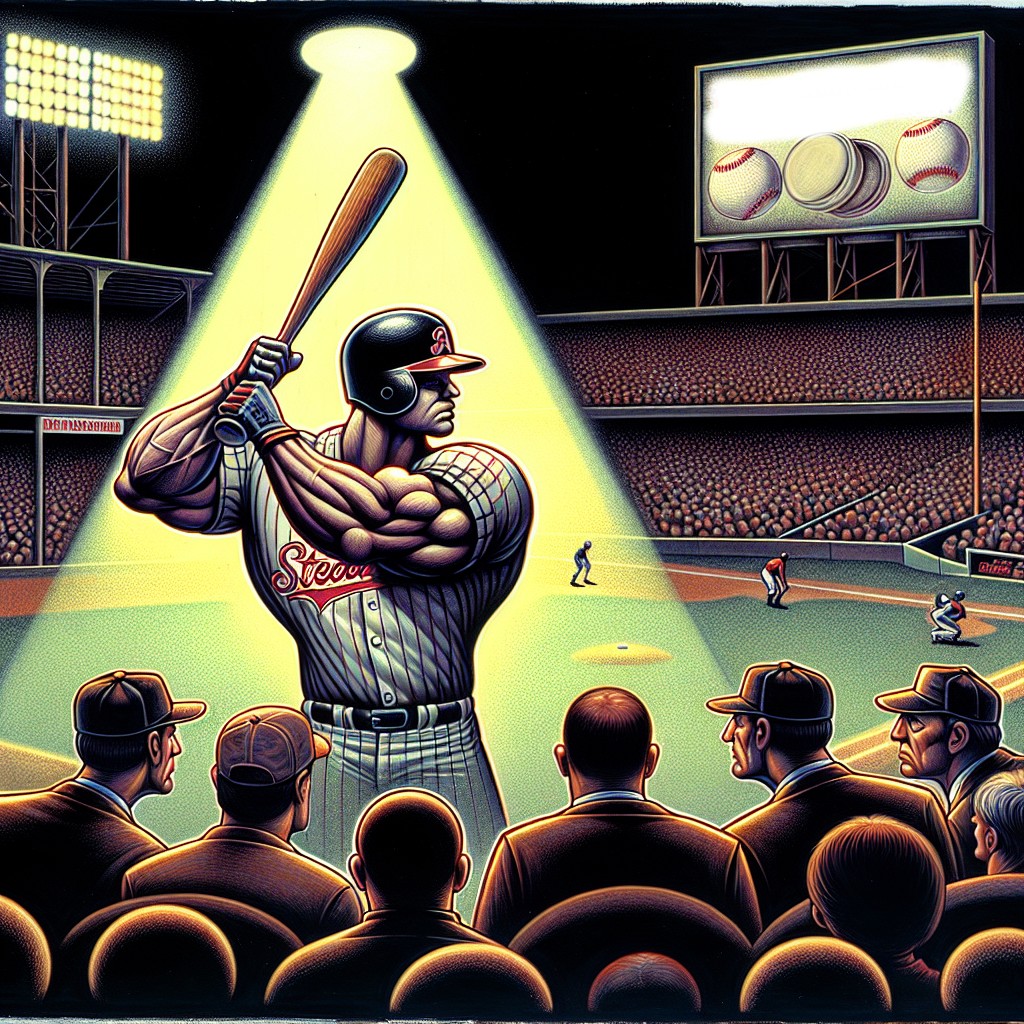
Baseball, celebrated as America’s pastime, has long stood as a symbol of integrity, fair play, and the American spirit. Yet, amidst its rich tapestry of tradition and timeless allure, baseball has faced numerous controversies that have challenged its moral and ethical framework. Perhaps no period was more tumultuous than the Steroid Era, a time when the literal and figurative demands for power reshaped the game we thought we knew. From the late 1980s through the early 2000s, baseball wrestled with issues of performance-enhancing drugs that questioned the very fabric of athletic competition. This era, marked by extraordinary home runs and shattered records, also brought forth deep introspection on what values the game should uphold.
When whispers of steroid use began to circulate, many within the baseball community found themselves caught in an ethical quagmire. The traditional values of sportsmanship and fair play came head-to-head with the allure of fame and fortune that big hits and broken records promised. But beyond record books and highlight reels, the Steroid Era prompted society to ask critical questions about ethics in sports, the responsibilities of athletes as role models, and the lengths to which players were willing to go in the name of success. Understanding this period is essential not just for baseball enthusiasts but for anyone interested in the intersection of morality, ethics, and competitive sports.
The Rise of Steroid Use
As the 1980s gave way to the 1990s, there was a noticeable transformation in the physical appearance and performance of many baseball players. Suddenly, athletes were not just skilled; they were more muscular, faster, and displayed extraordinary power. While increased training and advancements in sports science contributed to this transformation, another factor, one far less discussed in public at the time, played a significant role: anabolic steroids.
These performance-enhancing drugs offered players more than just a boost in strength and endurance. Steroids allowed athletes to recover faster from injuries, endure more rigorous training, and in turn, deliver sizzling performances on the field. Unfortunately, as drugs like methandrostenolone and stanozolol made their silent entry into locker rooms, the spirit of competition began to warp. The exhilaration of a home run chase, the crowning of new batting kings, and the overtaking of old records painted a misleading picture of progress in American baseball.
For many players, the pressure was immense. The fans demanded thrilling spectacles, the commercial side of the game saw dollar signs in every headline that boasted a home run rivalry, and players were caught in the tug-of-war between ethical purity and career longevity. This pressure cooker environment effectively promoted the quiet but growing acceptance of steroids, pushing athletes to pursue glory at potentially catastrophic personal and professional costs. But what had initially been whispers became a cacophony of allegations and revelations that rocked the foundations of baseball.
The Impact on Records and Achievements
Baseball is a game of numbers. From batting averages to home runs to strikeouts, the game’s allure is deeply rooted in its statistical history. The Steroid Era, with its hallmarks of shattered records and awe-inspiring achievements, left an indelible imprint on these figures. While exciting for fans and lucrative for franchises, this era left many of baseball’s historical benchmarks under a cloud of doubt.
Questions began to arise: How could the accomplishments of legends like Babe Ruth or Hank Aaron stand in comparison to the feats of steroid-enhanced players? With every power-packed swing that sent a baseball flying over the fence, the legitimacy of the game’s history was called into question. Numbers that had been untouchable for decades were eclipsed, leading to debates over whether these new milestones deserved an asterisk in the record books.
Beyond the controversy, however, there was an undeniable excitement that steroid-enhanced performances brought to the game. Stadiums were packed, merchandise sales soared, and television ratings reached unprecedented heights. But these victories came with a cost, one that threatened to erode trust in the institution of baseball itself. For purists, the so-called sanctity of the sport was at stake, as baseball’s credibility faced an unprecedented challenge.

The Role of Baseball Authorities
Throughout the Steroid Era, baseball’s governing bodies found themselves navigating an intricate labyrinth of ethical and public relations challenges. Initially, there was a hesitancy to confront the issue head-on. Indeed, recognizing and addressing steroid use seemed difficult, especially with so much at stake in terms of revenue and fan engagement. As a result, the actions—or sometimes inaction—of baseball authorities received widespread scrutiny.
The Major League Baseball Players Association, as well as team owners and managers, were all inextricably part of this narrative. For years, testing and penalties for steroid use were lax, allowing the problem to expand unchecked. And as accusations surfaced, the leadership response was often seen as slow or inadequate. This perceived reluctance to act fostered distrust among fans and athletes alike, leading to calls for a more stringent approach to policing substance abuse in sports.
However, how did authorities balance the game’s integrity with player privacy and rights? Implementing drug testing protocols, enforcing regulations, and making amendments to collective bargaining agreements marked significant steps in addressing the issue, albeit belatedly. It was a period of learning and adaptation, as baseball’s executives painstakingly attempted to restore faith in the game amidst the fallout from decades of unchecked substance abuse.
Cultural Reflection and Fan Reactions
As the Steroid Era unfolded, fans found themselves grappling with an array of emotions. From elation at the explosive performances on the field to a sense of betrayal as the truth of performance-enhancing drugs emerged, the cultural impact was profound. Baseball, often seen as a mirror of the American social landscape, reflected wider societal issues surrounding ethics, competition, and authenticity.
Fans reacted in diverse ways. Some stood by their favorite players, turning a blind eye to the allegations and preferring to focus on the entertainment provided. Others were less forgiving, calling for accountability and decrying what they saw as a betrayal of the sport’s core ideals. Ballparks across America faced protests, and heated debates became commonplace among fans who felt disillusioned by a game they held dear.
The Steroid Era also sparked a broader discussion about the role of athletes as role models. The realization that star players, whom young fans idolized, were resorting to unethical means raised concerns about the messages being conveyed to future generations. The nuanced reaction of fans revealed the depth to which baseball was interwoven with not just personal identity and national pride, but with ideals of honesty, hard work, and fair competition.
The Path to Redemption
The Steroid Era’s legacy remains complex and contentious, yet from the chaos arose a determination to rebuild and renew the game’s standing. Efforts to cleanse baseball of its tarnished image were neither simple nor swift, demanding a combination of policy reform, education, and transparency to rectify past mistakes and forge a path forward.
Player education became a key focus, with initiatives to inform athletes about the risks and moral implications of steroid usage. Furthermore, baseball authorities ramped up efforts in drug testing, introducing stringent measures to deter players from resorting to banned substances. Collectively, these efforts underscored a commitment to preserving the sanctity of the game while respecting the rights and well-being of its participants.
Legends of the Steroid Era, some now retired, voiced regrets and sought redemption through acknowledgment and advocacy against steroid use. Building trust was a multifaceted endeavor, requiring truthfulness from players and accountability from baseball’s governing bodies. In effect, the Steroid Era offered baseball a chance to reflect, reform, and re-emerge stronger and wiser.
Conclusion
The Steroid Era was more than just a period of prolific home runs and record-setting achievements; it was a critical juncture in baseball’s history that demanded a reevaluation of values. As the dust settled and policies evolved, it became clear that baseball’s greatest strength lay not merely in its records or its heroes but in its resilience and ability to learn from past missteps.
Through transparent leadership, comprehensive education, and a renewed emphasis on ethical gameplay, baseball has taken significant strides towards healing the wounds of the Steroid Era. The journey, however, continues. History serves as both a cautionary tale and a guidepost, reminding us that while the pursuit of greatness can be fraught with temptation, it is achievable through integrity and perseverance.
Today, the Steroid Era stands as a testament to baseball’s ongoing dialogue between power and principle. As fans return to the stadiums and the echoes of past controversies fade, the lessons learned during this period endure, reinforcing the idea that the true essence of baseball—and indeed any competitive sport—lies not just in winning but in how the game is played.