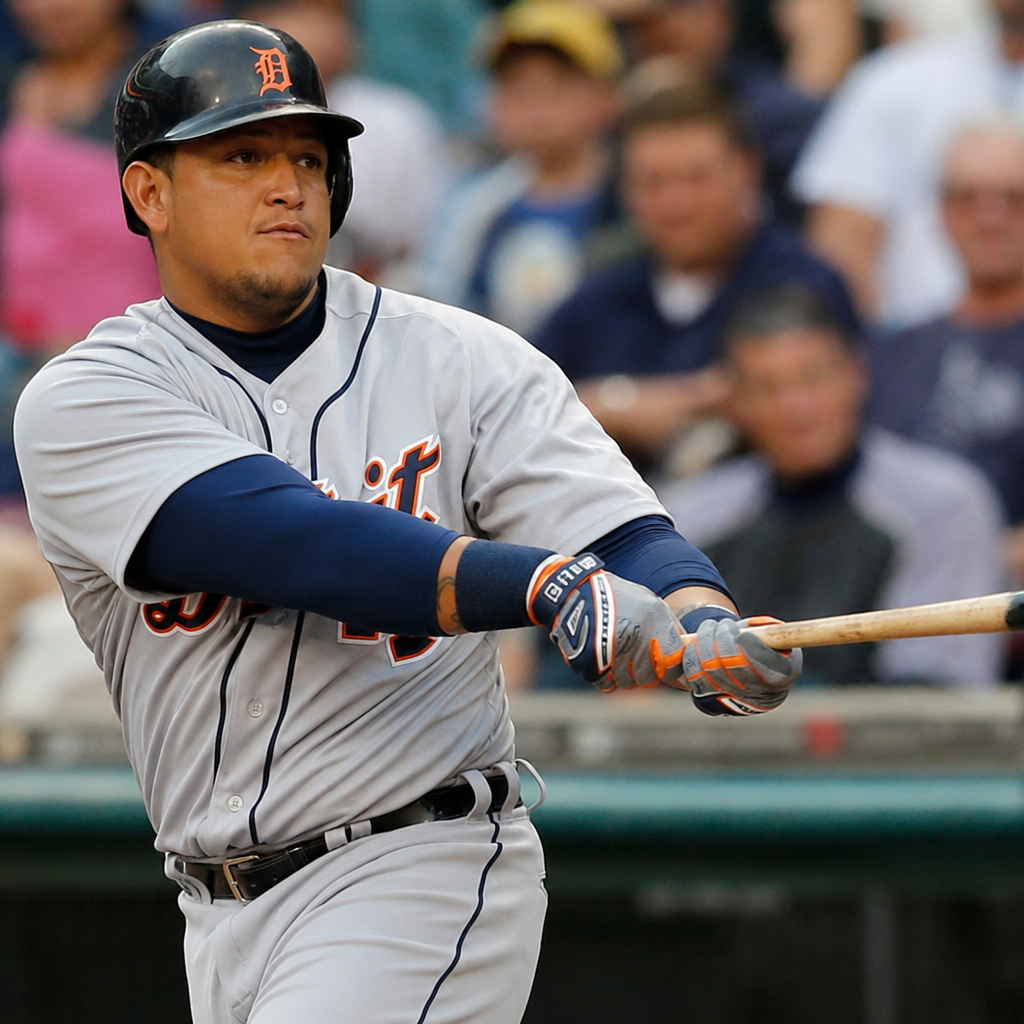
The 2007 Miguel Cabrera trade remains one of baseball’s most debated blockbuster deals because it combined elite talent, financial pressure, prospect risk, and immediate controversy in a single move. When the Florida Marlins sent Miguel Cabrera and Dontrelle Willis to the Detroit Tigers in December 2007, the transaction was framed as both a baseball decision and a business decision. That tension is why the trade still belongs in any serious discussion of scandals and controversies. It was not a scandal in the sense of rules being broken, but it triggered accusations of payroll dumping, competitive retreat, and ownership priorities overwhelming the duty to field the strongest possible club.
To understand why the deal mattered, it helps to define the central issue. A controversial trade is not simply a trade fans dislike. It is a move that raises broader questions about fairness, governance, market economics, player valuation, and the obligations a franchise owes its fan base. The Cabrera trade checked every box. Florida had a 24-year-old superstar already established as one of the best right-handed hitters in the sport. He had helped win the 2003 World Series, produced year after year, and had not yet reached the normal aging curve where hitters decline. Trading that caliber of player before his prime naturally brought scrutiny.
It mattered even more because of the moment in baseball history. The late 2000s were defined by widening payroll gaps, growing use of analytics, and increasing skepticism toward teardown strategies that were packaged as “rebuilding.” I remember how front offices and fans discussed this deal at the time: one side called it practical roster management, the other called it another example of a low-revenue club cashing out instead of committing to contention. Both arguments had some truth. Detroit was acting like an aggressive contender. Florida was acting like a franchise trying to survive within ownership’s financial limits while betting on young, controllable talent.
As a hub article within the broader scandals and controversies conversation, this story matters because it connects many recurring baseball themes: ownership trust, prospect volatility, media framing, fan backlash, and the long afterlife of a trade’s reputation. The easiest version of the story is that Detroit won because Cabrera became a Hall of Fame-level icon. The more complete version is richer. Detroit gained a generational bat, but also absorbed major salary commitments and received little from Willis. Florida invited criticism, yet secured a package built around Andrew Miller and Cameron Maybin, two premier prospects at the time, plus additional young players intended to reset the organization’s timetable. The debate was never just who got the better players. The debate was what each team believed its job was.
What the trade included and why it sparked immediate controversy
The trade was finalized on December 5, 2007. Detroit acquired Miguel Cabrera and left-hander Dontrelle Willis. Florida received a six-player package: Cameron Maybin, Andrew Miller, Mike Rabelo, Eulogio De La Cruz, Dallas Trahern, and Burke Badenhop. On paper, the exchange reflected a classic contender-rebuilder split. Detroit pursued impact major league production. Florida pursued club control, prospect upside, and payroll relief. In practice, the public reaction was far harsher than that sterile description suggests.
Cabrera was already a franchise player. Through five major league seasons, he had hit for average, power, and durability at a level few players his age could match. He had posted multiple seasons with 30 or more home runs and had a reputation for producing in big moments. Willis, while less secure in value, was still a recognizable name and a former All-Star who had been one of the sport’s most charismatic pitchers. For Detroit, fresh off recent contention and operating with owner Mike Ilitch’s willingness to spend, the message was unmistakable: win now.
Florida’s side triggered the controversy. The Marlins had already developed a reputation for breaking down successful cores after winning cycles, most notably after the 1997 and 2003 championships. Critics argued that the club repeatedly benefited from revenue-sharing structures and public support while failing to sustain payroll. In that context, trading Cabrera looked less like strategy and more like surrender. Fans were not just upset about losing a star; they were exhausted by a pattern. When a team moves an elite player entering his prime, supporters reasonably ask whether the club is competing on the field or managing a spreadsheet first.
That perception problem became the heart of the controversy. Baseball allows teams to make rational financial choices, but the sport also depends on public faith that each franchise is trying to win. The Cabrera trade tested that faith. Florida defended the move by pointing to Cabrera’s rising cost, the challenge of extending him, and the need to build depth. Those are real constraints. Yet fans saw a 24-year-old cornerstone leaving town, and no explanation about budget discipline could fully neutralize that image.
How Detroit evaluated the deal and why the risk was worth taking
Detroit’s reasoning was straightforward and aggressive. The Tigers believed Miguel Cabrera was one of the safest elite bats in baseball, and they were right. A hitter with his combination of plate coverage, opposite-field power, bat speed, and age rarely becomes available. He was not a speculative breakout candidate. He was already a proven middle-of-the-order force with years of prime production ahead. Teams can miss on pitchers, overrate athletic tools, or get seduced by prospect hype, but buying established offensive greatness in a player’s mid-twenties is usually a defensible gamble.
There were still meaningful risks. Cabrera’s defense was never his selling point, and conditioning questions followed him from Florida to Detroit. Willis carried substantial uncertainty, especially with command and mechanics beginning to wobble. The prospect cost was heavy. Maybin and Miller were premium names, both frequently discussed among baseball’s best young talents. Detroit knew it was sacrificing years of inexpensive upside. It made the trade anyway because windows to add a hitter like Cabrera are rare, and contention windows close quickly if executives hesitate.
In practical terms, Detroit was paying for certainty. Prospects can become stars, but most do not. Cabrera already was one. That distinction matters in front-office decision making more than many fans realize. I have seen trade debates flatten into “six players for two,” but clubs do not value quantity over quality when one player is a genuine franchise anchor. Detroit understood that one transformational bat can shape lineup construction, ticket sales, media attention, and postseason probability at the same time.
| Trade Asset | Team Receiving | Expected Value in 2007 | What Happened |
|---|---|---|---|
| Miguel Cabrera | Detroit Tigers | Elite middle-order superstar entering prime | Became franchise icon, MVP winner, Triple Crown winner, Hall of Fame-caliber Tiger |
| Dontrelle Willis | Detroit Tigers | Possible rotation rebound candidate | Struggled badly with control and consistency |
| Cameron Maybin | Florida Marlins | Premium center-field prospect with star upside | Solid major leaguer, but not a franchise replacement for Cabrera |
| Andrew Miller | Florida Marlins | High-end pitching prospect | Did not develop as hoped in Florida; later revived career elsewhere as elite reliever |
The extension that followed also mattered. Detroit did not treat Cabrera as a rental. The Tigers moved quickly to secure him long term, signaling organizational conviction. That commitment transformed the trade from a splashy gamble into a franchise-defining strategy. If a team acquires a superstar prospect cost and then hesitates on the contract, the logic falls apart. Detroit aligned the baseball move with the financial move, which is one reason the deal still looks coherent in retrospect.
Why Florida’s return looked stronger then than it does now
One reason modern retellings can become simplistic is hindsight bias. Today, because Cabrera’s Detroit legacy is so immense, it is easy to dismiss Florida’s return as obviously inadequate. In 2007, that was not the consensus. Baseball America and other prospect evaluators viewed Maybin and Miller as headline talents. Maybin offered speed, athleticism, center-field defense, and top-of-the-order potential. Miller had frontline stuff from the left side, the kind teams dream on even when development risk is obvious. Badenhop, Trahern, De La Cruz, and Rabelo added depth, innings, and roster flexibility.
The problem was not that Florida ignored talent. The problem was the gap between prospect value and proven superstar value, especially when the superstar is unusually young. Trading Cabrera was always going to require projection, and projection is fragile. Maybin became a useful big leaguer over a long career, but not a centerpiece star. Miller’s career eventually became exceptional in a different role, though not for Florida and not in the way imagined at the time of the trade. The package had logic; it just did not produce enough impact to quiet the original criticism.
This is why the deal is so useful as a hub topic under miscellaneous controversies. It shows how baseball arguments can be technically sound and still fail publicly. A front office can acquire respected prospects, follow common valuation methods, and still lose the trust battle because the outgoing player is too important and the franchise’s history colors every explanation. Context decides whether a transaction is accepted as prudent or condemned as cynical.
Legacy, lessons, and why the controversy still resonates
With distance, the baseball verdict is clear. Detroit won the trade because Miguel Cabrera delivered elite production for years, won multiple Most Valuable Player Awards, captured the 2012 Triple Crown, and became the face of the franchise. Even if Willis did not work out, Cabrera alone justified the move. Florida did not recover equivalent value. That does not mean every trade of a star for prospects is wrong. It means this specific trade illustrates how difficult it is to exchange a young, established superstar without losing the public and, often, the baseball side too.
The controversy still resonates because current debates about payroll cuts, rebuilds, and competitive integrity sound very similar. Fans continue to ask whether ownership groups are maximizing their chance to win or minimizing cost. The Cabrera trade is often remembered whenever a small- or mid-market team moves a beloved star before free agency. It has become shorthand for a broader anxiety: if a team develops greatness, will supporters actually get to watch that greatness through its prime?
There is also a lesson here about evaluating trades beyond initial headlines. Detroit’s victory was not just “they got the best player.” It was that the club correctly identified a rare talent, accepted financial responsibility, and built its competitive identity around him. Florida’s failure was not merely “they traded a star.” It was that the organization could not convert a theoretically strong return into enduring core value. In baseball operations, process matters, but outcomes define legacy.
For readers exploring scandals and controversies across the sport, this trade deserves attention because it sits at the intersection of ethics, economics, and performance. It was controversial without being illegal, emotional without being irrational, and instructive long after the final paperwork cleared. The key takeaway is simple: when a franchise trades a generational player in his mid-twenties, it is making a statement about money, timing, and belief in its own development model. Detroit made the bolder statement and was rewarded. Florida made the defensible but deeply unpopular one and never escaped the backlash. If you are building a fuller picture of baseball’s most disputed decisions, start here, then follow the connected stories about fire sales, rebuilds, and the high cost of losing fan trust.
Frequently Asked Questions
Why was the 2007 Miguel Cabrera trade considered so controversial at the time?
The 2007 Miguel Cabrera trade was controversial because it sat at the intersection of competitive ambition, financial reality, and public trust. On the baseball side, Cabrera was already one of the game’s premier hitters and still only in his mid-20s, which made the Florida Marlins’ decision to move him feel shocking to many fans. Teams usually build around players like that, not trade them away. Adding Dontrelle Willis to the package only amplified the scale of the move, even though Cabrera was clearly the centerpiece. For Detroit, the deal looked like a win-now push. For Florida, it looked like another painful reset.
The business angle made the trade even more divisive. The Marlins had a reputation for shedding payroll, and many observers believed the move was driven as much by cost-cutting as by long-term roster planning. That perception mattered. Even when a front office can justify a trade in baseball terms, fans tend to view it differently when an elite star is moved before free agency primarily because his salary is about to rise. In that sense, the controversy was not about a rules violation or hidden scandal. It was about whether a franchise was acting in the best competitive interests of its supporters or prioritizing finances over fielding the strongest possible team.
The debate also intensified because blockbuster trades involving superstars are judged emotionally as well as analytically. Cabrera was already a proven World Series champion, a feared middle-of-the-order bat, and one of the sport’s most recognizable young talents. Trading that kind of player creates a sense of instability and distrust, especially for a fan base that had already seen previous sell-offs. That is why the move remains so memorable: it was not merely a baseball transaction, but a moment that symbolized larger questions about how small-revenue franchises operate and what fans are entitled to expect from ownership.
What exactly did the Detroit Tigers and Florida Marlins exchange in the deal?
In December 2007, the Florida Marlins traded Miguel Cabrera and Dontrelle Willis to the Detroit Tigers. In return, Detroit sent a package of six young players to Florida: Cameron Maybin, Andrew Miller, Dallas Trahern, Burke Badenhop, Eulogio De La Cruz, and Mike Rabelo. At the time, this was viewed as a substantial prospect haul, especially because Maybin and Miller were highly regarded young talents with significant upside. Detroit was effectively betting that acquiring proven major league impact was worth sacrificing a large portion of its future depth.
From Detroit’s perspective, the trade was straightforward in concept. The Tigers wanted a transformational bat in the middle of their lineup, and Cabrera fit that description perfectly. Willis, meanwhile, offered the possibility of strengthening the rotation if he could regain his best form. Detroit was not trading for potential alone; it was trading for immediate production. That distinction is important because contenders often value certainty differently than rebuilding clubs do. The Tigers believed Cabrera could help anchor a championship-caliber offense right away, and that belief was justified by his track record.
For Florida, the return represented a classic rebuilding package. Maybin was seen as an athletic outfielder with star potential, and Miller was considered one of the most intriguing young left-handed pitchers in baseball. The rest of the group added depth and developmental possibilities. In theory, this was the kind of trade a club makes when it wants to spread value across multiple controllable players rather than commit heavily to one expensive superstar. That is why the trade was evaluated so intensely from the beginning: one side acquired elite certainty, while the other side acquired a collection of hope, projection, and risk.
Did the Tigers win the trade, or did the Marlins get enough value in return?
With the benefit of hindsight, most analysts and fans conclude that the Tigers won the trade because Miguel Cabrera delivered exactly the kind of historic production Detroit was seeking. He became the face of the franchise, won multiple MVP awards, captured a Triple Crown, and built a Hall of Fame-caliber legacy in Detroit. When a team acquires a superstar and that player not only meets expectations but exceeds them over many years, it becomes difficult to argue against the outcome. Cabrera was not simply good in Detroit; he was one of the defining hitters of his era.
That said, the original logic behind the Marlins’ side should not be dismissed too casually. Prospect packages are always uncertain, but the value proposition is real when a team acquires several young, controllable players for a star it may not be able or willing to keep long term. The challenge is that these deals are judged by results, not just reasoning. Cameron Maybin had a respectable major league career, and Andrew Miller eventually became an elite reliever, but he reached that peak after leaving Florida. The Marlins did not extract the level of sustained franchise-altering value they would have needed to balance losing a player of Cabrera’s magnitude.
So the fairest answer is that Detroit clearly received the more meaningful long-term baseball return, while Florida made a defensible but deeply risky decision that did not fully pay off. This is one reason the trade remains a textbook case in how difficult it is to exchange a generational or near-generational talent for prospects, no matter how talented those prospects may appear. Elite established stars carry immense value precisely because projecting multiple young players to equal one proven superstar is extraordinarily hard.
How much did money and payroll concerns influence the trade?
Money was central to the trade, and ignoring that reality would miss the heart of the controversy. Miguel Cabrera was approaching the stage of his career where his earning power would rise dramatically, and the Marlins were widely understood to be reluctant to carry that kind of long-term financial commitment. In practical terms, this meant Florida faced a choice: either build around a costly superstar or move him before his value declined or contractual pressures intensified. The franchise chose the second path, and that decision shaped how the trade was perceived then and how it is remembered now.
This is where the trade becomes more than a simple roster move. In a purely competitive vacuum, clubs usually do everything possible to retain elite players entering their prime. But baseball does not operate in a vacuum. Revenue differences, ownership philosophy, market conditions, and payroll structure all affect decision-making. The Marlins framed the move as part of a broader organizational strategy, but critics saw it as another example of a team prioritizing finances over continuity and competitiveness. That criticism was especially sharp because Cabrera was not an aging veteran on a burdensome contract. He was a young superstar with immense value on the field.
Detroit, by contrast, was willing to absorb the financial implications because the Tigers viewed Cabrera as the kind of player worth building around for years. That divide between the two franchises tells the full story: one club saw a payroll problem attached to a superstar, while the other saw a franchise cornerstone worth paying. The money did not merely influence the transaction; it defined its public meaning. That is why discussions of this trade so often return to economics, ownership priorities, and the broader question of whether fans should accept financial limitations as a legitimate reason to trade away elite talent.
Why does the Miguel Cabrera trade still matter in discussions about baseball controversies and blockbuster deals?
The trade still matters because it captures several enduring truths about Major League Baseball all at once. First, it shows how difficult it is to balance present competitiveness with long-term planning. Second, it highlights how financial realities can reshape a franchise’s direction even when that means parting with a superstar. Third, it reminds fans and analysts that prospect-centered trades are inherently uncertain, no matter how impressive the names look at the time. The Cabrera deal is often revisited because it offers a clear, dramatic example of all three dynamics converging in a single transaction.
It also remains relevant because the emotional reaction to the trade never fully disappeared. Fans remember not only the player movement itself but what it represented. For Detroit, it symbolized bold ambition and a willingness to pay for greatness. For Florida, it symbolized the frustration of losing a homegrown star in his prime under circumstances many believed were driven heavily by payroll concerns. Those competing interpretations are exactly what keep the trade alive in baseball history. It can be viewed as a masterstroke by one front office and a revealing indictment of another organization’s operating model.
Most importantly, the trade endures because the outcome was so dramatic. Cabrera went on to produce a legendary run with the Tigers, which gives the deal lasting historical weight. If he had merely been a solid player in Detroit, the trade might now be remembered as a notable but ordinary blockbuster. Instead, it became a reference point for how transformative a superstar acquisition can be and how dangerous it is to assume a package of prospects will adequately replace elite certainty. That combination of controversy, financial tension, and unmistakable on-field consequence is what gives the 2007 Miguel Cabrera trade its lasting significance.