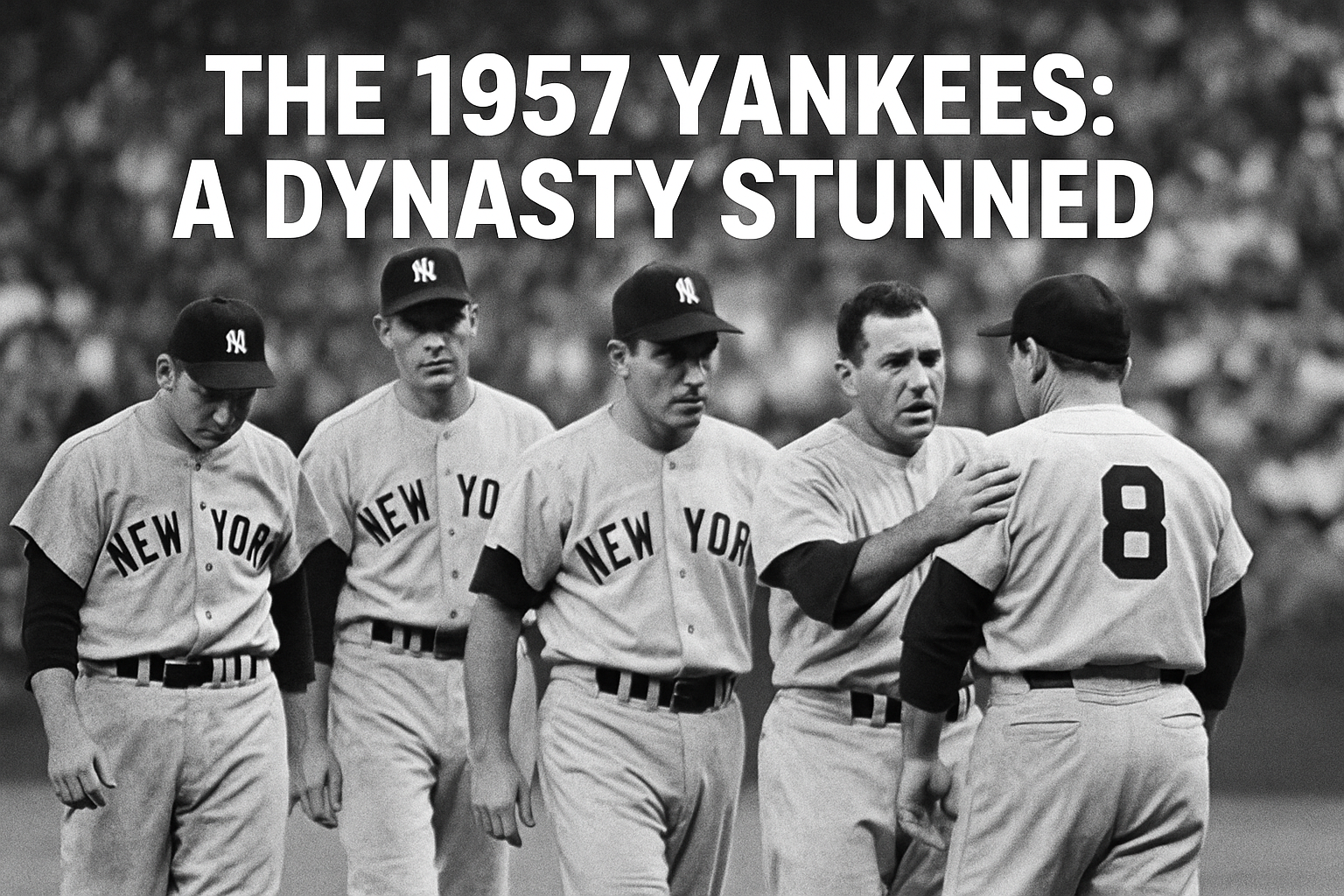
The New York Yankees are synonymous with baseball excellence, boasting a prolific history filled with legendary players and formidable teams. However, few seasons epitomize the combination of dominance and surprise quite like the 1957 Yankees. The 1950s were largely dominated by this powerhouse franchise that claimed multiple World Series titles and maintained a competitive edge unmatched by most of their rivals. Yet, the 1957 season stood as a striking deviation from expected norms. The thunderous prowess of the Yankees’ lineup, unparalleled pitching rotation, and strategic management were all set to sustain their dynastic reign. As the season commenced, fans, sportswriters, and players all anticipated another championship run, aligning with the Yankees’ reputation. Little did they know, an unexpected twist would leave an indelible mark on the storied franchise.
During this era, the Yankees were in the midst of an illustrious period of success, spearheaded by iconic figures such as Mickey Mantle, Yogi Berra, and Whitey Ford. The franchise’s stature and success became not merely a measure of baseball achievement but a cultural stronghold within America. This cast a large shadow over the events set to unfold. The 1957 season was packed with high expectations, thriving on the momentum of previous victories. However, the narrative of this season is not solely defined by triumph but also by the unforeseen challenges and moments of adversity that arose. By delving into this unique period, one explores the gritty aspects of the Yankee ethos, examining how unprecedented dynamics played out on the grand stage of baseball. In short, the tale of the 1957 Yankees is one of stunning twists and enduring lessons.
Roster Strength: An Unmatched Lineup
The Yankees entered the 1957 season with a lineup that was as formidable as any in baseball’s illustrious history. Mickey Mantle, the reigning MVP, was at the height of his career. Known for his undeniable power and explosive speed, Mantle became the cornerstone of the Yankees’ offensive might. He was part of an outfield that was both talented and experienced, with Hank Bauer and Enos Slaughter providing depth and skill. The infield was equally robust, featuring standout athletes like Gil McDougald, and future Hall of Famer Yogi Berra as a dynamic catcher. Each player brought a unique blend of agility, strategic acumen, and unwavering determination, crafting a synergistic force on the field. Coupled with Casey Stengel’s managerial expertise, the team’s blend of stars and discipline seemed destined for another championship glory.
The Yankees’ incredible pitching staff added another layer of dominance to the roster. Whitey Ford stood as the uncontested ace, applying both finesse and precision in his role. Other notable figures included Don Larsen, who brought creative pitches and contributed significantly in critical games. These pitchers were backed by a solid bullpen, which could adeptly handle high-pressure situations. This robust pitching lineup fortified the Yankees’ position as favorites to clinch the pennant. With all elements of their lineup firing on all cylinders, they were poised to continue the staggering success that characterized the Yankees’ franchise over the years.
The Major League Challenge
The Yankee competitors in 1957 were no ordinary opponents. The Braves, with players like Hank Aaron, provided a worthy challenge. Importantly, the National League teams sought to dethrone the perennial dominators with strategic pitches and cohesive team play. The Braves showcased tremendous skill and tactical efficiency. Managed by Fred Haney, they were propelled by an extraordinary roster that included the likes of Eddie Mathews and Warren Spahn. Each triumphant move made by the Braves heightened the stakes and presented significant hurdles during crucial games. Their ability to execute their game plan effectively became a formidable challenge for the Yankees, who had been accustomed to dominating their league without significant resistance.
The Yankees’ American League competitors also elevated their performance. The Detroit Tigers and Chicago White Sox intensified the regular season’s competition, innovating strategies, youth development, and player acquisitions. The American League champion title that seemed like a formality became a closely contested honor. Throughout the season, opponents openly analyzed the chinks in the Yankees’ armor, focusing on their performance consistency and using crowd energy to unsettle them during pivotal plays. The overall challenge from counterparts across the league notably escalated, elevating game plays and demanding peak performance from each Yankee.
Key Season Moments
The 1957 season was replete with definitive moments that underscored the dynamic nature of baseball. Mickey Mantle, dubbed “The Commerce Comet,” showcased his ability to change the tide of games, continually impressing spectators. However, the season unveiled surprising intricacies as well. The Yankees experienced uncharacteristic challenges such as injuries and untimely performance dips, impacting momentum during crucial stretches. These elements revealed vulnerabilities that opponents sought to exploit, paving the way for intensive matches that defined the season’s progress.
The Yankees’ resilience was tested during the Games of August, often described as the season’s turning point. Key matches, particularly those battling for the pennant, set the stage for a tougher than anticipated pursuit. The team weathered rough patches during this period, yet the players relentlessly harnessed their competitive spirit and commitment to excellence. Dramatic plays, extra-inning games, and unexpected moments all contributed to defining the 1957 season. Amid heightened fierce competition, the players continually demonstrated relentless resolve, navigating the balance between expectation and execution.
The World Series Showdown
The pinnacle of the 1957 Yankees season was the World Series faceoff against the Milwaukee Braves. The gripping seven-game series challenged each team’s strategic mastery and skill differential. The Yankees entered determined to capture another title, facing an equally determined Braves team sparked by Hank Aaron’s supreme talent. Each game of the series was a battle, showcasing moments of sheer athletic brilliance and strategic depth. The tight, high-stakes matches witnessed shifting dynamics and strategies that kept fans on the edge of their seats.
The Braves’ prowess challenged every Yankee play, exploiting opportunities and displaying outmatched endurance. Key series moments tested the Yankees’ strategic acumen amidst unexpected scores, highlighting key aspects like bullpen management and field positioning. Despite the Yankees’ best efforts, which included stellar plays and hard-fought victories, the Braves subtly outmaneuvered them across the games. Sporadic Yankee defensive lapses along with opposition brilliance culminated in an unforgettable showdown. Ultimately, the Braves triumphed and clinched the championship in a triumphant finale that stunned the New York franchise and its fervent following.
The Yankees’ Reaction and Reflections
The aftermath of the World Series loss was profound, offering a reflective pause for the Yankees’ organization and fans alike. The loss initiated detailed scrutiny of gameplay, roster management, and strategic dynamics from both media and enthusiasts. Manager Casey Stengel was at the center of discussions, and his strategies were dissected as the Yankees pondered what went awry. Though the team had passion and skill in abundance, the unexpected loss initiated thoughts on adaptive strategies to advance into the next seasons.
This loss galvanized the Yankees’ organization to review personnel; expectations linked heavily to retaining their formidable reputation. Beyond managerial introspection were plans to reinforce with new talents, adjustments to batting and pitching strategies, and focusing on improving cohesion. It marked potentially revitalizing opportunities to reform structures on and off the field to mitigate future shortfalls. Despite the setback, the franchise, with its monumental legacy, held a fierce commitment towards reclaiming glory in subsequent seasons.
Conclusion
The 1957 New York Yankees season stands as an illuminating chapter in the annals of baseball history. The team’s journey highlights essential insights about the nature of competitive sport, illustrating resilience amidst unpredictability. Despite possessing an exceptional roster and an innate will to triumph, instances of vulnerability exposed during crucial moments extended valuable lessons. Competitors demonstrated that detailed preparation and ability can indeed exceed reputation, upending presumptive forecasts. The Yankees’ fierce competitive spirit, however, remains the touchstone of this storied season, illustrating the team’s unwavering commitment.
Ultimately, the 1957 Yankees season reminds sports enthusiasts and analysts of the inherent excitement that defines baseball; its unpredictable outcomes and memorable stories endure in the hearts of fans. Not merely content with resting on laurels, the Yankees’ subsequent seasons reinforced their lasting legacy and monumental familial culture. A dynasty interrupted by a year of paradoxical stuns embraced rejuvenation. It reflected a journey filled with monumental peaks and rigorous examinations, imbued with the rich cultural heartbeat surrounding baseball and its ever-enduring captivating charm.
The saga of the 1957 Yankees remains a profound segment of the larger narrative arched by determination and pursuit — a timeless reminder of the nuanced possibilities that can unfold on the grand stage of baseball history. The emphasis was on crafting a competitive edge, endurance, and agility to adapt to dynamic challenges, ultimately shaping a franchise that remains a beacon of athletic excellence and perseverance in the face of formidable odds.
Frequently Asked Questions
1. What made the 1957 Yankees a unique team in their history?
The 1957 Yankees were a distinctive chapter in the storied history of this iconic franchise, renowned for their excellence in Major League Baseball. With a legacy built on legendary players and consistent victories, every Yankees team carried expectations of dominance. However, the 1957 season was a year that deviated from their norm, bringing about unexpected challenges and events that set it apart from their many triumphs. Most notably, they were coming off a stretch of four consecutive World Series victories (1950-1953) and an overall decade that was defined by mastery and baseball brilliance. Yet, the Yankees in 1957 faced stiffer competition from the Milwaukee Braves, marked by the Braves’ potent roster and the Yankees’ own internal issues, which tested the franchise’s legendary resilience and adaptability. Ultimately, the 1957 Yankees represented a blend of typical dominance fraught with unforeseen adversity, painting a richer, more human dimension to their legendary reputation.
2. How did the Yankees perform during the 1957 season, and what were the key challenges they faced?
In 1957, the New York Yankees showcased their typical prowess throughout the regular season, continuing to hold a dominant position in the American League. Key players like Mickey Mantle and Yogi Berra continued to perform exceptionally well, leading the team with their all-star skills and undeniable charisma. However, despite their impressive efforts on the field, the Yankees faced stern competition, not just within the league but from their growing ambitions for yet another World Series title.
The World Series of 1957 brought them face to face with the Milwaukee Braves, a team bolstered by the explosive talent of Hank Aaron. The series played out as a fiercely fought contest, with the Yankees struggling to maintain their usual dominance and composure against the Braves’ energetic and determined play. It was a series marked by critical moments that saw the Yankees unable to clinch victory as they had in previous years, ultimately losing to the Braves in a thrilling seven-game showdown. This defeat not only marked an end to their World Series ambitions for that year but served as a reality check for a franchise that had been so accustomed to victory; it was a year’s lesson in humility and resilience.
3. Who were the standout players for the Yankees during the 1957 season, and how did they contribute to the team?
During the 1957 season, the New York Yankees were graced with an ensemble cast of baseball legends who left indelible marks on each game they played. Mickey Mantle, an iconic baseball figure noted for his switch-hitting prowess and explosive athleticism, was undoubtedly a centerpiece for the team, continuing to raise the bar with his outstanding skills, which he demonstrated with a .365 average, illustrating his extraordinary capability to power past opponents.
Another pivotal figure was Yogi Berra, the acclaimed catcher known for his leadership on and off the field. Berra’s influence was not only felt in his behind-the-plate expertise but also in his roles as a motivator and elder statesman who embodied the spirit of the Yankees. Together, Mantle and Berra, along with other talented teammates like Whitey Ford, offered both a formidable presence in the dugout and on the field. Though, despite their tremendous individual performances, the collective performance ultimately fell short when confronted with the resolute Milwaukee Braves. Yet, these players’ contributions were crucial in maintaining the Yankees’ reputation as perennial title contenders even in seasons of upheaval.
4. How did the Yankees’ management respond to their loss in the 1957 World Series, and what changes followed?
The Yankees’ management, known for its unyielding pursuit of excellence and adaptation, faced a significant period of reflection and response following the unexpected defeat in the 1957 World Series. The leadership took the loss seriously, recognizing the need for transformation both in strategies and personnel to ensure the return to their dominant standing. This response, naturally, involved scrutinizing every aspect of the franchise, from the coaching strategies down to the player roster adjustments, all aimed at not just recapturing their former glory but also learning from the shortcomings that had surfaced.
In the subsequent season, the management implemented key changes, which included an infusion of new talent and strategic redirections aimed at revitalizing their competitiveness. This period catalyzed an exploration of innovative approaches to the game plan, which would set the groundwork for their resurgence in the coming years. The adaptability and forward-thinking attitude of Yankees’ leaders allowed the team not only to learn from their shortfall but to emerge stronger, effectively setting a precedent for handling setbacks wisely and successfully.
5. What legacy did the 1957 season leave on the Yankees franchise and its fanbase?
The 1957 season left a multifaceted legacy on the New York Yankees, imparting valuable lessons about resilience, the importance of adapting in the face of challenges, and the reality that even the most successful franchises can encounter rough patches. For the Yankees, a team deeply linked with perennial success, this season highlighted the fact that achieving and maintaining a dominant status requires constant evolution and re-evaluation.
For the fanbase, which had grown accustomed to an almost uninterrupted series of victories, the season instigated a mixture of introspection and renewed allegiance. Fans were reminded of the volatile nature of sports, where glory can swiftly be upended by defeat. Nevertheless, this loss only deepened the Yankees’ storied lore and underscored the humanity behind the players and the organization at large. While the bitter taste of the 1957 defeat lingered, it ultimately fortified the fans’ loyalty and anticipation for future glories and forged a more profound connection to the ideals of perseverance and excellence, central to the Yankees mythos. It was a testament to the franchise’s enduring charisma and unmatched capacity to bounce back from adversity, embodying the essence of what it truly means to be part of the Yankees’ legacy.