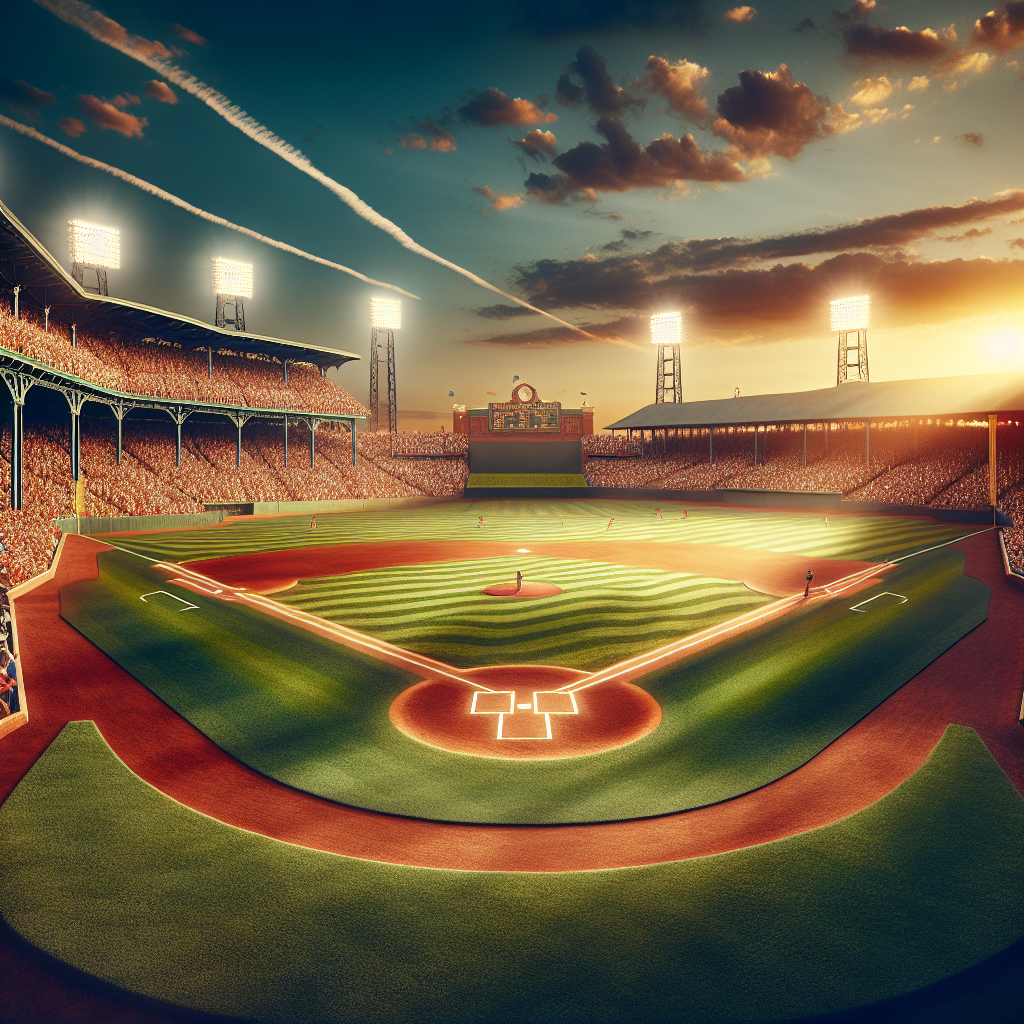
For over a century, Sportsman’s Park served as a beacon for baseball in St. Louis. This iconic ballpark is steeped in history, embodying the spirit of America’s pastime. From its inception in the mid-19th century to its final days in the 1960s, Sportsman’s Park was a hallowed ground for many baseball legends and unforgettable moments. This article will delve into the rich history of Sportsman’s Park, exploring its origins, its significance to St. Louis, and the monumental events that occurred within its walls.
Baseball fans and historians alike can appreciate the significance of this park. Originally constructed in 1867, Sportsman’s Park was the third home to the St. Louis Brown Stockings, later known as the Cardinals, and played host to numerous teams over the years. With its unique architectural features and the palpable energy from the crowds, the park was more than just a sports venue—it was a landmark in American baseball history.
For generations, this park was a place where dreams were realized and history was made. It saw the evolution of baseball, from its early, more rudimentary form to the modern era, and was the site of countless historic games. This article will offer a comprehensive look at this institution, sharing stories, milestones, and notable figures associated with Sportsman’s Park, and examining its legacy within the baseball community.
The Early Years: Foundation and Growth
Sportsman’s Park was founded in 1867, situated in the heart of St. Louis. During its early years, the park was a modest facility, reflective of the era’s more simplistic approach to stadium architecture. Initially, it served local amateur clubs before becoming the home of the St. Louis Brown Stockings. The park’s location was somewhat unconventional, nestled in a residential area, which lent a unique charm to the entire experience.
As baseball grew in popularity, so did the need for improved facilities. Sportsman’s Park underwent several renovations in the late 19th and early 20th centuries to accommodate larger crowds and offer better amenities. By the early 1900s, the park had evolved into one of the premier baseball venues in the country. The new wooden grandstands and additional seating made it a prime location for major league teams.
In 1902, the St. Louis Browns of the American League moved into Sportsman’s Park, sharing the venue with the National League’s Cardinals. This unusual arrangement, where two major league teams shared the same ballpark, was a testament to the growing popularity of the sport and the versatility of Sportsman’s Park. The park became a bustling hub of baseball activity, fostering a healthy rivalry between the two teams and their fans.
Major Renovations and the Golden Era
By the 1920s, baseball had become a major American pastime, and St. Louis was no exception. In 1920, the Cardinals purchased the park and over the following years, significant renovations transformed the venue into an architectural marvel of its time. Steel and concrete replaced the old wooden structures, and the seating capacity was increased to accommodate up to 30,000 spectators.
Sportsman’s Park was one of the first ballparks to install a comprehensive lighting system, allowing for night games. This innovation not only increased attendance but also added a new dimension to the game, with evening matchups becoming a staple in baseball schedules. The park’s unique features, such as the iconic “Pavilion Roof” that offered shade and protection for fans, became iconic symbols of the venue.
The 1920s and 1930s marked a golden era for Sportsman’s Park as it witnessed numerous historic moments. Babe Ruth, one of the most storied figures in baseball, hit several of his legendary home runs here. The park also hosted several World Series games, with the Cardinals emerging as formidable contenders in these championship matchups.
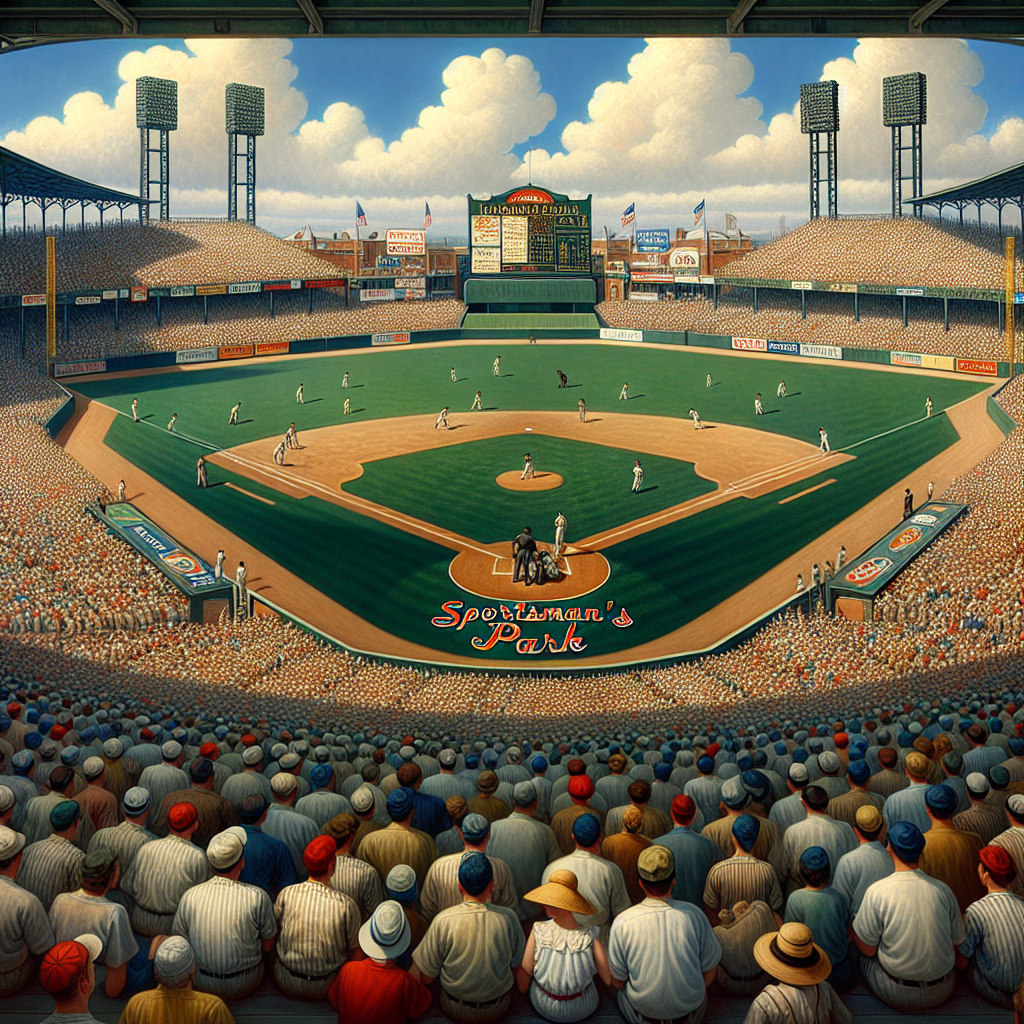
World War II and Beyond: A Changing Landscape
The years following World War II brought significant changes to Sportsman’s Park and the city of St. Louis. The park served as a morale booster during the war, hosting numerous patriotic events and military appreciation games. Baseball provided an escape for many Americans during those challenging times, and Sportsman’s Park was at the heart of it all.
However, post-war America saw shifts in urban landscapes and entertainment venues. The rise of television changed how Americans consumed sports, and many older ballparks struggled to keep up with the new demands. Despite these challenges, Sportsman’s Park remained a beloved venue, continually drawing large crowds and housing memorable games.
In 1953, the St. Louis Browns faced financial difficulties and relocated to Baltimore, becoming the Orioles. This left the Cardinals as the sole occupants of Sportsman’s Park. The Cardinals’ ownership made substantial investments to keep the park modern and competitive, but by the late 1950s, it was clear that a new, more modern facility was needed to meet the demands of a post-war audience.
The Final Years and Legacy
As the years progressed, it became increasingly apparent that Sportsman’s Park, despite its storied past, could no longer meet the needs of modern baseball infrastructure. In 1966, after nearly a century of service, the Cardinals played their final game at Sportsman’s Park before moving to the newly constructed Busch Stadium.
The demolition of Sportsman’s Park marked the end of an era for St. Louis baseball, but its legacy lived on. Many of the game’s greatest moments and players were forever etched into the annals of baseball history within this iconic venue. From Sandy Koufax’s masterful pitches to Stan Musial’s legendary hits, the echoes of Sportsman’s Park can still be heard in the baseball community today.
The site where Sportsman’s Park once stood is now home to a recreational facility, but for many fans and historians, the memories of the park continue to hold a special place in their hearts. The impact of Sportsman’s Park on the city of St. Louis and the world of baseball is immeasurable. It was not just a sports venue but a symbol of the enduring spirit of America’s national pastime.
Conclusion: A Lasting Impact
Sportsman’s Park was more than just a location; it was an integral part of the baseball world that impacted players, fans, and the community of St. Louis. The park’s history is a testament to the evolution and growth of baseball in America. It stood as a symbol of resilience, community, and the undying love for the game. Even though the park no longer exists, its memories and contributions to the sport will be cherished forever.
From the early days of the Brown Stockings to the last pitch by the Cardinals, Sportsman’s Park remained a beloved institution in St. Louis. The stories and legends that emerged from its diamond are still recounted by baseball enthusiasts today. Through its many transformations, upheavals, and triumphs, Sportsman’s Park mirrored the broader changes in both the sport and American society.
The spirit of Sportsman’s Park lives on in the hearts of those who witnessed its magic. It played a pivotal role in cultivating the rich baseball heritage that St. Louis is known for today. Iconic ballparks like Sportsman’s Park are hallowed grounds that preserve the history of baseball, ensuring that future generations understand and appreciate the sport’s glorious past.
Frequently Asked Questions
1. What is the historical significance of Sportsman’s Park in St. Louis?
Sportsman’s Park not only served as a baseball venue but also as a cherished part of St. Louis’s cultural and social history. Established in the mid-19th century, it became a foundational part of baseball’s early days, helping to solidify the sport as America’s pastime. Over its long history, Sportsman’s Park was home to both the St. Louis Cardinals and Browns, hosting countless historic games. Players like Stan Musial, Dizzy Dean, and other legendary figures graced its field. The park was synonymous with seasons filled with triumphs, trials, and transformations, witnessing the evolution of baseball through its most formative decades. It was an integral element to the local community’s sports culture and a beloved gathering place for fans and families.
2. Which teams played their home games at Sportsman’s Park?
Sportsman’s Park had the distinct honor of hosting two Major League Baseball teams over its storied history: the St. Louis Browns and the St. Louis Cardinals. The Browns played their home games at the park starting in the early 20th century before eventually relocating and becoming the Baltimore Orioles. Meanwhile, the Cardinals made Sportsman’s Park their home from 1920 until 1966, establishing themselves as one of baseball’s most successful and enduring franchises. The shared history of these teams created vibrant rivalries and reinforced the park’s status as a pivotal site in baseball lore. The presence of both American League and National League teams meant fans could indulge in a full spectrum of baseball excitement.
3. What notable events took place at Sportsman’s Park?
Sportsman’s Park hosted numerous significant events that contributed to its legendary status. Beyond regular season games, one of its standout occasions was the 1944 all-St. Louis World Series. In this unique matchup, the Cardinals faced off against the Browns, a true demonstration of the city’s baseball fervor. Additionally, the park was the site of record-setting performances, including Bob Gibson’s remarkable efforts on the mound, as well as groundbreaking moments such as the integration of black players into Major League Baseball. Each event underscored the park’s role as a stage for pivotal moments in sports history, reflecting broader social changes and helping to shape the game we know today.
4. What led to the closure of Sportsman’s Park?
The closure of Sportsman’s Park in the 1960s was primarily driven by the need for modern facilities and the growing demands of professional sports. As baseball evolved and the capacity for larger crowds increased, the park, while iconic, no longer met the requirements for a contemporary venue. This led to the construction of Busch Memorial Stadium, which became the new home for the Cardinals in 1966. The transition reflected a broader trend in mid-century America where new stadiums symbolized progress and modernization. Even as Sportsman’s Park closed its doors as a baseball venue, its legacy and the memories it created remained etched in the fabric of St. Louis’s rich sporting tradition.
5. How has Sportsman’s Park impacted the community in St. Louis?
Sportsman’s Park was much more than just a baseball stadium; it was a community centerpiece in St. Louis. For over a century, it served as a gathering place where people from all walks of life came together to share in the excitement of America’s pastime. The park fostered a spirit of unity and pride among St. Louis residents, contributing to the city’s strong baseball culture and identity. Local businesses around the park thrived on game days, and many lifelong memories were made by fans who attended games with family and friends. Even today, the legacy of Sportsman’s Park lives on in the collective memory of St. Louis, reminding us of the deep connections sports can create between a city and its people.