For countless baseball fans, Shea Stadium remains an iconic landmark, not only for being the home of the New York Mets but also for its role in the history and culture of Major League Baseball. Opened in 1964, Shea Stadium was more than just a ballpark; it was a communal space where memories were made, legends were forged, and the spirit of New York was captured. From hosting countless unforgettable Mets moments to legendary concerts, Shea Stadium carved out its place in the hearts of many. In this article, we’ll take an in-depth look at the history of Shea Stadium, its architectural marvels, significant events, fan experiences, and its eventual replacement by Citi Field.
The Birth of Shea Stadium
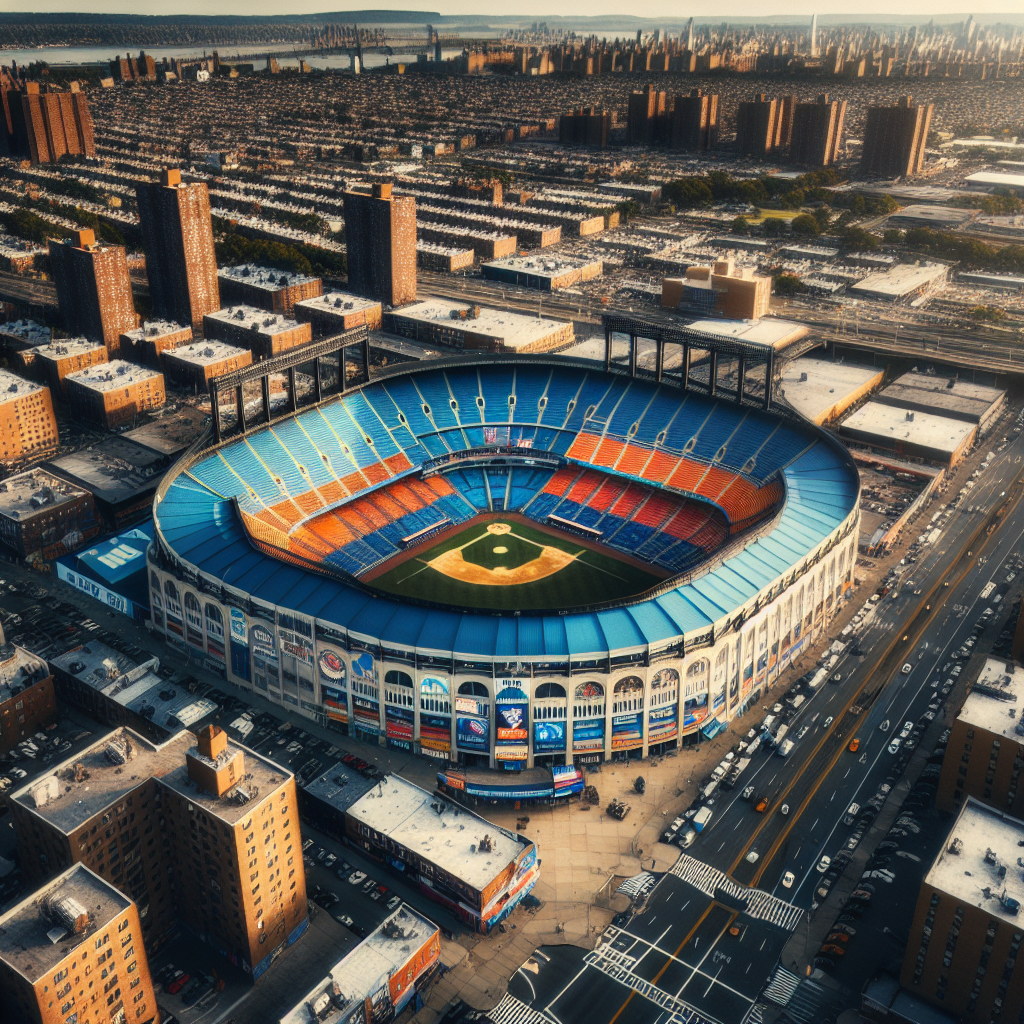
Named after William A. Shea, who was instrumental in bringing National League baseball back to New York after the departure of the Giants and Dodgers, Shea Stadium was a symbol of revival for the city’s baseball community. Construction began in 1961 in Flushing Meadows-Corona Park, Queens, and the stadium officially opened its doors on April 17, 1964. Designed by the renowned architecture firm Praeger-Kavanagh-Waterbury, the stadium was originally supposed to feature a retractable roof, but budget constraints hindered this ambitious plan. Instead, it became known for its circular shape, which gave every spectator a fair view of the action taking place on the field.
The architectural design set Shea Stadium apart from other ballparks of the era. The exterior featured a distinctive blue and orange motif that echoed the vibrant spirit of the Mets. Additionally, Shea Stadium was one of the most modern ballparks of its time, boasting amenities such as escalators, an advanced scoreboard, and expansive seating arrangements that could accommodate over 55,000 fans. The stadium was also a multi-purpose venue, capable of hosting football games, concerts, and various other events, reflecting the versatility and dynamism of its design.
Memorable Mets Moments
From its opening day, Shea Stadium became a stage for innumerable Mets moments that have gone down in baseball lore. One of the earliest iconic moments was the 1969 Miracle Mets season, where the Mets, considered underdogs, clinched their first World Series title against the Baltimore Orioles. This triumphant season not only brought immense joy to the Mets’ fan base but also solidified Shea Stadium’s legacy as a place where miracles happen.
The 1986 World Series further cemented Shea Stadium’s status as a theater of baseball drama. Game 6 of the series against the Boston Red Sox will forever be remembered for the infamous Bill Buckner error, allowing the Mets to make a stunning comeback and eventually win the championship in Game 7. The roar of the crowd, the jubilation, and the electric atmosphere of Shea Stadium during that series are still talked about by those who witnessed it.
Beyond World Series triumphs, Shea Stadium was home to numerous other memorable moments, such as Tom Seaver’s striking dominance, Dwight Gooden’s exceptional pitching performances, and Mike Piazza’s historic post-9/11 home run. Each of these instances contributed to the mystique and charm of Shea Stadium, making it a hallowed ground for baseball enthusiasts.
The Fan Experience at Shea Stadium
Attending a game at Shea Stadium was an experience unto itself, with fans from all walks of life coming together to enjoy America’s pastime. From the moment one approached the stadium, the energy was palpable. The sounds of vendors hawking peanuts and Cracker Jack, the smell of hot dogs and pretzels wafting through the air, and the sight of fans decked out in orange and blue created a sensory overload that was uniquely Shea.
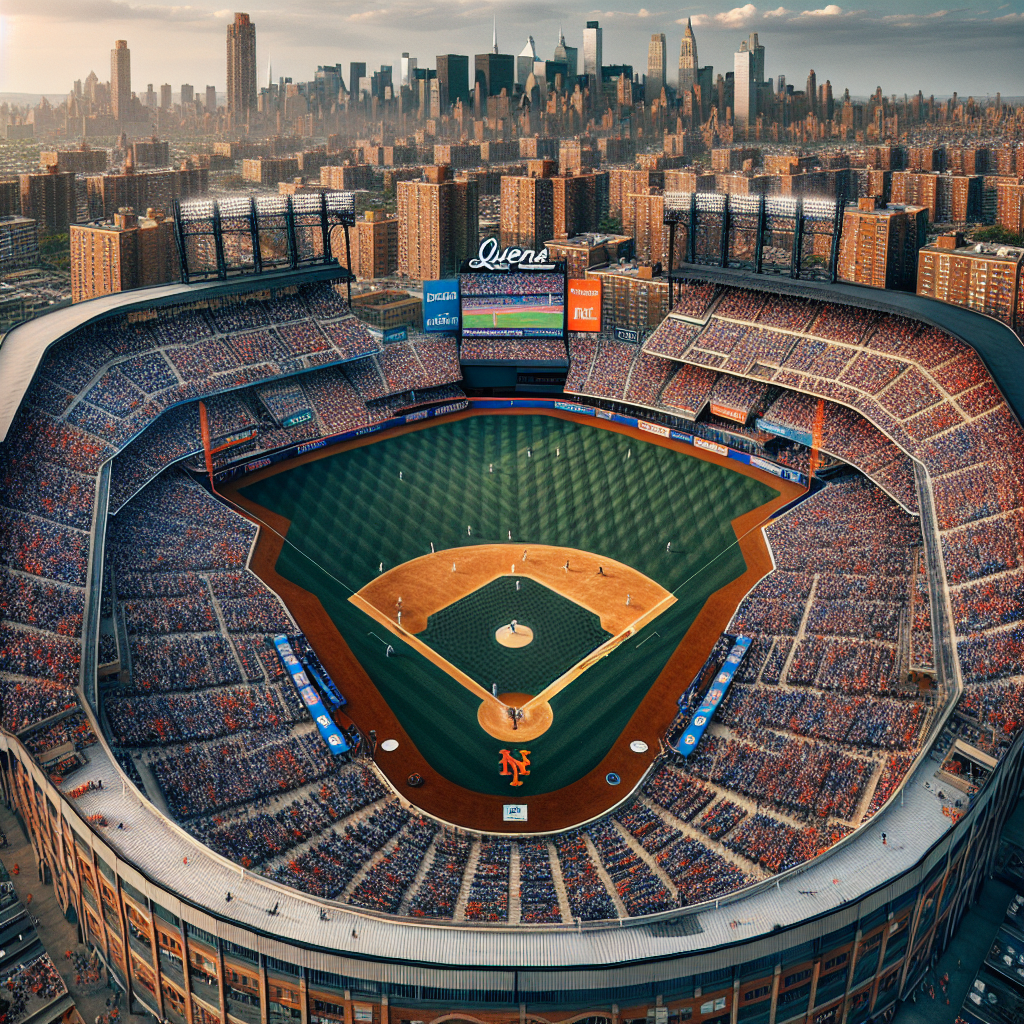
Inside the stadium, the atmosphere was just as vibrant. The field was surrounded by brightly colored seats that seemed to create a sea of enthusiastic and passionate fans. The legendary “Shea Shake” could often be felt, especially during crucial moments when the stands would literally tremble from the fans’ excitement. The enormous scoreboard in right field provided real-time updates, while the massive video screen allowed fans to relive key moments instantly.
Shea Stadium was also known for its unique traditions and quirks. The Home Run Apple, which popped up in center field whenever a Mets player hit a homer, became an iconic fixture. Fans also loved the 7 Line Army, a dedicated group of Mets supporters who brought an extra layer of excitement and camaraderie to the games. These elements combined to make a visit to Shea Stadium a memorable and enjoyable experience for every baseball fan.
Other Historic Events at Shea Stadium
While primarily known as the home of the New York Mets, Shea Stadium also carved out its place in history with a series of notable events beyond baseball. The stadium was a popular venue for concerts, hosting some of the biggest names in music. The Beatles’ 1965 concert at Shea is often considered one of the most significant events in rock history and is remembered for the overwhelming fan response that nearly drowned out the music.
Shea Stadium also played host to Pope John Paul II’s papal visit in 1979, which attracted a massive crowd and was a deeply moving event for the attendees. The venue’s versatility was further proven by hosting NFL games, serving as the home field for the New York Jets until 1983. Additionally, it hosted soccer matches, boxing events, and even a mass by Evangelist Billy Graham.
These non-baseball events showcased Shea Stadium’s ability to bring people together for various forms of entertainment and cultural significance. The stadium was more than just a sports venue; it was a community hub that attracted fans from all walks of life, celebrating countless memorable occasions within its walls.
The Transition to Citi Field
By the early 2000s, Shea Stadium began to show signs of aging, and the need for a modern facility became apparent. In 2006, the Mets announced plans for a new ballpark to be built adjacent to Shea Stadium. Named Citi Field, this new stadium aimed to provide fans with a more contemporary and comfortable game-day experience while paying homage to the Mets’ history.
Shea Stadium’s last game was played on September 28, 2008, with a closing ceremony that honored the stadium’s storied past. Many former players and managers returned to bid farewell to a place that had been their home for decades. The demolition of Shea Stadium began in October 2008 and was completed by February 2009, making way for Citi Field to open in April of the same year.
Citi Field, with its state-of-the-art facilities, offered modern amenities, better sightlines, and numerous fan-friendly features. It was designed with inspiration from baseball’s classic ballparks, incorporating elements that created a sense of nostalgia while providing a better overall experience for today’s fans. However, for many, Shea Stadium will always hold a special place in their hearts as the original home of the New York Mets.
Legacy and Impact of Shea Stadium
The impact and legacy of Shea Stadium extend beyond its physical existence. It played a crucial role in the resurgence of baseball in New York City and provided a setting for some of the most unforgettable moments in sports history. Shea Stadium stood as a testament to the passionate fan base of the Mets and the enduring spirit of the game.
Moreover, Shea Stadium was an integral part of the local community in Queens. It brought economic benefits to the area, creating jobs and attracting visitors from all over the country. The stadium’s presence also fostered a sense of pride and identity among residents who saw it as more than just a sports venue.
Even though Shea Stadium no longer stands, its spirit lives on through the memories of those who experienced its magic. Citi Field pays homage to its predecessor with various tributes, including the original Home Run Apple and exhibitions of Shea’s history within the new stadium. These efforts ensure that the legacy of Shea Stadium continues to be celebrated and remembered by future generations.
Conclusion
Shea Stadium holds a unique and cherished place in the annals of baseball history. From its inception and architectural marvels to the unforgettable moments it hosted and the passionate fans it welcomed, Shea Stadium was more than just a ballpark; it was an institution. It witnessed the highs and lows, the miracles, and the memories that define the essence of sports. While it may have been replaced by the modern Citi Field, the legacy of Shea Stadium endures, etched in the hearts of those who experienced its magic.
As we reflect on Shea Stadium’s history, it’s clear that this iconic ballpark was not just a place to watch baseball but a cultural landmark that resonates with generations of fans. Whether it was the roars of victory, the shared excitement of a milestone, or the simple joy of a day at the ballpark, Shea Stadium provided a backdrop for moments that will forever be cherished. Its enduring impact and legacy continue to inspire and remind us of the timeless connection between baseball and the communities it serves.