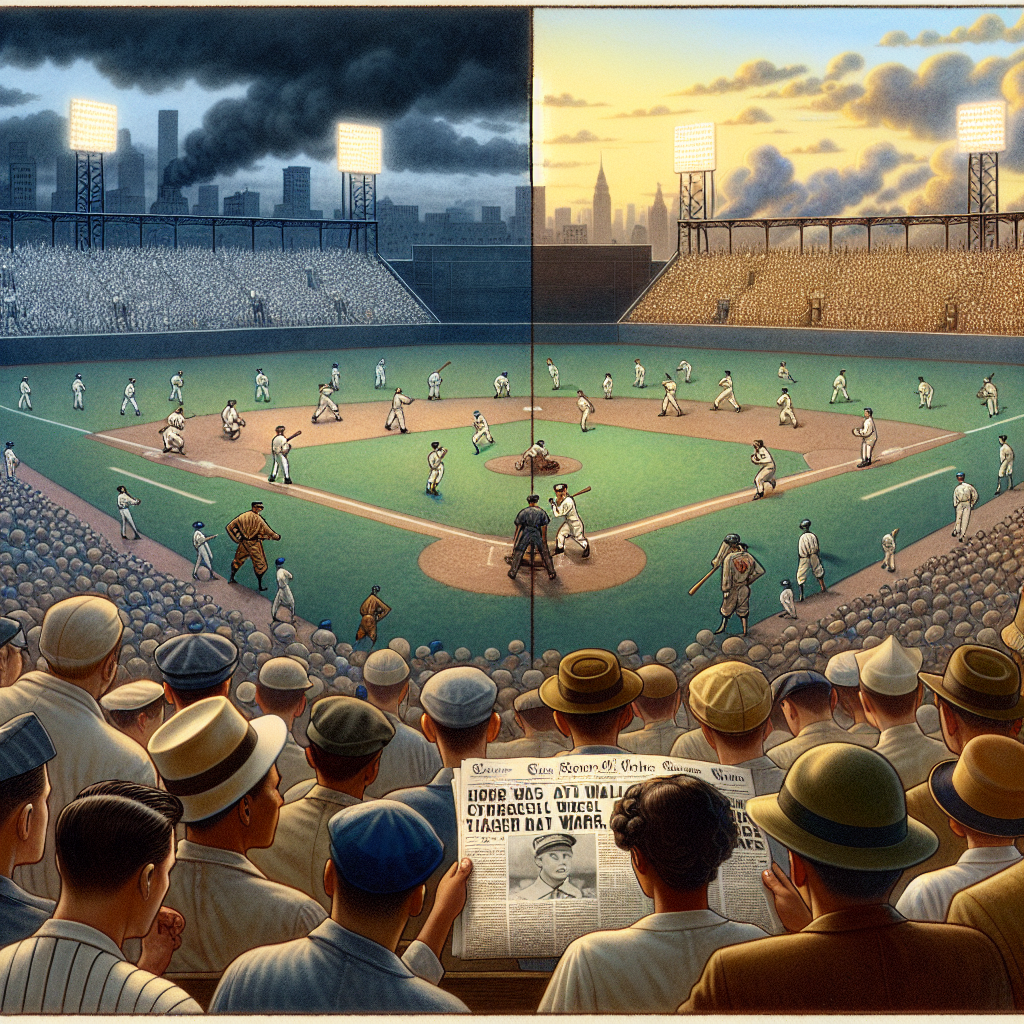
The end of World War II marked a significant turning point in the history of baseball. The war had disrupted the lives of many players and fans alike, with numerous athletes serving in the military and baseball seasons facing interruptions. As peace returned, the sport faced both opportunities and challenges in adapting to the post-war era. The late 1940s and early 1950s were a transformative period that saw a renaissance in the popularity of baseball, as well as critical changes that shaped the future of the game.
One significant impact of the war was the return of star players who had enlisted in the armed forces. Icons like Ted Williams, Joe DiMaggio, and Bob Feller resumed their careers, rejuvenating the game and bringing fans back to the ballparks. Their return was celebrated nationwide, as it not only marked the resurgence of baseball but also symbolized the return to normalcy for numerous American families touched by the war.
As joyous as the return of players was, the sport simultaneously encountered considerable changes and challenges. The demographics and culture of the nation were evolving, prompting baseball to adapt in myriad ways. Attendance figures surged, television emerged as a new medium for broadcasting games, and societal shifts around race and integration began to challenge the longstanding norms within the sport.
This article explores the significant changes and challenges that characterized post-war baseball. We will look at how the return of players invigorated the sport, the impact of television, the struggle for racial integration, the introduction of night games, and the overall economic ramifications for the league and its franchises. Understanding this era is crucial in appreciating how baseball evolved into America’s pastime, reflecting the broader societal changes of the time.
The Return of Star Players
When World War II ended, one of the most significant and immediate impacts on baseball was the return of its star players. Many of the era’s greatest athletes had enlisted, and their absence during the war significantly impacted the quality of play and fan engagement. Names such as Ted Williams, Bob Feller, and Joe DiMaggio were more than just sports heroes; they were national icons. Their return brought renewed energy to the sport.
Ted Williams, for instance, who served as a pilot in the Marine Corps, made an immediate impact upon his return, continuing to display the extraordinary hitting prowess that defined his career. Similarly, Bob Feller, a Navy gunner, resumed his dominance on the mound, once again baffling hitters with his powerful fastball.
Fans flocked to stadiums in immense numbers to see these returning heroes. The emotional significance of their return went beyond the game itself; it was a symbol of recovery and optimism. These players epitomized the resilience and fighting spirit of a nation that had just overcome a monumental global conflict. The return of these stars was, in many ways, a pivotal element in re-igniting the nation’s passion for baseball.
In addition to rekindling public interest, the return of star players also had a beneficial effect on the competitive nature of the game. The presence of these talented athletes raised the level of competition, providing fans with thrilling and memorable performances. The excitement generated by their return played a crucial role in baseball’s transition from wartime to peacetime, setting the stage for the dynamic changes that were to follow.
The Advent of Television
One of the most transformative changes in post-war baseball was the advent of television broadcasting. Prior to the war, radio was the primary medium through which fans followed the game. However, the post-war economic boom saw an increase in television ownership, and baseball quickly seized upon this new medium to expand its reach.
Television brought the game into the living rooms of millions of Americans, and it fundamentally changed how the sport was consumed. Fans who could not attend games in person now had the opportunity to watch live broadcasts, making the sport more accessible than ever before. This exposure played a significant role in boosting the popularity and commercial viability of baseball.
The first televised baseball game occurred during the 1939 World Fair, but it wasn’t until the late 1940s that regular broadcasts became common. Initially, teams were hesitant to televise home games, fearing it would deter attendance. However, they soon realized that TV provided an unparalleled platform for marketing the sport and its stars.
The impact of television extended beyond just increased viewership. It ushered in new forms of revenue through broadcasting rights deals, fundamentally altering the business model of baseball. Teams and leagues began to recognize the immense potential of television as a source of income. This newfound revenue helped stabilize franchises financially and allowed for greater investments in player development, stadium improvements, and fan engagement initiatives.
Television also played a crucial role in shaping the public personas of players. Icons like Mickey Mantle, Babe Ruth, and Jackie Robinson became household names, their exploits on the field reaching a national audience. This broader exposure contributed to the cultural embedding of baseball as America’s pastime, enhancing the sport’s cultural and social significance.

The Struggle for Racial Integration
Perhaps one of the most critical and challenging changes in post-war baseball was the struggle for racial integration. The sport had been segregated for decades, with African American players relegated to the Negro leagues, despite their undeniable talent and potential. The end of World War II marked the beginning of a societal shift towards greater racial equality, and baseball found itself at the forefront of this movement.
Jackie Robinson’s breaking of the color barrier in 1947 was a watershed moment, not only in baseball history but also in American history. As the first African American player in Major League Baseball (MLB) during the modern era, Robinson faced significant challenges, including racial abuse from fans and prejudice from some fellow players. Despite these obstacles, his exceptional skills and unyielding determination earned him Rookie of the Year honors and eventually led to widespread acceptance.
Robinson’s success paved the way for future African American and minority players. His bravery and talent helped to challenge and dismantle the racial barriers within the sport. His impact was felt both on and off the field, as his presence forced the nation to confront its prevailing racial prejudices.
While Robinson’s introduction to the MLB was a significant step forward, the integration process was slow and fraught with tension. Teams gradually began to sign African American players, and by the mid-1950s, every team had at least one non-white player. The journey towards full integration was marked by both triumphs and struggles, reflecting the broader civil rights movement that was gaining momentum across America.
The integration of baseball was more than a mere addition of talent to the rosters; it signaled a profound cultural shift within the sport and the country. It showcased the potential for sports to act as a catalyst for social change, highlighting how baseball, as America’s pastime, could also be a vehicle for progress and equality.
The Introduction of Night Games
Another significant change in post-war baseball was the introduction and proliferation of night games. Lighting systems capable of illuminating baseball fields were developed before the war, but their use became more widespread during the post-war period. This innovation transformed the scheduling and accessibility of games.
The first major league night game took place on May 24, 1935, when the Cincinnati Reds hosted the Philadelphia Phillies. However, it wasn’t until after World War II that night games became a regular feature. The implementation of stadium lights allowed baseball to expand its audience by accommodating those who could not attend day games due to work or other commitments.
Night games became an essential aspect of team schedules, as they attracted larger crowds and increased revenues. This change was particularly beneficial for urban teams, where the majority of the fanbase comprised working-class individuals who couldn’t afford to take time off for day games. The popularity of night games underscored the adaptability of baseball, positioning it to thrive in a post-war society that was becoming increasingly industrialized and urbanized.
The introduction of night games also had implications for television broadcasting. Evening broadcasts catered to a larger audience, as they were scheduled during prime viewing hours. Teams, sponsors, and television networks capitalized on this shift, further entrenching baseball’s presence in American homes.
Despite the initial resistance from traditionalists who believed baseball should only be played under natural light, night games quickly became an integral part of the sport. The success of this innovation reflected the willingness of major league baseball to embrace new ideas and technologies to enhance the fan experience and ensure the sport’s continued growth and relevance.
Economic Ramifications
The post-war period also had significant economic ramifications for baseball. The sport experienced an economic renaissance, driven by increased attendance, television revenue, and broader societal changes. These financial influxes allowed teams to invest in better facilities, player development, and marketing, enhancing the overall quality and appeal of the game.
One of the most noticeable economic changes was the rise in player salaries. The return of star players and the increased revenue from television broadcasts and larger crowds meant that teams were willing and able to offer more lucrative contracts. This period saw the early stages of the transformation of baseball into a multi-million-dollar industry, where player contracts and endorsements became substantial sources of income for athletes.
The booming post-war economy also allowed for the construction of new stadiums and renovation of existing ones. Iconic ballparks were built or modernized to accommodate growing crowds and provide a better spectator experience. The stadiums became more than just venues for watching baseball; they became integral parts of the community and symbols of the cities they represented.
Additionally, the economic health of baseball allowed for greater investments in minor league systems, ensuring a steady supply of talent for major league teams. This development contributed to the overall competitiveness and quality of the game, providing fans with higher levels of play and more exciting contests.
The economic boom also had a ripple effect on related industries. The increase in baseball’s popularity boosted sales for merchandise, memorabilia, and concessions. Advertising and sponsorship opportunities expanded, creating a commercial ecosystem that extended beyond the game itself.
The financial prosperity of baseball in the post-war period set the foundation for the modern era of the sport. It demonstrated the sport’s ability to adapt to changing economic conditions and positioned it for sustained growth and success in the decades to come.
Conclusion
The post-war era was a transformative period in the history of baseball, marked by significant changes and enduring challenges. The return of star players rejuvenated the sport, embodying the resilience of a nation recovering from the ravages of war. The advent of television broadcasting expanded baseball’s reach and introduced new revenue streams, fundamentally altering how the sport was consumed and commercialized.
The struggle for racial integration was perhaps the most profound change, as baseball became a battleground for broader societal shifts towards equality and justice. The bravery of pioneers like Jackie Robinson showcased the potential for sports to act as agents of social change, setting a precedent that transcended the game itself.
The introduction of night games and the economic prosperity of the period underscored baseball’s adaptability and capacity for innovation. These changes ensured that the sport remained relevant and accessible to a broader audience, solidifying its status as America’s pastime.
Ultimately, the post-war period laid the foundation for the modern era of baseball. The changes and challenges of this time not only shaped the sport’s trajectory but also reflected the broader cultural, social, and economic shifts occurring in America. Understanding this era is crucial in appreciating the evolution of baseball and its enduring significance in American society.
As baseball continues to evolve, the lessons and legacies of the post-war period remain relevant. The sport’s capacity to adapt, innovate, and serve as a platform for social change ensures its continued relevance and appeal. The history of post-war baseball serves as a testament to the enduring power and possibility of America’s favorite pastime.
Frequently Asked Questions
1. How did World War II impact baseball and its players?
World War II had a profound effect on baseball, as the sport had to adjust to the realities of a prolonged global conflict. Many professional players left to serve in the military, including stars like Ted Williams, Joe DiMaggio, and Stan Musial, which led to a talent drain in the major leagues. As a result, there was a noticeable dip in the quality of play during the war years, with teams often resorting to older players or those who were not considered major league caliber. The war also forced the league to make sacrifices, with travel restrictions due to fuel rationing and fewer night games to conserve electricity. Additionally, the league’s All-Star Game was canceled in 1945, and the minor leagues suffered greatly, with many teams disbanding temporarily or permanently due to financial constraints.
2. What were the primary challenges baseball faced in the immediate post-war period?
In the immediate aftermath of World War II, baseball faced several significant challenges as the players returned home and the game looked to rebuild and reignite its popularity. First and foremost was the reintegration of a large number of players who had served in the military; teams needed to reinstate these athletes, and this sometimes resulted in uncomfortable roster changes and negotiations. Financial recovery was crucial as well, as teams had faced financial difficulties during the war years and needed to rebuild their fan base, emphasize marketing efforts, and improve stadium facilities that had been neglected. Additionally, social changes were on the horizon that would reshape the sport, such as the integration of baseball, which began with Jackie Robinson breaking the color barrier in 1947. Finally, there was a need to adapt to new media technologies and broadcasting changes that would alter how fans consumed baseball games.
3. How did baseball address the need for reintegration and modernization after the war?
Baseball approached the challenge of reintegrating war veterans and modernizing itself through a blend of policies and innovations. To accommodate returning players and the evolving competitive landscape, teams became more strategic in their scouting and player development efforts, investing in farm systems and minor league affiliations. The sport also focused on enhancing its fan experience, making stadium renovations and introducing night games more frequently, which catered to the changing schedules of a post-war population. To leverage the booming interest in sports broadcasting, baseball explored radio and television deals, which significantly broadened its audience. This period saw the emergence of new stars who captivated fans and contributed to the recovery and growth of the sport, ultimately helping baseball reconnect with the American public and usher in a new golden era.
4. What role did the integration of baseball play in its post-war transformation?
The integration of baseball was one of the most crucial developments in its post-war transformation, fundamentally changing the sport’s social and cultural landscape. Jackie Robinson’s debut with the Brooklyn Dodgers in 1947 marked the end of racial segregation in Major League Baseball, and his success paved the way for other talented African American players to join the leagues. This integration not only improved the quality of play by allowing the best athletes to compete at the highest level, but it also reflected and fostered broader societal changes towards civil rights and equality. The impact of integration reverberated beyond the field, influencing other sports and contributing to a slow but significant shift in public attitudes towards race. The presence of pioneering players like Robinson, Larry Doby, and Satchel Paige highlighted the unjust divide that had existed, prompting a gradual process of change that would benefit the league both socially and competitively.
5. How did the evolution of media and television during the post-war period affect baseball?
The evolution of media, particularly television, during the post-war era dramatically altered how fans engaged with baseball. Prior to World War II, baseball relied heavily on radio broadcasts, but the advent and increasing accessibility of television offered a new platform. Games could now reach audiences beyond the confines of the stadium, offering a visual experience that radio could not match. This shift broadened the sport’s appeal, attracting new fans who perhaps had never visited a ballpark. As more homes acquired televisions, networks recognized the immense popularity of baseball and began investing in extensive broadcasting rights, which also brought significant financial benefits to teams and the league. With television, baseball encountered a modern way to connect with audiences, promoting stars and iconic rivalries and playing an essential role in cementing the sport’s position as America’s pastime during the booming 1950s. This evolution also laid the groundwork for the comprehensive coverage we associate with sports today, creating a legacy that endures in modern media dynamics.