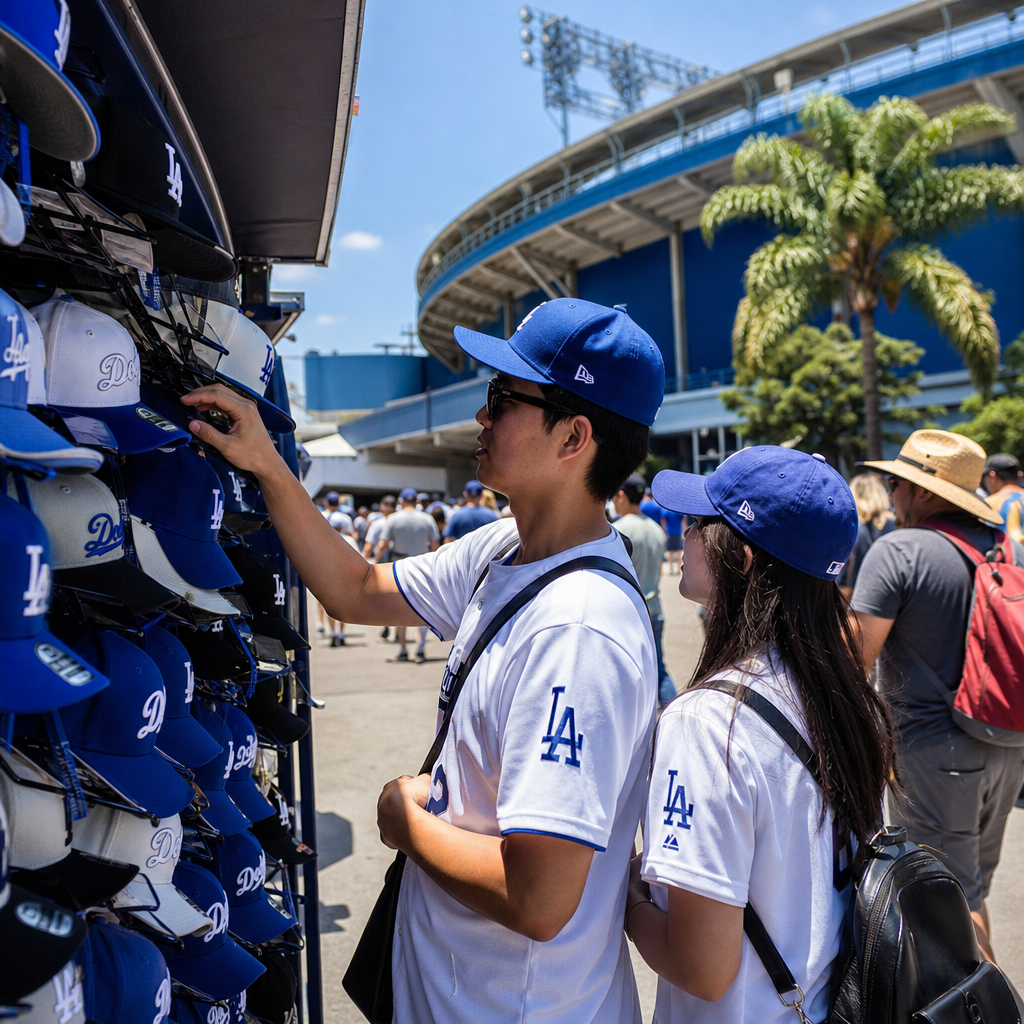
Global merchandising has become one of baseball’s most important growth engines, turning a sport once marketed primarily through local gate receipts and domestic television rights into a worldwide consumer business built on apparel, collectibles, digital commerce, and licensed experiences. In baseball, merchandising means the commercial sale of branded goods connected to leagues, clubs, players, and events, from replica jerseys and caps to trading cards, gaming tie-ins, and limited-edition collaborations. The international market refers to fans and buyers outside a league’s home country, including lifelong supporters abroad, diaspora communities, tourists, fashion consumers, and new audiences discovering the game through streaming and social media.
This topic matters because merchandise often travels faster than the sport itself. Before a new fan learns lineup construction or pitching strategy, they may buy a New York Yankees cap, collect a Shohei Ohtani jersey, or follow an MLB club on Instagram. I have seen this pattern repeatedly in baseball business planning: merchandise opens the door, then media, sponsorship, ticket sales, and grassroots participation follow. For leagues and clubs facing uneven attendance cycles, rising player costs, and fragmented media consumption, international merchandising creates diversified revenue and valuable market intelligence.
As the hub article for baseball’s economic innovations and challenges, this page explains how global merchandising works, why it has accelerated, where the biggest opportunities lie, and what obstacles can limit growth. It also connects merchandising to wider industry changes such as e-commerce logistics, licensing strategy, data-driven marketing, foreign market entry, and the tension between global scale and local authenticity. Baseball’s international market is no longer a side business. It is a strategic test of whether the sport can translate tradition into durable worldwide demand.
Why global merchandising now sits at the center of baseball economics
Baseball’s traditional business model depended on three pillars: tickets, media rights, and sponsorship. Merchandise was important, but often treated as an add-on managed through broad licensing deals. That view is outdated. Today, merchandise performs several economic functions at once. It generates direct revenue, increases brand visibility, supports sponsor integration, strengthens fan identity, and provides data on what markets, players, and product categories are gaining traction. In practical terms, a jersey sale in Seoul or a cap sale in London tells a club more than simple awareness; it signals conversion.
The shift has been amplified by changes in consumer behavior. Fans increasingly expect year-round access to officially licensed products through mobile storefronts, marketplace apps, and localized fulfillment. Sports merchandise also now overlaps with streetwear and fashion. A cap can be both fan gear and a style statement, which expands baseball’s addressable market beyond viewers of the games. Brands such as New Era built this bridge effectively, turning on-field authenticity into off-field relevance. When clubs collaborate with designers, musicians, or region-specific retailers, they can reach consumers who may not yet know the standings but know the logo.
Internationally, baseball benefits from a rare combination of competitive legitimacy and visual symbolism. It has deep roots in Japan, South Korea, Taiwan, the Caribbean, Mexico, and parts of Latin America, while retaining iconic franchises recognizable even in countries where baseball participation remains limited. That means the market includes both established baseball cultures and aspirational lifestyle buyers. For executives, this creates upside, but also complexity: products, pricing, storytelling, and distribution must fit both serious fans and casual consumers.
Core international markets and what makes each one different
Not all foreign markets should be approached in the same way. In Japan, baseball merchandising thrives because the sport already holds major cultural importance, and consumers often value authenticity, quality, and player-specific narratives. MLB’s visibility there has been elevated by stars such as Ichiro Suzuki, Hideki Matsui, Yu Darvish, and Shohei Ohtani. Ohtani’s impact is especially significant because he connects elite performance with cross-border media appeal. Retailers can build campaigns around documented on-field achievements, not just celebrity branding, which tends to sustain demand longer.
South Korea presents a different profile. The Korea Baseball Organization has a strong domestic identity, so foreign baseball merchandise competes against local loyalty rather than filling a vacuum. Success there often depends on timing, digital merchandising, and player relevance. During events like the World Baseball Classic or the MLB Seoul Series, international products can spike when tied to local stars or premium event storytelling. Generic “global fan” messaging usually underperforms.
Latin America is essential both symbolically and commercially. Countries such as the Dominican Republic, Venezuela, Puerto Rico, and Mexico contribute elite talent pipelines, which strengthens emotional investment in MLB players and clubs. However, purchasing power, import duties, and distribution reliability vary widely. Clubs that assume U.S.-style direct-to-consumer economics in these markets often misread demand. Smaller product formats, lower price points, and reliable mobile checkout can matter more than vast catalog depth.
Europe and the Middle East often function as brand-expansion territories rather than pure baseball-first markets. There, caps, outerwear, and collaborative fashion lines may outperform performance replicas. The London Series demonstrated that event-led market entry can raise merchandise demand quickly, especially when paired with pop-up retail and localized content. But sustained growth requires post-event follow-through, including local shipping, local language product pages, and regionally relevant campaigns.
| Market | Primary demand driver | Best-selling categories | Main challenge |
|---|---|---|---|
| Japan | Player affinity and established baseball culture | Jerseys, premium collectibles, caps | High expectations for quality and authenticity |
| South Korea | Event spikes and star relevance | Limited editions, jerseys, digital tie-ins | Strong domestic league competition |
| Latin America | National pride and player connection | Caps, tees, affordable licensed goods | Price sensitivity and logistics |
| Europe | Lifestyle branding and event exposure | Caps, outerwear, collaborations | Lower baseline baseball literacy |
Licensing, supply chains, and the economics behind every jersey and cap
Global merchandising succeeds only when licensing architecture and supply chain execution are aligned. In baseball, rights are often split among league properties, individual clubs, apparel partners, and regional distributors. That structure can expand reach, but it also creates friction. I have worked on merchandising plans where a product line tested well in one market yet stalled because territorial rights, minimum guarantees, or approval timelines made local adaptation too slow. International consumers move quickly; approval systems often do not.
Licensing strategy determines assortment breadth, quality consistency, and margin structure. Broad licensing can flood the market with products, but too much fragmentation weakens brand control and increases counterfeiting risk. Tighter licensing protects quality and premium positioning, though it may limit category innovation. The best operators use a tiered model: core on-field products remain tightly managed, while adjacent categories such as fashion accessories, home goods, or youth lifestyle items are opened to specialized partners under clear standards.
Supply chains matter just as much as brand strategy. Merchandise demand is highly sensitive to player news, postseason runs, and international event windows. If replenishment cycles are slow, the sales window closes. This is why nearshoring, regional warehousing, and demand forecasting software have become competitive tools. Enterprise systems from SAP, Oracle NetSuite, and Manhattan Associates help rights holders coordinate inventory, wholesale partners, and direct-to-consumer channels. The basic rule is simple: global demand cannot be served with domestic assumptions about lead times, customs clearance, or return handling.
Counterfeiting remains one of the biggest challenges. Fake jerseys and caps thrive in markets where official products are expensive, hard to access, or poorly localized. That is not just a lost sales problem. It weakens trust, distorts pricing expectations, and can harm brand perception if consumers mistake poor-quality items for official goods. The most effective response combines legal enforcement, marketplace monitoring, serialized authenticity tools, and more accessible official entry-price products.
Digital commerce, data, and the rise of direct international fan relationships
The biggest merchandising innovation in baseball is not a fabric technology or logo update. It is the ability to build direct relationships with international buyers through e-commerce and data. Historically, leagues relied heavily on broadcasters, local retailers, and licensees to understand overseas audiences. Now clubs can see where traffic comes from, which player pages convert, what sizes sell out by region, and how social campaigns influence basket value. That information changes planning across the business.
A modern international storefront requires more than international shipping. It needs local currency display, transparent duties, reliable delivery estimates, mobile-optimized checkout, region-specific customer service, and language localization that feels native rather than machine translated. In my experience, conversion drops sharply when consumers discover taxes late in checkout or cannot trust delivery timing. The best baseball retailers treat localization as revenue infrastructure, not cosmetic polish.
Data also helps clubs understand the difference between fandom and fashion demand. If a country shows high cap sales but low jersey conversion and little engagement with game content, that market may respond better to collaborations, influencer campaigns, and entry-level products. If jersey sales rise around one player and repeat purchases follow, clubs have evidence of deeper fan development. This segmentation supports smarter ad spending and product design.
Social media platforms and creator ecosystems have further compressed the path from highlight to purchase. A spectacular home run clip, a behind-the-scenes clubhouse video, or a post announcing a special series can now send global traffic directly to merchandise pages within minutes. The clubs that win in this environment coordinate content, commerce, and inventory. They do not treat merchandising as the last step in a campaign; they design campaigns so product demand can be captured immediately.
Cultural relevance, player power, and why authenticity determines long-term growth
International merchandising works best when it reflects real baseball meaning. Fans can tell when a campaign was built around a market insight and when it was built around a spreadsheet. Player identity is central here. Global demand usually starts with human stories: a Japanese two-way superstar redefining value, a Dominican shortstop representing national pride, or a Mexican-born player carrying local significance into a major league stage. Merchandise tied to those narratives performs better because it carries emotional context.
Authenticity also depends on respecting local culture. That can mean country-specific creative, holiday timing, retail partnerships, or product formats that fit local habits. A one-size-fits-all rollout often misses these signals. Teams that celebrate international heritage nights, produce bilingual content, and highlight community ties generally earn more trust than teams that simply target ads into a region. Trust matters because global fans often decide whether a club feels welcoming before they decide whether to buy.
There is a related challenge: balancing heritage brands with fresh relevance. Classic marks such as the Yankees, Dodgers, Red Sox, and Cubs carry extraordinary recognition, but overreliance on a few logos can flatten the wider baseball ecosystem. Smaller-market clubs can still build international traction by leaning into distinct aesthetics, player pathways, or city identity. The San Diego Padres’ connections to Mexico and the Seattle Mariners’ resonance in parts of the Pacific Rim show how geography and roster construction can support differentiated global positioning.
Done well, authenticity raises lifetime value. A customer who first buys a fashionable cap may later stream games, follow prospects, subscribe to newsletters, purchase event tickets while traveling, and adopt the club as a long-term identity marker. That is the full economic promise of merchandising: not just selling products, but creating durable fan relationships.
Economic challenges, future opportunities, and the role of this hub in baseball’s next phase
Baseball’s global merchandising opportunity is large, but it is not effortless. Currency fluctuations can compress margins. Import regulations and tariffs can turn viable price points into difficult ones. Counterfeit networks adapt quickly. Player-driven demand can be volatile, especially if injuries, transfers, or performance declines change consumer interest. Even successful event launches can create false confidence if operators mistake temporary excitement for permanent market penetration. Sustainable growth requires patience, local knowledge, and disciplined measurement.
Still, the upside is real. International series, expanded streaming access, women’s baseball visibility, youth development programs, and smarter digital retail all create more entry points for merchandise conversion. Emerging technologies will also reshape the category. RFID-enabled inventory improves stock accuracy. On-demand customization reduces markdown risk. AI-assisted forecasting can identify which player, colorway, or product category is likely to surge in a given market. These tools do not replace strategy, but they make strategy more precise.
As a hub within baseball’s broader story of innovations and changes, global merchandising connects directly to every major economic topic in the sport: media transformation, labor value, sponsorship integration, venue retail, international expansion, and fan data management. Understanding this market helps explain why clubs invest in overseas events, why player signings can carry commercial logic beyond on-field wins, and why logistics and licensing are now board-level issues. The key takeaway is clear: baseball grows internationally when merchandise is treated as a strategic system, not a souvenir business. Review the linked articles in this subtopic, compare the models, and identify which economic innovations can most effectively expand the game’s next generation of fans worldwide.
Frequently Asked Questions
What does global merchandising mean in baseball, and why has it become so important?
Global merchandising in baseball refers to the sale of officially branded products tied to leagues, teams, players, and major events across international markets. That includes traditional items such as replica jerseys, caps, jackets, and trading cards, but it also extends to collectibles, gaming partnerships, digital storefronts, memorabilia, limited-edition collaborations, and licensed fan experiences. In practical terms, merchandising transforms baseball from a sport consumed mainly through local attendance and domestic broadcast deals into a broader consumer brand that can reach fans anywhere in the world.
Its importance has grown because merchandising creates revenue that is not limited by stadium capacity or a team’s home market. A fan in Tokyo, Seoul, London, Mexico City, or São Paulo can buy the same club gear as a fan in New York or Los Angeles, often with direct-to-consumer shipping and localized online stores. That matters because modern baseball growth depends on building year-round relationships with global audiences, not just attracting ticket buyers during the season. Merchandising also strengthens brand visibility. When fans wear team caps, share collectibles online, or purchase player-branded items, they become part of the sport’s marketing ecosystem, helping baseball expand culturally as well as commercially.
Just as importantly, global merchandising helps baseball diversify its business model. Instead of relying heavily on gate receipts and television contracts, leagues and clubs can develop multiple streams of income tied to consumer products and licensing. That reduces risk, supports international market entry, and gives teams more ways to monetize star players and marquee events. In today’s sports economy, merchandising is not just a side business; it is a central growth engine that helps baseball build long-term relevance in a competitive global entertainment market.
Which baseball products tend to perform best in international markets?
The strongest-performing baseball merchandise internationally usually starts with apparel, especially caps, jerseys, and lifestyle clothing. Caps often lead the category because they function as both fan gear and fashion items. Even consumers who do not closely follow the sport may buy a recognizable team cap because of its design, color palette, or association with a city, player, or broader pop culture trend. Jerseys also perform well, particularly when they are connected to star athletes, special editions, or culturally significant events such as international series, all-star celebrations, or heritage-themed releases.
Collectibles are another major category, especially in markets where limited-edition products and memorabilia have strong appeal. Trading cards, autographed items, commemorative baseballs, and premium collectibles attract both dedicated fans and investors who view sports memorabilia as part of a broader collector economy. Digital commerce has made these categories easier to scale internationally, allowing clubs and leagues to launch exclusive product drops that create urgency and scarcity without requiring a large physical retail footprint in every country.
There is also growing demand for products that sit at the intersection of baseball, entertainment, and lifestyle. These include gaming tie-ins, fashion collaborations, special capsule collections, youth-oriented streetwear, and products linked to major players with international followings. In some regions, fan interest is driven less by team loyalty and more by design, celebrity, or cultural relevance, so successful merchandising strategies often adapt products to local consumer behavior. That means the best-selling items are not always the most traditional ones; they are often the products that connect baseball branding with everyday identity, fashion trends, and digital fan culture.
How do star players influence baseball’s international merchandise sales?
Star players are one of the most powerful drivers of international merchandise demand because they give global audiences a personal connection to the sport. Teams and leagues may be the long-term brand foundations, but players often serve as the emotional entry point for new fans. When a player becomes popular in a specific region, merchandise sales can rise sharply for jerseys, shirts, collectibles, and co-branded products tied to that individual. This is especially true when the player represents national pride, cultural visibility, or elite performance on a global stage.
Player influence works on several levels. First, star athletes expand reach by drawing attention from media outlets, social platforms, and casual consumers who might not otherwise follow baseball closely. Second, they create aspirational buying behavior. Fans want to wear the jersey of a player they admire, collect limited products tied to milestones, or purchase items that signal affiliation with a rising international icon. Third, players help teams break beyond regional boundaries. A club may traditionally be identified with its local city, but a globally recognized player can turn that club into a worldwide merchandise brand.
This effect becomes even stronger when leagues and clubs build coordinated campaigns around player stories, international games, social content, and localized retail. If a player has roots in Japan, the Dominican Republic, Venezuela, Korea, or another baseball-rich market, merchandise efforts can be tailored to those audiences with language-specific marketing, country-focused promotions, and regionally relevant product launches. In that sense, star players are not just athletes; they are commercial ambassadors who help translate baseball into a globally marketable identity.
What role does e-commerce play in baseball’s growing international market?
E-commerce is one of the most important enablers of baseball’s international merchandising expansion because it removes many of the barriers that once limited merchandise sales to local stadium shops or domestic retailers. In the past, a fan outside a club’s home market often had little access to official products, especially niche items, authentic jerseys, or event-specific collectibles. Today, direct-to-consumer online stores, marketplace partnerships, and mobile commerce platforms allow leagues and teams to reach customers globally with far greater efficiency and precision.
Its value goes beyond simple product availability. E-commerce gives baseball organizations the ability to localize pricing, language, shipping options, promotions, and product recommendations for specific regions. That makes international merchandising much more scalable. A league can launch a campaign in multiple countries, track conversion data in real time, and adjust product assortments based on local demand. Teams can also use digital commerce to test limited-edition releases, collaborate with fashion or entertainment brands, and build urgency through timed drops that create buzz across social media.
Another major advantage is data. Online sales generate insight into what fans are buying, when they are buying, and which players, teams, or product categories resonate most strongly by country or region. That information helps organizations improve inventory planning, marketing strategy, and future licensing decisions. In effect, e-commerce has changed baseball merchandising from a relatively fixed retail model into a flexible global system powered by consumer behavior, digital storytelling, and direct fan engagement. For international growth, that is a transformative shift.
What challenges do leagues and teams face when expanding baseball merchandising globally?
Although the opportunity is significant, expanding baseball merchandising internationally comes with real challenges. One of the biggest is market fragmentation. Consumer tastes, spending patterns, and levels of baseball familiarity vary widely from one country to another. A product strategy that works in North America may not work in Europe or Southeast Asia, and a star-driven campaign may outperform a team-driven campaign in some regions but not others. That means leagues and clubs need local market knowledge rather than assuming a one-size-fits-all model will succeed.
Supply chain and distribution issues are another major concern. International fulfillment requires reliable logistics, customs compliance, inventory planning, and regionally appropriate pricing. If products arrive late, cost too much after shipping and duties, or are unavailable in key sizes and styles, customer interest can fade quickly. Counterfeit merchandise is also a serious threat in global markets, especially when team logos and player branding become popular. Unauthorized goods can dilute brand value, reduce official sales, and create confusion about quality and authenticity.
There is also the challenge of cultural relevance. Baseball must compete for attention against soccer, basketball, esports, and local entertainment brands, so merchandising cannot rely on tradition alone. Successful expansion often requires thoughtful localization, including region-specific campaigns, culturally aware collaborations, local influencers, and product designs that reflect how consumers actually wear and use sports merchandise in daily life. The teams and leagues that do this well understand that international merchandising is not only about exporting products; it is about adapting baseball’s identity for diverse global audiences while protecting brand consistency and long-term value.