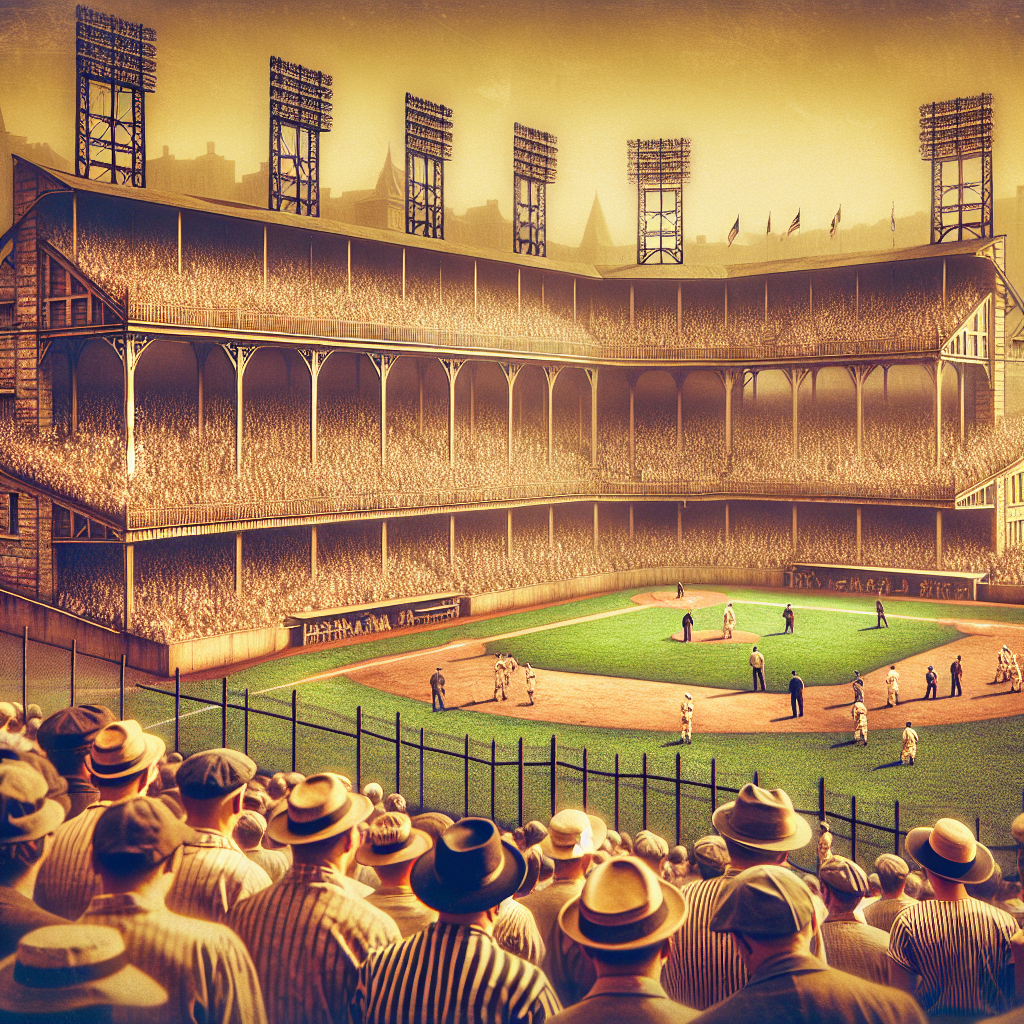
The history of baseball is enriched with legendary ballparks, each serving as a stage where epic stories of America’s favorite pastime have been written. One of the most iconic of these venues is Forbes Field, located in Pittsburgh, Pennsylvania. This storied ballpark holds a special place in the annals of baseball lore. From its inception in the early 20th century to its eventual closure in the late 1960s, Forbes Field was more than just a place to watch baseball; it was a pillar of Pittsburgh culture and a cherished home for various historical events. This article will walk you through the timeline, architectural marvels, unforgettable moments, and the long-standing legacy that Forbes Field left behind.
History: The Dawn of Forbes Field
Opened on June 30, 1909, Forbes Field was named after John Forbes, a British general who laid out the city of Pittsburgh. The funding came largely from Pittsburgh Pirates’ owner Barney Dreyfuss, who sought to create a ballpark that would replace the outdated Exposition Park. Forbes Field was not just meant to host baseball games; it was built to be a multipurpose stadium able to accommodate a wide range of events, from political rallies to boxing matches.
Renowned as one of the first steel and concrete ballparks in Major League Baseball, this state-of-the-art facility could host over 25,000 fans at its opening. The construction cost around $1 million, which was a considerable amount during that time. Forbes Field marked a significant departure from the wooden ballparks of the past, making it a trendsetter in stadium architecture.
Iconic Features of Forbes Field
Fans who had the privilege of watching a game at Forbes Field would undoubtedly recall its unique features. One of the most memorable aspects was its vast outfield. When it first opened, the distance to the centerfield wall was a staggering 457 feet. This immense space often turned potential home runs into mere fly outs, emphasizing the skill needed to conquer its dimensions.
The architectural design of Forbes Field was another standout feature. Designed by Charles Leavitt, the ballpark seamlessly blended modernity and elegance. The use of steel and concrete was revolutionary at the time and set a precedent for future ballpark constructions. The beautiful brick exterior, adorned with arched windows, gave the ballpark a stately yet inviting appearance.
Another remarkable element was the flagpole in the field of play, located in front of the left-centerfield wall. This feature, along with the ivy-covered outfield walls, made Forbes Field a truly unique venue in the world of Major League Baseball. The outfield wall itself, adorned with advertisements, became emblematic of the era.
Memorable Moments at Forbes Field
Forbes Field was the stage for countless iconic moments in baseball history. One of the most unforgettable events occurred on October 13, 1960, when Bill Mazeroski hit the walk-off home run that won the Pittsburgh Pirates the World Series against the New York Yankees. That legendary homer remains the only Game 7 walk-off home run in World Series history.
Another highlight was the farewell performance of Babe Ruth. On May 25, 1935, while playing for the Boston Braves, Ruth hit three home runs in one game at Forbes Field, the last home runs of his illustrious career. The third home run, which cleared the right-field roof, is remembered as one of the longest in the ballpark’s history.
Forbes Field also hosted significant non-baseball events. For instance, it was used as a football field for the University of Pittsburgh and occasionally for professional football games. Various boxing matches, political rallies, and other public gatherings further augmented its status as a multipurpose athletic and social hub.

The Closure and Final Days of Forbes Field
The final game played at Forbes Field occurred on June 28, 1970. By this time, the Pittsburgh Pirates had moved to the newly constructed Three Rivers Stadium. Despite its historical significance, Forbes Field fell victim to the economic pressures and logistical demands that come with modern sports.
The ballpark was eventually demolished, but the memories live on. A major portion of the wall from left and center fields still stands as a memorial, adorned with plaques commemorating historical events that took place there. The home plate is preserved in the exact spot where it once stood, now enclosed within the University of Pittsburgh’s Posvar Hall.
Fans and historians alike mourned the loss of Forbes Field but appreciated the new chapter that began with Three Rivers Stadium. The closure marked the end of an era in baseball, but it also signaled the development and modernization of sports venues going forward.
Legacy and Historical Significance
Years after its demolition, Forbes Field remains a legendary fixture in baseball history. Its unique features and unforgettable moments have etched it indelibly into the memories of baseball fans. The ballpark is frequently cited in discussions of the greatest ballparks ever built, and its contributions to the development of modern stadium design cannot be overstated.
The park’s association with icons like Honus Wagner, Roberto Clemente, and Bill Mazeroski further solidifies its place in baseball lore. The memories of Ruth’s final home runs, Mazeroski’s walk-off, and the dynamic outfield shape how we remember the Golden Age of baseball.
Moreover, the park has become a significant part of Pittsburgh’s cultural heritage. It was more than just a baseball stadium; it was a social gathering place where communities came together. The legacy of Forbes Field is preserved not only in plaques and monuments but also in the hearts of the fans who experienced its magic.
The Current Cultural Relevance
The remnants of Forbes Field are a pilgrimage site for die-hard baseball aficionados. Each year, fans and historians visit the preserved outfield wall and home plate to reminisce about the ballpark’s storied past. Some take part in commemorative events that celebrate the milestones achieved at this iconic park.
Organizations dedicated to preserving Pittsburgh’s history often host tours and educational programs that include stops at the former site of Forbes Field. These initiatives ensure that even those who never experienced a game there can appreciate its significance. Whether through documentaries, books, or oral histories, the spirit of Forbes Field is continually curated and shared with new generations.
The current initiatives to memorialize Forbes Field highlight the ongoing relevance of this historical landmark. As the baseball landscape continues to evolve, locations like Forbes Field serve as touchstones that connect the modern era with the formative years of the sport.
Conclusion: The Enduring Spirit of Forbes Field
The story of Forbes Field is a vivid chapter in the grand narrative of baseball. From its revolutionary design to the legendary moments it hosted, this ballpark was truly one of a kind. As we recount the history of Forbes Field, we are reminded of the transformative impact it had on both the sport and the city of Pittsburgh.
Although the physical structure is long gone, the essence of Forbes Field endures. The legendary exploits that took place on its grounds live on in the memories of fans and the annals of baseball history. To this day, the preserved remnants of the ballpark serve as a tangible connection to a bygone era, allowing us to appreciate the rich legacy of one of baseball’s most iconic stages.
As we look forward to the future of baseball and the ongoing development of new stadiums, it’s crucial to remember the foundational role that venues like Forbes Field played. They were not just places to watch a game; they were communal spaces that wove themselves into the fabric of their cities.
Indeed, Forbes Field may no longer grace the skyline of Pittsburgh, but its spirit will forever resonate with the timeless essence of baseball and the rich heritage of America’s favorite pastime.
“`htmlFrequently Asked Questions
1. What is the significance of Forbes Field in baseball history?
Forbes Field is etched into the rich tapestry of baseball’s history as not just a ballpark, but an institution that shaped the very soul of the game. Situated in Pittsburgh, Pennsylvania, it was more than a venue; it was a landmark where generations of fans experienced unforgettable moments. Its significance is derived from hosting the Pittsburgh Pirates, who played countless memorable games there, including historic World Series showdowns. Forbes Field was also a pioneer as one of the first stadiums to be made entirely out of steel and concrete, setting a new standard for modern ballparks. It was here that baseball legends such as Honus Wagner and Roberto Clemente carved their paths to greatness, making it a revered site for both players and fans alike. The park captures a spirit of nostalgia and innovation that defines much of baseball’s legacy.
2. When was Forbes Field built and why was it important?
Forbes Field was constructed and opened on June 30, 1909. It was a critical development in the history of sports venues, as it marked a turning point from the wooden ballparks of the past towards the modern design of steel and concrete. This transition was crucial because it provided a safer and more durable structure, capable of accommodating large crowds. As one of the largest stadiums upon completion, it was able to attract numerous baseball fans, making it an integral part of Pittsburgh’s social and economic life. Its importance is also tied to its role in shaping the environment of professional baseball and helping solidify Pittsburgh as a major hub for the sport. Forbes Field signified growth and a new era of high-capacity, purpose-built sports arenas, influencing the way modern sports stadiums are designed and constructed.
3. Can you talk about some historic events that took place at Forbes Field?
Forbes Field was the site of numerous historic and unforgettable events. Perhaps one of the most notable was Game 7 of the 1960 World Series when Bill Mazeroski hit the famous walk-off home run that secured the championship for the Pittsburgh Pirates against the New York Yankees. This singular moment is imprinted in the collective memory of baseball fans as one of the greatest home runs in the sport’s history, and it remains the only Game 7 walk-off home run in World Series history. Besides this legendary moment, Forbes Field hosted multiple All-Star Games, solidifying its reputation as a premiere sports venue of its time. The stadium was also home to several no-hitters and featured many other high-stakes clashes that contributed significantly to the annals of baseball history.
4. Why did Forbes Field eventually close down?
The closure of Forbes Field in 1970 was a result of several factors that are emblematic of the era’s shifting dynamics in sports and urban development. Primarily, the aging infrastructure of Forbes Field meant that it could no longer adequately meet the needs of a growing audience and modern sports management requirements. By the mid-20th century, there was a push towards multipurpose sports complexes that could host various kinds of events, leading to the construction of Three Rivers Stadium. Additionally, economic and logistical considerations necessitated a more centrally located and accessible venue that could accommodate both the Pirates and the Steelers. Despite its closure, Forbes Field’s legacy persists in the collective memory of fans, and its influence on the design and culture of baseball stadiums is still evident today.
5. What remains of Forbes Field today, and how do people remember it?
While Forbes Field was dismantled, its spirit and legacy live on in several key ways. Some parts of the original structure, like the left-field wall and home plate, remain preserved near the University of Pittsburgh’s campus, serving as a physical reminder of the park’s historic past. There are frequent gatherings and events at this location, especially on iconic anniversaries, where fans of all ages come together to honor the memories created there. Additionally, there’s a walking tour that guides visitors through the historical highlights of the area where Forbes Field once stood, providing an opportunity to bridge the past with the present. Pittsburgh residents and baseball enthusiasts cherish these remnants, fostering a communal sense of nostalgia and appreciation for the park’s historical significance. The legacy of Forbes Field endures in oral histories, written accounts, and collections of memorabilia, ensuring that its place in baseball history is never forgotten.
“`