
Eddie Collins stands as one of the most remarkable figures in the storied history of baseball, especially during its so-called Golden Age. Born on May 2, 1887, in Millerton, New York, Collins was a versatile second baseman who played from 1906 to 1930, predominantly for the Philadelphia Athletics and later the Chicago White Sox. His career spanned an impressive 25 years, marked by an extraordinary mastery of both offensive and defensive aspects of the game. Not just an adept player, Collins also excelled in baseball strategy, making him a player-manager of notable repute.
To understand Eddie Collins is to delve into an era when baseball was transforming from a rugged, rowdy game into America’s pastime. In this era, he became a linchpin of formidable teams and achieved a level of consistent excellence that is rare in any sport. His unparalleled skill set, combined with his high baseball IQ, earned him accolades and cemented his legacy in the annals of baseball history. Though often overshadowed by contemporaries like Ty Cobb and Babe Ruth, Collins’ contributions to the game are no less significant.
This article aims to provide a comprehensive look at Eddie Collins—the player, the strategist, and the legend. From his early days in Millerton to his peak years with the Athletics and the White Sox, we’ll explore how Collins left an indelible mark on baseball. So, let’s dive into the life and career of this baseball genius.
Early Life and Career:
Eddie Collins’ early years offer a glimpse into the making of a baseball prodigy. From a young age, it was apparent that Collins possessed a natural talent for the sport. Excelling in baseball during high school in Tarrytown, New York, he went on to attend Columbia University. It was here that Collins’ career began to take a more defined path. Playing for the Columbia Lions, he quickly became a standout athlete, attracting attention from professional scouts.
In 1906, Collins made his debut with the Philadelphia Athletics, a team managed by the legendary Connie Mack. Despite being only 19 years old, Collins exhibited a maturity and understanding of the game that belied his age. Initially, he played sporadically, but his talent was undeniable. By 1909, he had become the team’s starting second baseman, a position he would dominate for the next decade.
Collins quickly made a name for himself with his exceptional fielding, base running, and consistent hitting. His batting average never dipped below .320 during his first decade, which was a remarkable feat in that era. Additionally, his ability to stay calm under pressure, coupled with a keen understanding of game situations, made him a valuable asset. By 1910, Collins was not just a player but a cornerstone of a burgeoning dynasty.
His early career was characterized by a series of stellar performances that culminated in the Athletics winning the World Series in 1910, 1911, and 1913. Collins was instrumental in these victories, his contributions proving indispensable. His early years thus set the stage for a phenomenal career that was just beginning to unfold.
Peak Years with the Athletics:
The peak years of Eddie Collins’ career with the Philadelphia Athletics were a period of extraordinary achievements and unparalleled individual performance. From 1909 to 1914, Collins was at the zenith of his abilities, contributing significantly to one of the most dominant teams of the era. His batting prowess, impeccable fielding, and strategic mind made him a triple threat on the diamond.
During this period, Collins won the American League MVP award in 1914, a testament to his outstanding performance and impact on the team. That year, he batted .344, stole 58 bases, and recorded 181 hits, embodying the versatility and consistency that defined his career. It was also during these years that Collins’ understanding of baseball strategy became more pronounced, often working closely with Connie Mack to devise game plans.
His contributions to the Athletics’ World Series victories cannot be overstated. In the 1910 World Series, Collins batted .429, while in 1911, he boasted a .365 average with five RBIs. These performances were critical in Philadelphia’s back-to-back championships. Moreover, Collins’ defensive skills shone brightly in the postseason, where his ability to turn double plays and cover ground made him a nightmare for opposing offenses.
These peak years also saw Collins solidify his image as a respected leader, often serving as a mentor to younger players. His influence extended beyond the stat sheet, helping to cultivate a winning culture within the Athletics’ clubhouse. The period from 1909 to 1914 remains etched in baseball history as one of the most productive and impactful stretches for any player, cementing Collins’ status as a bona fide legend.
Transition to the Chicago White Sox:
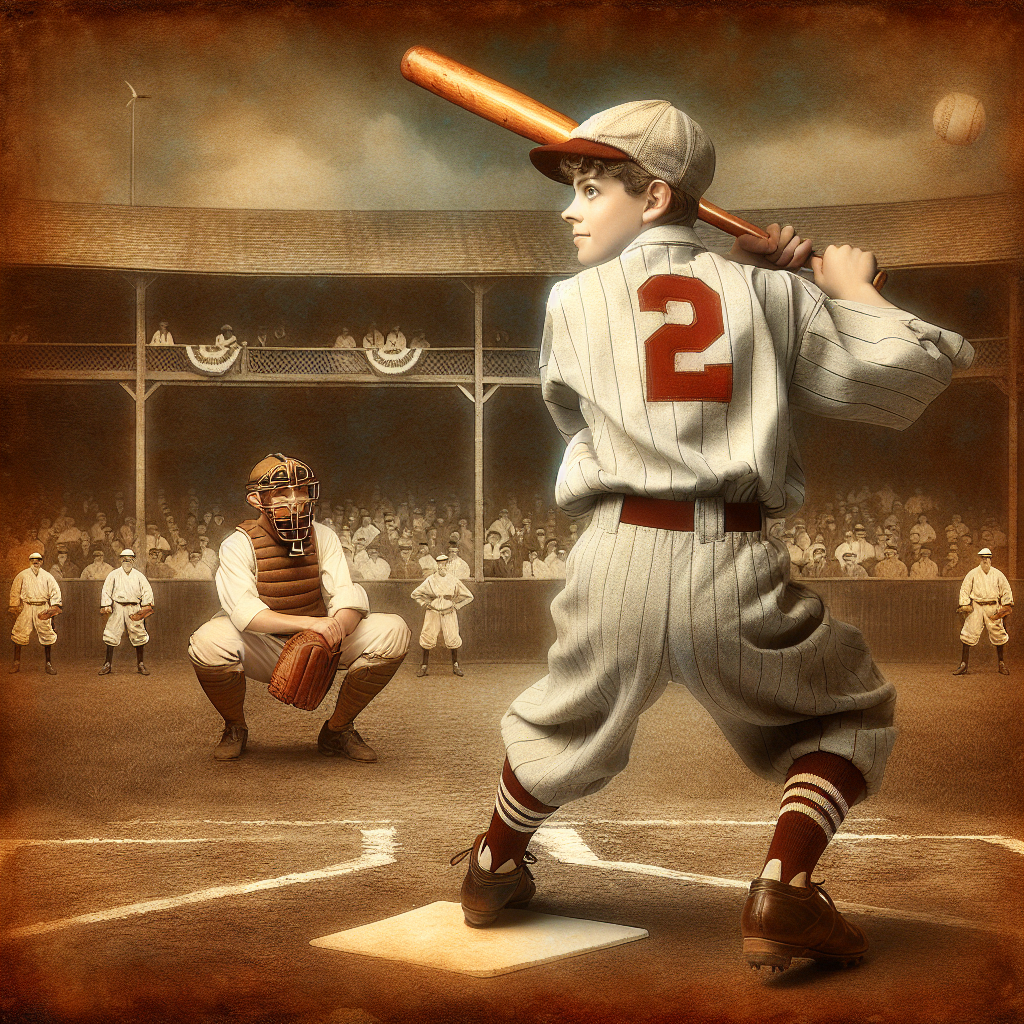
In 1915, a new chapter began in Eddie Collins’ career when he was traded to the Chicago White Sox. The move came as part of Connie Mack’s infamous breakup of the Athletics’ dynasty, a shift that would bring both challenges and opportunities for Collins. Joining the White Sox, Collins immediately made an impact, bringing his exceptional skills and leadership to a team in need of a surge.
The transition was seamless for Collins, who continued to deliver outstanding performances on the field. In his first season with the White Sox, he batted .332, reaffirming his status as one of the sport’s elite hitters. His influence extended beyond his individual statistics; Collins’ presence helped transform the White Sox into serious contenders.
Under Collins’ leadership, the White Sox clinched the World Series title in 1917. His contributions were pivotal, both offensively and defensively. He batted .409 in the series, delivering clutch hits and stellar defense that neutralized the New York Giants’ offense. The championship added another feather to Collins’ cap, showcasing his ability to uplift a team to the pinnacle of success.
Despite the triumphs, Collins’ tenure with the White Sox was not without controversy. The infamous Black Sox Scandal of 1919, wherein eight Chicago players were accused of conspiring to throw the World Series, troubled this period. Collins, however, was not implicated in the scandal. His integrity and respect for the game remained unblemished, further solidifying his reputation as one of baseball’s most honorable figures.
Legacy and Post-Playing Career:
Eddie Collins’ legacy extends far beyond his playing years. After retiring as a player in 1930, Collins remained deeply involved in baseball, transitioning into executive roles that showcased his profound understanding of the game. His tenure as General Manager of the Boston Red Sox highlighted his ability to build and manage successful franchises.
Collins’ managerial acumen was evident with the Red Sox, who benefited from his strategic insights and baseball acumen. His efforts to develop young talent and integrate analytics into decision-making processes were ahead of their time, reflecting his forward-thinking approach. Although the Red Sox did not win a championship under his leadership, Collins’ contributions laid the groundwork for future successes.
In recognition of his illustrious career, Collins was inducted into the Baseball Hall of Fame in 1939. The honor was a fitting acknowledgment of his exceptional contributions both on and off the field. Collins’ enduring legacy is evident in the high standards he set for excellence, integrity, and leadership in baseball.
Collins passed away in 1951, but his influence continues to reverberate through the sport. His career serves as a benchmark for aspiring athletes and executives, illustrating the profound impact one individual can have on a game. Collins’ blend of skill, intelligence, and character remains a beacon of inspiration in the baseball community.
Conclusion:
Eddie Collins is an integral chapter in the grand tale of baseball’s Golden Age. From his early years as a standout high school and college player to his peak seasons with the Philadelphia Athletics and subsequent success with the Chicago White Sox, Collins set a standard of excellence that few have matched. His ability to perform under pressure, combined with his strategic mind, made him a unique figure in baseball history.
Collins’ career is a testament to what can be achieved with talent, hard work, and an unyielding commitment to the game. His influence extended beyond his playing days, shaping future generations through his executive roles and strategic vision. Inducted into the Hall of Fame and remembered as one of the greatest second basemen of all time, Collins’ legacy is etched in the annals of baseball lore.
For contemporary fans and future enthusiasts, Eddie Collins represents the epitome of what makes baseball timeless. His story is not just about individual brilliance but also about leadership, integrity, and the timeless spirit of competition. As we reflect on the history of baseball, Collins stands out as a beacon, illuminating the path for those who follow in his footsteps.