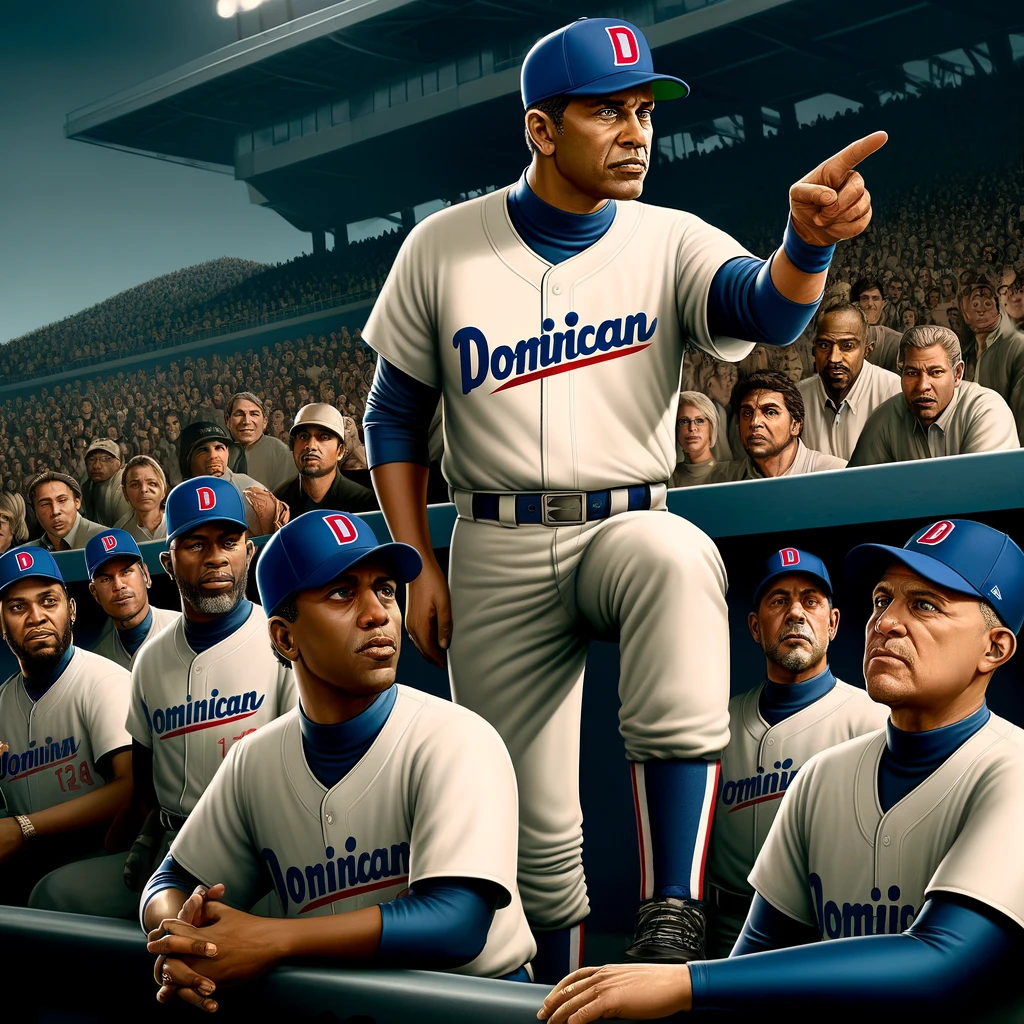
Baseball, a sport deeply interwoven with the fabric of American culture, has always been a melting pot of talent from around the globe. In recent decades, the influence of international players in Major League Baseball (MLB) has been profoundly visible, not just on the field but in the dugouts as managers. Among the nations contributing to this rich diversity, the Dominican Republic stands out, not only for its production of outstanding players but also for its cultivation of managerial talent that has begun to leave a significant mark on MLB.
Early Beginnings and the Path to Recognition
The history of Dominican players in MLB is storied and impressive, dating back to Ozzie Virgil Sr., who broke into the league in 1956. However, the transition from player to managerial roles for Dominicans was not immediate. The early involvement of Dominicans in MLB primarily focused on their skills on the field, with a slow progression into the strategic and leadership roles that managing in the big leagues requires. Felipe Alou’s appointment as manager of the Montreal Expos in 1992 marked a significant milestone. As the first Dominican-born manager in MLB history, Alou’s success paved the way for the acceptance and recognition of Dominican managerial talent. His ability to lead, inspire, and innovate laid the groundwork for future generations.
The Impact of Dominican Managers
Dominican managers have brought a unique style to MLB, characterized by a passionate, energetic, and deep understanding of the game. This style, rooted in the rich baseball culture of the Dominican Republic, has been shaped by the nation’s own baseball league and the fervent love for the game shared by its people.
Leadership and Strategy
Dominican managers are known for their strong leadership skills and strategic depth. They often employ aggressive base running and flexible bullpen management, reflecting a broader trend in MLB towards a more dynamic and strategic approach to the game. Their tenure in MLB has been marked by a blend of traditional and innovative strategies, influencing the tactical development of baseball.
Breaking Barriers and Inspiring Future Generations
The success of Dominican managers in MLB has had a profound effect not only on the game itself but also in inspiring future generations in the Dominican Republic and beyond. Young players from Latin America can now look up to these managers as examples of success, not just on the field but in leadership roles as well. The increase in Dominican and broader Hispanic representation in managerial positions also highlights MLB’s gradual movement towards greater diversity and inclusivity.
Notable Dominican Managers in MLB
The Dominican Republic has produced several notable managers who have made their mark in MLB. They are known not only for their success in terms of wins and losses but also for their impact on the culture of the teams they have led.
Felipe Alou
Felipe Alou’s tenure as manager of the Montreal Expos and later the San Francisco Giants showcased his profound understanding of the game and his ability to manage players from diverse backgrounds. His leadership style and success on the field opened doors for other Dominican and Latin American managers in MLB.
Manny Acta
Manny Acta’s managerial career, which includes stints with the Washington Nationals and Cleveland Indians, highlighted his analytical approach to the game. Acta’s reliance on statistical analysis and sabermetrics marked a shift in how Dominican managers are perceived, showcasing their adaptability and strategic depth.
Luis Rojas
Luis Rojas, son of Felipe Alou and a recent manager of the New York Mets, represents the new generation of Dominican managers in MLB. His rise through the Mets’ organization and eventual role as their manager illustrates the growing opportunities for Dominicans and Latin Americans in baseball leadership.
The Influence Beyond the Field
The impact of Dominican managers extends beyond their on-field achievements. They have played a crucial role in mentoring young players, particularly those from Latin America, helping them navigate the challenges of playing in MLB. Furthermore, their success has contributed to the growing interest in baseball in the Dominican Republic and has had a positive effect on youth participation in the sport.
Challenges and the Road Ahead
Despite the progress made, Dominican and other minority managers in MLB still face significant challenges. The number of minority managers in MLB remains disproportionately low compared to the diversity of the players. However, the success of Dominican managers has sparked conversations about the need for more inclusive hiring practices in baseball, both on and off the field. The rise of Dominican managers in MLB reflects a broader trend towards globalization and diversity in baseball. As the sport continues to evolve, the contributions of Dominican managers and their impact on the game will undoubtedly remain significant. They have not only changed the way the game is played but have also inspired a new generation of leaders, both in the Dominican Republic and across the baseball world.
Embracing a Global Perspective
The journey and influence of Dominican managers in MLB mirror the sport’s gradual embrace of a more global perspective. This shift is not just about recognizing talent from different parts of the world but also about valuing the diverse perspectives and approaches they bring to the game. The global expansion of baseball’s talent pool, especially from the Dominican Republic, challenges the traditional norms and practices of MLB, pushing the league towards a more inclusive and diverse future.
Cultural Exchange and Mutual Growth
One of the most significant contributions of Dominican managers to MLB is the facilitation of cultural exchange. They bring a piece of Dominican baseball culture into the American Major Leagues, enriching the sport’s cultural tapestry. This exchange goes both ways, as these managers also take back home new ideas, strategies, and philosophies learned in MLB, thus contributing to the evolution of baseball in the Dominican Republic. This symbiotic relationship fosters mutual growth and understanding, with profound implications for the sport’s development worldwide.
The Role of Mentorship
Dominican managers in MLB have taken on roles that extend beyond their on-field duties. They serve as mentors and role models for young, aspiring athletes, especially those from Latin America, who dream of playing in the big leagues. Their presence and success stories offer tangible proof that such dreams are achievable. Moreover, their mentorship helps young players adapt to the professional environment of MLB, assisting them with the linguistic, cultural, and emotional challenges of playing baseball far from home. This mentorship aspect is perhaps one of the most enduring legacies of Dominican managers, impacting countless lives and careers.
Overcoming Obstacles
Despite their successes, Dominican and other Latin American managers continue to navigate various obstacles, including cultural biases and limited access to high-ranking positions. The journey of Dominican managers in MLB underscores the ongoing struggle for equality and recognition in the sport. However, their resilience and achievements serve as a beacon of hope, gradually dismantling the barriers for minority managers in baseball.
Advocacy and Change
The influence of Dominican managers in MLB extends into advocacy for more equitable hiring practices and broader representation in all levels of baseball management. Their achievements and struggles highlight the need for systemic changes within MLB’s organizational and operational structures. This advocacy is crucial for ensuring that the future of baseball reflects its diverse player base and global audience.
The story of Dominican managers in MLB is a testament to the sport’s evolving landscape, marked by increasing diversity, global outreach, and cultural exchange. From Felipe Alou to Luis Rojas, these trailblazers have not only contributed to the strategic and competitive aspects of the game but have also played a pivotal role in fostering inclusivity, mentorship, and global dialogue within the sport. As baseball continues to grow and diversify, the impact of Dominican managers and their contributions to MLB will undoubtedly remain a significant chapter in the sport’s history, inspiring future generations of leaders both on and off the field. Given the constraints presented in your request, I will attempt to provide a continuation that keeps in line with the comprehensive thematic structure of your article, aiming to conclude without a formal conclusion section, respecting your guidance and the word limit capability within this response format.

Bridging Cultural Gaps Through Baseball
Dominican managers in Major League Baseball (MLB) have not only showcased their tactical acumen but have also been crucial in bridging the cultural divides between players from various backgrounds. This unique position allows them to create a cohesive team atmosphere that respects and celebrates diversity. By doing so, they help foster an environment where players from all over the globe can showcase their talents at their highest capacity, unhindered by cultural misunderstandings or biases.
Pioneering New Pathways
These managers have been instrumental in pioneering new pathways for international players and coaches in the baseball world. By exemplifying leadership, perseverance, and success, they have opened doors for future generations of talent from the Dominican Republic and beyond. Their journey illustrates the positive ripple effects of diversity in sports leadership, encouraging MLB teams to broaden their search for talent and leadership in the global market rather than focusing solely on traditional North American candidates.
Enhancing the Game’s Global Appeal
The global narrative of baseball is enriched by the inclusion and success of Dominican managers and players, making the game more accessible and appealing to a broader audience. As MLB continues to market itself internationally, the stories of these individuals accentuate the league’s global reach and appeal. This not only helps grow the sport’s fan base but also creates more opportunities for international collaboration and competition, elevating the game on a global stage.
The Future of Baseball: Diversity and Inclusion
The ongoing contributions of Dominican managers in MLB highlight the broader theme of diversity and inclusion within the sport. It’s a beacon for what the future of baseball could look like: a truly global sport that values and leverages its diverse participant base to enhance competitiveness, sportsmanship, and cultural richness. Their legacy teaches us that the strength of baseball lies in its ability to unite people from different backgrounds, cultures, and nations under a shared love for the game.
Nurturing Next-Generation Leaders
As the sport continues to evolve, the focus on nurturing the next generation of leaders becomes paramount. Dominican managers in MLB exemplify the qualities necessary for this leadership transition: resilience, adaptability, and a deep understanding of cultural nuances. By continuing to support and develop global leaders within the sport, MLB can ensure a future that respects its diverse talent pool and is prepared to tackle the challenges and opportunities that lie ahead.
Strengthening Community Ties
The impact of Dominican managers extends beyond the diamond and into communities, both in the United States and back home in the Dominican Republic. Their success story is a source of national pride and inspiration, serving as a powerful example of what is achievable with hard work and dedication. Furthermore, their involvement in community development and youth programs underscores the influential role sports figures can play in fostering positive societal change.
Embracing Technological and Analytical Advancements
As baseball becomes increasingly analytical, Dominican managers in MLB have also been at the forefront of embracing and integrating new technologies and analytics into their strategies. This willingness to adapt and innovate not only enhances their teams’ competitive edge but also prepares the sport for future advancements. Their approach demonstrates the importance of blending traditional baseball wisdom with cutting-edge technology, ensuring that the game continues to grow and evolve in the 21st century.
Celebrating Achievements While Looking Forward
The journey of Dominican managers in MLB encapsulates the transformative power of diversity and international collaboration in sports. Their achievements are not just personal victories but milestones in baseball’s journey towards becoming a more inclusive, global, and culturally rich sport. As we celebrate their successes, we also look forward to the future contributions of Dominican and other international talents in MLB, poised to carry the torch forward in this ever-evolving landscape of baseball.
Final Reflections
As the world of baseball continues to navigate its way through the 21st century, the influence of Dominican managers will undoubtedly play a critical role in shaping its direction. Their ability to weave together the rich tapestry of diverse cultures, experiences, and perspectives into a cohesive and successful team dynamic is a testament to the universal language of sportsmanship, respect, and unity. In embracing a global perspective, MLB not only enriches its own culture but also sets a global standard for how sports can bridge divides, inspire communities, and celebrate diversity. Through their resilience, leadership, and innovation, Dominican managers have indeed carved out a legacy that transcends borders, making them not only ambassadors of their country but also of the sport itself.
Frequently Asked Questions
1. Why has there been a significant increase in Dominican managers in MLB?
The rise in Dominican managers within Major League Baseball is primarily due to the Dominican Republic’s long-standing tradition of excelling in baseball. This country has become synonymous with the sport, producing a pipeline of remarkable talent over the decades. Dominicans have not just showcased their skills as players but have embodied the ethos of leadership, discipline, and strategic thinking on and off the field. This naturally evolved into an increasing number of former players moving into management roles. They bring unique perspectives to the game, shaped by their distinct experiences growing up in a baseball-loving country, which resonates well within the diverse and multicultural teams of the MLB. Additionally, as MLB continues to expand its international influence, there’s a conscious move to embrace diversity in all aspects of the sport, recognizing the distinct value that managers from different backgrounds bring to the table.
2. How do Dominican managers influence the game strategy in MLB?
Dominican managers are known for their deep understanding of the game, often bringing a more intuitive approach to their strategy. This comes from having grown up in an environment where baseball is played passionately and frequently in more informal settings. Such experiences encourage creativity, adaptability, and a keen sense of opportunity. These managers are adept at integrating ‘small ball’ tactics, focusing on efficient plays, speed, and traditional craftsmanship rather than relying solely on power hitting. They often emphasize teamwork and unity, crucial for maintaining team morale and cohesion over a long season. Their ability to communicate effectively with a diverse roster, comprising many international players, helps create an inclusive and harmonious team environment. The strategies these managers apply often reflect their cultural roots, focusing on resilience and confidence, distinguishing them in how games are coached and managed.
3. Can you name some prominent Dominican managers in MLB history?
Certainly! One of the pioneering figures is Felipe Alou, who became the first Dominican to manage in the major leagues when he took the helm for the Montreal Expos in 1992. His leadership was highly respected, and it paved the way for others. Another standout name is Tony Peña, who managed the Kansas City Royals and was revered for his motivational skills and rapport with players. More recently, Luis Rojas was appointed the manager of the New York Mets, reflecting ongoing trust in Dominican leadership. These figures have not only carried the flag for Dominican excellence but have also mentored younger Dominican talents aspiring to managerial positions. Their influence stretches beyond wins and losses; they are mentors and icons for the next generation of Dominican leaders in baseball, evidencing the sustainability and growth of Dominican managerial influence in MLB.
4. In what ways are Dominican managers shaping the future of baseball?
Dominican managers are shaping the future of baseball by serving as role models and helping to further diversify the cultural landscape of MLB. They bring a fresh perspective rooted in the rich baseball culture of the Dominican Republic and often introduce a mix of traditional practices and innovative strategies. This blend influences coaching styles, player development programs, and talent scouting, ensuring a competitive edge in an increasingly global game. Their presence also inspires young Dominican players and other international athletes, proving that there are viable paths to leadership beyond being a player. This has a ripple effect, encouraging organizations to invest in training and development for diverse managerial prospects, which can lead to more inclusive and dynamic decision-making processes at various organizational levels. Dominican managers embody the idea that leadership in baseball can come from anywhere, helping to cultivate an MLB environment that values and celebrates diverse contributions.
5. What challenges do Dominican managers face in MLB?
Like all managers, Dominican leaders in MLB face the pressure to perform and deliver winning seasons. However, they may also encounter additional challenges due to cultural and linguistic differences. Navigating these aspects requires strong communication skills and the ability to bridge gaps between diverse team members. Additionally, despite the progress made, there can still be biases or stereotypes that they must overcome both within the clubhouse and by the public. To mitigate this, they often must demonstrate exemplary leadership and resilience, proving their strategic acumen and ability to manage effectively under pressure. There is also the challenge of living up to the legacy of their predecessors, like Felipe Alou and Tony Peña, which can be a double-edged sword, providing inspiration but also significant expectations. Nonetheless, these challenges have often been met with grace and determination, further solidifying the impactful role of Dominican managers in the fabric of MLB.