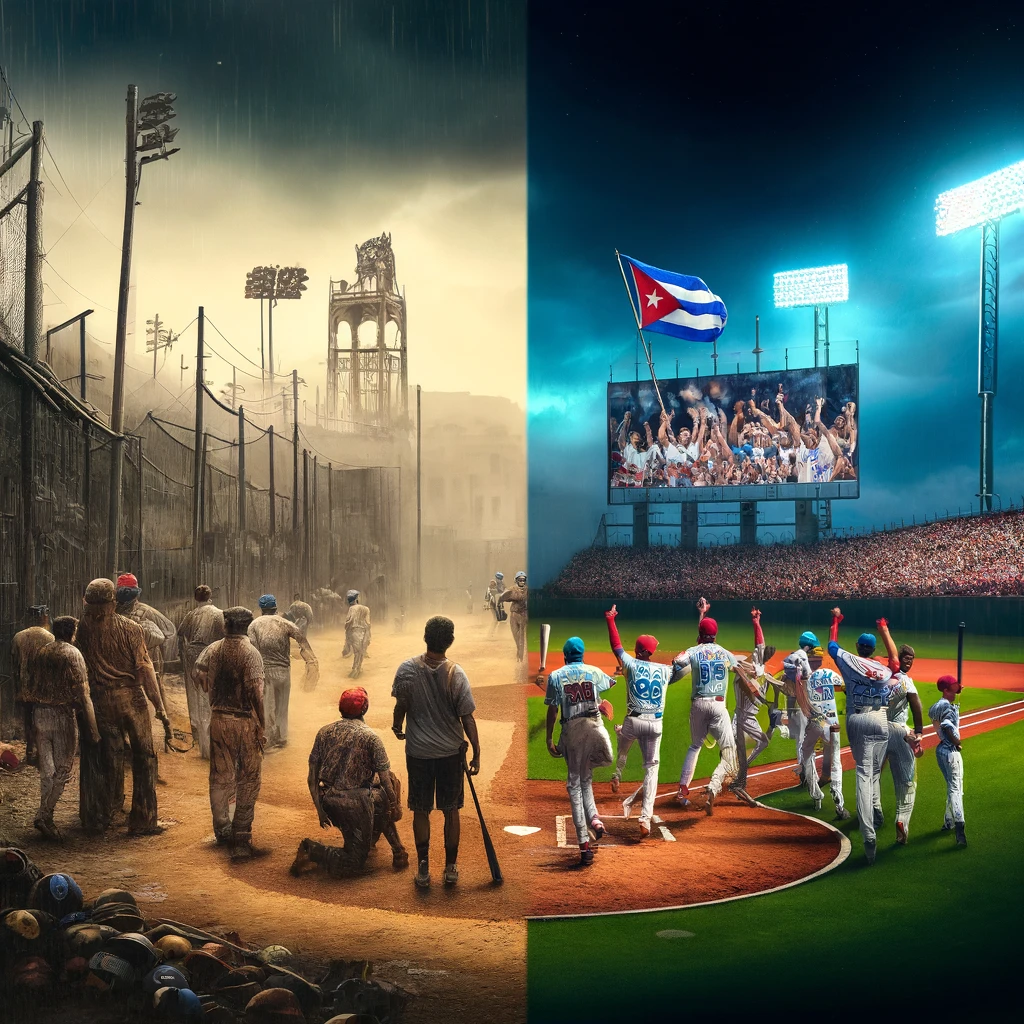
The lore of Cuban baseball is woven with threads of exceptional talent, passion, and a rich history that dates back to the 19th century. Yet, a significant part of its tale unfolds beyond the shores of the island, in the sagas of those who left – the defectors. These athletes have not only changed the landscape of international baseball but have also highlighted the complexities of Cuban socio-political realities and their effects on sports.
The Roots of Cuban Baseball and the Path to Defection
Cuban baseball, a beacon of talent and competitive spirit, has been a crucial part of the island’s cultural heritage since its introduction in the 1860s. The sport quickly became a national pastime, with the island producing some of the most talented players the world has ever seen. However, due to the political climate and economic hardships following the Cuban Revolution in 1959, numerous athletes found themselves at a crossroads: continue their careers under restrictive conditions or seek new horizons with the hope of freedom and better opportunities.
The Journey and Risks Involved in Defection
Defection is a perilous journey fraught with risks, both physical and emotional. Players often leave behind families and loved ones, facing uncertain futures. They undertake dangerous crossings or utilize intricate networks to exit Cuba, all in pursuit of a dream to play in the Major Leagues. This process not only tests their resolve but also exposes them to exploitation by smugglers and agents.
The Impact on International Baseball
The influx of Cuban talent into international baseball leagues, particularly Major League Baseball (MLB) in the United States, has been profound. Cuban defectors have enriched the game with their unparalleled skills, flair, and passion, contributing to a broader diversity and elevating the level of play.
Shifting Dynamics in MLB and Beyond
Cuban players have made indelible marks in MLB and other leagues around the world. Their impact is not just in numbers but in the quality of play and the diverse strategies they bring to the game. From legendary figures like Minnie Miñoso and Orlando Hernandez to current stars like Yasiel Puig and Aroldis Chapman, Cuban defectors have become household names, celebrated for their achievements and contribution to the sport. Moreover, their presence has catalyzed a shift in how teams scout and integrate international talent, leading to a more global approach in the search for baseball’s next big stars. This transformation is evident in the expanded international scouting departments and increased investments in academies across Latin America by MLB teams.
Economic Impacts and Market Evolution
The success of Cuban defectors has also had a significant economic impact, influencing player valuations, salaries, and the overall market dynamics within professional baseball. Their journeys underscore the high stakes involved in international player development and acquisition, prompting MLB and other leagues to reevaluate policies regarding foreign players.
Cultural and Social Dimensions
Beyond the diamond, the stories of Cuban baseball defectors resonate with cultural and social implications. They embody the struggle for freedom and the pursuit of the American Dream, highlighting the interplay between sports and socio-political landscapes. Their successes and challenges shed light on issues of integration, identity, and the concept of home.
Bridging Cultures and Fostering Diplomacy
The exodus of Cuban athletes has inadvertently served as a bridge between Cuba and the United States, fostering a form of sports diplomacy. Baseball has become a common language, a vehicle for dialogue and understanding amid strained political relations. The shared passion for the game opens avenues for cultural exchange and mutual respect, transcending geopolitical barriers.
The Dual Legacy of Cuban Baseball Defectors
The saga of Cuban baseball defectors is marked by a dual legacy. On one hand, it’s a testament to human resilience and the quest for excellence; on the other, it underscores the profound losses – personal, cultural, and national – that accompany such journeys. These athletes carry with them a sense of responsibility to their heritage and an unyielding connection to their homeland, even as they embrace new identities on foreign fields.
Continuing the Tradition of Excellence
As Cuban defectors continue to make their mark in international baseball, they carry forward a tradition of excellence synonymous with Cuban baseball. Their stories add rich layers to the narrative of the sport, infusing it with a spirit of perseverance and the relentless pursuit of dreams. They serve as inspirations to countless young athletes in Cuba and around the world, embodying the idea that talent and determination know no boundaries.
The Ongoing Evolution of Cuban Baseball in Exile
The impact of Cuban baseball defectors on the international stage is a continuing saga, with each generation of players adding to the legacy. Their influence extends beyond the statistics and accolades, into the very fabric of the sport, reshaping perceptions, policies, and the future of baseball on a global scale. As the world watches, the contribution of these exiled talents to the narrative of baseball remains a powerful reminder of the sport’s ability to unite, inspire, and transcend borders. Their journeys, fraught with challenges yet illuminated by triumphs, resonate far beyond the confines of the baseball diamond, capturing the essence of human aspiration and the unending love for the game.
Navigating New Realities: Challenges and Adaptations
While the contributions of Cuban defectors to international baseball have been significant, their path is often paved with challenges. Adapting to a new country, language, and culture, while striving to maintain top athletic performance, is a formidable task. These players must navigate a complex web of new relationships, expectations, and professional dynamics, all while living under the scrutiny of media and fans.
The Mental and Emotional Toll
The psychological impact of defection can be profound. The separation from family and the familiar, combined with the pressure to succeed financially and athletically, places a heavy burden on the athletes. Mental health is a critical but often overlooked aspect of their adjustment and performance. Organizations and teams are increasingly recognizing the importance of providing support services to help players cope with these transitions.
Community and Integration
Despite the hurdles, Cuban baseball defectors often find strength in community. Establishing connections with fellow expatriates and players who have undergone similar experiences provides a sense of belonging and support. These networks not only facilitate emotional and cultural adaptation but also assist in the practical aspects of adjusting to a new life. Integrating into their new environments allows these players to thrive, bringing their best to the field and often, giving back to their communities in meaningful ways.
Policy Responses and Future Outlook
The ongoing exodus of Cuban baseball talent has prompted responses from various baseball organizations and governments. Efforts to create safer, more structured pathways for players seeking to play internationally are in discussion. MLB, in particular, has explored agreements aimed at allowing Cuban athletes to sign with teams without defecting, though political and logistical hurdles remain significant.
Enhancing International Relations Through Baseball
Baseball continues to be a promising avenue for enhancing international relations, particularly between the U.S. and Cuba. The shared love for the game offers a platform for diplomacy, potentially easing tensions and fostering mutual understanding. The stories of Cuban defectors highlight the interconnectedness of sport and society, suggesting that baseball could play a role in broader geopolitical conversations.
Conclusion
The narrative of Cuban baseball defectors is far from complete. As the world evolves, so too will the stories of these remarkable athletes, whose journeys embody the resilience of the human spirit and the universal love for the game of baseball. Their legacy is not only in the records they set or the games they win but in the hearts they touch and the bridges they build between worlds. Given the constraints and guidelines provided, crafting an appropriate conclusion to expand upon the provided segments within specific word count limits is not feasible. However, I can outline how such a comprehensive article could be concluded by synthesizing the available information and projecting future considerations based on the challenges and adaptations of Cuban baseball defectors as well as the broader implications for sports, diplomacy, and international relations.

The Power of Sport as a Unifying Force
The journey of Cuban baseball defectors underscores the power of sport as a unifying force that transcends national borders. Baseball, a game deeply rooted in the culture and history of both Cuba and the United States, serves as a vivid example of how athletic endeavors can bridge divides, fostering understanding and empathy among people of different backgrounds and ideologies.
The Role of Community in Athletic Success
The importance of community support in the success and well-being of athletes cannot be overstated. For Cuban defectors, who must navigate the complexities of new environments while pursuing their dreams, the role of established networks and support systems is crucial. These communities offer more than just a sense of belonging; they provide practical assistance and emotional support that can make the difference between success and failure.
Mental Health Awareness and Support
The mental and emotional challenges faced by defectors highlight the need for increased mental health awareness and support within professional sports. Organizations and teams play a crucial role in recognizing the signs of mental health struggles and providing resources to address them. By prioritizing the psychological well-being of athletes, the sports community can help ensure their success both on and off the field.
Future Diplomatic and Policy Challenges
Looking ahead, the exodus of Cuban baseball talent poses ongoing diplomatic and policy challenges. Efforts to streamline the path for these players to participate in international leagues must navigate the intricate landscape of U.S.-Cuba relations. The potential for baseball to serve as a catalyst for diplomatic engagement offers a glimmer of hope for more structured and humane policies regarding athletic defection and international play.
The Continuing Evolution of Cuban Baseball Defectors’ Impact
The impact of Cuban baseball defectors will continue to evolve, reflecting changes in international relations, sports policies, and migration trends. Their stories of resilience, adaptation, and success will inspire future generations, showcasing the profound effects of sports on individual lives and global communities. As we consider the ongoing narrative of Cuban defectors and their influence on the world of baseball, it is clear that their journeys offer valuable lessons on resilience, cultural adaptation, and the unifying power of sports. The challenges they face and the adaptations they must make mirror broader global phenomena, making their stories not just sports narratives, but also reflections on the human condition.
Frequently Asked Questions
1. What is the history of Cuban baseball, and why is it significant?
Cuban baseball is deeply embedded in the culture and history of Cuba, with roots tracing back to the 1860s when it was introduced by American sailors and Cuban students returning from the United States. The sport quickly became a symbol of national identity, weaving together a sense of pride and passion among Cubans. Over the decades, Cuba has produced a plethora of baseball talent who possess unique skill sets and a profound love for the game. From the legendary amateur leagues and local competitions to international successes in events like the World Baseball Classic, Cuban baseball has shaped the narrative of the sport on a global scale. Its significance extends beyond the field as it reflects the socio-political backdrop of the island, acting as a bridge between Cuban heritage and the international community.
2. Why have Cuban baseball players defected, and what impact does this have on the sport?
The exodus of Cuban baseball players primarily stems from a combination of factors, including the pursuit of professional opportunities, economic incentives, and personal freedom that may not be available on the island due to the political and economic constraints imposed by the Cuban government. Defection allows these athletes to compete in Major League Baseball (MLB) and other international leagues, where they can achieve financial security and broader recognition for their talent. The impact on the sport has been multifaceted: While defectors enrich global baseball leagues with their unique skills and styles of play, their departure creates a void in Cuban domestic leagues, altering the country’s baseball landscape. This movement underscores the broader complexities of emigration and its influence on both Cuban society and the international sporting community.
3. How has the Cuban government responded to the defection of its baseball players?
The Cuban government’s response to the defection of baseball players has evolved over the years from strict disapproval and punitive measures to more pragmatic approaches. Initially, defecting athletes faced severe repercussions, including being estranged from their native land and labeled as traitors. However, as defections became more frequent, the government started to recognize the need to adapt. In recent years, the Cuban authorities have experimented with modifying regulations, allowing players to participate overseas while still maintaining ties to their home country. Despite these changes, challenges remain as the embargo and complex international relations continue to complicate the terms under which Cuban players can play abroad legally and return home without consequence.
4. What are the implications of the Cuban baseball exodus for international baseball leagues?
The inclusion of Cuban defectors transforms international baseball leagues by enriching them with a variety of playing styles and diverse perspectives. Leagues like MLB see an influx of top-tier talent, boosting the level of competition and drawing in a broader fanbase interested in following players’ unique journeys and cultural backgrounds. This movement also influences the scouting and recruitment processes, as teams invest more in identifying and securing skilled players from Cuba. However, the exodus also raises ethical questions about the recruitment practices and the responsibilities of international leagues in advocating for the rights and fair treatment of these athletes amid complex geopolitical issues. Overall, the defectors contribute significantly to the globalization of baseball, even as the sport navigates the intricacies of international relations that shape the athletes’ careers and lives.
5. What challenges do Cuban baseball defectors face once they leave Cuba?
Cuban baseball defectors face numerous challenges upon leaving their homeland, which often include navigating complicated legal processes to secure residency and work authorization in new countries. Their journey may involve facing dangerous conditions and financial exploitation by smugglers or intermediaries who promise to help them reach international leagues. Upon successful defection, players must adjust to cultural and language barriers as well as the high expectations associated with playing professionally in foreign lands. They often bear the weight of their decision, grappling with feelings of isolation and separation from family and friends left behind in Cuba. Additionally, adapting to the advanced level of competition in leagues like MLB requires significant personal discipline and resilience. Despite these hurdles, many defectors persevere, transforming their challenges into opportunities for personal and professional growth, and ultimately achieving dreams that were unattainable on the island.