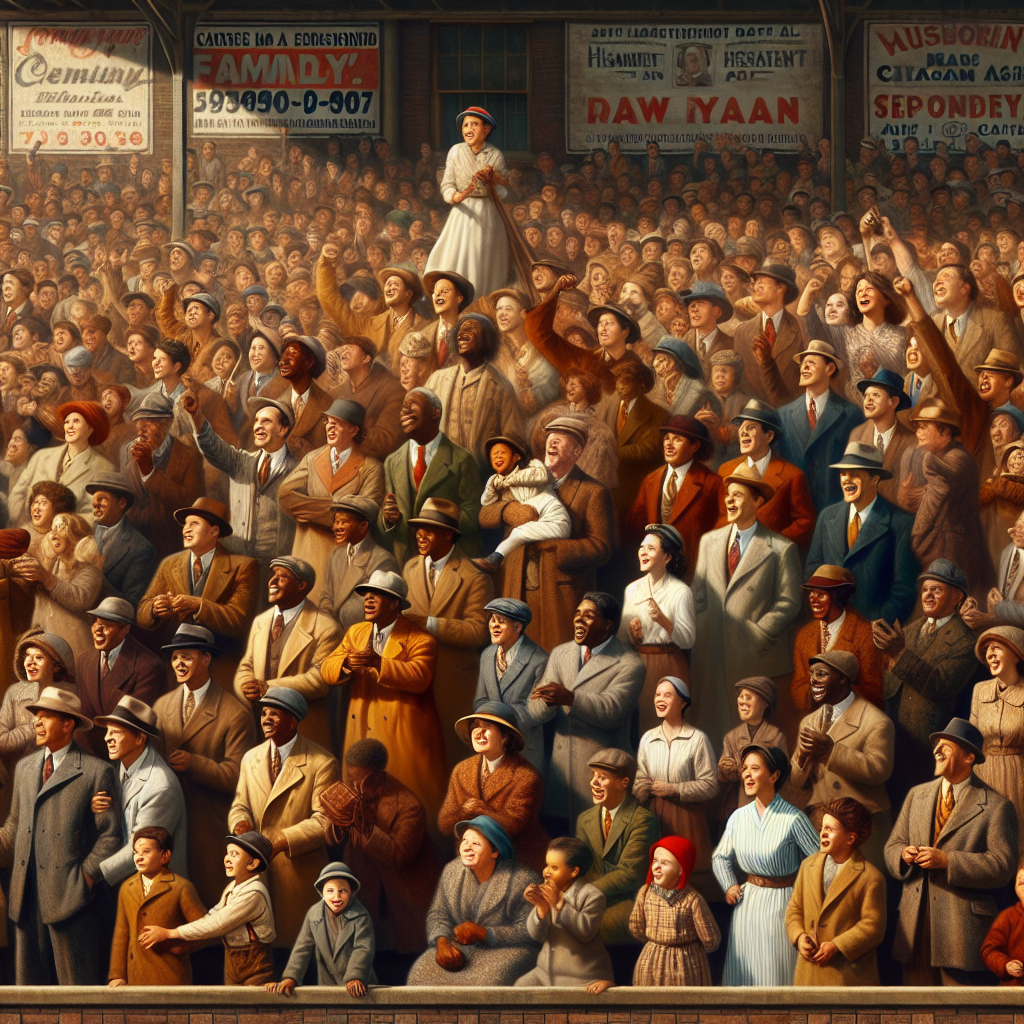
The 1930s were a tumultuous time in the United States—a decade marked by the harsh economic realities of the Great Depression. This period brought widespread unemployment, poverty, and uncertainty, as millions of Americans struggled to make ends meet. Amidst this adversity, baseball emerged not only as a source of entertainment but also as a beacon of hope and unity. This article explores how the sport helped lift the American spirit during one of the most challenging eras in the nation’s history.
Baseball, known as America’s pastime, served as a welcome diversion from the daily struggles faced by many. With industries shuttering doors and the economy at a standstill, the simple joys of the game provided much-needed relief. Major League Baseball (MLB) games became an affordable form of entertainment. Tickets cost as little as fifty cents, offering fans an opportunity to escape their worries, if only for a few hours. The ballparks were environments where the economic status of attendees didn’t matter; what mattered was the love of the game.
Radio broadcasts further spread the influence of baseball during these difficult times. As radio sets became household staples, they allowed people to follow their favorite teams and players from the comfort of their homes without having to spend money they didn’t have on game tickets or travel. The voices of legendary broadcasters like Red Barber and Mel Allen became mainstays in living rooms across America, bringing the excitement of each pitch and play to life and helping to instill a sense of community and hope among listeners.
Baseball Stars of the 1930s
The stars of the 1930s baseball era also played a significant role in inspiring and uplifting the American public. Players like Babe Ruth, Lou Gehrig, and Joe DiMaggio became larger-than-life figures, known for their on-field prowess and off-field charisma. Ruth continued to awe fans with his towering home runs, while Gehrig’s unyielding determination and record-setting playing streak earned him the nickname “The Iron Horse.” These players were more than athletes; they were symbols of perseverance, resilience, and excellence at a time when these qualities were needed most.
Moreover, these baseball icons became relatable heroes for people dealing with the harsh realities of daily life. Ruth was known for his rough-and-tumble background, making him an emblem of how determination and talent could lead to success. Lou Gehrig’s infamous “Luckiest Man on the Face of the Earth” speech in 1939, delivered as he faced a debilitating illness, underscored themes of gratitude and fortitude in the face of adversity. Their personal stories resonated deeply with people struggling to find their footing in a world that seemed uncertain and precarious.
As these players achieved incredible feats and broke records, they inspired countless fans who held onto their stories as tangible proof that success and victory were possible despite challenging circumstances. The achievements of baseball greats became benchmarks in a time of struggle, offering a form of solace to those who needed to believe in the possibility of their own brighter future.
Baseball as a Unifying Force
Baseball also played a crucial role in unifying a fractured society. During the 1930s, racial, social, and economic divides were prevalent, but baseball had the unique ability to bring people from diverse backgrounds together in this common love for the sport. The ballpark was one of the few places where people, regardless of their background, could gather and cheer for a common cause—as adoring fans rallying behind their team.
This shared love for the game not only provided an escape from financial hardship but also created a sense of community among fans. While the country was grappling with unemployment rates that hovered around 25%, baseball made the concept of teamwork and collaboration real for everyday people. It reminded fans that just as a team must work together to win games, communities must band together to overcome hardship. This message of solidarity, though often unspoken, resonated deeply across America during those challenging years.
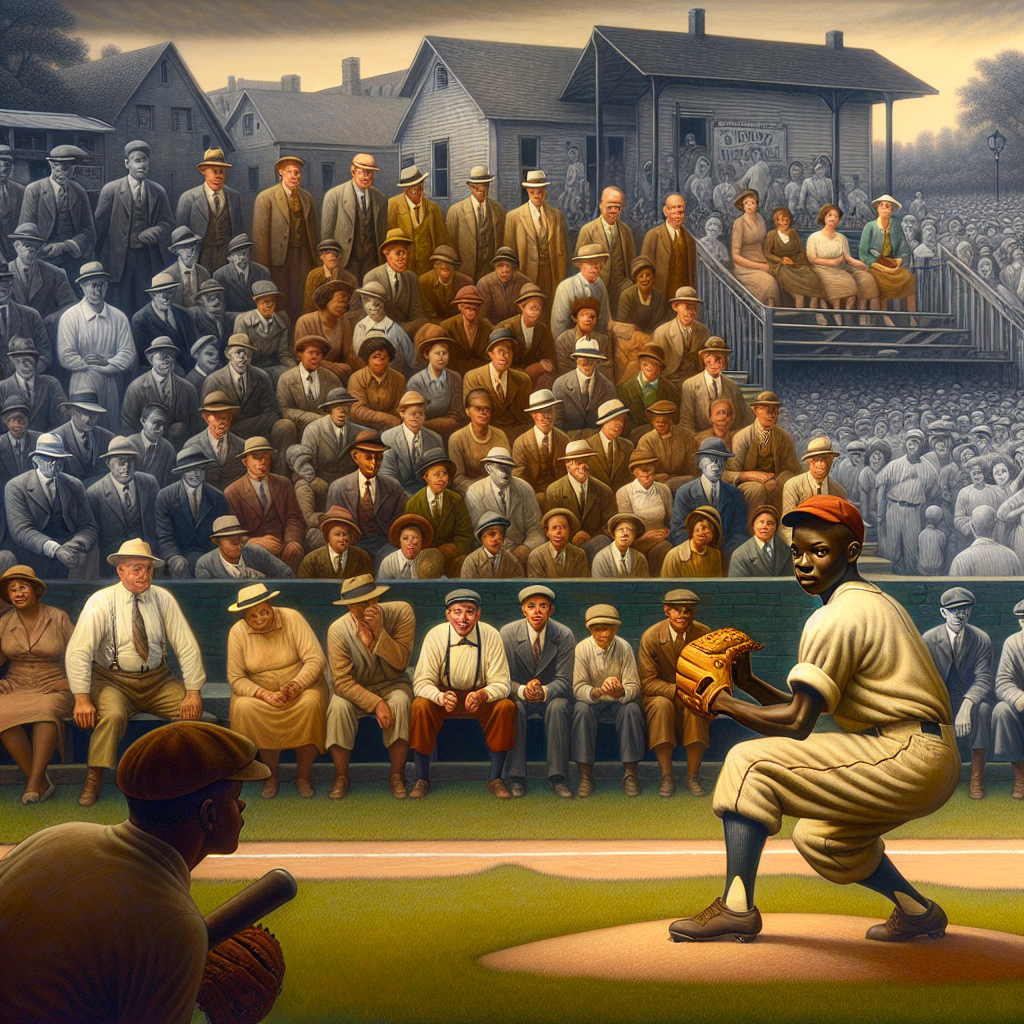
Additionally, baseball began to subtly challenge racial divides within society. Although the major leagues remained segregated until Jackie Robinson’s debut in 1947, the 1930s saw some significant shifts in attitudes towards inclusion in sports. The Negro Leagues were thriving, showcasing African American talent that the societal segregation kept out of the predominantly white major leagues. These games attracted large audiences, including white fans who recognized the quality and skill of the players, fostering an implicit acknowledgment of equality in ability if not opportunity.
Economic Impacts of Baseball
Apart from its social impact, baseball contributed to the economy during the Great Depression. While it may not have been seen as a significant economic driver, the sport nonetheless played a role in sustaining local economies. Ballparks created jobs, from the vendors selling hot dogs to the staff responsible for maintaining the fields. These venues, although fewer than today, were bustling with activity on game days, providing employment opportunities during a time when job availability was scarce.
The economic stimulation extended beyond the confines of the ballpark. Baseball-related businesses, from sporting goods manufacturers to teams’ official merchandisers, provided employment and maintained production lines. These industries gained a boost from the public’s enduring interest in baseball, which did not wane despite financial hardships. Fans spent money on hats, jerseys, pennants, and even cards featuring their favorite players; all these purchases helped pump much-needed dollars back into the economy.
The attention and fanfare surrounding the World Series and All-Star Games added to this economic impact. These events drew large crowds and offered opportunities for local service industries, such as hotels, restaurants, and transport services, to benefit from the influx of visitors attending the games. In many ways, baseball’s economic contributions were a microcosm of hope—however small—that suggested eventual economic revival.
Baseball Innovations
The 1930s were also marked by innovations in baseball that left lasting impacts on how the game was played and consumed by fans. One notable development during this era was the introduction of night games. Baseball games had traditionally been played during the day, which limited attendance figures to those who could afford to take the time off to attend. But the introduction of night games, which started with the first Major League night game in 1935 at Crosley Field in Cincinnati, opened up new possibilities for fans who worked during the day.
This innovation not only led to increased game attendance, as more working-class people found themselves able to attend games after their workday, but it also brought about a shift in the economics of baseball games themselves. Teams could capitalize on prime-time exposure, resulting in greater attendance and greater revenue, while also facilitating more extensive radio broadcasts that synchronized with these new night games, reaching an even wider audience.
Moreover, these innovations reflected a degree of optimism. The ability to adapt and innovate—even in the difficult environment of the 1930s—demonstrated resilience. Just as teams adapted to changing conditions to attract more fans and improve their financial standing, so too were American citizens seeking ways to adapt to their new economic realities, often drawing inspiration from the creativity and flexibility exhibited by their favorite teams.
The Legacy of the 1930s Era in Baseball
The legacy of baseball during the 1930s lingers on, having cemented the sport’s status as intertwined with the American identity. The ability of baseball to provide comfort, hope, and unity during a period of widespread economic distress speaks volumes about its cultural significance. While times have changed and society continues to evolve, the stories and lessons from the 1930s remain potent reminders of how sport can transcend mere competition and become a force for good.
The heroes of the diamond during that decade continue to inspire new generations of athletes and fans alike. Their legacies are enshrined not only in the records they set but in the history of the sport they helped shape. Fans today still draw from the same spirit of resilience and hope that resonated with Americans of the Depression era.
Furthermore, the 1930s underscored the notion that baseball is much more than a game; it is a cultural phenomenon capable of embodying and reflecting the values, struggles, and aspirations of a nation. As MLB has grown into a global enterprise, the ideals that were reinforced during the 1930s—the commitment to hope, resilience, unity, and innovation—continue to define its character. Baseball emerged from the decade of the Great Depression not just as a game but as a steadfast symbol of America’s spirit, echoing its motivational power far beyond the lines of the ballpark.
Conclusion
The role of baseball during the Great Depression extends far beyond mere entertainment. It served as a beacon of hope, offering much-needed solace and distraction during one of the most challenging periods in American history. As the nation grappled with overwhelming financial hardship and uncertainty, baseball stood as a testament to the power of community, resilience, and unity.
Through the stardom of players like Babe Ruth and Lou Gehrig, the innovation of night games, and its role as a unifying force across racial, social, and economic lines, baseball became an enduring symbol of hope. It reminded people that even amid struggle, there is room for joy, camaraderie, and triumph. Baseball’s contribution to both the emotional and economic landscape of 1930s America cannot be understated, and its lasting legacy in society continues to be evident today.
While the world has evolved since the 1930s, the spirit of baseball during that era remains a powerful narrative of hope and perseverance. As new challenges arise in society, the lessons from this remarkable period continue to inspire, reminding us all of the enduring power of sport to heal, unite, and uplift the human spirit.