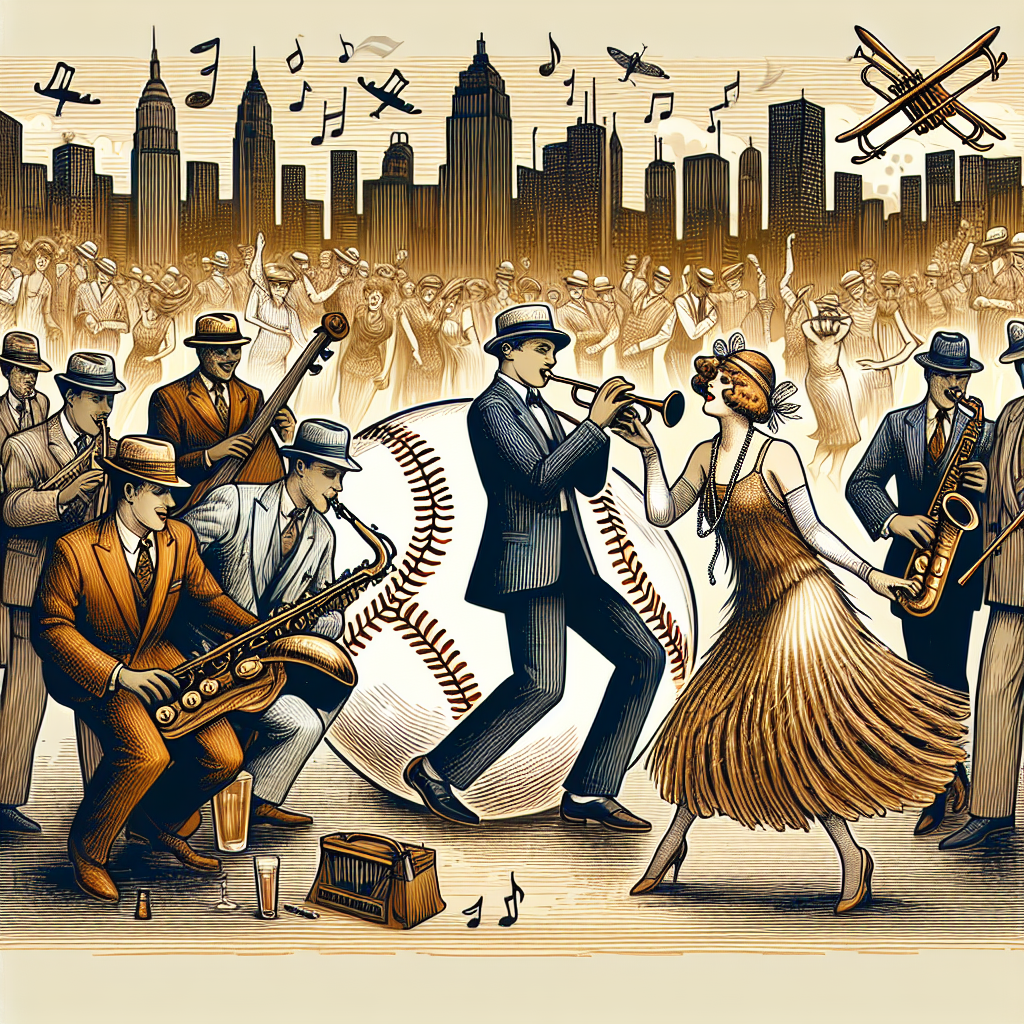
When historians and cultural critics explore the dynamics of the 1920s, often heralded as the Jazz Age, they touch on themes of transformation, rebellion, and innovation. Defined by the crescendo of jazz music, dazzling flapper culture, and the transformative post-war economic landscape, the era belonged to a society moving swiftly towards modernity. However, one quintessential American pastime played a quiet yet profound role in shaping this zeitgeist: baseball. The 1920s were a crucial period for baseball, establishing it as more than just a sport. It was a movement intertwined with social, economic, and cultural facets of life in the United States. This era witnessed the sport transitioning from an athletic competition to an emblem of the American spirit, assisting in defining societal norms, building bridges across ethnic divides, and providing an escape during post-war adjustment. Let us delve into the enchanting relationship between 1920s baseball and society, unraveling how this cherished sport encapsulated and influenced the ever-vibrant Jazz Age.
The Rise of Babe Ruth and the New Baseball Hero
Within the narrative of baseball’s influential thrust into the Jazz Age, one cannot overlook the monumental figure of Babe Ruth. Bursting onto the scene with the New York Yankees, Ruth was not merely an athlete, but an icon—a household name symbolizing strength, charisma, and hope. His larger-than-life persona and epic home runs redefined baseball, drawing unparalleled attention to the sport and the players within it. The reverberations of Ruth’s triumphs were felt throughout American society as he broke records and challenged pre-existing notions of what was possible on the field. Ruth’s impact was not limited to the diamond; he also was instrumental in the sport’s commercialization, endorsing everything from cigars to automobiles, cementing the role of the athlete in media and advertising. This commercial expansion of baseball paved the way for the modern relationship between sports and society. His influence extended further, coming to symbolize the American dream—the concept that irrespective of one’s humble beginnings, greatness was within reach.
Baseball as a Cultural Melting Pot
The 1920s saw significant waves of immigration, and cities were bustling with cultural diversity, a mosaic rich with varying traditions and aspirations. Baseball emerged as a unifying force amidst these myriad differences, bringing people together under common cause and passion for the game. Reflecting the diverse fabric of American society, this sport encouraged the mingling of various ethnic groups such as Italians, Irish, African Americans, and Eastern Europeans, each bringing unique traditions and perspectives. However, the racial integration of baseball lagged, with the Negro Leagues flourishing separately, giving voice and opportunity to talented African American players in an era of racial segregation. The presence of these leagues was vital—both as a stepping stone towards eventual racial integration in the Major Leagues and as a testament to talent flourishing despite societal constraints. This adaptability and openness of baseball to change and diversity played a crucial role in its widespread adoption as America’s pastime, making it a powerful symbol of unity amidst diversity.

The Economic Impact of Baseball
During the 1920s, baseball’s economic influence was palpable both in direct terms and via deeper societal implications. Professional games attracted crowds in droves, boosting the economy through ticket sales, merchandise, and subsequent spending in local economies by visitors to stadium locales. Stadiums themselves became architectural symbols of the era, grandiose constructions reflecting the prosperity and grand ambitions of the time. The sport’s economic impact extended into employment opportunities, especially within city centers where games were held, influencing sectors from transportation to hospitality. On another level, baseball’s economic imprint extended to broadcasting innovations; as radio emerged as a major medium, broadcasting baseball games created a new industry and revolutionized how people experienced games. Baseball games became communal events, enjoyed within the intimacy of home or gathered around retail store windows, further entwining the sport into the cultural fabric of American society.
The Role of Baseball in Social Change
Baseball in the 1920s wasn’t just a leisure activity; it also played a pivotal part in social change and progress. The sport was a platform for challenging social norms, setting examples of perseverance, hard work, and hope in the face of adversity. Post-World War I, America was undergoing rapid societal transformations, and baseball kept pace, serving as a reflection of these shifts. Women, for instance, began to take a more prominent role in both spectatorship and the organizational aspects of the game, during a period where broader discussions about gender roles and rights were gaining traction. Additionally, the baseball community increasingly spotlighted discussions on fairness, especially in salaries and player’s rights—debates that mirrored wider labor movements of the time. Indeed, the dynamics of ownership, player autonomy, and contractual freedom began echoing larger societal themes, underscoring baseball’s position not only as a game but as a vital part of American life experiencing its own shifts and growing pains.
Literary and Media Contribution to the Social Fabric of Baseball
As cultural hubs developed, so too did the storytelling landscape, with baseball becoming an inspiration for literature, theatre, and media of the time. Renowned writers and journalists like Ring Lardner and Damon Runyon elevated the narratives surrounding baseball heroes into chronicles of American folklore. Their stories immortalized the nuances of the sport and etched its heroes into America’s cultural memory, with tales of games becoming metaphors for life’s broader dramas. Simultaneously, the rise of radio broadcasting during this era allowed the game to infiltrate homes, critiquing divisions and uniting families around common auditory experiences of games. These literary and auditory contributions not only shaped baseball’s perception across America but also cemented its role as a central pillar of popular culture. This intersection of baseball, media, and literature displayed the sport not just as a pastime but a canvas for storytelling, encapsulating grand narratives and shared human experiences in a time of great societal evolution.
Conclusion: A Legacy Interwoven with Society
The 1920s stand as a pivotal decade in the history of both America and its beloved sport of baseball. This remarkable era saw the two inexorably linked, with baseball emerging as both product and driver of the Jazz Age’s dynamic changes. It acted as a mirror reflecting societal transformations and a crucible where new cultural norms were forged. From its heroes becoming household figures and breaking athletic barriers, to its capacity as a melting pot of ethnic diversity and social change advocate, the influence of baseball extended well beyond the confines of a diamond. Its deep-seated cultural presence promoted economic evolution, pushed the boundaries of social acceptance, and left an indelible mark on American identity and consciousness. The legacy of baseball during the 1920s is not one of mere sport, but a profound testament to its integral role in shaping and being shaped by the lively, transformative tide of the Jazz Age. Today, as we look back, baseball in the 1920s remains emblematic of an America eager to write itself anew, capturing the heart and soul of a nation in a moment of exhilarating change.