
Baseball holds a hallowed place in the hearts of America, often referred to as the country’s national pastime. However, beyond its capacity to entertain, the game has played an instrumental role in confronting and overcoming some of America’s most challenging societal issues, particularly racism and segregation. This role was not instantaneous but developed over decades of tension, struggle, resilience, and triumph. Indeed, baseball has long served as a microcosm of American society, reflecting its diversity and prejudices, its battles, and its victories. As we explore baseball’s journey through history, it’s essential to understand how the sport has intersected with broader social movements and contributed to the ongoing fight for racial equality.
The roots of baseball in America are almost as deep as the roots of the nation itself, with the sport being cultivated in the mid-19th century. It was a time of great national strife, where issues of race and identity were central to the American consciousness. While baseball quickly grew in popularity, forming organized leagues by the late 1800s, African American players were systematically excluded. Despite their exclusion, African Americans established their own leagues, known as the Negro Leagues, where they showcased incredible talent and passion for the game. These leagues were not just about sport; they were about representation, pride, and defiance in the face of segregation.
The Negro Leagues: Defiance and Excellence
The Negro Leagues stood as a testament to resilience and an unyielding pursuit of excellence amidst systemic discrimination. Founded in the 1920s, these leagues became the heart of African American baseball, providing a stage for legendary talents like Satchel Paige, Josh Gibson, and Cool Papa Bell. These players became household names within the African American community and beyond, their prowess on the diamond challenging commonly held prejudiced notions about black athletes.
Beyond mere athletics, the Negro Leagues were spaces of cultural significance. They brought communities together during hard times, offering hope and entertainment. They were also business enterprises run largely by and for African Americans, contributing to the economic progress within communities. Social historians note that the Negro Leagues became a source of immense pride and were crucial in creating an identity and legacy that extended beyond baseball itself.
Despite their undeniable talent, players from the Negro Leagues could not ignore the haunting reality of racial segregation. When they traveled for games, they faced discrimination and injustice—denied entry into hotels, restrained to certain restaurants, and often subjected to racist abuse. These experiences only fueled their determination, uniting them in the fight not just for acceptance in baseball but respect in society at large.
Jackie Robinson: Breaking Barriers and Beyond
The slow crumble of racial barriers in baseball reached a pivotal point with the introduction of Jackie Robinson. On April 15, 1947, Robinson took to the field for the Brooklyn Dodgers, becoming the first African American to play in Major League Baseball in the modern era. His entry was not simply a sports milestone; it was a seismic cultural moment that reverberated across the nation. Jackie Robinson’s courage and resilience faced off against overt hostility and discrimination, both from fans and fellow players. However, his undeniable skill and composure became a beacon of hope and a symbol of possibility.
Robinson did not just break the color barrier; he shattered preconceived notions about African American athletes. His perseverance and success on the field opened doors for others, directly influencing other sports leagues and broader societal integration movements. Additionally, Robinson’s achievement emphasized the unsustainability of segregation, echoing the ongoing civil rights movements fighting for equality. His journey from the Negro Leagues to the Hall of Fame made him an icon, not just in sports but in the American civil rights narrative, symbolizing progress through courage and determination.
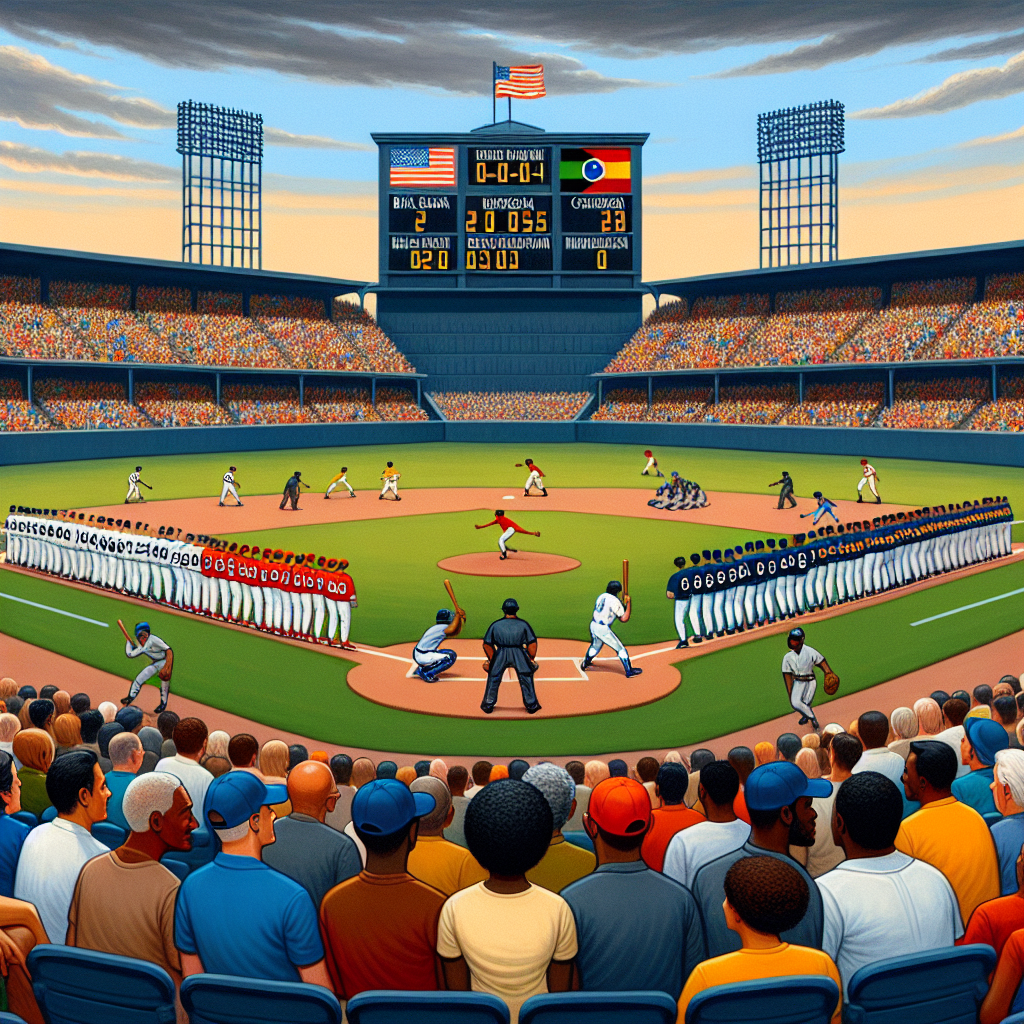
The Civil Rights Movement and Baseball
The integration of Major League Baseball (MLB) did not instantly erase racism within the sport or the broader society. However, it set the stage for greater societal equality, coinciding with the burgeoning Civil Rights Movement. By the 1950s and 1960s, baseball players became prominent advocates for civil rights, with many using their platforms to address racial injustices faced by African Americans across America.
Players like Hank Aaron, Willie Mays, and Frank Robinson not only broke records but broke down racial barriers, proving that talent knew no borders. Their impact transcended sport, with many engaging in community activism, fundraising for civil rights causes, and partnering with figures like Martin Luther King Jr. This symbiotic relationship between the civil rights movement and baseball highlighted the sport’s power to influence public opinion and catalyze change.
The visibility of African American players in the MLB and their off-field actions motivated others to question the status quo. It encouraged broader integration throughout American society, proving that change was not only necessary but possible. As baseball continued to serve as a platform for black excellence and resistance, it reminded the nation of the ongoing fight against racism in all its forms.
The Role of Hispanic and Latino Players
While African American players were at the forefront of racism and segregation struggles within baseball, Hispanic and Latino players also faced and fought against similar challenges. As baseball’s reach expanded beyond the United States, so too did its diversity. However, this resulted in new layers of complexity in the fight against discrimination.
Latino players, much like their African American counterparts, often encountered significant barriers and biases. Roberto Clemente, who debuted in the MLB in 1955, became a trailblazing figure, not only for his outstanding athletic ability but also for his fervent advocacy against racial and ethnic prejudice. An outspoken advocate for equal rights, Clemente worked tirelessly to shine a light on the injustices faced by Latino players and communities.
He and many others brought attention to issues that weren’t previously visible in American sports conversations, helping to widen the fight against racism to include race’s intersectionality with language and culture. Today, the vast representation of Hispanic and Latino players in Major League Baseball stands as a testament to their enduring legacy and the expanded fight for racial equality within the sport.
Baseball Today: Continuing the Legacy
The legacy of baseball in battling racism and segregation lives on in today’s sporting world. While the journey towards truly equitable treatment continues, baseball has evolved into a more inclusive game. The MLB has recognized the historical importance of its African American pioneers, interweaving their narratives into the broader baseball story to educate and inspire future generations.
Initiatives abound, aiming to diversify baseball further and to ensure it sets a standard for sports equity and inclusion. Programs focused on youth outreach in minority communities have sought to bridge the gap created by years of segregation, offering training, mentorship, and opportunities to young players from diverse backgrounds.
Moreover, dialogues about race, equality, and justice remain ever-present in baseball discussions, with players and organizations routinely advocating for societal change. Social justice campaigns within the sport ensure that baseball not only honors its past integration efforts but also seeks to be at the forefront of contemporary movements for equality.
Conclusion: Reflection and Path Forward
As we reflect on the history of baseball, it’s clear that the sport has played a crucial role in the fight against racism and segregation in America. Baseball serves as both a mirror and a hammer – reflecting societal challenges while also breaking down barriers. From the establishment of the Negro Leagues to the pivotal breakthrough achieved by Jackie Robinson, each era’s struggles and triumphs have laid the groundwork for the next.
The indelible marks left by African American and Latino players have reshaped professional sports and significantly contributed to the broader narrative of civil rights in the United States. Their legacies remind us that sports can be a powerful force for change, bridging divides and fostering understanding and unity.
Looking forward, baseball continues to hold the potential to further the conversation on race and equality. With its commitment to inclusion, the sport illustrates that the fight against racism and segregation, while markedly transformed, is far from over. By celebrating its diverse history and acknowledging its critical role in social movements, baseball remains a vital thread in the fabric of America’s ongoing narrative quest for equality.
Frequently Asked Questions
1. How did baseball help in the fight against racial segregation in America?
Baseball played a transformative role in the battle against racial segregation primarily through the breaking of racial barriers and the establishment of the Negro Leagues. The debut of Jackie Robinson with the Brooklyn Dodgers in 1947 is a pivotal moment that many recognize as a significant stride toward integration. Robinson’s entry marked the beginning of the end for the color line that had excluded African American players from Major League Baseball (MLB), challenging societal norms and encouraging other sectors to re-evaluate segregative practices. The game of baseball became a unifying platform where talent trumped color, underscoring the inherent value of inclusivity in competition.
Beyond Robinson, countless other African American and Afro-Latino players followed his path, each contributing to breaking down the barriers of prejudice with their undeniable skill and dignity. The integration of baseball demonstrated a microcosmic reflection on a larger stage, offering audiences a tangible example of equality and collaboration across racial lines amidst America’s tumultuous fight for civil rights.
2. What were the Negro Leagues, and what role did they play in advancing racial equality?
The Negro Leagues were professional baseball leagues comprised exclusively of African American teams, formed due to the exclusion of black players from Major League Baseball. Founded in the early 20th century, these leagues served as vital platforms for African American athletes to showcase their talents. Figures such as Satchel Paige, Josh Gibson, and Cool Papa Bell rose to legendary status within the Negro Leagues, gaining immense popularity and respect despite being denied entry to the MLB at the time.
More than just sporting arenas, the Negro Leagues were cultural and economic institutions within African American communities, symbolizing resilience and solidarity. Newspaper articles at the time frequently highlighted the on-field effectiveness and charismatic personalities of Negro League players, keeping racial equality in the public consciousness. As Bull Connor and Jim Crow laws attempted to cripple racial advances across the United States, these leagues stood as beacons of pride and perseverance, paving the way for a broader recognition of African Americans in sport and society by directly challenging the notion of racial inferiority.
3. How did Jackie Robinson’s integration into Major League Baseball impact the Civil Rights Movement?
Jackie Robinson’s historic breakthrough into Major League Baseball was not only a triumph for sports but also a catalyst for the Civil Rights Movement. By transcending the racial barriers of the MLB, Robinson’s courage and performance drew national attention to the absurdity of segregation beyond the diamond. He endured racism, hate mail, and threats with grace and remained focused on excellence, earning widespread respect from black and white fans alike.
His integration served as a living statement against prejudice, illustrating how breaking racial taboos in highly visible contexts could bolster broader societal changes. The courage and fortitude exhibited by Robinson laid groundwork for other sectors to follow, fostering an environment where racial integration was increasingly seen as achievable and necessary. As a result, a generation of African Americans was inspired to challenge the status quo, armed with the power of Robinson’s example—a living testament to the power and dignity of shared human experiences.
4. What impact did baseball’s integration have on the sport itself and its fanbase?
The integration of baseball had a profound impact on the sport and its fanbase, encapsulating a shift in cultural perceptions and engagements. With the inclusion of African American athletes, the quality and competitiveness of professional baseball were significantly elevated, showcasing a broader scope of talent. Fans began to witness a richer, more diverse roster of players who were previously excluded from the spotlight. This transition not only enhanced the game itself but also renewed its appeal across a wider demographic array of followers, many of whom previously felt excluded or marginalized by segregative practices.
Additionally, the shift spurred discussions around racial equity and equality on a larger cultural canvas. From a business standpoint, embracing integration improved viewership and attendance as fans, who had yearned for a more colorful horizon, flocked to stadiums. The changing ambiance in ballparks across the nation symbolized a gradual dismantling of ingrained racial barriers, with teams finding both athletic and commercial success through embracing diversity.
5. How is baseball currently involved in promoting racial equality today?
Baseball continues its legacy of promoting racial equality through initiatives designed to enhance diversity and inclusion both on and off the field. Major League Baseball, for instance, has implemented programs aimed at fostering talent among minority groups and historically underrepresented communities through development and mentorship academies. Efforts such as Reviving Baseball in Inner Cities (RBI) have been pivotal in providing opportunities and equipment to youth who might not have otherwise had access to the sport.
Moreover, MLB’s ongoing commitment to honor the Negro Leagues and their legacy serves as a reminder of the league’s historic struggles and triumphs. Through hosting events, educational programs, and celebrating milestones like Jackie Robinson Day annually, baseball maintains an active role in its long-standing fight against racial injustice. Players, coaches, and sports organizations today are vocal proponents for equality and continue to leverage the sport’s global platform to speak out against systemic issues, showing baseball’s enduring commitment to the cause of racial justice.