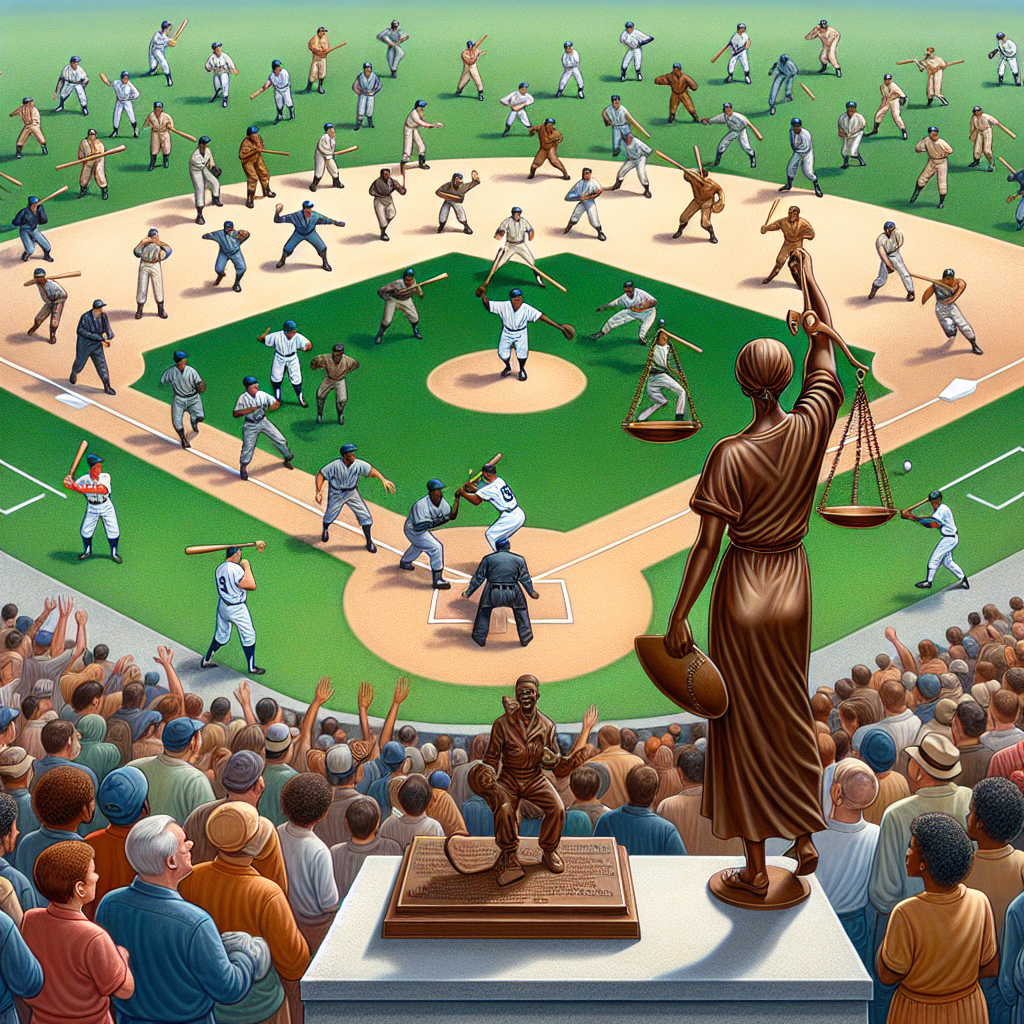
The integration of baseball began on April 15, 1947, when Jackie Robinson famously broke Major League Baseball’s color barrier by becoming the first African American to play in the league in the modern era. Robinson’s groundbreaking entry was not just a monumental moment for the sport, but it also had reverberations throughout American society during a time of deep racial segregation. Baseball, America’s pastime, became a microcosm for the broader struggle for racial equality. This was a profound legacy that continued well beyond Robinson’s historic first game with the Brooklyn Dodgers.
In the aftermath of Robinson’s debut, baseball continued to play a significant role in promoting racial equality and advancing integration. The sport became a platform where racial barriers were challenged and eventually dismantled, mirroring the broader Civil Rights Movement. As the number of African American and Latino players in MLB increased throughout the 1950s and 1960s, the league inadvertently became a haven for talented players from all races. Much like society was evolving, baseball began to reflect a new, more inclusive America where talent was the only currency that mattered.
The Integration of Baseball Teams
Following Jackie Robinson’s entrance into Major League Baseball, a slow but steady integration began across the teams. By 1959, every MLB team had signed at least one African American player, with the Boston Red Sox being the last to integrate. Though initially reluctant, the sheer talent and rising fan support for players like Hank Aaron, Willie Mays, and Roberto Clemente made integration an inevitable wave that could not be resisted.
This period saw a growing acknowledgment by team owners and coaches that African American and Latino players not only enriched the sport with their talents but also expanded baseball’s audience. These players began to earn All-Star selections, MVP awards, and Hall of Fame inductions, which not only highlighted their sporting prowess but also contributed to changing racist perceptions and advancing acceptance in broader society.
Integration in baseball set the precedent for other professional sports leagues in America, illustrating that sports could pioneer societal change. Much like the legal battles fought in courts during the Civil Rights era, the entrance of African Americans into baseball forced Americans to confront their own biases and adjust social attitudes accordingly. In many ways, baseball provided a public space where racial equality was negotiated and celebrated.
Influential Baseball Figures in Racial Equality
Beyond Jackie Robinson, several baseball figures played pivotal roles in the quest for racial equality. Larry Doby, inducted into the MLB shortly after Robinson, faced similar challenges and displayed immense courage and resilience. His impact was just as critical as Robinson’s, providing new generations of players with an inspiring role model.
Players like Hank Aaron, who faced intense racism throughout his career, shattered racial prejudices through excellence. Aaron became symbols of persistence and success, amplifying calls for equality not just in sports, but in workplaces and communities across America. He famously broke Babe Ruth’s home run record in 1974 amidst widespread harassment, yet he emerged as more than a sportsman; he was a national hero.
Roberto Clemente’s influence extended beyond racial integration; he was an advocate for Latin players and fought for their fair treatment in contracts and representation. Clemente’s legacy is one of bridging communities and emphasizing humanitarian endeavors, reinforcing the interconnectedness of racial equality and social justice.

MLB’s Role in Social Movements
Major League Baseball’s role in broader social movements did not stop with racial integration. During the Civil Rights Movement, the league played a symbolic part in echoing the call for justice. Athletes began using their highly visible platform to speak against racial injustices, aligning themselves with leaders in the social and political spheres pushing for change.
Instances of players staging silent protests and participating in Civil Rights marches were numerous. Baseball became an outlet for the voices that demanded equality, challenging societal norms and standing against segregation. The actions taken by key players and teams helped shift cultural perceptions and offered support to the burgeoning Civil Rights Movement of the 1960s and 1970s.
Even in recent years, players and the MLB have continued to support social causes. The Black Lives Matter Movement, despite being decades later, has found support among MLB players who have used social media and other platforms to voice concerns, further proving baseball’s role in ongoing dialogues about race and equality.
Sociological Impact of Baseball on Society
The presence of minority players in the MLB laid the groundwork for a deeper cultural understanding and appreciation in American society. With every home run, stolen base, and incredible catch, athletes contributed to a shared cultural narrative that emphasized diversity and inclusion.
As African American and Latino players gained prominence, so too did representation within the sport, which foreshadowed broader demographic changes in the American cultural landscape. Baseball served as an illustrative medium of a society struggling with and slowly overcoming the chains of racial discrimination.
Moreover, the financial successes and mainstream acceptance of diverse baseball players demonstrated to the public and political leaders that racial integration could be effective, enriching, and transformative. For many communities in America, baseball became a symbol of possibility and progress, just as it was a reflection of the society they were hoping to leave behind.
Continuing the Legacy of Baseball in Social Justice
Baseball continues to play a vital role in social justice today by promoting diverse participation and fostering community development through local baseball programs. The MLB, along with its teams and players, contribute to outreach initiatives within underserved communities, extending opportunities that transcend the sport itself.
The legacy of integration persists in the form of scholarships, mentorship programs, and education initiatives aiming to level the playing field for aspiring athletes irrespective of their race or socioeconomic background. These efforts highlight baseball’s ongoing commitment to using its platform to drive societal change.
Modern-day baseball serves as a reminder of the past’s challenges while looking forward to a future where racial equality and inclusion are embedded in the sport’s culture. By acknowledging its history and leveraging it for future progress, baseball remains a testament to the enduring power of sports in shaping a just and equitable society.
Conclusion: Baseball as a Beacon of Hope
Baseball’s significant contribution to racial equality post-Jackie Robinson underscores its profound influence on American society. From integrating teams to inspiring new generations of athletes, baseball has long been intertwined with the narrative of civil rights. Its story is one of transformation, from barriers to breakthroughs, and from exclusion to inclusion.
The sport’s ability to challenge norms and foster dialogue has made it a beacon of hope for countless individuals. As society continues to grapple with issues of race and equality, baseball’s legacy offers valuable insights into the manner and depth of change that is possible. It is a reminder that sports, at their best, can mirror and even spearhead social progress.
Through unity, courage, and collective vision, baseball has not only entertained but has also inspired change that echoes far beyond the diamond. As we look at today’s world, the lessons of baseball’s history remind us of our ongoing responsibility: to cherish diversity, to promote equality, and to remain steadfast in our pursuit of just societies. Baseball continues to be more than just a game; it is a reflection of what America aspires to become.
Frequently Asked Questions
1. How did Jackie Robinson’s entry into Major League Baseball influence the push for racial equality?
Jackie Robinson’s entry into Major League Baseball in 1947 was a pivotal moment in American history, one that extended well beyond the realm of sports. When Robinson donned the Brooklyn Dodgers’ uniform, he became the first African American to play in the league during the modern era. This brave act marked the beginning of the end for the racial segregation that had pervaded American sports for decades. Robinson’s debut challenged the status quo and sparked discussions about race, integration, and equality across the nation.
His ability to endure intense scrutiny and racial hostility while maintaining his composure and focus on the field provided a powerful example of dignity and perseverance. Robinson’s success helped to debunk pervasive stereotypes about the abilities and character of African Americans in sports and, by extension, other areas of life. His integration into Major League Baseball served as a catalyst for the civil rights movement, as it demonstrated that change was possible. His presence on the field encouraged conversations about race and equality in other areas of culture and society, illustrating that the fight for equality was not only necessary but achievable.
2. What was the impact of other African American players joining Major League Baseball after Robinson?
Following Jackie Robinson’s trailblazing entry, a wave of African American and players of other minority backgrounds began to enter Major League Baseball, further transforming the sport and contributing to the broader social movement towards equality. These players brought diverse talents and skills to the game, enriching the sport and challenging the persistent racial barriers.
Notable figures such as Larry Doby, who broke the American League color barrier just months after Robinson, Roy Campanella, and Satchel Paige, among others, played significant roles in solidifying the presence of African American athletes in professional baseball. Their excellence on the field encouraged fans and teams to rethink long-held prejudices. As more African American athletes joined the league, their contributions and successes served as undeniable evidence of the argument against racial segregation and inequality. The growing integration of baseball helped lay the groundwork for other sports and ultimately influenced broader changes in American society.
3. How did Major League Baseball’s integration impact youth sports and future generations?
The integration of Major League Baseball had a profound impact on youth sports, shaping the aspirations and attitudes of young athletes across the country. As African American players began to excel in the major leagues, they became role models for young people of all races, inspiring them to pursue their dreams regardless of racial barriers. This visibility in a major league sport provided minority youth with much-needed representation, allowing them to see themselves reflected in the athletes they admired.
Youth leagues gradually followed the example set by Major League Baseball, becoming more integrated and welcoming to players of diverse backgrounds. This created an environment where young players could develop their skills on an equal footing and enjoy the benefits of teamwork and camaraderie across racial lines. Over time, these integrated experiences in youth sports fostered deeper cultural understanding and respect among budding athletes, contributing to a more inclusive sports environment and society.
4. What role did baseball play in the Civil Rights Movement?
Baseball played a symbolic and substantive role in the Civil Rights Movement, serving as a prominent stage for the fight against racial discrimination. The sport’s deep-rooted popularity across America gave it a unique position to influence public opinion. Figures like Jackie Robinson, through both their actions and words, became powerful voices in advocating for civil rights and social justice, using their platforms to draw attention to the injustices faced by African Americans.
The success of African American players in the league illustrated the absurdity of racial segregation and the failure of stereotypes, fuelling the momentum for broader societal change. Ballparks, which were often segregated at first, gradually became spaces where racial boundaries were tested and dismantled, mirroring the integration efforts seen in other public areas like schools and buses. Through the integration of baseball, the sport actively participated in redefining American cultural identity, emphasizing inclusivity and equality.
5. How does the integration of baseball continue to influence racial equality today?
The legacy of baseball’s integration continues to influence racial equality efforts today by serving as an enduring symbol of what is possible when barriers are broken down. Major League Baseball’s ongoing commitment to diversity and inclusion initiatives, such as Jackie Robinson Day, where every player wears his number 42, celebrates Robinson’s contributions and the advances that followed. These efforts serve as a reminder of the importance of continued vigilance and advocacy for equality in sports and society.
Moreover, the story of baseball’s integration is a powerful educational tool that helps younger generations understand the history of racial discrimination and the ongoing fight for social justice. As professional sports maintain a significant influence on international and national cultures, the lessons learned from baseball’s journey towards racial equality continue to provide hopeful reminders that progress, while challenging, is achievable. The sport remains a testament to the positive changes that diversity and inclusion can bring, inspiring ongoing efforts to create equal opportunities for all.