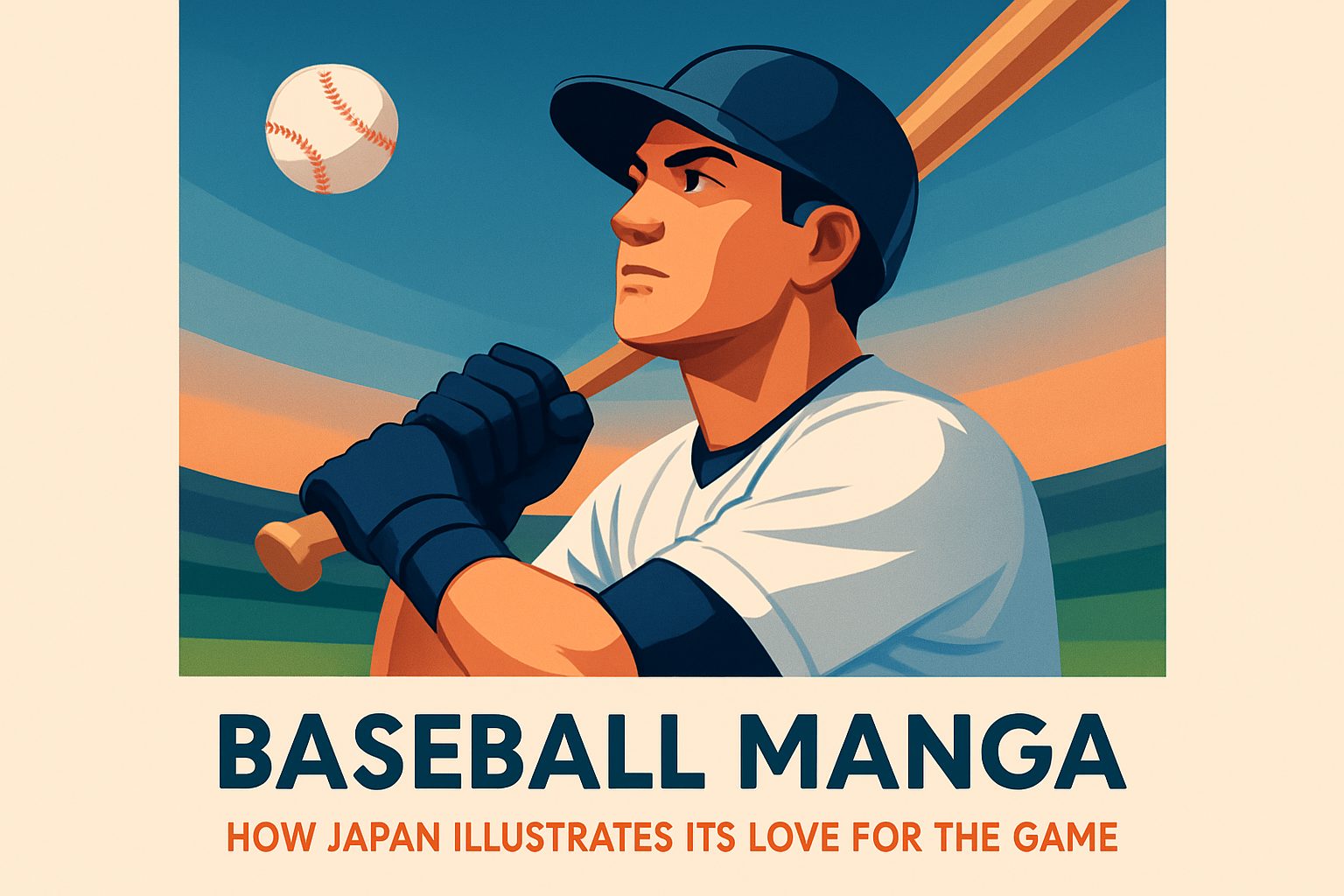
Baseball is more than just a sport in Japan; it is a cultural phenomenon that has seeped into various facets of everyday life. One of the most compelling intersections of art and sport lies within the pages of manga, where baseball finds a unique narrative and aesthetic expression. This article explores the role of baseball in Japanese manga, examining how these illustrated stories reflect Japan’s deep-seated love for the game. Through gripping storylines, engaging characters, and intense sportsmanship, baseball manga captures the essence of what makes the sport so revered in Japan.
Manga, a style of Japanese comic books and graphic novels, transcends mere entertainment. It serves as a mirror reflecting societal values, interests, and trends. Baseball manga combines this illustrative art form with the excitement and strategy of the sport, offering readers not just an escape from reality but an insight into the dynamics of baseball as it is played and cherished in Japan. The significance of baseball manga is evident as it appeals to young readers aspiring to athletic greatness and older fans reliving their youth through nostalgic narratives.
The intersection between baseball and manga is significant not just for sports enthusiasts but also for cultural historians, educators, and anyone interested in how nations express their identity through pop culture. This blend of sport and storytelling uniquely contributes to both the understanding of Japanese culture and the global appreciation of manga. By dissecting key aspects of baseball manga, this article will shed light on why this genre remains integral to Japanese cultural storytelling.
The Appeal of Baseball in Japanese Manga
In Japan, baseball, or “yakyuu,” gained immense popularity following its introduction in the 19th century. The game’s strategic complexity resonates deeply with Japanese cultural values such as persistence, teamwork, and discipline. Therefore, when manga creators seek engaging narratives, baseball offers a fertile ground for storytelling. The sport’s inherent drama of triumph and defeat, effort versus talent, and camaraderie under pressure align seamlessly with manga’s narrative flair.
An iconic example is the manga series “Touch” by Mitsuru Adachi. This series beautifully captures the suburban Japanese experience through its relatability and emotional depth. “Touch” focuses on the twin brothers Uesugi, who play baseball and grapple with life’s challenges. It transcends the simple act of playing baseball by delving into themes of family, love, and loss, making it a timeless staple of baseball manga. Such stories keep readers invested because they offer more than just baseball action; they provide rich character arcs and life lessons that resonate with the audience.
Main Characters and Archetypes in Baseball Manga
Baseball manga often introduces readers to a vivid cast of characters, each with distinct personalities and roles that mirror real-life team dynamics. Common archetypes include the passionate underdog, the stoic team captain, the prodigy, and the unconventional coach. These characters allow readers to explore various human experiences and emotions, offering avenues for personal identification or aspiration.
“Ace of Diamond” by Yuji Terajima exemplifies this aspect by focusing on Eijun Sawamura, a spirited pitcher with unpredictable talent. Throughout the series, Sawamura’s journey illustrates the challenges faced by athletes: managing self-doubt, competitive pressures, and the constant pursuit of personal improvement. His character development showcases the resilience inherent in sports and mirrors the trials and tribulations many readers face in their own lives.
| Character Archetype | Description | Examples from Manga |
|---|---|---|
| Underdog | A struggling player with potential | Eijun Sawamura (“Ace of Diamond”) |
| Prodigy | A naturally talented player | Goro Honda (“Major”) |
| Team Captain | A strategic and charismatic leader | Kaoru Shimizu (“H2”) |
| Coach | An inspiring yet strict mentor | Coach Anzai (“Slam Dunk”) |
Intricate Game Detailing and Realism
Baseball manga not only focus on character development but also pay close attention to the technical aspects of the game, which can enthrall readers who appreciate the sport’s complexity. Detailed illustrations of pitching grips, batting stances, and strategic playbooks bring the game to life on paper. This devotion to realism is a hallmark of the genre and ensures that even the most die-hard baseball fans are satisfied.
For example, “One Outs” by Shinobu Kaitani elevates the psychological aspect of baseball by highlighting the cat-and-mouse game between pitcher and batter. The protagonist, Toua Tokuchi, is a master of psychological warfare, turning baseball games into intense mental battles. This approach enriches the drama while providing insight into the mind games that underpin professional sports. Such meticulous attention to game details deepens readers’ understanding of baseball, making it accessible and exciting, even to those unfamiliar with the sport.
Baseball as a Metaphor for Life
Beyond the nuts and bolts of the sport, baseball manga often frame baseball as a metaphor for life’s unpredictable journey. This thematic depth resonates with readers, offering narratives that emphasize the value of perseverance, teamwork, and passion. The genre frequently portrays baseball as a crucible where human virtues are tested and forged.
In “Major” by Takuya Mitsuda, protagonist Goro Honda’s life is interwoven with baseball from childhood to professional play. His relentless pursuit of excellence and ability to overcome adversity serve as an inspiration to readers. The manga draws parallels between the struggles on the baseball field and the broader challenges in life, thereby offering hope and motivation to its audience. The portrayal of baseball as a metaphor for life’s trials reinforces its status as Japan’s national pastime and a cornerstone of its cultural storytelling.
Impact and Influence on Japanese Pop Culture
The popularity of baseball manga significantly influences Japanese pop culture, shaping perceptions of both manga and sports. These stories are not confined to comic pages; they inspire other forms of media, including anime adaptations, live-action movies, and merchandise that extend their influence further, both domestically and internationally.
Titles like “Slam Dunk,” although focusing on basketball, owe part of their narrative structure to the groundwork laid by baseball manga. The ripple effect extends to global audiences, where the mingling of sports and manga inspires readers and animators worldwide, illustrating baseball’s universal appeal through a uniquely Japanese lens. The sustained popularity of baseball manga underscores its pivotal role in fostering a comprehensive cultural landscape, where the lines between sports fan and manga enthusiast often blur.
The Role of Modern Baseball Manga in Society
In contemporary Japan, baseball manga continue to engage new generations while retaining traditional themes. They serve as a gateway for younger audiences to experience the thrill of the sport and learn about its fundamental values. Modern baseball manga address current societal issues, such as shifting gender roles and technological innovation, adding layers of relevance and importance.
For instance, the series “Cross Game” by Mitsuru Adachi introduces fresh perspectives on gender in sports, challenging traditional stereotypes. Its storytelling encourages readers to re-evaluate their perceptions while enjoying a compelling baseball narrative. This adaptability and relevance ensure the genre remains pertinent in an ever-changing cultural landscape.
Conclusion: Embracing the Legacy of Baseball Manga
Throughout its history, baseball manga have demonstrated their ability to capture the spirit and intricacies of both the game and life. By intertwining gripping narratives with profound lessons, this genre continues to resonate with audiences, making its impact lasting and transformative. The stories within baseball manga do not merely entertain; they inspire, educate, and connect readers across generations and cultures.
For those inspired by the tales spun within baseball manga, there is a world of engaging narratives awaiting exploration. Whether through playing the sport, delving into cultural research, or exploring other forms of Japanese storytelling, the journey promises to be as rewarding as it is enlightening. As these stories have shown, the love for baseball is not confined to the field but flourishes in the hearts and minds of those who cherish its undying appeal.
In this vibrant balance of art and sport, baseball manga perpetuates its legacy, inviting readers to partake in an experience where every pitch and swing tells a story of human triumph and perseverance. So why wait? Dive into the world of baseball manga and discover the narratives that continue to inspire and captivate enthusiasts around the world.
Frequently Asked Questions
1. What is the significance of baseball in Japanese culture and how is it reflected in manga?
Baseball in Japan is not just a sport; it’s a beloved cultural institution that embodies values like teamwork, perseverance, and respect. It finds its way into various aspects of Japanese life, prominently appearing in manga. Japanese manga captures the nation’s passion for baseball through vivid storytelling, relatable characters, and themes deeply rooted in the spirit of the sport. The manga often depict the emotional highs and lows of the game, the camaraderie of teammates, and the personal growth of characters through their baseball journey, reflecting Japan’s deep-seated love and respect for the game. These illustrated stories often go beyond the game itself, delving into the intricacies of the players’ lives and the challenges they face, both on and off the field.
2. What are some popular baseball-themed manga, and what makes them appealing?
Several baseball-themed manga have captured readers’ imaginations, with “Major,” “Ace of Diamond,” and “Touch” being standout examples. “Major” follows the life of Goro Honda, chronicling his journey from a young boy enamored with the sport to a professional pitcher. “Ace of Diamond” focuses on the high-stakes world of high school baseball, bringing to life the rigorous training and the pressure to perform at championship levels. “Touch,” meanwhile, presents a coming-of-age story intertwined with family dynamics and baseball dreams. These manga are appealing because they combine intense sports action with personal storytelling, offering readers a deeply immersive experience that resonates with the broader themes of ambition, rivalry, and self-discovery. The characters’ struggles and triumphs mirror the readers’ own experiences, making the stories universally relatable and engaging.
3. How does baseball manga influence aspiring players and fans in Japan?
Baseball manga plays a significant role in inspiring young players and fans in Japan by showcasing the sport in a way that is both inspiring and educational. These stories often highlight the dedication required to succeed in baseball, emphasizing hard work, discipline, and perseverance. Characters often face challenges and setbacks but ultimately achieve their goals through relentless effort and teamwork. For aspiring players, these narratives provide motivation and serve as powerful reminders of the personal growth that comes with sports participation. For fans, they offer a deeper appreciation for the game, illuminating aspects of strategy, skill, and the emotional journey associated with playing baseball. By embodying the quintessence of baseball’s spirit, manga creates a vibrant community of fans who share a passion for both the sport and its storylines.
4. In what ways do baseball manga differ from sports manga about other sports?
Baseball manga often stand out from other sports-themed manga due to their unique portrayal of the game’s pace, strategic depth, and team dynamics. Baseball’s episodic nature allows for detailed exploration of both individual and team-based story arcs, offering rich narrative opportunities to delve into psychological and emotional aspects of the sport. The manga often emphasize scenarios that require careful planning, strategic pitching, and batting, portraying the intellectual challenges faced during the game. In contrast, other sports manga, like those about basketball or soccer, may focus more on fast-paced action and physical feats. Baseball manga also tend to highlight the cultural significance of the game in Japan, showcasing its history, traditions, and the societal role it plays, which might not be as pronounced in manga about other sports.
5. How do creators of baseball manga research and depict the sport in their stories?
Creators of baseball manga take their role seriously, undertaking extensive research to authentically portray the sport. Many manga artists and writers consult with baseball professionals, including current and former players, coaches, and industry experts, to ensure their stories are both believable and engaging. They immerse themselves in the day-to-day life of players, often visiting training sessions, games, and locker rooms to gain firsthand insights into the dynamics of baseball teams. This dedication helps them accurately depict strategies, player etiquette, and the pressures faced on and off the field. Additionally, manga creators often draw on their own experiences as baseball fans or former players, infusing their narratives with an understanding of the emotional and psychological aspects of the game. By weaving realistic portrayals with creative storytelling, they strike a balance that captivates both ardent baseball fans and casual readers.