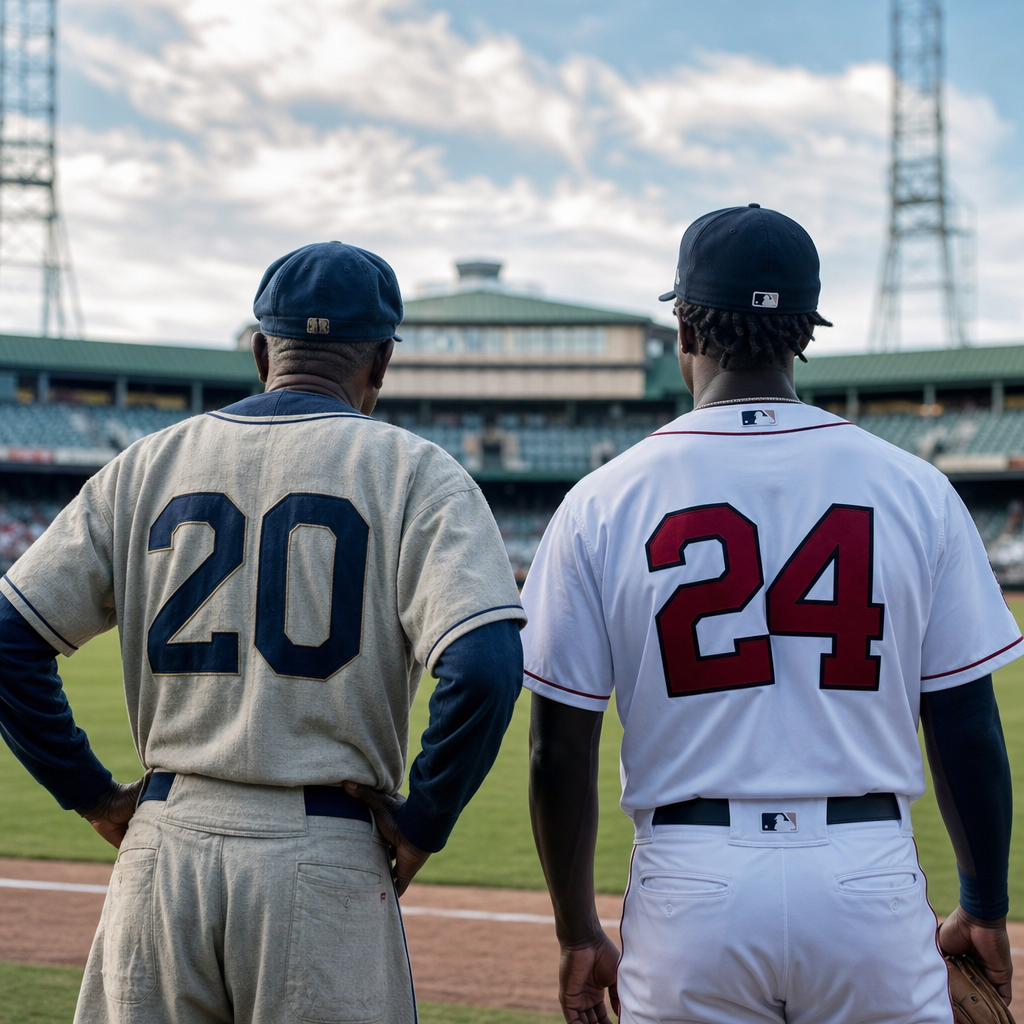
The legacy of the Negro Leagues on modern Minor League Baseball is visible in player development, community identity, promotional culture, travel realities, and the ongoing fight to tell a fuller history of the game. The Negro Leagues were not a single league but a network of Black professional baseball circuits, clubs, owners, and independent barnstorming teams that thrived mainly from the 1920 founding of the Negro National League through integration’s disruptive aftermath in the 1950s. Modern Minor League Baseball refers to the professional developmental system below Major League Baseball, including affiliated clubs and many independent teams. Studying the connection matters because today’s minor league experience, from regional fan loyalty to themed heritage nights, was shaped by ideas and practices Black baseball built under segregation.
I have spent years studying minor league operations and historic baseball archives, and one lesson keeps returning: the Negro Leagues were innovators, not side notes. They built viable franchises with limited resources, staged games as community events, developed elite talent under hostile conditions, and turned baseball into a civic institution in Black America. Many current minor league habits that seem ordinary, including flexible scheduling, creative marketing, local partnerships, and heritage storytelling, echo strategies Black owners and promoters used decades ago. To understand modern minor league culture, especially outside the major league spotlight, you have to understand how the Negro Leagues created opportunity, identity, and spectacle when mainstream baseball excluded them.
How the Negro Leagues Built a Blueprint for Local Baseball Culture
The Negro Leagues proved that a baseball team could be more than a farm club or a roster pipeline; it could be a community anchor. Teams such as the Kansas City Monarchs, Homestead Grays, Newark Eagles, Birmingham Black Barons, and Chicago American Giants represented neighborhoods, churches, businesses, and Black newspapers as much as they represented standings. Modern Minor League Baseball depends on that same local attachment. When a club sells itself as a city symbol, partners with civic groups, or frames a ballpark as a public gathering place, it is following a model Black baseball refined under segregation.
Owners and executives in the Negro Leagues understood that attendance rose when fans felt social ownership of the club. Cumberland Posey of the Homestead Grays, J.L. Wilkinson with the Monarchs, and Effa Manley of the Newark Eagles all treated baseball as both sport and institution. Manley in particular remains a landmark figure: she handled business operations, advocated for civil rights, and understood promotion at a level many executives still chase. Minor league front offices today pursue school partnerships, sponsor local causes, and build neighborhood campaigns because baseball survives best when it feels woven into local life. The Negro Leagues demonstrated that principle long before modern sports marketing departments gave it a name.
Another enduring influence is the game-day event itself. Negro League clubs often paired baseball with bands, parades, celebrity appearances, and social events, especially on weekends and holidays. Fans came for competition, but they also came for atmosphere. That approach anticipated the modern minor league emphasis on entertainment beyond the field. Mascots, themed uniforms, fireworks, live music, and heritage nights are contemporary expressions of an old reality: for many clubs below the major league level, selling a memorable community event is just as important as selling nine innings.
Player Development, Scouting, and Opportunity
The Negro Leagues also shaped modern thinking about talent identification and player development. Because Black clubs operated without the financial security or structural support white organizations enjoyed, they had to scout aggressively and evaluate talent with precision. Managers and owners found players in sandlots, semipro circuits, town teams, and barnstorming tours. They valued versatility because short rosters and unstable travel demanded it. In today’s minor leagues, positional flexibility, makeup, durability, and adaptation still matter because clubs need players who can move quickly across levels and roles. Black baseball did not invent scouting, but it elevated resourceful scouting into an operational necessity.
Examples are everywhere in baseball history. Jackie Robinson played for the Kansas City Monarchs before signing with the Brooklyn Dodgers organization in 1945. Willie Mays developed with the Birmingham Black Barons before joining the New York Giants system. Roy Campanella played in Black baseball as a teenager. Monte Irvin, Satchel Paige, Buck Leonard, and Hank Thompson all came through Negro League environments that demanded high baseball intelligence. Their success after integration was direct evidence that the talent base had always been major league caliber. Modern minor league evaluators still rely on the same core lesson: elite players can emerge outside privileged pipelines if scouts know where and how to look.
The developmental structure was different from today’s affiliated ladder, but the underlying principles are familiar. Repetition against strong competition, constant travel, adaptation to uneven playing conditions, and pressure to perform for paying crowds accelerated growth. Negro League players often learned to handle hostile environments, doubleheaders, and rapid tactical adjustments. That toughness maps onto one of the hardest truths in modern Minor League Baseball: advancement depends not only on tools but on resilience. When organizations praise players for baseball instincts and professionalism, they are describing qualities Negro League veterans had to master simply to survive.
| Negro Leagues practice | Modern minor league parallel | Why it matters |
|---|---|---|
| Scouting overlooked players in local and semipro circuits | Finding talent in nontraditional pipelines, indy ball, and smaller programs | Broadens access and improves roster value |
| Players handled multiple positions and unstable schedules | Organizations prize versatility and adaptability | Creates roster flexibility and faster promotions |
| Games were marketed as social events | Theme nights, concerts, and community activations | Drives attendance beyond pure baseball demand |
| Teams depended on regional identity and Black press support | Clubs rely on hyperlocal branding and media partnerships | Strengthens loyalty in smaller markets |
| Travel and logistics required resourceful operations | Minor league clubs maximize lean staffing and efficient scheduling | Operational discipline keeps clubs viable |
Barnstorming, Scheduling, and the Economics of Survival
One of the clearest links between the Negro Leagues and modern minor league life is economic realism. Black clubs often faced unstable league structures, inconsistent access to ballparks, weather risk, unfair booking arrangements, and long travel by bus. To survive, they relied on barnstorming, neutral-site games, weekday flexibility, and strategic scheduling around local demand. That improvisation sounds familiar to anyone who has worked around minor league scheduling, where weather, venue access, affiliate priorities, and travel costs shape the calendar as much as competitive theory does.
Barnstorming deserves special attention because it changed how baseball was sold. Teams such as the Monarchs traveled widely, playing local opponents and drawing crowds in places major league clubs ignored. This expanded baseball’s geographic footprint and trained operators to think regionally, not just within league lines. Many independent and minor league clubs still use that mindset when they schedule exhibition games, education-day matinees, holiday specials, and non-baseball stadium events to increase revenue. The principle is straightforward: a lower-level club cannot wait passively for fans; it must actively create occasions worth attending.
Negro League clubs also showed how baseball businesses could function with lean infrastructure. Front offices were small. Revenue streams were narrow. Publicity depended heavily on relationships with Black newspapers such as the Pittsburgh Courier and Chicago Defender. Yet the best organizations built recognizable brands and sustained fan interest over time. Modern minor league teams operate in a different legal and commercial environment, but they still live close to this edge. Ticket sales, sponsorships, concessions, merchandise, and local media support remain fundamental. The Negro Leagues offer a historic case study in how to build loyalty when resources are constrained and every home date matters.
Promotion, Branding, and the Modern Heritage Night
Modern Minor League Baseball is famous for creative branding, alternate identities, specialty jerseys, and local storytelling. Some of that culture descends from broader sports entertainment trends, but a meaningful share reflects practices Negro League baseball normalized. Black teams understood that identity had to be vivid and legible. Club names, uniforms, newspaper coverage, and star personalities were all part of the product. Fans were drawn not only to winning but to style, charisma, and the sense that attending a game connected them to a larger story about pride and possibility.
Today, when minor league teams host Negro Leagues tribute nights, wear throwback uniforms, or partner with the Negro Leagues Baseball Museum in Kansas City, they are doing more than staging nostalgia. At their best, these events help correct the public record and connect local audiences to overlooked baseball history. MLB’s decision in 2020 to recognize the Negro Leagues as major leagues gave these tributes greater factual weight. Statistics from leagues including the Negro National League, Eastern Colored League, American Negro League, East-West League, Negro Southern League, and Negro American League are now incorporated into the major league historical framework. That recognition has encouraged minor league clubs to treat Black baseball history as central, not decorative.
Still, there is a difference between meaningful commemoration and shallow promotion. The better clubs pair uniforms with museum exhibits, local historians, school programming, and direct explanation of segregation, ownership, and player migration. They name figures like Rube Foster, the visionary founder of the Negro National League, and explain why his organizational work mattered. They discuss Toni Stone, Minnie Miñoso’s connections to integrated baseball pathways, and the role of Black newspapers in sustaining the sport. When done well, heritage programming turns a ballpark into a classroom without losing the joy that drew fans there in the first place.
Integration’s Gains, Losses, and Complicated Afterlife in the Minors
Any honest discussion of the Negro Leagues’ legacy must include the cost of integration. Jackie Robinson’s debut with Brooklyn in 1947 was a breakthrough in American sport, but the long-term effects on Black baseball were complicated. As major league organizations signed top Black talent, Negro League teams lost their biggest attractions. Black-owned clubs and Black-controlled revenue streams weakened. In some cities, Black fans were asked to support formerly segregated institutions while seeing Black businesses and executives pushed aside. Integration expanded opportunity for players, but it also dismantled a Black baseball economy that had employed managers, scouts, secretaries, vendors, writers, and owners.
Modern Minor League Baseball inherited both sides of that history. Integrated farm systems eventually gave more Black and Afro-Latino players access to organized baseball, but representation in coaching, scouting, and front-office leadership did not rise evenly. For years, many leagues benefited from Black talent without fully preserving the institutions that had developed it. That is why preservation work matters now. When a minor league club honors Negro League history, it should acknowledge not only famous players who moved into affiliated baseball, but also the business leaders and local communities whose structures were absorbed or erased.
This complexity also explains current conversations about diversity in baseball pipelines. Programs like MLB Develops and the Hank Aaron Invitational aim to broaden access, but the barriers are real: travel ball costs, reduced urban baseball infrastructure, and uneven scouting reach all affect who enters the system. The Negro Leagues remind us that talent flourishes when communities invest in it and when gatekeepers do not restrict where they look. That lesson is practical, not symbolic, for every minor league and developmental operator today.
Why This History Matters Across the Minor Leagues and College Baseball Hub
As a hub topic within Minor Leagues and College Baseball, this subject connects to nearly every miscellaneous question fans ask. How do smaller clubs build identity? Why are heritage nights so prominent? What can independent teams teach affiliated baseball? Why do scouting and access still shape who gets seen? The Negro Leagues offer answers to all of these. They illuminate the business of regional baseball, the role of community institutions, the development of overlooked talent, and the importance of preserving local memory alongside statistics and standings.
They also provide a framework for internal exploration across related subjects. Readers interested in ballpark culture can follow the thread into fan experience and promotions. Readers focused on player pathways can connect Negro League history to scouting, independent baseball, and college recruiting. Readers curious about ownership can study Effa Manley, Cumberland Posey, and Rube Foster as executives who solved problems modern sports operators still face. The history is not peripheral miscellaneous material. It is connective tissue that helps explain why baseball below the major league level looks, sounds, and markets itself the way it does.
The lasting lesson is simple: modern Minor League Baseball did not emerge in isolation. It inherited methods, pressures, and possibilities that Black baseball sharpened under extraordinary constraints. The Negro Leagues showed how to find talent others ignored, turn games into civic events, and create loyalty with limited means. They also warn us that progress can erase institutions if history is told too narrowly. If you follow minor league or college baseball, use this story as a guidepost, then keep exploring the linked topics that grow from it. Understanding this legacy makes every roster, promotion, and hometown ballpark easier to read.
Frequently Asked Questions
How did the Negro Leagues influence the way modern Minor League Baseball develops players?
The Negro Leagues left a lasting mark on player development by proving that elite baseball talent could thrive outside the structures recognized by white organized baseball. Long before integration, Negro League clubs served as high-level training grounds where players refined their skills in demanding, often unstable conditions. Athletes were expected to be adaptable, fundamentally sharp, and mentally tough because schedules were unpredictable, travel was grueling, and competition ranged from league opponents to top-tier barnstorming exhibitions. That environment helped produce extraordinary all-around players and showcased how much talent mainstream baseball had ignored.
Modern Minor League Baseball reflects that legacy in its broader understanding of where talent comes from and how it should be nurtured. While today’s farm systems are more formalized, the underlying lesson is similar: great players are not defined solely by pedigree, geography, or access to established pipelines. The Negro Leagues demonstrated the value of scouting overlooked communities, investing in player growth, and recognizing baseball intelligence that may not fit conventional molds. In that sense, the Negro Leagues helped expand the sport’s imagination about development, opportunity, and evaluation. Their history also reminds modern organizations that player development is not just physical training; it includes resilience, versatility, professionalism, and the ability to perform under pressure.
In what ways did Negro League teams shape the community identity that is still central to Minor League Baseball?
One of the clearest legacies of the Negro Leagues is the idea that a baseball team can be far more than a sports franchise. Negro League clubs were deeply tied to the Black communities that supported them. They represented pride, economic ambition, entertainment, and visibility in a segregated America that denied Black institutions equal footing. Teams often became civic symbols, and games were social events where families, local businesses, churches, musicians, and neighborhood leaders all intersected. In many cities, supporting a Negro League club was also a way of affirming community excellence and self-determination.
That same local identity remains a defining feature of modern Minor League Baseball. Minor League clubs today are often most successful when they feel rooted in the places they represent rather than simply acting as distant affiliates of major league organizations. The Negro Leagues showed how baseball can reflect a community’s culture, struggles, humor, and aspirations. That legacy lives on whenever a Minor League team embraces local history, builds neighborhood partnerships, celebrates regional traditions, and creates an atmosphere that feels genuinely tied to its fans. The lesson is that baseball resonates most powerfully when people see themselves in the team, not just in the standings.
Did the Negro Leagues influence the entertainment and promotional culture seen at Minor League ballparks today?
Yes, in meaningful ways. Negro League baseball was highly competitive, but it also understood the importance of attracting and holding an audience in a crowded entertainment landscape. Teams and barnstorming clubs often blended serious baseball with showmanship, personality, and event-style appeal. Promotion mattered because financial survival depended on drawing crowds, especially when teams lacked the structural protections and consistent scheduling enjoyed by white leagues. Owners and promoters had to be creative, and players themselves often became central attractions because of their charisma, flair, and reputation.
Modern Minor League Baseball’s promotional culture—theme nights, heritage celebrations, fan-centered experiences, and a general emphasis on entertainment—exists in a different commercial setting, but it echoes the same core idea: baseball succeeds when it creates a memorable event around the game. The Negro Leagues helped demonstrate that excellence on the field and excitement in the stands are not opposing values. They can reinforce each other. Today, when Minor League clubs host tribute nights, educational exhibits, or culturally specific celebrations, they are participating in a tradition that recognizes baseball as both competition and communal experience. The strongest organizations understand that fans come for more than innings and box scores; they come for connection, atmosphere, and story.
What can the travel realities of the Negro Leagues teach us about the history of Minor League Baseball?
The travel realities of the Negro Leagues reveal how much endurance and logistical creativity were required just to keep Black professional baseball alive. Teams often faced exhausting road schedules, inconsistent accommodations, unsafe conditions, and the constant barriers created by segregation. Players and staff had to navigate where they could sleep, eat, and move safely while still preparing to perform at a high level. Barnstorming became not only a business strategy but also a practical response to exclusion from stable league structures and reliable revenue streams. Travel, in other words, was never just transportation; it was part of the struggle to exist in the sport at all.
This history adds important depth to the story of Minor League Baseball, which has long involved long bus rides, modest salaries, and physically demanding schedules. While modern conditions are not the same as the racialized hardships Negro League players endured, the comparison helps illuminate a broader truth: lower-tier professional baseball has often depended on labor performed under difficult circumstances. The Negro Leagues stand out because those ordinary hardships were compounded by systemic discrimination. Remembering that reality helps modern fans and historians better understand the unequal burdens embedded in baseball’s past. It also encourages a more honest conversation about player welfare, working conditions, and the human cost behind the sport’s romantic image.
Why is preserving Negro League history important to understanding modern Minor League Baseball today?
Preserving Negro League history is essential because without it, the story of baseball—and especially the story of developmental and regional professional baseball—remains incomplete. The Negro Leagues were not a side note or a novelty. They were a major network of Black professional leagues, independent teams, business ventures, and cultural institutions that flourished despite exclusion from white organized baseball. Their influence reaches into how talent was discovered, how teams built loyal followings, how baseball functioned as a community institution, and how opportunity was unevenly distributed across the sport. Ignoring that history distorts the origins of many practices and values that still matter in Minor League Baseball.
It is also important because integration did not simply “solve” the problem and create a neat transition into a better era. Integration opened doors for some Black stars, but it also destabilized Black-owned teams, leagues, and business ecosystems that had sustained baseball communities for decades. That complicated aftermath is crucial to understanding what was gained, what was lost, and why modern baseball continues to wrestle with representation, memory, and recognition. For today’s Minor League Baseball, preserving Negro League history means doing more than honoring legendary players. It means telling a fuller account of the game’s structure, economics, and culture. Museums, tribute games, historical markers, educational programming, and archival work all help ensure that the Negro Leagues are understood not as a disconnected chapter, but as a foundational part of baseball’s living heritage.