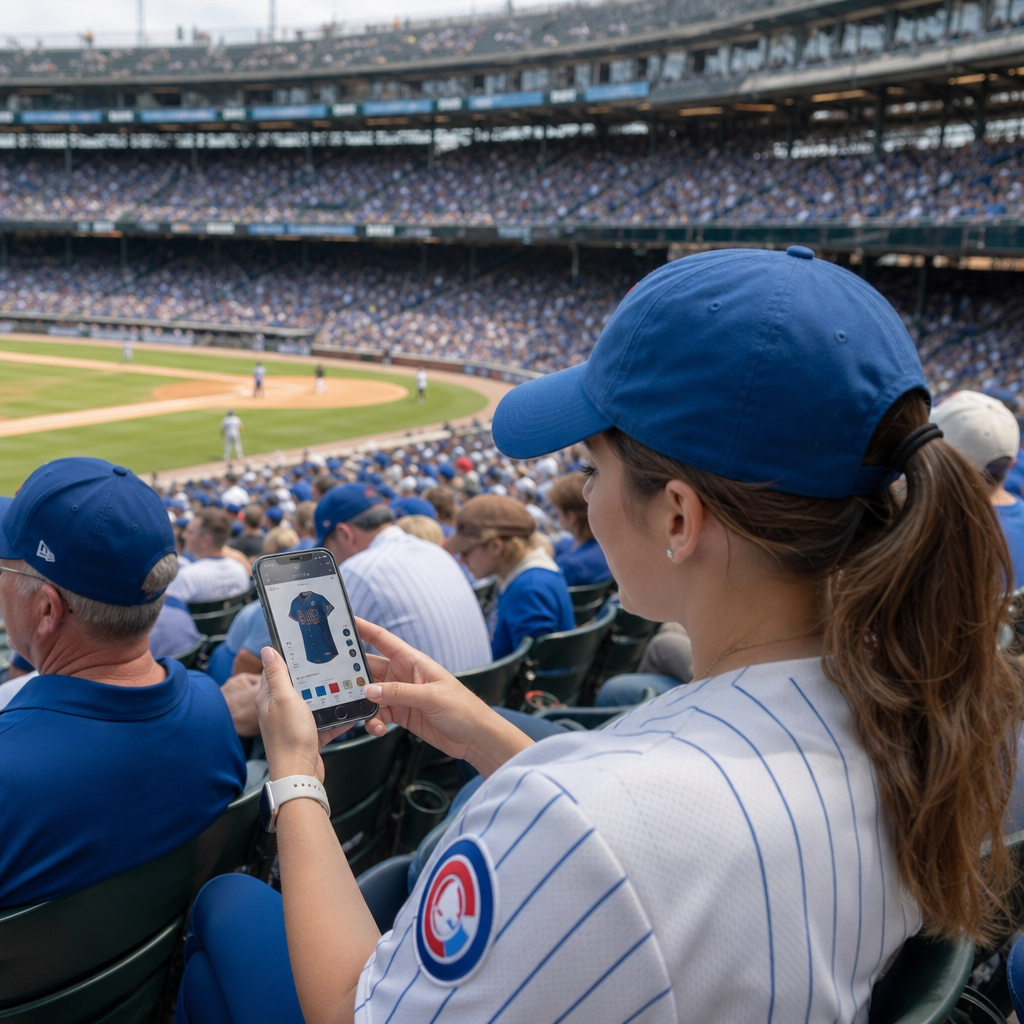
Personalized marketing in baseball has moved from simple email segmentation to a revenue engine that shapes ticket sales, media strategy, sponsorships, retail, and the in-stadium experience. In practical terms, personalized marketing means using fan data, behavioral signals, location, purchase history, and content preferences to deliver relevant offers and messages to specific individuals instead of broadcasting the same campaign to everyone. Within baseball, that shift matters because clubs operate at the intersection of sport, entertainment, and regional identity, yet they also compete with streaming platforms, other live events, and rising consumer expectations for convenience. The result is a new operating model in which technology and economics reinforce each other: better data creates better targeting, better targeting improves conversion and retention, and stronger revenue gives clubs more room to invest in the systems that deepen fan relationships.
I have seen this transition firsthand in sports marketing projects where broad promotions underperformed while segmented campaigns produced clear gains in open rates, ticket upgrades, and sponsor activation. Baseball is especially suited to this approach because the season is long, the inventory is deep, and fan engagement happens across many touchpoints. A fan might watch highlights on a mobile app, buy a single-game ticket on Friday, scan into the ballpark on Saturday, purchase concessions through a digital wallet, and browse merchandise online on Monday. Every one of those interactions can inform the next message. That is why personalized marketing in baseball is not a trend layered on top of the business. It is becoming the infrastructure for how teams understand demand, price inventory, package media, and turn casual interest into durable lifetime value.
For readers exploring innovations and changes in baseball, this hub article explains the synergy of technology and economics behind that transformation. It covers what personalized marketing looks like in modern baseball operations, which tools make it possible, why clubs invest in it, how leagues and teams balance growth with privacy and trust, and where the next wave of innovation is likely to emerge. It also serves as a foundation for related topics such as dynamic ticket pricing, connected ballparks, sports betting integrations, loyalty programs, fan data platforms, and the commercialization of streaming. If you want to understand why baseball organizations now treat data as both a competitive asset and a commercial discipline, personalized marketing is one of the clearest places to start.
Why personalized marketing fits baseball’s business model
Baseball has structural characteristics that make personalized marketing unusually valuable. Major League Baseball teams have 81 regular-season home games before the postseason, far more home dates than the NFL and more predictable scheduling than many entertainment properties. That creates abundant inventory: premium seats, standard seats, club access, parking, food bundles, theme nights, merchandise, and sponsor-backed promotions. Economically, abundant inventory creates a matching problem. Teams need to place the right offer in front of the right fan at the right time because not every customer values the same game, seat, or add-on equally. Technology solves that matching problem by turning broad demand into segmented demand.
Consider a practical example. A family that previously attended Sunday afternoon games and redeemed kids-eat-free offers should not receive the same messaging as a business buyer who purchased premium hospitality for rivalry games. The first segment is likely responsive to bundled pricing, parking convenience, and family programming. The second may care more about exclusivity, amenities, and client entertainment value. When clubs use customer relationship management platforms, identity resolution, and behavioral scoring to separate those audiences, they can improve conversion while protecting yield. In plain terms, they sell more without unnecessarily discounting to people who would have paid more.
Baseball also benefits from emotional continuity. Fans do not only buy outcomes; they buy rituals, nostalgia, local pride, and social connection. Personalized marketing allows clubs to frame those emotional triggers with precision. A lapsed season-ticket holder may respond to heritage messaging tied to Opening Day traditions. A younger digital-first fan may prefer short-form video, player-driven content, and app-based rewards. A sponsor activation aimed at youth baseball families can be connected to camps, clinics, and grassroots development. Because baseball fandom often spans generations, the sport offers a broad spectrum of preferences that reward careful segmentation rather than generic outreach.
The technology stack powering modern baseball personalization
Behind every personalized baseball campaign is a stack of systems that collect, unify, analyze, and activate fan data. The foundation is usually a CRM such as Salesforce or Microsoft Dynamics, where ticket purchases, service history, and account records are stored. Around that sits a customer data platform or identity graph that brings together digital interactions from websites, mobile apps, email platforms, point-of-sale systems, and sometimes third-party demographic sources. Teams also rely on marketing automation tools like Adobe Campaign, HubSpot, Braze, or Oracle Eloqua to trigger messages based on behavior, timing, and audience rules.
Data quality is the hidden determinant of success. In baseball, fragmented records are common because fans transact through multiple channels: team websites, ticketing partners, secondary marketplaces, concession providers, and retail systems. Without data governance, one person can appear as several partial profiles, making targeting less accurate and attribution less reliable. The clubs that outperform in personalization typically invest early in identity matching, consent management, event tagging, and standardized taxonomies for content and transactions. Those practices are not glamorous, but they determine whether a “frequent weekday buyer” segment actually reflects reality.
Analytics then turns raw data into action. Propensity models estimate who is likely to buy tickets, upgrade seats, renew plans, or churn. Recommendation engines suggest merchandise based on past purchases and team affinities. Geofencing can trigger nearby offers when a fan approaches the stadium district. In-app personalization can alter home screens according to favorite players, language preference, or attendance history. Some clubs and vendors now use machine learning for send-time optimization, offer ranking, and lookalike audience creation across paid media channels. The economics are direct: if a model improves conversion by even a few percentage points across millions of dollars in inventory, the return can justify the software and staffing investment.
| Technology | Baseball use case | Economic impact |
|---|---|---|
| CRM | Track ticket history, service interactions, and account value | Improves renewals and premium upsell targeting |
| Customer data platform | Unify web, app, retail, and stadium behavior | Raises accuracy of segmentation and attribution |
| Marketing automation | Send triggered offers before games or after purchases | Increases conversion with lower manual labor |
| Dynamic pricing engine | Adjust ticket prices by demand, opponent, and timing | Protects yield and expands total ticket revenue |
| Loyalty app | Reward attendance, purchases, and content engagement | Boosts repeat visits and concession spend |
The economics: from fan data to lifetime value
The core economic goal of personalized marketing in baseball is not merely selling one more ticket. It is maximizing customer lifetime value across all revenue streams. A fan’s value can include tickets, premium seating, concessions, merchandise, parking, streaming subscriptions, sponsor engagement, and referrals. When teams model value over time instead of by single transaction, their strategy changes. They become more willing to invest in onboarding, retention, and loyalty because a retained customer is usually more profitable than a newly acquired one, especially when media costs are high.
Dynamic ticket pricing is one of the clearest examples of technology and economics working together. Prices can change based on opponent quality, day of week, weather outlook, team performance, remaining inventory, and historical demand patterns. Personalized marketing improves that system by deciding which customers should see discounts, bundles, upgrades, or scarcity messaging. A team does not need to discount broadly for a low-demand Tuesday game if it can target value-seeking fans, neighborhood audiences, or groups with a demonstrated history of attending weekday promotions. That is smarter revenue management, not just more aggressive marketing.
Sponsorship economics have changed too. Brands increasingly want measurable audience outcomes rather than simple logo placement. Personalized marketing gives clubs a stronger sales story because they can build sponsor activations around defined segments. A financial services partner can target affluent premium-seat buyers. A quick-service restaurant can reach families attending weekend games. A telecom brand can sponsor app-based rewards for younger mobile-heavy fans. Because outcomes can be tracked through redemptions, clicks, visits, or basket size, the inventory becomes more defensible and often more valuable. In that sense, data does not only improve direct revenue; it upgrades the commercial packaging of the entire baseball property.
How teams use personalization across the fan journey
The best baseball organizations map personalization across the full fan journey rather than limiting it to isolated campaigns. Before purchase, teams use paid social, search, email, and website personalization to present relevant games and packages. During purchase, they test seat maps, financing options, family bundles, and premium upsell prompts. Before arrival, they deliver parking guidance, gate information, and weather-aware reminders. In the stadium, mobile apps can surface concession offers, loyalty prompts, and wayfinding. After the game, teams can send highlights, player content, merchandise offers, and surveys tailored to the visitor’s behavior.
One effective pattern is event-based automation. If a fan attends a bobblehead night, scans into the ballpark, and buys from a team store, the next communication might spotlight another promotional game plus a merchandise discount tied to that player. If a season-ticket member has low attendance, the service team can receive an alert and intervene with resale assistance, hospitality invites, or account support. If a single-game buyer repeatedly purchases high-value seats, that fan may be a candidate for a mini plan or premium membership. These are straightforward examples, but they matter because they convert scattered interactions into organized revenue strategy.
Streaming and content consumption add another layer. Regional sports network disruption and direct-to-consumer experiments have made audience data more important than ever. When teams know which fans watch condensed games, follow specific players, or engage with Spanish-language content, they can adapt both messaging and monetization. A bilingual household might receive different creative and community programming than a fantasy-focused digital audience. A fan who watches late-night highlights but rarely attends in person may be more responsive to merchandise or streaming subscriptions than to parking offers. The lesson is simple: personalization works best when clubs respect context, not when they chase every fan with the same sales pitch.
Limits, privacy, and what sustainable growth looks like
Personalized marketing in baseball is powerful, but it has limits and obligations. The first is privacy. Teams collect sensitive behavioral data, and fans increasingly expect transparency around what is gathered, how it is used, and how consent is managed. Laws such as the California Consumer Privacy Act, along with general data protection standards and platform restrictions on tracking, have made governance essential. Clubs that rely on first-party data, clear opt-ins, and plain-language preference centers are better positioned than those that depend heavily on opaque third-party targeting. Trust is not a soft issue. It is a commercial asset that supports retention and protects brand reputation.
The second limit is organizational maturity. Buying software does not create personalization on its own. Teams need analysts, CRM specialists, ticketing leaders, content strategists, and sponsorship sales staff working from shared goals and definitions. I have seen clubs install capable tools and still underperform because marketing, ticket operations, and digital teams used different audience rules or measured success differently. Sustainable growth requires governance, testing discipline, and executive patience. The strongest programs start with high-value use cases, prove impact, and expand from there.
Looking ahead, baseball will likely deepen personalization through predictive models, connected venues, cashless commerce, computer vision, and richer direct-to-consumer media ecosystems. Yet the winning formula will remain balanced: use technology to make experiences more relevant, use economics to allocate resources intelligently, and preserve the emotional authenticity that makes baseball fandom distinct. For organizations within the broader innovations and changes in baseball landscape, this is the hub concept to remember. Personalized marketing is not just a communication tactic; it is a strategic system linking fan insight, operational efficiency, and revenue growth. Teams, leagues, and business partners that build responsibly around that system will be better equipped to attract fans, keep them engaged, and monetize relationships over time. If you are mapping this subtopic, start by auditing your fan data, lifecycle campaigns, and value model, then build outward from what your audience actually does.
Frequently Asked Questions
What does personalized marketing mean in baseball?
Personalized marketing in baseball refers to the practice of using fan data to tailor messages, offers, content, and experiences to individual supporters rather than sending the same campaign to an entire audience. Instead of relying on broad promotions alone, teams now look at signals such as ticket purchase history, game attendance, merchandise activity, email engagement, mobile app behavior, geographic location, favorite players, preferred seating areas, and media consumption habits. That information helps clubs deliver more relevant communication, such as a family ticket package to parents who regularly attend weekend games, a premium hospitality offer to season ticket holders with high spending patterns, or player-specific merchandise recommendations to fans who frequently engage with certain content.
In baseball, this matters because fan relationships are long-term and highly varied. A first-time attendee, a lifelong season ticket member, a casual streaming viewer, and an out-of-market fan all have different motivations and value to the organization. Personalized marketing helps clubs recognize those differences and respond accordingly. It turns marketing from a one-size-fits-all broadcast model into an ongoing conversation that can improve conversions, strengthen loyalty, and create a more relevant experience across every touchpoint, from email and social media to retail, sponsorship activation, and the in-stadium journey.
Why has personalized marketing become so important for baseball teams?
Personalized marketing has become essential because baseball organizations no longer compete only on the field. They also compete for attention, discretionary spending, digital engagement, and long-term loyalty in an entertainment environment crowded with options. Fans expect convenience and relevance in the same way they do from major retailers, streaming platforms, and travel brands. If a club sends generic promotions that do not match a fan’s interests, the message is easy to ignore. If the club sends an offer that aligns with a fan’s habits, location, budget, and preferences, the chance of engagement rises significantly.
For teams, the impact goes well beyond marketing efficiency. Personalization can influence ticket sales by identifying which fans are most likely to buy mini-plans, upgrade seats, or return after a single-game visit. It can support media strategy by recommending content based on favorite players or viewing patterns. It can improve sponsorship value by helping brands reach the right fan segments with more relevant activations. It can also increase retail revenue by surfacing merchandise tied to player interest, recent purchases, or special events. Most importantly, it helps organizations build stronger fan relationships over time, which is critical in a sport built on repeat attendance, daily content consumption, and generational loyalty.
What types of fan data do baseball teams use to power personalized marketing?
Baseball teams typically use a combination of first-party and behavioral data to understand who their fans are and how they engage. Common data sources include ticketing records, account profiles, attendance history, concession and merchandise purchases, website visits, mobile app activity, email clicks, SMS interactions, loyalty program participation, survey responses, and customer service history. Clubs may also analyze location-based data, game-day entry behavior, parking purchases, content consumption patterns, and engagement with specific players, themes, or promotions. When all of that information is unified, teams can build a more complete picture of each fan rather than viewing every interaction in isolation.
The real value comes from connecting these signals into practical actions. For example, a team may identify a fan who attends rivalry games, buys jerseys, opens promotional emails, and streams pregame content. That fan could receive exclusive merchandise drops, early ticket access, and premium digital content tied to major matchups. Another fan might attend only summer weekend games with children and purchase food-and-beverage packages. That person may be better served with family-focused offers, kids club messaging, and promotions tied to school breaks. Responsible teams also understand that using data effectively requires transparency, consent, and strong privacy practices. The goal is not simply to collect more information, but to use the right information in a way that improves the fan experience and creates measurable business value.
How does personalized marketing improve the fan experience at the stadium?
In-stadium personalization can make the game-day experience smoother, more relevant, and more enjoyable from arrival to departure. Before the fan even enters the ballpark, a team can send tailored parking guidance, mobile ticket reminders, weather-based suggestions, or concession pre-order options based on prior behavior. Once the fan is on-site, clubs can use app-based messaging, loyalty tools, and location-aware experiences to highlight nearby food options, seat upgrade opportunities, family zones, special promotions, or sponsor activations that fit the fan’s profile. This reduces friction and helps fans feel like the experience was designed with their needs in mind.
Personalization also supports deeper emotional engagement. A returning fan might receive recognition for milestone attendance, a special offer tied to a favorite player, or access to content that reflects past interests. Families can be guided toward kid-friendly experiences, while premium buyers may be offered hospitality upgrades or exclusive amenities. Even postgame communication can be personalized, with thank-you messages, highlight recaps, future ticket suggestions, or merchandise recommendations tied to what happened that day. When executed well, this approach does not feel intrusive; it feels helpful. That distinction is important. The best baseball organizations use personalization to reduce guesswork, increase convenience, and make every visit feel more connected to why that fan came in the first place.
What are the biggest challenges and opportunities in personalized marketing for baseball?
The biggest opportunity is that personalized marketing can turn a large, diverse fan base into a series of meaningful one-to-one relationships at scale. Baseball is uniquely suited for this because the season creates constant engagement opportunities across home games, road games, streaming, social content, retail, community events, and sponsor campaigns. Teams that use personalization well can increase revenue from tickets, merchandise, memberships, concessions, and premium experiences while also improving fan retention. They can identify high-value segments, react faster to behavior changes, and make smarter decisions about messaging, offers, timing, and channel selection. Over time, that creates a stronger commercial engine and a more resilient fan ecosystem.
The challenge is that personalization requires more than technology. Teams need clean data, unified systems, cross-department coordination, clear measurement, and a disciplined approach to privacy and consent. Many organizations still struggle with fragmented databases, disconnected ticketing and CRM platforms, or internal silos between marketing, sales, digital, sponsorship, and operations. There is also the risk of over-messaging or using data in a way that feels overly aggressive rather than genuinely useful. The most successful clubs strike a balance: they invest in data infrastructure, define clear use cases, respect fan preferences, and focus on relevance over volume. In that environment, personalized marketing stops being a trend and becomes a long-term strategy for driving both business growth and fan satisfaction.