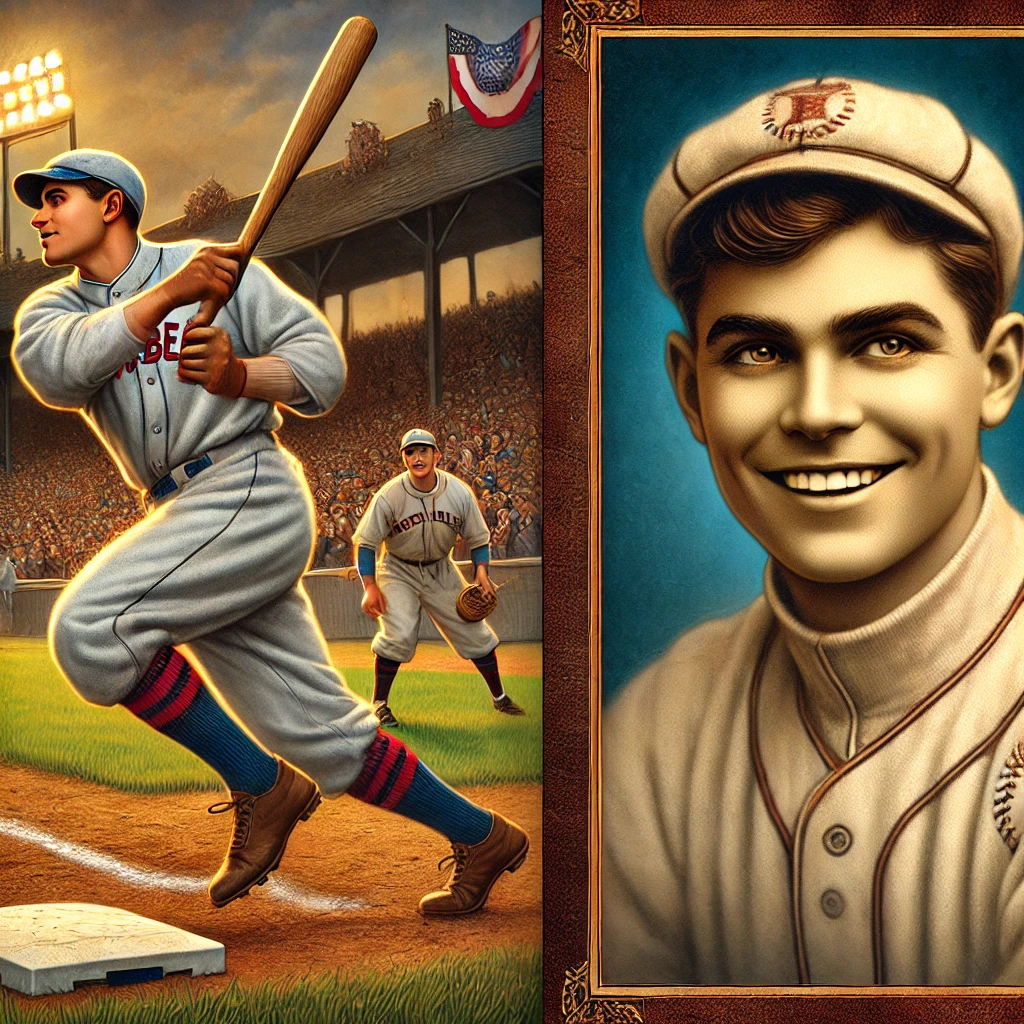
Frankie Frisch, known as “The Fordham Flash,” left an indelible mark on the landscape of baseball. Revered for his tenacious spirit and unparalleled leadership qualities, Frisch’s influence resonated through the stadiums, embodying the very essence of America’s pastime. Born on September 9, 1898, in New York City, Frisch initially seemed destined for greatness in basketball and football. However, it was on the diamond that he truly found his calling. Here, we’ll delve into the remarkable career of Frankie Frisch, exploring his journey from collegiate sports standout to a Major League Baseball (MLB) legend, and examining the leadership that cemented his legacy.
From his early years at Fordham University, where he acquired his famous moniker, to his illustrious career with the New York Giants and St. Louis Cardinals, Frisch’s story is one of relentless dedication and an insatiable drive for excellence. His tenure in baseball was marked by a consistent display of athletic prowess and strategic brilliance, both as a player and a manager. It’s no wonder that Frisch’s name still evokes a sense of awe and respect among baseball aficionados.
Frisch’s journey was not without its ups and downs. Despite facing numerous challenges, including injuries and intense competition, his resilience set him apart. This article aims to explore the various facets of Frisch’s career, highlighting his playing style, leadership qualities, contributions to team success, and the legacy he left behind. Whether you’re a die-hard baseball enthusiast or a casual fan, the story of Frankie Frisch offers valuable insights into what it takes to succeed in the world of professional sports.
Early Life and College Career
Frankie Frisch’s early years were defined by remarkable athletic versatility. Excelling in multiple sports at Fordham University, Frisch garnered attention as one of the best all-around athletes in collegiate sports at the time. His speed, agility, and competitive spirit made him a standout, and it wasn’t long before he caught the eye of professional scouts. Interestingly, it was his performance on the football field that earned him the nickname “The Fordham Flash.” Despite his prowess in football, it was baseball where Frisch truly excelled, and he decided to pursue it professionally.
In 1919, Frisch made the bold move to leave college and join the New York Giants, a decision that would mark the beginning of an illustrious baseball career. His transition from college to professional baseball was seamless, owing to his exceptional skills and robust work ethic. Known for his speed and adeptness on the field, Frisch quickly became a fan favorite. His ability to play multiple positions with equal finesse added to his value, making him a versatile and invaluable asset to the Giants.
Rise to Stardom with the New York Giants
Frisch’s time with the New York Giants was marked by numerous achievements and personal milestones. Joining the team in 1919, he quickly established himself as a key player. His unique combination of speed, defensive prowess, and batting expertise made him an indispensable part of the Giants’ lineup. Frisch’s career with the Giants saw him evolve from a promising rookie to a seasoned leader on the field.
The 1921 season was particularly notable for Frisch, as he played a crucial role in leading the Giants to the World Series title. His performance throughout the season and the World Series highlighted his ability to perform under pressure, a trait that would come to define his career. Frisch’s leadership abilities became evident during this period, as he not only contributed with his play but also inspired his teammates with his relentless drive and determination.
Leadership and Legacy with the St. Louis Cardinals
In 1926, a significant chapter in Frisch’s career began when he was traded to the St. Louis Cardinals. This move proved to be pivotal for both Frisch and the Cardinals. With his arrival, Frisch brought not only his exceptional skills but also his leadership qualities. He soon became the heart and soul of the Cardinals, earning respect for his unwavering commitment to the team’s success.
Frisch’s impact on the Cardinals was profound. Under his leadership, the team won the World Series in 1931, solidifying his reputation as an effective captain and inspirational figure. His understanding of the game, coupled with his ability to motivate and unify his teammates, turned the Cardinals into a formidable force. Frisch’s tenure with the Cardinals also saw him take on managerial duties, further showcasing his deep knowledge of the sport and strategic acumen.
Playing Style and Contributions to Baseball
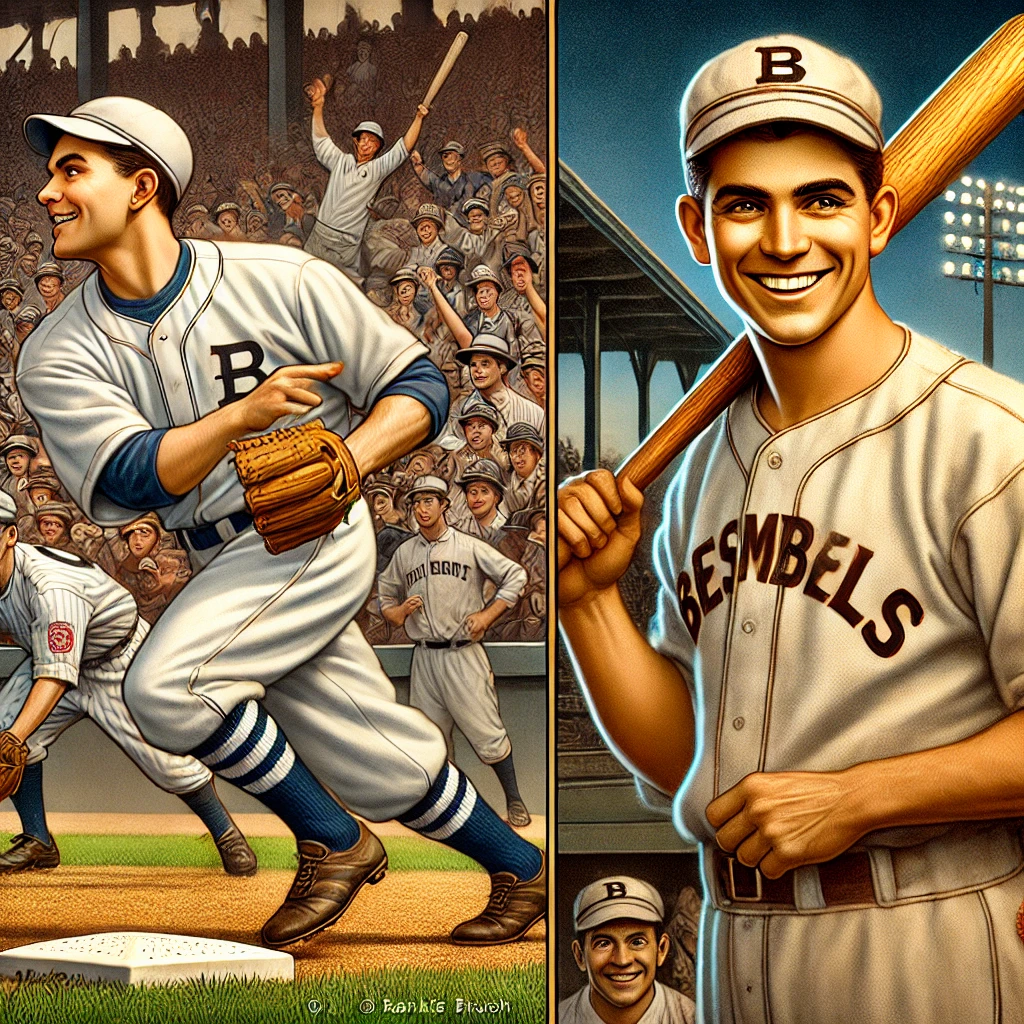
Frankie Frisch’s playing style was defined by his speed, versatility, and intelligence on the field. As a switch-hitter, he brought a unique advantage to his teams, effectively tackling both right and left-handed pitchers. His defensive versatility allowed him to excel at multiple positions, primarily second base and third base, demonstrating a wide array of athletic abilities.
Moreover, Frisch’s aggression on the basepaths and his intuitive understanding of the game made him a strategic player. His ability to read pitchers and anticipate plays provided his teams with an edge, often turning the tide in crucial moments. Frisch’s contributions extended beyond his physical abilities; his strategic input and on-field decision-making reflected his deep comprehension of baseball’s intricacies.
Post-Playing Career and Life After Baseball
After retiring as a player, Frisch transitioned seamlessly into coaching and broadcasting. He managed the St. Louis Cardinals and later the Pittsburgh Pirates, bringing his profound knowledge of the game and leadership skills to the forefront. While his managerial career had its ups and downs, it underscored his enduring passion for baseball and his desire to mentor the next generation of players.
Beyond coaching, Frisch’s stint as a broadcaster allowed him to share his insights and love for the game with a broader audience. His articulate analyses and charismatic presence made him a beloved figure among fans, further cementing his legacy in the annals of baseball history. Frisch’s post-playing career was a testament to his unwavering dedication to the sport, emphasizing his multifaceted contributions to baseball both on and off the field.
Conclusion
Frankie Frisch’s legacy is a testament to his incredible talent, leadership, and the timeless impact he had on the game of baseball. The “Fordham Flash” not only excelled as a player but also left an indelible mark as a leader and mentor. His journey from college standout to MLB legend encapsulates the spirit of perseverance and excellence. Frisch’s story serves as an inspiration, underscoring the importance of dedication, resilience, and a relentless pursuit of greatness.
As we reflect on his career, it’s evident that Frisch’s contributions to baseball extend beyond mere statistics and accolades. His leadership on the field, his ability to inspire teammates, and his strategic brilliance have left a lasting impression. Frisch’s legacy lives on through the countless players and fans he influenced, and his story remains a poignant reminder of what it means to be a true sports legend.
Frequently Asked Questions
1. What made Frankie Frisch such a revered leader in baseball?
Frankie Frisch’s leadership qualities were a unique combination of his sheer grit, passion for the sport, and his ability to inspire and unite his teammates. Often referred to as “The Fordham Flash,” Frisch brought an electric energy to the field. His leadership abilities weren’t merely about giving directions or making strategic decisions; they were about leading by example. Frisch’s tenacious work ethic, unyielding commitment to the game, and willingness to leave everything on the field earned him both respect and admiration from fellow players and fans alike. His steadfast consistency and on-field performance showcased his dedication, making him a natural leader who could rally his team in even the most challenging circumstances. His remarkable ability to connect with players on a personal level and his keen understanding of each individual’s strengths and weaknesses allowed him to effectively strategize their play, bringing out the best in his team.
2. How did Frankie Frisch transition from other sports to baseball, and did that influence his leadership style?
Before Frankie Frisch found his niche on the baseball diamond, he was deeply involved in sports like basketball and football. This early exposure to various team sports afforded him a breadth of understanding in leadership dynamics and teamwork, crucial skills that he later applied to baseball. The transition was not by accident; it was said that Frisch possessed an innate athletic ability and a competitive edge that were undeniable across sports. His experience in different team environments provided him with unique insights into motivating individuals and fostering a cohesive team spirit. As a leader in baseball, Frisch was able to draw from these diverse experiences, incorporating their lessons into his gameplay and team management. His ability to adapt and navigate through different roles and sports undoubtedly enhanced his versatility and understanding of leadership, qualities that made him a standout figure in baseball history.
3. What were some of Frankie Frisch’s most significant achievements in baseball and how did they reflect his leadership?
Frankie Frisch’s illustrious baseball career was adorned with numerous accolades and achievements, each reflecting his leadership prowess. As a player, he won four World Series titles, and his career batting average of .316 speaks volumes of his capability and consistency at the plate. He played a crucial part in teams like the New York Giants and St. Louis Cardinals, where his leadership was vital in clinching championship victories. His performance during these high-pressure situations highlighted his ability to step up as a leader when it mattered most. Moreover, Frisch’s induction into the Baseball Hall of Fame in 1947 was a testament to his impact on the sport. His career performances weren’t just about personal achievement—they often involved galvanizing his team toward success, showing resilience in the face of adversity, and leading with integrity and determination.
4. Can you describe the on-field leadership style of “The Fordham Flash” and how it affected his teammates?
Frankie Frisch’s on-field leadership style was characterized by his extraordinary ability to mentor and uplift his teammates, combined with a never-say-die attitude. Known for his feisty personality, Frisch approached the game with a fervor that was contagious. This zest for the game inspired others around him to elevate their performance. He wasn’t just concerned about winning; he instilled belief in his teammates, nurturing an environment where everyone felt valued and motivated to give their best. Frisch had an uncanny ability to read the game, and his strategic acumen meant he often thought several innings ahead, a trait that set him apart as a field general. His leadership style encouraged open communication and trust among team members, which led to more cohesive and synchronized gameplay. The impact on his teammates was profound, as his guidance often translated into increased confidence and improved individual performances.
5. How does Frankie Frisch’s legacy as a leader continue to influence baseball today?
The legacy of Frankie Frisch as a baseball leader transcends generations, continuing to influence players and managers today. Modern-day baseball still values the traits that Frisch epitomized—commitment, teamwork, and a strategic mindset. The “Frisch way” is often referenced when discussing player development and leadership in current baseball parlance. His ability to foresee and navigate challenges serves as a lesson in resilience and tactical prowess. Additionally, his approach to nurturing young talent has influenced coaching and management strategies, emphasizing the importance of building a solid team foundation and creating a winning culture. Frisch’s legacy as a leader underscores the importance of not just technical skill but also the human element of leadership—listening, motivating, and inspiring those around you.