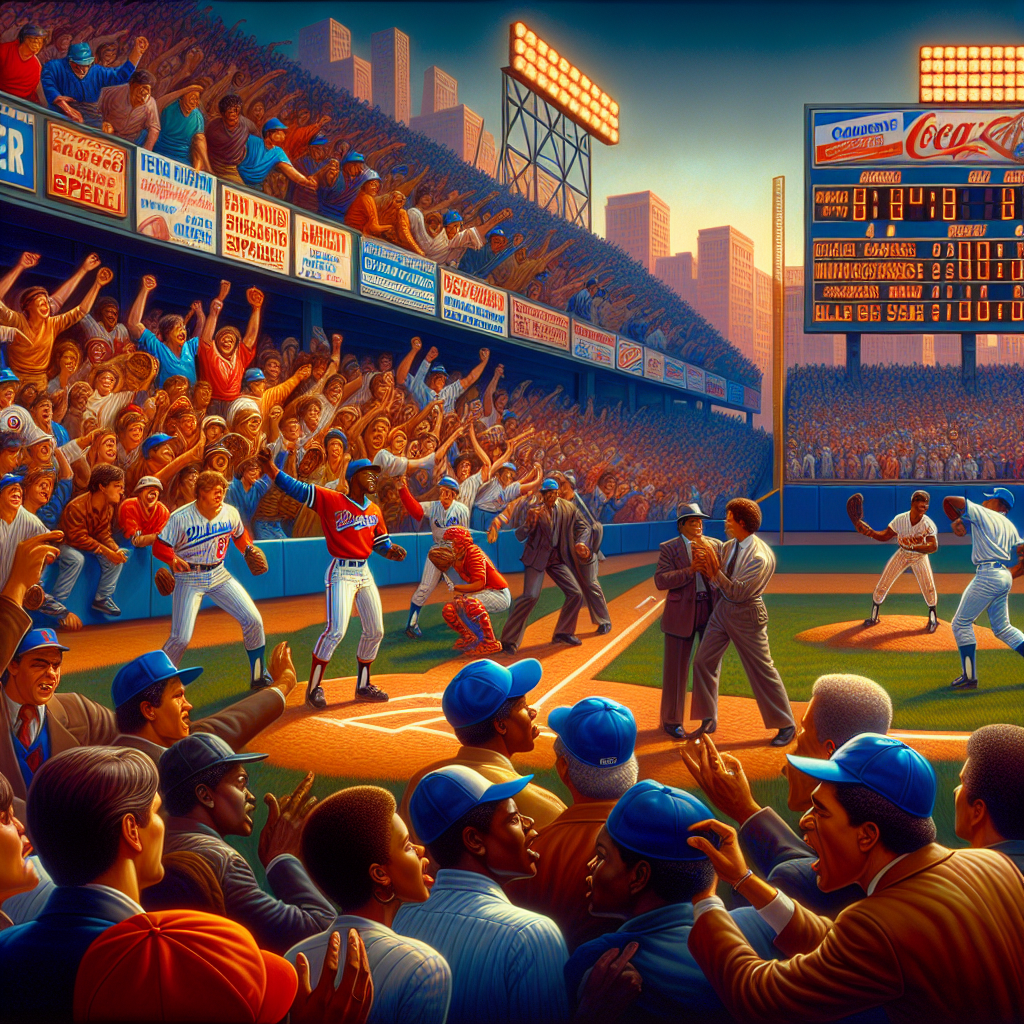
The 1980s was an era of significant evolution within the sport of baseball, marked by both exciting expansions and notable controversies. As the United States underwent substantial cultural and social changes, baseball mirrored these shifts, both on and off the diamond. Teams expanded, players achieved new feats, and technological advancements started to alter how games were viewed and analyzed. Alongside these positive developments, however, the decade was marred by controversies that shook the trust of fans and posed serious questions about the integrity of the beloved national pastime.
For many, the 1980s represented a golden age of baseball; a time where the sport flourished amid a backdrop of pop culture and a booming economy. This period heralded the rise of iconic baseball players who became larger-than-life figures, enchanting fans with their incredible skills and unforgettable personalities. Stadiums filled with eager spectators, merchandise sales soared, and the media coverage intensified. However, beneath this shiny veneer, darker issues loomed, including labor disputes, drug scandals, and the ongoing tension over racial integration within team structures.
This article will delve into the multifaceted relationship between baseball and society during the 1980s, examining how expansion efforts reshaped the league, the impact of controversies that arose, and how these factors collectively influenced the sport’s role in American culture. By reflecting on the events of this dynamic decade, we can better understand both the challenges and triumphs that baseball experienced and how these continue to affect the game today.
Expansion in the League: New Teams, New Opportunities
The 1980s witnessed significant expansion efforts in Major League Baseball (MLB), driven by the desire to reach new markets and engage more fans. Two new teams were introduced: the Seattle Mariners in 1977 and the Toronto Blue Jays in 1977, but it was the 1980s efforts that solidified their places in the league. By bringing baseball to the Pacific Northwest and Canada, the MLB sought not only to broaden its geographical reach but also to enhance the overall competitiveness of the league.
This expansion was particularly influential in Canada, where the Blue Jays quickly captured the hearts of Canadian fans. Toronto’s success in the latter part of the decade, culminating in back-to-back World Series titles in the early 1990s, showcased how successful expansion could bolster local sports markets and foster a strong sense of regional pride. The move into international territory set the stage for discussions about further globalization of baseball, a topic that remains pertinent to this day.
Additionally, the 1980s brought about changes in team management and stadium modernization, each playing a crucial role in expanding the scope and appeal of baseball. Franchises started investing more in player development and marketing strategies, recognizing the importance of building a loyal fan base beyond traditional markets. Stadiums like Oakland’s Coliseum introduced multilevel configurations and increased seating capacity to better accommodate growing crowds eager to experience the thrill of baseball.
The Rise of Iconic Players and Influential Personalities
The 1980s was a vibrant era for baseball, teeming with legendary players who captivated fans and left a lasting impact on the game. This decade produced some of the sport’s most memorable figures; players whose charisma and remarkable talent became synonymous with baseball itself. Figures such as Nolan Ryan, known for his incredible pitching prowess and relentless competitiveness, became a household name and a symbol of the spirit of the sport.
Cal Ripken Jr., famously dubbed “The Iron Man,” embodied resilience and endurance, breaking records with his consecutive games played streak, ultimately reshaping the narrative around player longevity and dedication. Ripken’s influence extended beyond his statistical accomplishments; he became a role model for many aspiring baseball players, underscoring the virtues of hard work and consistency.
Another notable personality was Rickey Henderson, whose speed and base-stealing capabilities redefined offensive strategy and earned him the title of baseball’s greatest leadoff hitter. Henderson’s electrifying style of play not only influenced tactical approaches but also drew a wider audience to the sport, particularly among younger fans eager to see dynamic and aggressive gameplay.
These iconic players, among others, helped elevate the profile of baseball during the 1980s. Their personalities and performances inspired generations while contributing to the era’s enduring allure in the annals of baseball history.
Technological Advances and Changing Media Landscapes
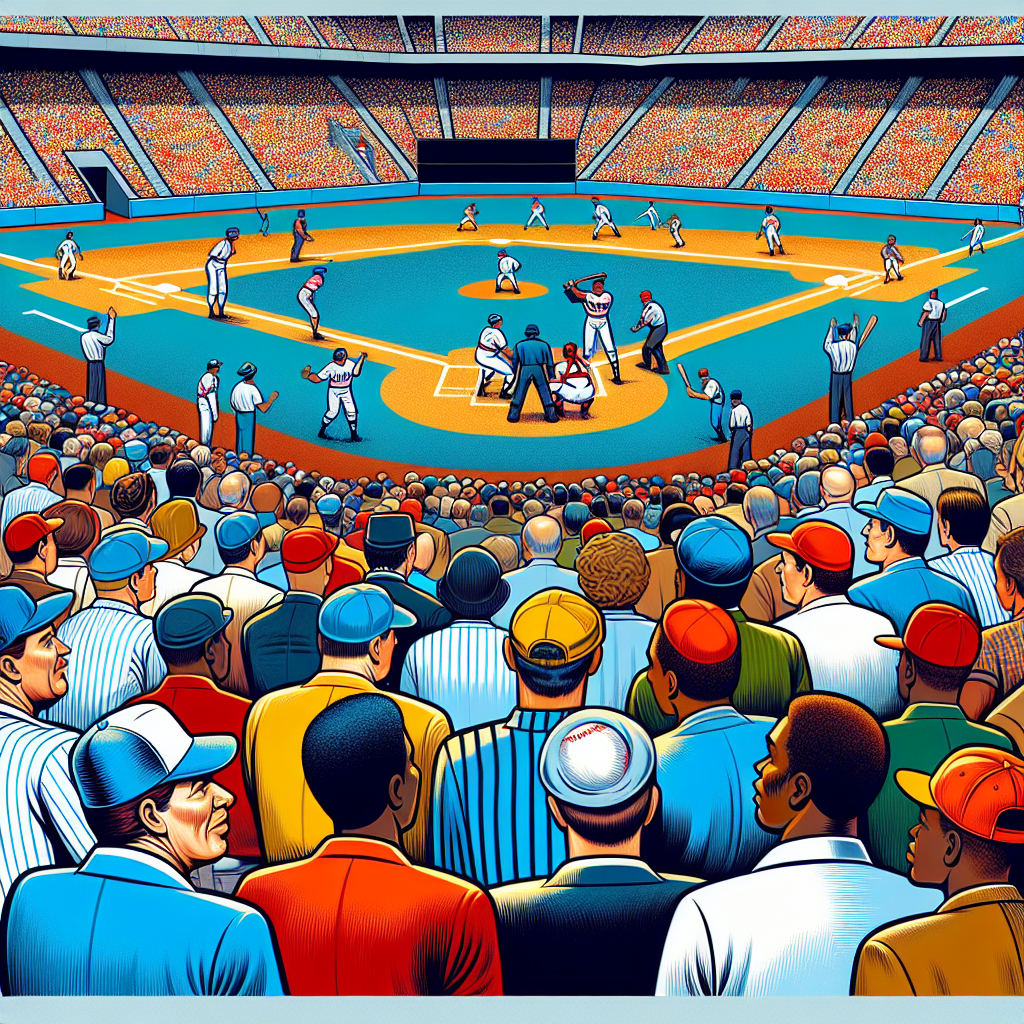
As the 1980s progressed, technological advancements began to transform the way baseball was consumed and analyzed. Television networks significantly expanded their coverage of games, bringing live action into millions of homes across America. This exposure not only increased the sport’s popularity but also altered fan engagement, as viewers were now privy to enhanced broadcasting techniques and instant replays.
Cable television, with networks like ESPN, played a pivotal role in widening baseball’s reach. With more games accessible to a broader audience, fans could follow their favorite teams and players regardless of geographic location. This development paved the way for a more united and well-informed baseball community, fostering deeper connections between fans and teams.
Moreover, the rise of computerized data analysis started to take hold in the world of baseball, foreshadowing the sabermetric revolution that would gain traction in subsequent decades. Teams began to adopt data-driven approaches for evaluating player performance and making strategic decisions, heralding a new era of analytics that emphasized the importance of statistics in shaping team management and game tactics.
These technological and media changes not only modernized how baseball was experienced by fans but also influenced the internal operations of teams and the broader business of sports entertainment.
The Controversies: Drugs, Labor Disputes, and Integrity
Despite the many positives of the 1980s, the decade was not without significant challenges and controversies, most notably involving performance-enhancing drugs and labor disputes. The specter of drug use in baseball first emerged prominently in this era, accentuated by high-profile admissions and investigations. The use of anabolic steroids and other performance-enhancers raised questions about the fairness of play and the ethics of competition.
The Pittsburgh Drug Trials of 1985 became a landmark moment, with several players testifying about cocaine use within the sport. This scandal starkly illustrated the extent of substance abuse in baseball and the broader issues the league faced regarding player welfare and maintaining the sport’s integrity. As a result, MLB was compelled to implement stronger drug policies and penalties in an effort to curb this rampant issue.
Labor disputes also punctuated the decade, with tensions mounting between players and team owners over salary caps, free agency rights, and revenue sharing. These disputes frequently led to strikes and lockouts, disrupting seasons and diminishing fan trust in the league. The 1981 strike was a particularly significant episode, having canceled a substantial portion of the season and leaving a lasting impression on players and fans alike.
Such controversies highlighted the complex dynamics at play within the world of professional baseball in the 1980s, challenging the league’s leadership to navigate these issues responsibly while striving to preserve the sport’s reputation.
Conclusion: Legacy of the 1980s in Baseball
The 1980s in baseball remains one of the most dynamic and pivotal periods in the sport’s history—a decade of great highs and notable lows, each leaving an indelible mark on how the game is played and perceived today. While the decade was undeniably turbulent, filled with challenges such as the keenly felt labor disputes and drug scandals, it was also a time of expansion that brought unprecedented growth and opportunities to baseball.
Iconic players emerged as cultural icons, captivating audiences and setting new standards for excellence in baseball performance, while technological advancements and changes in media coverage revolutionized the fan experience. These positive developments, alongside the challenges, collectively worked to refine and redefine the nature of professional baseball, forging a path that future eras would follow.
Reflecting on this remarkable decade, it becomes clear that the legacy of the 1980s in baseball extends far beyond the confines of the playing field. It is a legacy that speaks to the vibrancy of the sport, its ability to adapt and endure, and its significance within broader societal contexts. As fans and scholars continue to delve into baseball’s rich past, the events and trends of the 1980s will undoubtedly remain a subject of intrigue and admiration, offering invaluable lessons and inspiration for generations to come.
Frequently Asked Questions
1. What were the major expansions in baseball during the 1980s?
The 1980s was a transformative decade for Major League Baseball with several critical expansions that changed the landscape of the sport. One of the key expansions was the addition of new teams, notably the 1993 expansion plan that was initiated during the late 1980s, resulting in the Miami Marlins (then Florida Marlins) and Colorado Rockies joining the league eventually. This move was primarily driven by the league’s desire to tap into new markets and demographics, reflecting baseball’s growth as a national pastime in regions that had been historically underserved.
Apart from team expansion, this era also saw an expansion in the game’s media presence. Cable television played a pivotal role in broadcasting games to a wider audience, bringing baseball into living rooms across the country like never before. This expansion into cable TV was driven by technological advancements that allowed fans to view multiple games, increasing engagement and fostering a more extensive fan base.
2. What controversial issues rocked baseball in the 1980s?
The 1980s were not without their controversies, arguably the most significant of which was the Major League Baseball strike in 1981. This labor conflict led to a split season, a situation that arose from disputes between players and owners about free-agent compensation. The strike lasted for about two months and led to the cancellation of approximately a third of the season’s games, affecting team standings and playoff outcomes. This not only frustrated fans but also led to a re-evaluation of player-owner relations for future labor negotiations.
In addition to labor disputes, the 1980s saw an increase in issues related to performance-enhancing drugs, which would become more pronounced in the following decades. A number of players faced allegations related to drug use, leading to discussions on the integrity of the sport and prompting stricter drug policies and testing procedures in years to follow.
3. How did technological advancements impact baseball in the 1980s?
The 1980s were a pivotal period for baseball in terms of technological innovation. The introduction of advanced statistical analysis, popularly known as sabermetrics, began gaining ground among teams seeking a competitive advantage. Front offices started using complex data to make player acquisition and game management decisions, challenging the traditional scouting methods that had dominated the sport for decades. This approach laid the groundwork for the analytics revolution that is so prevalent in the game today.
Moreover, the decade experienced a surge in the enhancement of broadcasting capabilities. The increased use of instant replay began to be integrated into broadcasts, providing viewers with a more interactive and engaging watching experience. This technology allowed fans to see the action from various angles, breaking down plays in minute detail, and giving unprecedented insights into the mechanics of the game. This change was significant in creating a more informed and engaged fanbase, intensifying the viewer’s relationship with the sport.
4. How did cultural and social changes in the U.S. during the 1980s reflect in baseball?
The 1980s was a time of notable cultural and social transition in the United States, and baseball mirrored these shifts prominently. One of the most significant aspects was the increasing diversity in the league’s player demographics. The sport began to see an influx of players from Latin America and other regions, which enriched the game and widened its appeal globally. This melting pot effect was reflective of the broader multicultural dynamics taking shape across the country.
Moreover, the era was defined by the growing financial stature of players. With landmark free-agent signings and increasing player salaries, baseball players were becoming celebrities and public figures beyond the field. This transformation highlighted the changing landscape of fame and wealth in American culture during the ‘80s, aligning with similar trends seen in other professional sports.
5. How did players achieve new feats during the 1980s, and what impact did these have on the game?
The 1980s was a period marked by record-breaking performances and personal milestones in baseball, creating moments that would define the era. One of the most iconic was Nolan Ryan’s multiple no-hitters and staggering strikeout records, which not only elevated his legend but also started conversations on player longevity and athleticism. Cal Ripken Jr.’s consecutive games played streak also began in this era, exemplifying dedication and endurance that would captivate fans well into the 1990s.
These feats had a dual impact; they established benchmarks for future generations of players while simultaneously increasing the visibility of baseball as stories of incredible achievements captured the public’s attention. Moreover, such milestones helped to sustain interest in the sport amidst the controversies and challenges that the decade also presented, ensuring that the positive aspects of the game continued to shine through.