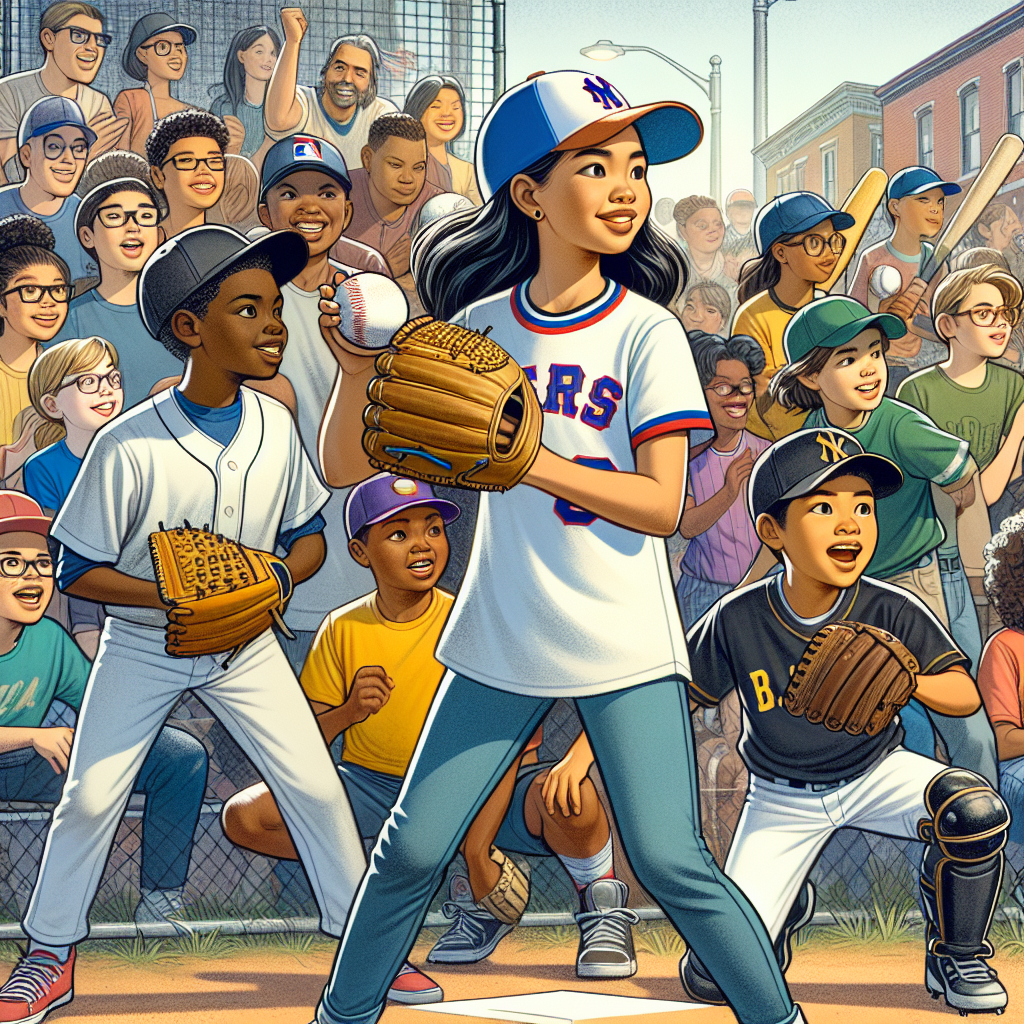
Baseball, often referred to as America’s pastime, has played an indelible role in shaping not just sports culture, but the fabric of American society itself. It has been woven into the cultural, social, and political tapestry of the nation, influencing generations and reinforcing cultural norms. A particularly interesting facet of baseball’s societal impact is its influence on youth culture and identity. Through little league games, high school championships, and major league dreams, baseball has touched the lives of young people, helping them shape their identities and navigate societal challenges.
The Early Days: Baseball as a Rite of Passage
From its earliest days, baseball established itself as a crucial part of American childhood. Becoming a rite of passage, it offered young people not only a sport to play but a framework through which to develop essential skills such as teamwork, discipline, and perseverance. The creation of Little League Baseball in 1939 exemplified this integration into youth culture. Little League teams sprouted in neighborhoods across the nation, becoming a ubiquitous presence that encouraged participation from a very young age. For many, joining a little league team was not just about learning to hit or catch, but about becoming part of a community. These experiences often instilled a sense of belonging and identity, as young players donned their uniforms and joined their peers in pursuit of victory on the field.
Moreover, the shared experiences of these formative years in youth baseball not only created long-lasting bonds among teammates but also helped establish social pecking orders and interpersonal dynamics. The lessons learned on the field, through both winning and losing, offered parallels to life’s broader trials and tribulations. Young athletes who identified with the sport often carried this camaraderie and competitive spirit into other areas of their lives, shaping their character and influencing their interactions with others.
Baseball, Schools, and Youth Identity
As children progress through school, baseball continues to be a significant element in shaping youth identity. In middle and high schools, baseball teams offer a sense of pride not only for those playing but for the entire school community. The baseball team can be a symbol of identity for the student body, bringing together individuals from different backgrounds to cheer for a common cause. Academic institutions with strong baseball programs often see them as an integral part of their reputation, further embedding baseball into the students’ sense of self.
Moreover, the social constructs surrounding school sports such as baseball play crucial roles in youth identity formation. Team sports can help break down social barriers, fostering inclusivity as they bring together a mix of personalities, ethnicities, and socio-economic backgrounds. Participation in school baseball can also help youth to align their identities with positive traits such as leadership and resilience. Students often view athletic performance as essential to their social standing, with the baseball field acting as a stage on which personal dramas and triumphs are played out.
Influence of Baseball Heroes
Heroes and role models have always been significant in shaping youth culture and identity, and baseball has furnished its fair share. Baseball legends such as Babe Ruth, Jackie Robinson, and Derek Jeter have had a profound impact on the youth, inspiring not just athletic ambition, but broader societal values.
Babe Ruth, with his charisma and unmatched skill, became a symbol of hope during challenging economic times, showing young fans that greatness was attainable regardless of one’s background. Meanwhile, Jackie Robinson broke racial barriers within baseball, courageously facing immense adversity, and in doing so, provided inspiration and a role model for countless young people of all backgrounds. His legacy goes beyond the baseball diamond, offering hope and standing as a testament to what can be achieved through courage and perseverance.
Modern-day players also hold sway over young fans, serving not only as sports stars but as influencers who can impact youth culture through their public behavior and social media presence. Athletes’ engagement in charitable efforts and advocacy for social change further amplifies their influence, providing young admirers with pathways to model behavior in society at large.

Baseball’s Cultural Intersection
Baseball has long served as a melting pot within American culture – a sport that mirrors the country’s diversity and multifaceted identity. As a consequence, the sport has influenced youth from various cultural backgrounds differently, contributing to a more inclusive youth culture. For many children from immigrant families, baseball serves as an introduction to American customs and lifestyle, offering a common ground on which cultural masks fall away to reveal shared human experiences.
Through baseball, youth from different cultural backgrounds learn about teamwork, leadership, and sportsmanship, transcending language barriers and other potential cultural divides. This aspect of cultural integration helps create a broader sense of community and understanding among young people. As these youth grow and carry these experiences into adulthood, they often become more culturally aware and tolerant of differences, advocating for diversity and inclusion in all areas of life.
Gender Dynamics in Baseball
While traditionally a male-dominated sport, baseball has seen significant progress in terms of gender inclusion, particularly in youth cultures. Girls now participate in Little Leagues and are playing at competitive levels within schools. Although challenges remain – including balancing opportunities for girls in the realm of softball versus baseball, gender barriers are progressively being challenged as society’s understanding of gender in sports evolves.
This movement towards inclusion allows young girls to develop their identities through sports, promoting empowerment and self-confidence. The presence of female players in baseball also challenges stereotypes and encourages reevaluation of conventional gender roles. As these shifts occur, they influence the broader youth culture by highlighting equality and providing role models for both boys and girls to look up to. Ultimately, the increased acceptance and participation of girls in baseball spearheads a cultural shift, advocating for complete gender inclusivity in sports.
Economic Impact and Accessibility
Socioeconomic factors play a significant role in how youth engage with baseball, influencing accessibility and consequently a young individual’s ability to identify with the sport. Baseball can be an expensive sport to play, with travel teams, equipment, and field rentals requiring significant financial investment. This sometimes hinders participation for children from lower-income families, creating disparities in youth engagement with the sport.
However, initiatives aimed at increasing baseball’s reach and accessibility are counteracting these barriers. Programs like Major League Baseball’s Reviving Baseball in Inner Cities (RBI) aim to introduce and maintain baseball in underserved areas. By providing access to equipment, coaching, and facilities, these initiatives help level the playing field, allowing youth from all backgrounds the opportunity to engage with baseball, fostering identity through sport.
The socioeconomic challenges and solutions surrounding baseball reflect wider societal issues, teaching young people about equity and resilience through their engagement with the sport. By navigating these challenges, youth enhance their understanding of society and refine their armory of personal skills that contribute to individual identity.
Conclusion: Baseball’s Lasting Impact on Youth
Baseball’s influence on youth culture is profound and multifaceted, reaching into various corners of societal norms and youth identity formation. From serving as a rite of passage in childhood to its role in shaping identity through high school sports, baseball’s enduring presence continues to mold young individuals. The sport not only offers lessons on teamwork, discipline, and resilience but also provides a medium through which broader societal issues such as diversity, gender dynamics, and socio-economic challenges can be addressed and understood.
As we look towards the future, the continued evolution of baseball within youth culture holds promise for further social progress. The sport’s influence helps foster a younger generation that values inclusivity, perseverance, and camaraderie, providing a strong foundation for them to build upon as they become the architects of future societies. The world of baseball is robust and dynamic, mirroring the ever-evolving nature of culture itself, ensuring its place as a central pillar in both sports and society for generations to come.
Frequently Asked Questions
1. How does baseball influence the development of youth identity?
Baseball plays a substantial role in the shaping of youth identity by being more than just a sport; it’s a way of life that encompasses values, teamwork, and personal development. Engaging in baseball from a young age teaches children about the importance of discipline, perseverance, and teamwork. The game’s emphasis on skills development and practice allows youths to experience growth not only in their physical capabilities but also in their emotional and social skills. The sense of belonging to a team, the spirit of sportsmanship, and the joy of achieving individual and team goals together contribute significantly to forming their self-identity and how they interact with peers. Additionally, many young players look up to professional baseball athletes as role models, helping shape their aspirations and the values they embody.
2. In what ways does baseball affect the social dynamics among young people?
Baseball provides a plethora of opportunities for building social connections among young people. It creates a community where players, coaches, and families come together, fostering a sense of community that transcends the boundaries of the baseball field. Through participating in teams, youths build friendships and learn invaluable social skills like cooperation, effective communication, and conflict resolution. The game’s inclusive environment encourages diversity, allowing kids from various backgrounds to unite for a shared goal. This social interaction can lead to lifelong friendships and networks beyond their playing years. Additionally, being part of a team or league gives kids a chance to interact with mentors and authorities who contribute to their broader social learning and development.
3. How do the aspirations to succeed in baseball influence young players’ academic and personal lives?
Young players who aspire to succeed in baseball often find themselves applying the principles they learn from the sport to their academic and personal lives. The dedication required to advance in baseball encourages self-discipline and time management skills that are invaluable for academic achievement. Athletes often have to balance rigorous practice schedules and game commitments with their studies, which can teach them how to prioritize their responsibilities and work diligently toward their goals. The importance of achieving success collectively often mirrors academic group projects or plays emphasizing teamwork and collaboration. Moreover, the pursuit of scholarships for college-level play often motivates students to maintain academic excellence, thereby intertwining their sports ambition with educational achievement and future career planning.
4. What role do parents and communities play in supporting youth baseball and its cultural impact?
Parents and communities are vital to the cultural impact that baseball imprints on youth in several meaningful ways. Parental support is often the backbone of a young athlete’s journey in baseball. Parents provide the logistical support necessary—transportation, equipment, financial backing, and emotional encouragement. Beyond just enabling participation, parents often volunteer as coaches, team managers, or part of support committees, actively engaging in the sport’s ecosystem and demonstrating community involvement values to their children. Local communities contribute by maintaining baseball facilities and organizing leagues that promote accessibility to the sport. They often celebrate their local teams’ successes, and games can become community events that unite people. This community involvement and the creation of a supportive environment significantly shapes the cultural importance of baseball and encourages its nurturing atmosphere for young identities.
5. How does representation in professional baseball affect youth perception and identity?
Representation within professional baseball has a profound effect on how youth perceive the sport and their identity within it. Young athletes often look up to professional players as heroes and role models. For instance, seeing players from diverse ethnic backgrounds excel in the major leagues can inspire youth from similar backgrounds to feel empowered and represented, envisioning themselves in those positions in the future. This representation encourages inclusivity and can broaden youths’ aspirations beyond what they previously deemed possible. It resonates deeply on a personal level, reinforcing the idea that baseball, like society, is an open field of equal opportunity. Stories of perseverance and success from these players can motivate youths to pursue their dreams both in and outside the realm of sports, impacting not only their athletic identities but also their personal and cultural self-understanding.