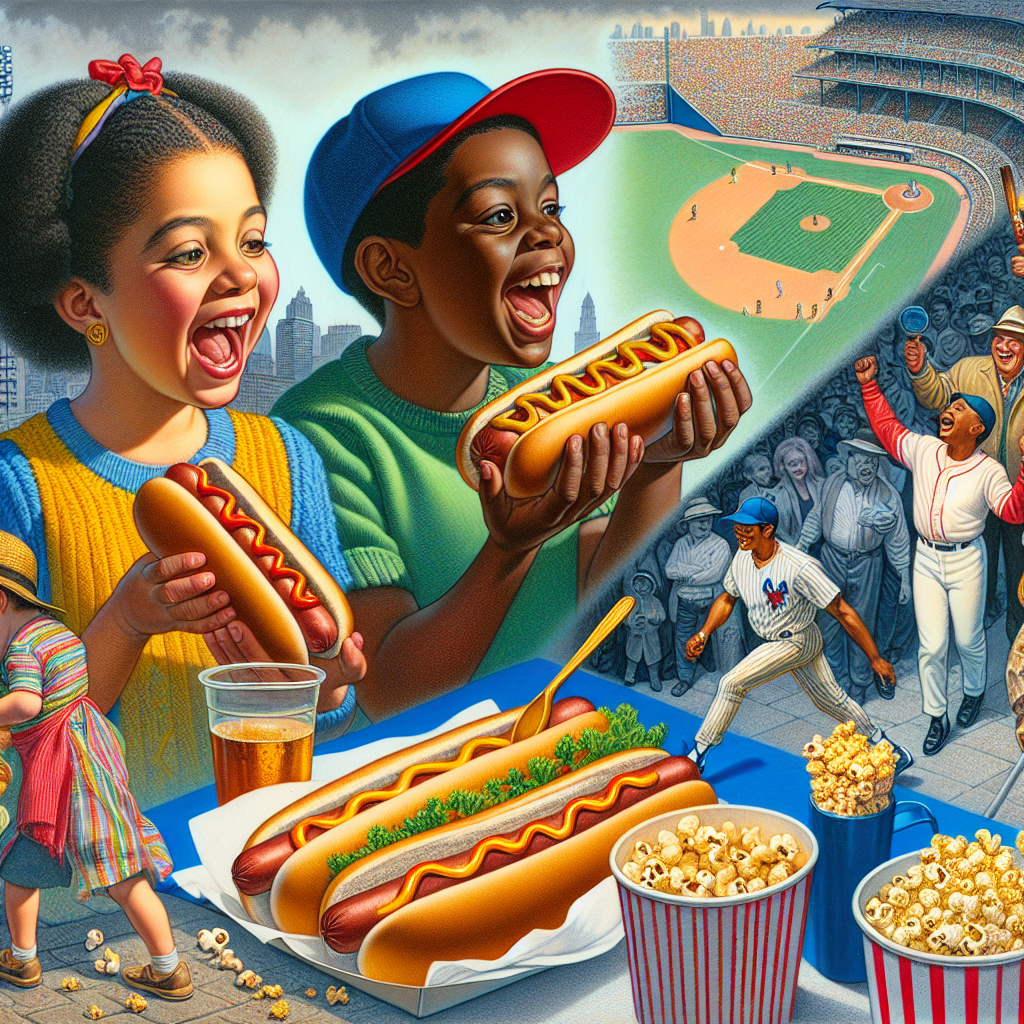
Baseball, often regarded as America’s pastime, has not only played a significant role in the country’s cultural and social fabric but also in shaping the American diet and cuisine. From the hot dogs and peanuts at the ballparks to the broader culinary trends influenced by the sport, baseball has undoubtedly left its mark beyond the diamond. It’s a unique blend of sports and culinary history that provides insight into the American way of life, evolving tastes, and how leisure activities find resonance in everyday practices, including what we eat and how we eat it.
Since its early days in the 19th century, baseball has been more than just a game. It is a communal event where families and communities come together. While the players mesmerize the audiences with their skills, the vendors just outside the gates or in the aisles are part of the experience, offering a delectable array of treats that are now synonymous with the baseball experience. As baseball stadiums proliferated around the country, so too did the regional tastes and snacks that found their way into the dietary habits of many Americans, turning simple game-day food into lasting culinary staples.
The connection between baseball and food is so deeply entwined that some food items are now iconic elements of the sport, rivaling the actual plays on the field. The rituals carried out by fans as they indulge in their favorite snacks add a layer of tradition to the game’s societal impact. The sights and smells of food wafting through the stands evoke memories and create an atmosphere that is as crucial to the baseball experience as the crack of the bat or the cheer of the crowd.
Hot Dogs: The Iconic Baseball Snack
The most iconic of all baseball foods is, without a doubt, the hot dog. This simple sausage in a bun has become so synonymous with baseball that it’s hard to imagine a game without one. While hot dogs have a rich history tracing back to their European origins, it was at baseball parks that they rose to culinary stardom in America. Introduced in the early 20th century, hot dogs quickly became the go-to snack for baseball fans due to their convenience and affordability.
Frankfurter sellers capitalized on the opportunity to feed large crowds at games, and the portability of the hot dog made it the perfect food to enjoy while cheering for a favorite team. Over time, this led to regional variations with each baseball region putting its own unique twist on the standard hot dog. This culinary diversification enriched America’s culinary landscape by introducing such varieties as the Chicago Dog, loaded with pickles, tomatoes, and sport peppers, and the New York style, with onions and sauerkraut as toppings.
Moreover, the sale of hot dogs at baseball games illustrates the entrepreneurial spirit characteristic of American culture. Dominated by iconic brands like Nathan’s Famous, these hot dog stands not only shaped the game-day experience but also influenced national food trends, with the hot dog becoming a staple food item at cookouts and gatherings beyond the baseball stadium.
Peanuts and Cracker Jack: The Sweet and Savory Companions
No baseball game would be complete without the timeless classics: peanuts and Cracker Jack. Immortalized in the song “Take Me Out to the Ballgame,” these snacks have a storied past linked intricately with the sport. Peanuts, already popular as a snack, found new life in a baseball setting. Their robust, crunchy nature made them ideal for the boisterous atmosphere of a baseball stadium, where fans could crack open their shells and enjoy the nutty goodness in between innings.
Cracker Jack, a pre-packaged blend of caramel-coated popcorn and peanuts, entered the baseball scene in the early 1900s. Its convenient packaging and delicious sweetness offered fans an easy way to satisfy their sweet tooth while watching the game. The Cracker Jack prize, a pleasant surprise for young fans, added a whimsical element that made it especially popular among families.
The presence of peanuts and Cracker Jack in baseball culture did more than just deliver taste; they also helped forge a sense of community and nostalgia. Sharing a bag of peanuts or a box of Cracker Jacks while watching a game became a bonding activity, creating longstanding traditions passed down through generations.

Beer: The Beverage of Choice
Perhaps no other beverage is as closely associated with baseball as beer. From the large, frothy mugs once found at local taverns to today’s more refined craft options, beer has long accompanied fans in celebration and camaraderie. The historical ties between beer and baseball date back to the days when regional breweries rose in popularity, thanks in part to their partnerships with local baseball teams.
In a classic display of marketing synergy, baseball parks became major promotional platforms for beer brands hoping to reach vast audiences. Ballparks, with their festive atmospheres, served as perfect venues for beer consumption, and promotions often saw local breweries becoming synonymous with local teams. Beer even played a role in breaking down social barriers, as shared enjoyment fostered a sense of unity among diverse groups of fans.
In recent years, the craft beer revolution has breathed new life into the baseball stadium experience. Fans can find an array of selections ranging from local crafts to international brews, catering to increasingly sophisticated palates. As awareness of diverse beer flavors grew, so too did the awareness of pairing these with food offerings, expanding the culinary experience further and influencing how fans approach not just game day snacks, but meals outside the ballpark as well.
Culinary Innovations in the Ballpark
Baseball stadiums have evolved far beyond simply serving hot dogs, peanuts, and beer. In an age where the culinary experience is nearly as important as the game itself, ballparks have transformed into gastronomic destinations, offering an array of options that reflect broader culinary trends. Today, fans can indulge in diverse offerings ranging from gourmet burgers and smoked brisket to sushi rolls and vegan dishes.
The push toward creativity and diversity in baseball cuisine is largely driven by the fans’ evolving tastes. Teams are making concerted efforts to cater to a wide demographic, recognizing that the modern-day fan desires options that mirror their dietary preferences and curiosities. Whether fans are craving traditional ballpark fare or seeking out healthier or international options, stadiums accommodate this rich diversity, further linking America’s culinary evolution to its favorite sport.
Another significant innovation is the focus on sustainability and locally-sourced foods. Many stadiums are advancing the movement by partnering with local farmers and vendors. This initiative not only supports local economies but also ensures fans enjoy fresh, high-quality ingredients, marking a definitive shift towards the future of American ballpark cuisine.
Baseball Cuisine and American Culture
The influence of baseball on American cuisine extends beyond the immediate experience of attending a game. The culinary trends and innovations born in ballparks have permeated American culture at large, shaping how we eat and what we consider as part of our national food identity. Game-day foods have become part of everyday American culinary experiences, with specific items like hot dogs and nachos embodying much more than simple food offerings—they represent a shared cultural experience.
Moreover, the dynamic environment of baseball games has provided fertile ground for entrepreneurship and innovation within the food industry. The development of unique game-day food items caters not only to regional tastes but also to the creative spirit that drives American culinary practices. From street vendors around the ballpark to gourmet chefs collaborating with teams, the culture of innovation continues to foster the evolution of American cuisine.
Television and media also play a role in broadcasting this culinary culture to broader audiences, further consolidating the bond between baseball and food within American life. This symbiotic relationship serves to maintain baseball’s status as a pervasive and lifelong influence on fans while intertwining these culinary elements with nostalgic memories and defining moments, be they on the field or around the table.
Conclusion: The Lasting Impact of Baseball on American Cuisine
Baseball’s impact on American cuisine is both profound and enduring. From the traditional snacks that once delighted audiences at the ballpark to the diverse, innovative offerings that now complement the action on the field, baseball has continuously influenced what Americans eat and how they approach their dining experiences. The evolution of food within the ballpark setting reflects broader societal trends and indicates a cultural tapestry unique to the American identity.
While traditional food offerings like hot dogs, peanuts, and Cracker Jack hold a nostalgic allure, their transformations and adaptations illustrate broader shifts in social habits, dietary demands, and culinary curiosities. Baseball stadiums have not only preserved traditional foods but have also become frontiers for culinary exploration, fostering trends that inevitably migrate to mainstream American society.
As baseball continues to evolve, its culinary impact ensures that it remains an integral part of the American way of life. It brings people together, bonds generations, and intersects social and cultural domains to stimulate both memory and innovation. Its influence stretches beyond the confines of the stadium, echoing through cookbooks, kitchens, and backyards across the country, preserving and perpetuating traditions that no other sporting phenomenon could boast.
Frequently Asked Questions
1. How has baseball influenced popular American food items?
Baseball has had a monumental impact on American food culture, particularly through quintessential ballpark snacks like hot dogs and peanuts. The tradition of enjoying a hot dog at a baseball game dates back to the early 20th century. This beloved food item became synonymous with baseball due to its portability and convenience, making it an ideal choice for spectators. As baseball games gained popularity, so did the hot dog, securing its place in American cuisine as a staple snack. Similarly, peanuts, easily shared and enjoyed during games, became intertwined with the baseball experience, thanks to the catchy tune “Take Me Out to the Ball Game,” which highlights peanuts and Cracker Jacks. These foods not only satisfy hunger but have become iconic symbols of the baseball experience, reflecting the sport’s influence on casual, accessible dining.
2. Why are Cracker Jacks specifically associated with baseball games?
Cracker Jacks, a popular snack of caramel-coated popcorn and peanuts, rose to fame in the realm of baseball largely due to their mention in the iconic baseball anthem “Take Me Out to the Ball Game,” written in 1908. The song’s lyrics urge fans to buy Cracker Jacks along with peanuts, solidifying its association with the sport. This connection was further strengthened by the snack’s convenient packaging and the surprise toy often included, making it an exciting treat for fans of all ages. Its crunchy and sweet flavor was easy to enjoy during the leisurely pace of a baseball game, enhancing the overall experience. Cracker Jacks have thus become a nostalgic and enduring part of the baseball tradition, representing more than just a snack but a key piece of the nostalgic fabric of baseball games.
3. How do regional ballpark foods showcase the diversity of American cuisine?
As baseball gained traction across the United States, local ballparks began to embrace the unique culinary traditions of their respective regions, showcasing the diversity of American cuisine. For instance, in Chicago, fans can enjoy a Chicago-style hot dog topped with mustard, relish, onions, tomatoes, pickles, and celery salt, staying true to the city’s vibrant food scene. Meanwhile, in Boston, local favorites like clam chowder or lobster rolls can be found at Fenway Park, offering a taste of New England’s rich coastal fare. This regional approach not only reflects local culinary traditions but also provides fans with a rich and varied food experience throughout different ballparks. By incorporating these distinctive flavors, baseball games foster a deeper cultural appreciation and celebration of culinary diversity across the nation, further intertwining sports with the rich tapestry of American food culture.
4. How have baseball games mirrored changes in American dietary trends?
Baseball games have mirrored changes in American dietary habits by adapting and introducing diverse food options in ballparks nationwide. As health consciousness began taking root in the American diet, many stadiums expanded their menus to include healthier choices such as salads, grilled chicken sandwiches, and vegetarian or vegan options. Additionally, advancements in dietary trends also led to the introduction of gluten-free foods and plant-based meats, making the ballpark experience more inclusive for those with dietary restrictions. These shifts reflect a broader trend towards more diverse and health-conscious eating habits across the country. The evolution of ballpark menus parallel the changing landscape of American dietary preferences, showcasing a dynamic blend of tradition and modernity in sporting and culinary culture.
5. In what ways has the partnership between baseball and food culture influenced community and social gatherings?
Baseball and food culture partnership greatly enhances the sense of community and social interaction at games, making ballparks a vital hub for family outings, social gatherings, and community festivals. Concessions and food options play a significant role in creating a convivial atmosphere where fans bond over shared meals and refreshments. The group dynamic of attending a baseball game often revolves around not just the sport itself but the enjoyment of food and drink, fostering camaraderie among fans. Moreover, baseball-themed food festivals and events outside the park celebrate this cultural connection, often featuring local chefs and vendors, creating a communal space coinciding with the baseball season. The shared love for both the sport and its culinary traditions unites fans across different backgrounds, underscoring baseball’s powerful role in bringing people together and maintaining its place as an integral part of American cultural and social life.