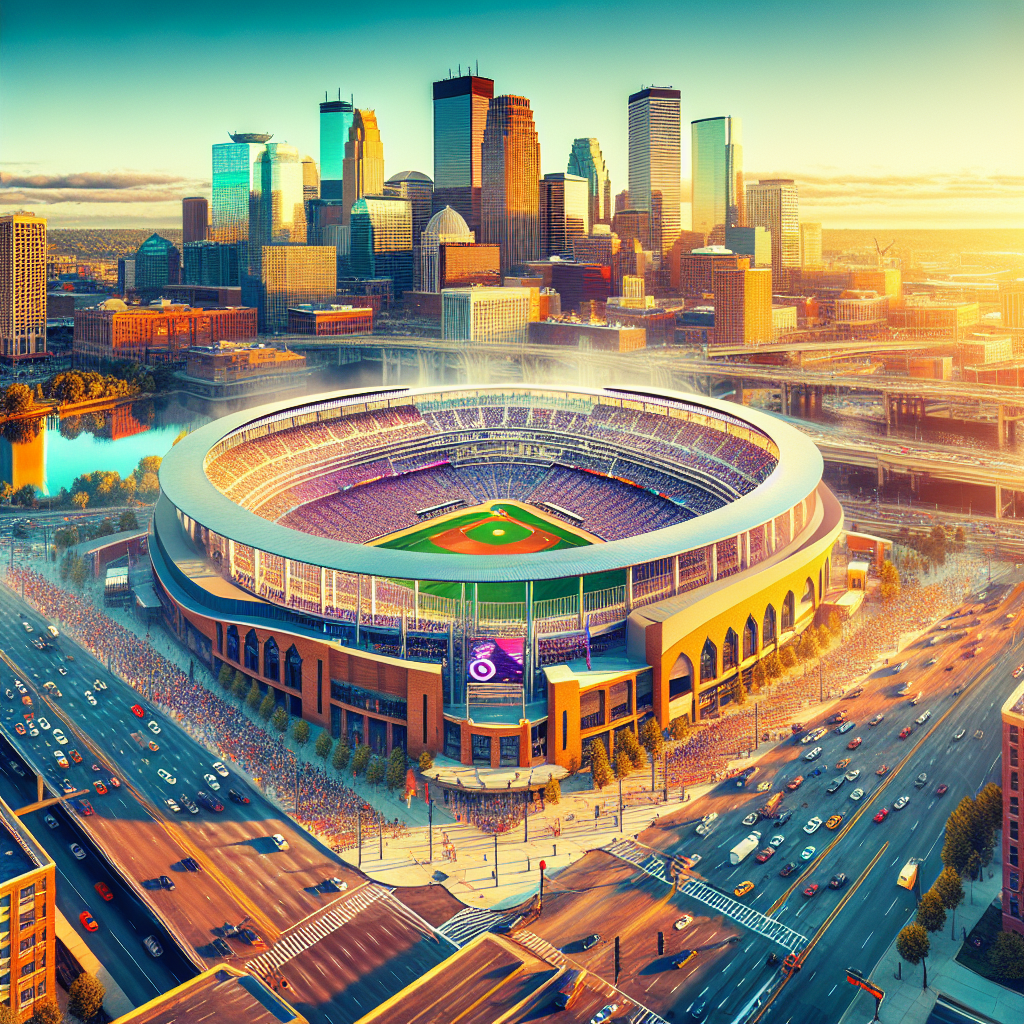
Baseball has always been an integral part of American culture, and the ballparks in which these games take place often hold as much history and charm as the sport itself. One such modern marvel is Target Field. Nestled in the bustling heart of Minneapolis, this ballpark is not just a venue for baseball games but a landmark that seamlessly melds into the city’s vibrant fabric. In this article, we will explore how Target Field has integrated into Minneapolis, the history behind its construction, its features, the role it plays in the community, and its environmental initiatives.
Introduction
The inception of Target Field came from the need to replace the aging and less baseball-friendly Hubert H. Humphrey Metrodome. The Metrodome, though a multifaceted stadium, lacked the intimate baseball experience that fans and players craved. Thus, in 2006, after years of planning and lobbying, the Minnesota Twins, along with the city of Minneapolis, broke ground on what would become one of Major League Baseball’s premier ballparks. The stadium opened its gates in 2010, welcoming fans with its open-air design and modern amenities.
One of the standout features of Target Field is its location. Situated in downtown Minneapolis’s Warehouse District, it offers easy access to various modes of public transportation, restaurants, and entertainment options. This prime spot not only attracts baseball fans but also integrates them into the city’s everyday hustle and bustle. The strategic placement has turned every game day into a city-wide event, inviting locals and visitors alike to experience Minneapolis’s spirit.
Designed by Populous, a renowned architectural firm known for creating some of the most iconic sports venues, Target Field is a marvel of modern sports architecture. The design focuses on providing an unparalleled fan experience with high-quality sightlines, ensuring that every seat in the house offers a great view of the action. Additionally, the ballpark demonstrates a strong commitment to sustainability, earning LEED Silver Certification for its environmental initiatives, which we will delve into later in the article.
Historical Context and Construction
The journey that led to the construction of Target Field was long and winding. The Minnesota Twins had been playing at the Metrodome since 1982, a venue that was originally designed to house multiple sports. While the Metrodome had its moments, including hosting the 1987 and 1991 World Series, it was apparent by the early 2000s that a change was needed. Baseball purists argued that the artificial turf and dome setting took away from the traditional baseball experience.
Discussions about building a new baseball-only stadium started in the mid-90s but faced numerous hurdles, including financing and political challenges. Both the state and local governments had hesitations about allocating public funds for the construction. However, the Minnesota Twins, recognizing the importance of a dedicated baseball venue, were persistent. Finally, in May 2006, a bill was passed that approved the construction of the stadium, with funding coming from a combination of public and private sources. Groundbreaking commenced later that year, and a new era for Minnesota baseball began.
The construction of Target Field wasn’t just about erecting a new stadium; it was about creating a state-of-the-art facility that would fit seamlessly into its urban environment. The designers focused on using local materials such as Minnesota limestone, giving the ballpark a distinct look that resonates with its location. The construction also paid homage to the history of baseball in Minnesota, with various design elements reflecting the past while embracing the future.
Features and Amenities
Target Field boasts numerous features and amenities designed to enhance the fan experience. The stadium can seat around 39,000 spectators, providing an intimate yet electric atmosphere that larger venues often lack. One of the most notable features is the Twins Tower, a 360-foot-high landmark that offers a panoramic view of the ballpark and the Minneapolis skyline. This not only provides an architectural focal point but also serves as a navigational guide for fans.
The ballpark is also famous for its “Town Ball Tavern,” a tribute to Minnesota’s amateur baseball tradition. The tavern serves local brews and offers a cozy place for fans to congregate before and during games, further integrating local culture into the ballpark experience. Additionally, Target Field boasts several premium seating options and private suites, offering different levels of luxury and comfort for fans.
Food is another major highlight at Target Field. The venue offers a plethora of dining options that reflect the diverse culinary landscape of Minneapolis. From traditional ballpark fare like hot dogs and nachos to local specialties such as walleye sandwiches and Juicy Lucy burgers, there’s something to satisfy every palate. The food vendors also emphasize locally-sourced ingredients, providing fans with not just a meal, but a taste of Minnesota.

Community Integration
One of the remarkable aspects of Target Field is how it has integrated into the local community. Beyond being just a sports venue, it serves as a community hub where people from all walks of life come together to celebrate baseball and Minneapolis culture. The ballpark’s central location means it’s woven into the fabric of the city, essentially turning game days into communal events that extend beyond the stadium walls.
Local businesses have seen a boost in revenue thanks to the influx of fans attending games. Restaurants, bars, and shops around the stadium thrive on game days, contributing to the local economy. Additionally, the ballpark often hosts events outside of baseball, from concerts to corporate events and charity functions. These activities ensure that Target Field remains a vital part of the community throughout the year.
The Minnesota Twins organization also works closely with local schools and nonprofits, engaging in various social initiatives aimed at enriching the community. Outreach programs often include youth baseball clinics, educational partnerships, and fundraising events that benefit local charities. This commitment to the community strengthens the bond between the team and its fans, making Target Field more than just a place to watch baseball—it’s a cornerstone of local culture.
Environmental Initiatives
Target Field is not just a state-of-the-art sports facility but also a leader in environmental sustainability. From its inception, there was a strong focus on creating an eco-friendly ballpark. The stadium earned LEED (Leadership in Energy and Environmental Design) Silver Certification, making it one of the greenest ballparks in Major League Baseball. Several initiatives contribute to this prestigious certification.
Firstly, the ballpark employs a rainwater recycling system that collects and filters rainwater for reuse within the stadium. This system significantly reduces the water footprint of the facility. Additionally, Target Field utilizes energy-efficient lighting and mechanical systems to minimize energy consumption. The ballpark also features a comprehensive recycling program, ensuring that waste is minimized and materials are reused whenever possible.
Support for public transportation is another significant component of Target Field’s environmental strategy. The ballpark’s prime downtown location makes it easily accessible by light rail, buses, and even bicycles. This not only reduces the carbon footprint associated with attending games but also offers fans a convenient way to travel. The emphasis on sustainability aligns with Minneapolis’s broader environmental goals, further integrating the ballpark into the community.
The Future of Target Field
As Target Field continues to embed itself deeper into Minneapolis’s culture, the future looks bright. The Minnesota Twins organization is committed to constantly improving the fan experience, adding new amenities and technology to keep the ballpark current. Plans are in place to enhance Wi-Fi connectivity throughout the stadium and incorporate more interactive elements that engage fans in unique ways.
There’s also an ongoing focus on maintaining the ballpark’s strong community ties. Future initiatives may include expanded outreach programs and partnerships with local businesses to ensure that Target Field remains a vital part of Minneapolis. The ballpark has become a symbol of what a sports venue can be when integrated effectively into its urban environment—more than just a place for games, it’s a place where the community comes together.
Furthermore, as trends in sustainability advance, Target Field is likely to adopt new technologies and practices that further its commitment to being an eco-friendly ballpark. From solar panels to advanced waste management systems, the aim will be to set new standards in environmental responsibility for sports venues around the world.
Conclusion
Target Field stands as a shining example of how a modern ballpark can integrate seamlessly into the heart of a city. Its construction marked the beginning of a new era for baseball in Minneapolis, offering an intimate, fan-friendly experience that’s hard to rival. From remarkable architectural features and diverse dining options to its role as a community hub and an environmental leader, Target Field is more than just a place to watch baseball. It’s a vital part of Minneapolis, contributing to the city’s economy, culture, and sustainability efforts.
The story of Target Field is a testament to the power of vision, persistence, and a strong sense of community. As the ballpark continues to evolve, it stands poised to remain a beloved destination for baseball fans and Minneapolis residents alike. Whether you’re catching a Twins game, enjoying a concert, or participating in a community event, Target Field offers an experience that goes beyond the sport itself, making it a true icon within the heart of Minneapolis.