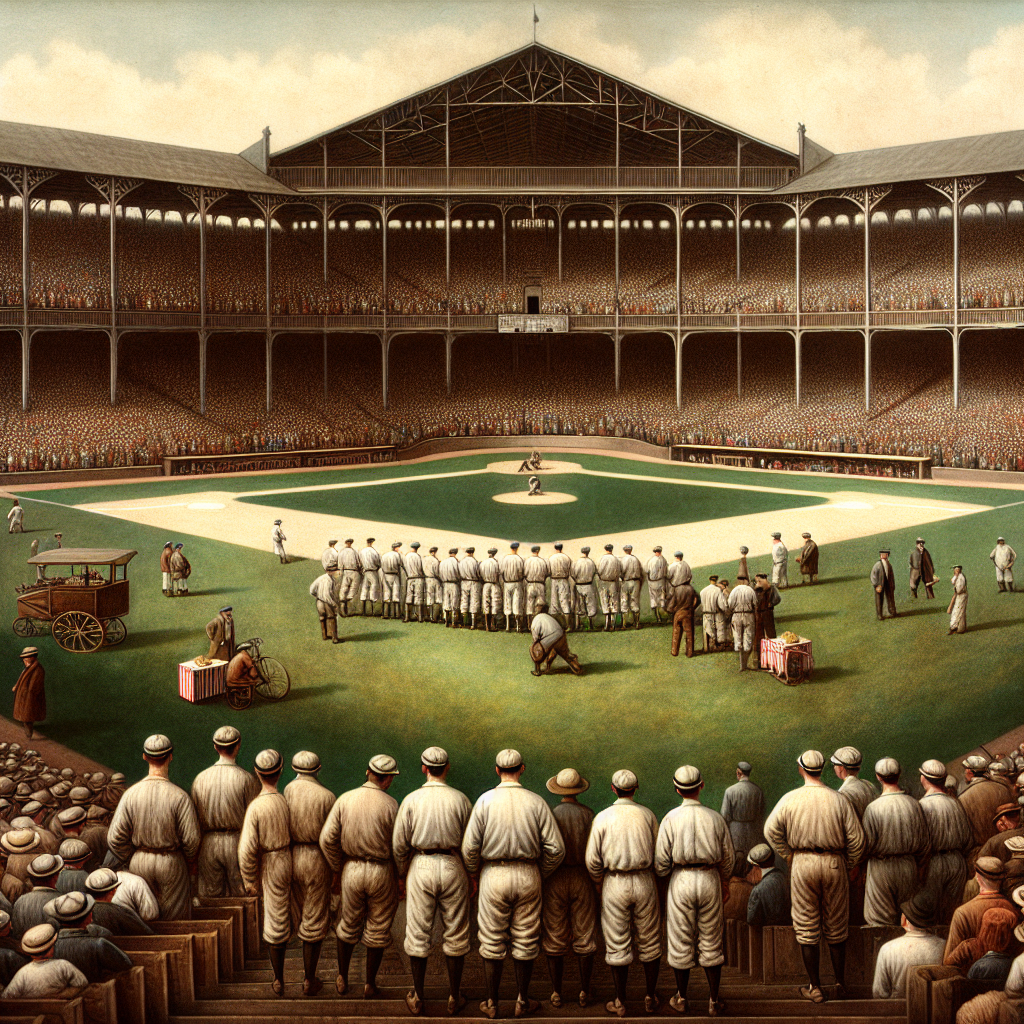
Nestled in the heart of Brooklyn, New York, Ebbets Field not only served as the home for the Brooklyn Dodgers from 1913 to 1957 but also ingrained itself into the very fabric of baseball lore. This iconic ballpark, with its historic moments, passionate fans, and unique personality, remains an indelible part of baseball history even after its closure and demolition in 1960. The ballpark bore witness to many pivotal moments, including the first televised baseball game and Jackie Robinson breaking the color barrier. Ebbets Field was more than a stadium; it was a gathering place for Brooklynites and a symbol of a community bound together by their love for the game and their team. This article aims to take you on a nostalgic journey through the history of Ebbets Field, its architectural charm, memorable moments, and the legacy it left behind.
Origins and Architectural Design
Conceptualized by team owner Charles Ebbets, Ebbets Field was constructed on a site known as Pigtown, named for its use as a garbage dump. The construction, beginning in 1912, was emblematic of ambition and foresight, leading to a ballpark that would become one of baseball’s most hallowed grounds. The architecture of Ebbets Field was a perfect blend of elegance and functionality. Designed by the architectural firm Osborne and Keane, the stadium boasted a unique facade made from Indiana limestone and Fordham gneiss, giving it a distinct, almost regal appearance. Its arched windows, decorative ironwork, and the iconic green seats added to the charm and allure of the structure. When it opened on April 9, 1913, Ebbets Field had a capacity of around 18,000 spectators, though this would later be expanded to accommodate the growing number of Dodgers fans.
Notable Moments and Games
Ebbets Field was the stage for numerous historic moments in the annals of baseball. One of the most significant events was on April 15, 1947, when Jackie Robinson took the field for the Dodgers, becoming the first African American to play in Major League Baseball. This monumental moment was a watershed in American history and signaled a significant step towards racial integration in sports. Another unforgettable event was the first televised baseball game broadcast from Ebbets Field on August 26, 1939, featuring the Dodgers against the Cincinnati Reds. Aside from these groundbreaking events, Ebbets Field also witnessed numerous thrilling games and memorable performances, including Roy Campanella’s MVP seasons and Duke Snider’s powerful home runs that soared over the famous right-field wall. Each game played at Ebbets Field added another layer to its storied legacy, making it a revered venue for both players and fans alike.
The Fan Experience
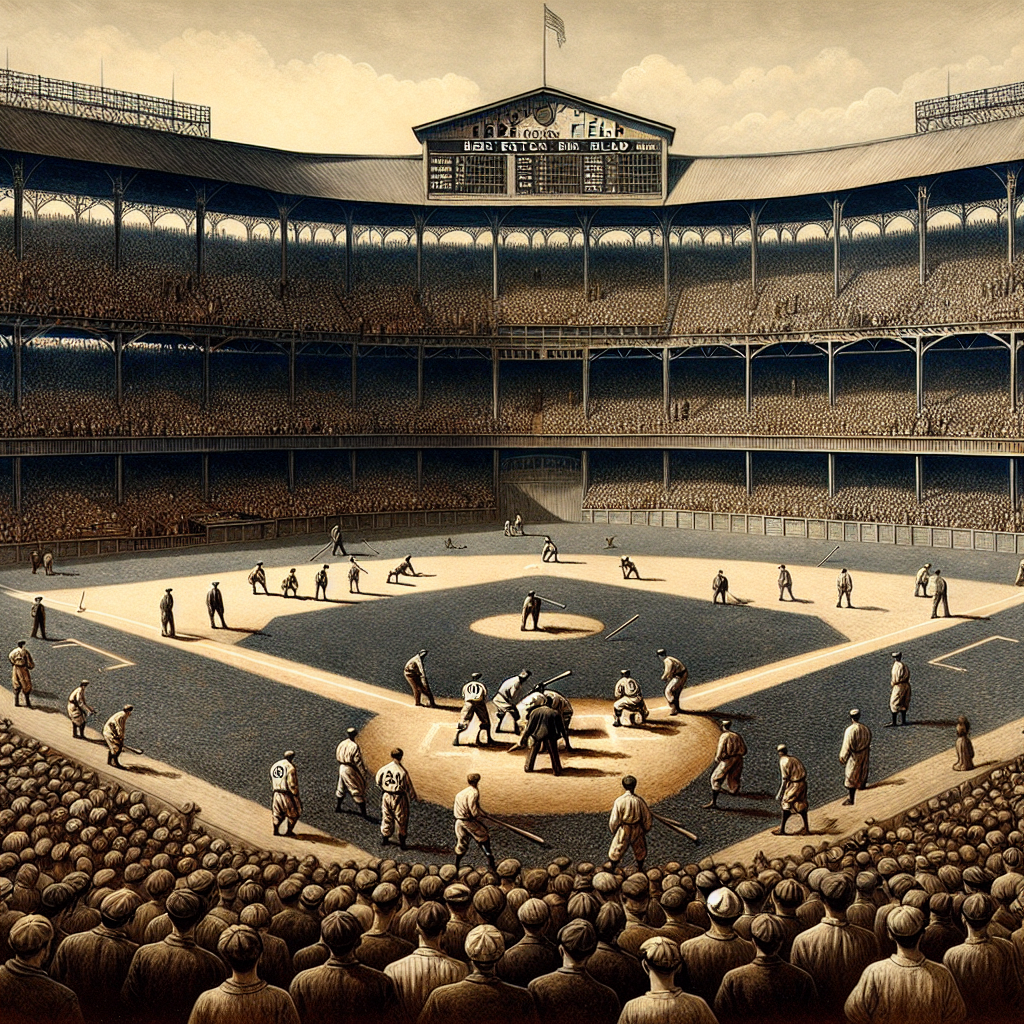
The atmosphere at Ebbets Field was incomparable, thanks to its loyal and passionate fan base. Brooklyn Dodgers fans were known for their fervent dedication and unyielding support. The intimate setting of Ebbets Field, with seats close to the action, allowed fans to feel like they were part of the game. The energetic chants, colorful banners, and spirited community gatherings created an electric ambiance that made every game day an exhilarating experience. Famous for their unique expressions and colorful characters, the “Dem Bums” fans always provided a lively backdrop to the games. Furthermore, going to Ebbets Field was not just about watching baseball; it was about community, camaraderie, and an undying love for the Dodgers. The sound of vendors hawking hot dogs and peanuts, the smell of fresh-cut grass, and the sight of children with their gloves eagerly waiting for a foul ball capture the essence of the fan experience at Ebbets Field.
Rivalries and Legendary Players
Rivalries played an essential role in the history of Ebbets Field. The most significant of these was the fierce competition between the Brooklyn Dodgers and the New York Giants. The proximity of the teams fueled an intense rivalry that captivated fans and produced some of the most heated and memorable games in baseball history. The “Shot Heard ‘Round the World” on October 3, 1951, epitomized this rivalry when Bobby Thomson of the Giants hit a dramatic home run to clinch the National League pennant, an event that echoed through the stands of Ebbets Field. Throughout its history, Ebbets Field was graced by the presence of numerous legendary players who left their mark on the game. Icons such as Pee Wee Reese, Jackie Robinson, and Don Newcombe, among others, became synonymous with the Dodgers’ legacy. Their skills, leadership, and charisma contributed significantly to the storied success of the team and enriched the heritage of Ebbets Field.
The Closing and Legacy
The closure of Ebbets Field in 1957 and its subsequent demolition in 1960 marked the end of an era for Brooklyn and its residents. The Dodgers’ move to Los Angeles left a vacuum in the hearts of Brooklynites who had poured their unwavering support into their beloved team. The loss was more than just a physical structure; it was the dissolution of a symbol of unity and community spirit. However, the legacy of Ebbets Field continues to thrive. The impact it had on baseball, its architectural uniqueness, and the memories it created ensure that it remains an enduring icon. The site where Ebbets Field once stood is now occupied by apartment buildings, but plaques and monuments serve as reminders of the historic ballpark that once brought so much joy and excitement to the borough. The stories, legends, and pioneering moments associated with Ebbets Field keep its spirit alive in the collective memory of baseball enthusiasts around the world.
Conclusion
Ebbets Field holds a special place in the annals of baseball history, transcending its physical existence to become a symbol of a bygone era. The stadium was not only a venue for thrilling baseball games but also a communal gathering space that fostered a unique and enduring bond among fans. The notable events, legendary players, and fierce rivalries that graced Ebbets Field have left an indelible mark on the sport. The ballpark’s charm, intimacy, and character made it an irreplaceable part of Brooklyn’s cultural landscape. Although Ebbets Field no longer stands, its legacy lives on through the stories and memories cherished by those who experienced its magic. As we reflect on its storied past, Ebbets Field continues to evoke a sense of nostalgia, reminding us of a time when baseball was more than just a game—it was a way of life. The Brooklyn Dodgers’ beloved ballpark remains a cherished chapter in baseball history, ensuring that Ebbets Field will forever be remembered with fondness and reverence.