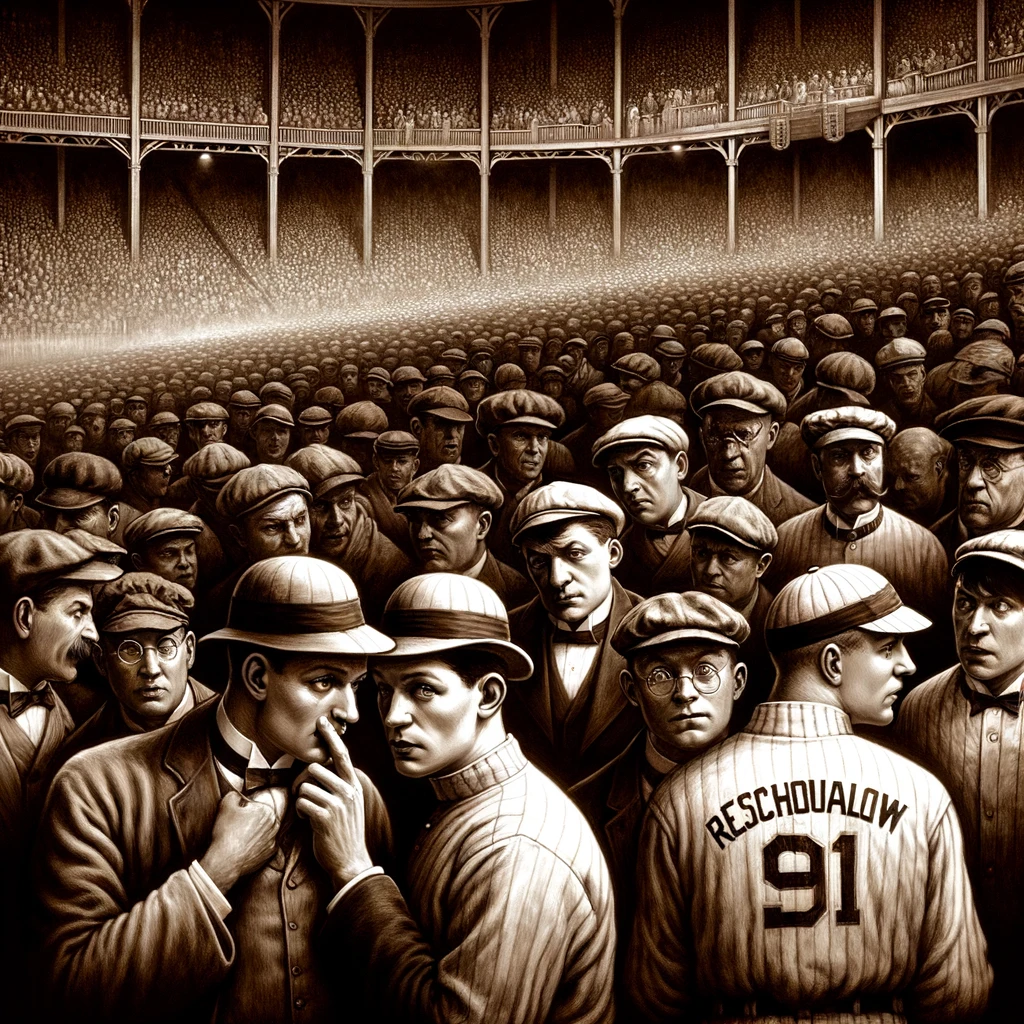
Baseball, often revered as America’s pastime, has a rich and varied history, marked by legendary figures, iconic moments, and, unfortunately, some unsavory episodes. Among these, the Black Sox Scandal of 1919 stands out as one of the darkest chapters, forever altering the perception and integrity of the sport. This article delves into the intricate details of the scandal, exploring its impact on baseball and its legacy in American sports culture.
The Golden Era of Baseball
To understand the significance of the Black Sox Scandal, one must first appreciate the context of baseball in the early 20th century. It was a time when baseball was solidifying its place as the national sport of the United States. The game was pure, simple, and a source of joy and entertainment for a nation recovering from the First World War. Players were idolized, and children aspired to mimic the on-field heroics of their favorite stars.
The 1919 World Series: Setting the Stage
The 1919 World Series pitted the Chicago White Sox against the Cincinnati Reds. The White Sox, managed by Kid Gleason, were heavily favored to win, boasting a roster of talented players including the likes of Eddie Cicotte and “Shoeless” Joe Jackson. The series was to be a best-of-nine affair, a format that only lasted from 1903 to 1920.
The Plot Unfolds
However, beneath the surface of this anticipated match-up, a conspiracy was brewing. A group of gamblers, led by Arnold Rothstein, saw an opportunity to make a fortune by fixing the World Series. They approached several players of the Chicago White Sox, enticing them with the promise of financial rewards far exceeding their regular season salaries. The players, disgruntled over their pay and treatment by team owner Charles Comiskey, were receptive to the scheme.
The Series in Play
As the World Series commenced, suspicions arose. The White Sox, known for their robust playing style, made uncharacteristic errors. Cicotte, one of the best pitchers of the era, hit the first Reds batter he faced, a prearranged sign that the fix was on. The games that followed were riddled with mistakes and half-hearted plays by the implicated White Sox players.
The Aftermath and Investigation
Despite suspicions and rumors, the series concluded with the Cincinnati Reds as champions. The controversy did not fade away, however, and by the following year, evidence of the fix began to surface. An investigation was launched, leading to a grand jury trial. Eight players from the Chicago White Sox – Eddie Cicotte, “Shoeless” Joe Jackson, Claude “Lefty” Williams, Arnold “Chick” Gandil, Oscar “Happy” Felsch, Swede Risberg, Buck Weaver, and Fred McMullin – were indicted.
The Trial and Verdict
The trial of the eight White Sox players was a media sensation. Testimonies and evidence seemed to confirm the players’ involvement in the scandal. However, in a surprising turn of events, key evidence mysteriously disappeared, and the players were acquitted of all charges. The lack of a legal conviction, however, did not absolve them in the eyes of the baseball world.
The Legacy of Kenesaw Mountain Landis
The aftermath of the trial saw the appointment of Judge Kenesaw Mountain Landis as the first Commissioner of Baseball. Landis, determined to restore the integrity of the sport, took a firm stance. Despite the court’s acquittal, he banned all eight players involved in the scandal from professional baseball for life. This decision sent a clear message: the integrity of the game was paramount.
The Impact on “Shoeless” Joe Jackson
Among the banned players, “Shoeless” Joe Jackson’s story was particularly poignant. Jackson, who had played exceptionally well during the series, maintained his innocence, claiming he was dragged into the scheme. His involvement remains a topic of debate and controversy. The banishment from baseball was a tragic end to what could have been a storied career.
The Scandal’s Enduring Legacy
The Black Sox Scandal had far-reaching implications. It exposed the vulnerabilities in the structure of professional baseball and the susceptibility of players to corruption. The scandal also led to significant reforms in the management and governance of the sport, ensuring greater oversight and ethical standards.

The Cultural Impact of the Scandal
The repercussions of the Black Sox Scandal extended beyond the confines of the baseball diamond and into the realm of American culture. The scandal shattered the innocence of the sport, disillusioning fans and tarnishing the idyllic image of baseball. The 1920s, known for its Jazz Age excesses, began with this stark reminder that even the most cherished American institutions were not immune to corruption and scandal.
The Role of Media and Public Perception
The media played a crucial role in shaping public perception of the scandal. Newspapers and journalists of the time covered the event extensively, often with a tone of moral outrage. This coverage influenced the public’s view of the players involved and the sport itself. The scandal became a symbol of the broader societal ills of the time, reflecting the growing disillusionment in post-war America.
Legal and Ethical Reforms in Baseball
In response to the scandal, Major League Baseball underwent significant changes. The creation of the Commissioner’s office was a direct response to the need for a central authority with the power to enforce discipline and oversee the integrity of the sport. The Landis appointment was a pivotal moment in the governance of baseball, setting a precedent for how the sport would handle ethical violations in the future.
The Lasting Debate: Hall of Fame Considerations
The debate over the Black Sox players, particularly “Shoeless” Joe Jackson, continues to this day. Many argue that their lifetime bans should not preclude them from Hall of Fame consideration, citing their on-field accomplishments and the complex circumstances surrounding their involvement in the scandal. This debate touches on broader questions of redemption, punishment, and legacy in sports.
The Scandal in Popular Culture
The Black Sox Scandal has been immortalized in popular culture, most notably in Eliot Asinof’s book “Eight Men Out” and the subsequent film adaptation. These portrayals have kept the story alive in the American consciousness, serving as a reminder of the scandal’s impact and the ongoing debates about sports ethics and integrity.
Reflections on the Scandal’s Centennial
As we passed the centennial of the Black Sox Scandal, it offered an opportunity for reflection on its lasting impact on baseball and American society. The scandal serves as a cautionary tale about the potential consequences of greed and the importance of maintaining integrity in sports. It also reminds us of the human element in these events, as the players involved were not just figures in a scandal but individuals with complex motivations and personal histories.
Modern Parallels and Lessons
The lessons of the Black Sox Scandal remain relevant today. Modern sports, with its massive financial stakes and media scrutiny, faces its own challenges in maintaining integrity. The scandal reminds us of the importance of vigilance and ethical governance in sports to prevent similar occurrences. It also highlights the need for fairness in how we judge and remember those involved in such incidents.
Conclusion
The Black Sox Scandal of 1919 stands as one of the most infamous events in sports history. It marked a turning point for baseball, leading to significant changes in how the game was governed and perceived. The scandal’s legacy is a complex tapestry of betrayal, reform, and enduring debate. It remains a compelling story of human frailty, the allure of temptation, and the struggle to maintain integrity in the face of adversity. As we look back on this dark chapter in baseball history, we are reminded of the timeless values of honesty, fairness, and the enduring spirit of the game.
Frequently Asked Questions
1. What exactly was the Black Sox Scandal?
The Black Sox Scandal was a significant event of corruption in Major League Baseball during the 1919 World Series. Eight members of the Chicago White Sox were accused of intentionally losing games to the Cincinnati Reds in exchange for money from gamblers. The scandal erupted into public consciousness when allegations of the fix emerged, casting a dark shadow over the sport. It wasn’t just a singular incident but rather a culmination of various issues plaguing baseball, including player resentment over low pay and the powerful influence of gamblers in the early 20th century. The players involved were eventually put on trial but, although acquitted in court, were banned for life from professional baseball by the newly appointed Commissioner of Baseball, Kennesaw Mountain Landis. This decision had lasting impacts on the game, significantly altering how the sport was governed and playing a key role in reforming player contracts and ensuring the integrity of baseball.
2. Who were the main figures involved in the Black Sox Scandal?
The scandal primarily involved eight Chicago White Sox players: Eddie Cicotte, Lefty Williams, Chick Gandil, Swede Risberg, Fred McMullin, Buck Weaver, Happy Felsch, and the legendary “Shoeless” Joe Jackson. These players collaborated with gamblers like Arnold Rothstein, a notorious New York crime figure often credited with orchestrating the fix. While some players were more deeply involved in the conspiracy than others, Shoeless Joe Jackson’s participation remains one of the most debated aspects of the scandal due to his exceptional performance during the World Series and claims that he was unaware of the fix. Key figures like Charles Comiskey, the White Sox owner, were criticized for perpetuating an environment that allowed such scandalous activities by underpaying players and neglecting their grievances. The scandal’s revelation was a watershed moment for baseball, leading to the appointment of Judge Kenesaw Mountain Landis as commissioner, tasked solely with restoring the sport’s integrity.
3. How was the scandal uncovered, and what were the consequences for baseball?
The scandal became public knowledge after various rumors and inconsistencies in player performances surfaced following the 1919 World Series. Suspicions had been aroused due to strange betting patterns and unusual gameplay decisions. In 1920, the Chicago and Cook County grand jury convened to investigate these suspicions, and the accused players eventually confessed to their involvement in fixing the series. The legal proceedings culminated in a dramatic trial, but despite their acquittal, Commissioner Landis banned all eight players from professional baseball indefinitely. This shocking event led to seminal changes in baseball’s governance. The league sought to tighten rules around wagering, professional conduct, and contractual obligations. The scandal underscored the need for a governing body with absolute authority over the league, hence Landis’s appointment, who was tasked with maintaining the purity of the game. The event persuaded Major League Baseball to stringently police its ranks to prevent similar scandals from threatening its reputation and existence.
4. Did the scandal have any lasting effects on the players involved, particularly Shoeless Joe Jackson?
The aftermath of the Black Sox Scandal left a lasting stain on the careers and lives of the players involved. None of the eight players ever participated in professional baseball again, effectively ending their sports careers. “Shoeless” Joe Jackson, perhaps the most famous player associated with the scandal, has remained a controversial figure. Despite his talent and the statistics indicating an impressive performance during the series, his contested role in the scandal has led to a long-standing debate about his potential induction into the Baseball Hall of Fame—a lifetime ban prevents his eligibility. Many baseball historians and enthusiasts still advocate for his inclusion, citing his purported innocence and outstanding career statistics. The scandal fundamentally blurred the lines between myth and reality in his life’s narrative, embedding him as a symbol of both brilliance and betrayal in baseball lore.
5. How has the Black Sox Scandal influenced American culture and baseball’s legacy?
The Black Sox Scandal transcended the boundaries of sport, ingraining itself in American cultural and social memory. It highlighted the vulnerabilities ingrained in professional sports, unveiling the dark intersections of corruption, commerce, and athlete exploitation. This scandal catalyzed a discourse on sports ethics, making fans and governing bodies vigilant about the integrity of sports, ensuring fairness and transparency became paramount. The scandal’s cultural imprint is profound, inspiring numerous books, films, and media explorations, most notably “Eight Men Out,” dramatizing the series of events. Beyond the bad press, the scandal helped shape baseball into a more organized and trust-centered sport, eventually ushering it into an era where it increasingly embodied American values of fair play and competition. By addressing the weaknesses exposed by the scandal, Major League Baseball fortified its structure, generating a newfound public trust which continued to foster baseball’s reputation as an integral facet of American life and culture.