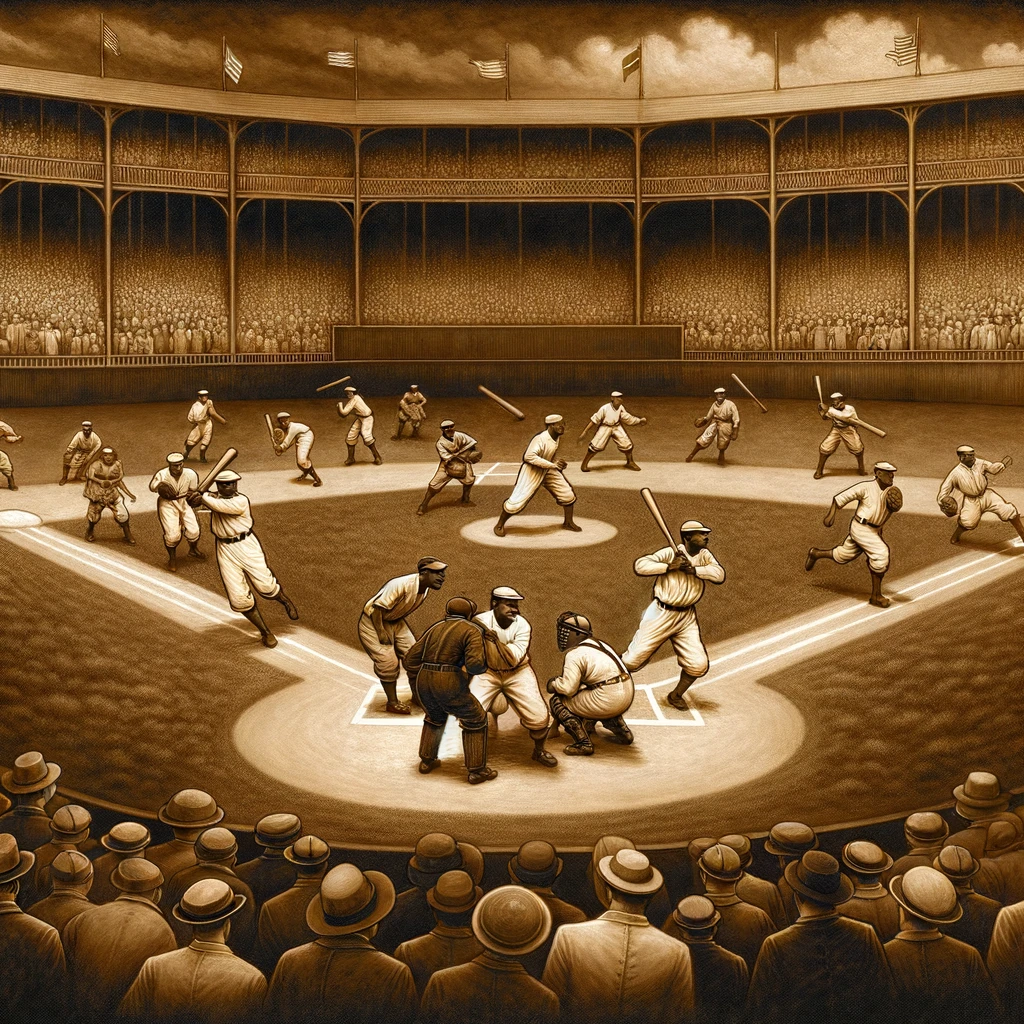
Baseball, often referred to as America’s pastime, is a sport rich in history and cultural significance. However, its early years were marred by racial segregation and discrimination, creating a complex and often painful legacy. This article delves into the history of the color barrier in early baseball, exploring the formation and impact of segregated leagues.
The Dawn of Baseball and the Rise of Segregation
Baseball’s roots can be traced back to the mid-19th century, evolving from older bat-and-ball games like rounders. It quickly gained popularity in the United States, becoming a prominent fixture in the national culture. However, as the sport grew, so did the racial tensions within the country, particularly following the Civil War.
In the late 19th century, despite the abolition of slavery, segregation policies, known as Jim Crow laws, began to take hold in the Southern states. These laws enforced racial segregation in public facilities and services, profoundly impacting all aspects of life, including sports. Baseball, mirroring society, began to draw a color line that would exclude African American players from participating in professional and major leagues.
The Establishment of the Color Barrier
The color barrier in baseball was never officially codified in the rules of the game. Instead, it was an unwritten agreement among team owners and league officials. One of the earliest instances of this exclusion can be traced back to the 1880s, with the case of Moses Fleetwood Walker, often cited as the first African American to play in the major leagues with the Toledo Blue Stockings of the American Association.
However, Walker’s career was short-lived. The increasing segregationist sentiment led to African Americans being systematically excluded from the major leagues. By the beginning of the 20th century, a gentlemen’s agreement among team owners ensured that no African American players were signed. This exclusion was not limited to players; it also extended to coaches, managers, and executives.
The Formation of the Negro Leagues
As a result of the color barrier, African American players were left with few options. They often played in amateur clubs, barnstorming teams, and independent clubs that catered to black audiences. The demand for African American baseball led to the formation of several organized leagues, known as the Negro Leagues.
The first successful Negro league, the Negro National League (NNL), was established in 1920 by Rube Foster, a former player, and manager. The NNL, along with its counterpart in the Eastern states, the Eastern Colored League (ECL), provided a platform for African American players to showcase their talent. These leagues featured many talented players who would have undoubtedly been stars in the major leagues had they been given the opportunity.
Impact on Players and the Community
The Negro Leagues were about more than just baseball. They were a source of pride and community for African Americans during a time of widespread discrimination and segregation. The leagues provided economic opportunities and a sense of belonging. Players in the Negro Leagues were not only athletes but also symbols of resilience and excellence in the face of adversity.
Despite the high level of play and popularity, players in the Negro Leagues faced numerous challenges. They often played under subpar conditions, with inadequate facilities and equipment. They also dealt with the constant threat of racial violence and discrimination, both on and off the field.
Breaking the Color Barrier
The color barrier in baseball began to crack in the mid-20th century, thanks to the efforts of players, activists, and progressive team executives. The most significant breakthrough came in 1947 when Jackie Robinson was signed by the Brooklyn Dodgers, effectively breaking the color barrier in Major League Baseball (MLB). Robinson’s debut was not just a milestone in baseball history; it was a significant event in the Civil Rights Movement.
Robinson’s entry into MLB paved the way for other African American players. However, the integration of baseball was a slow and challenging process, filled with resistance and backlash. It took several years for other teams to follow the Dodgers’ lead, and even longer for the sport to fully integrate.
The Heroes of the Negro Leagues
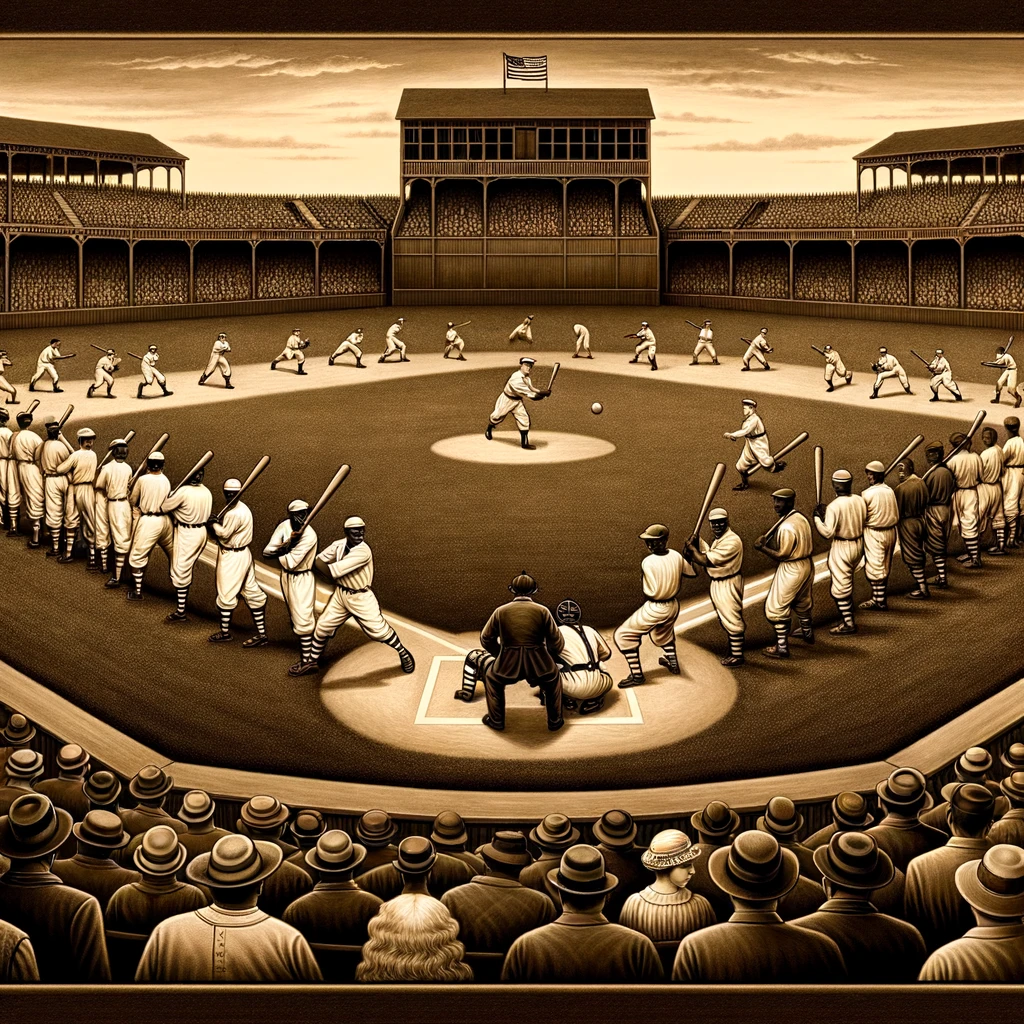
Despite the harsh realities of segregation, the Negro Leagues were home to some of the most talented baseball players in history. Figures like Satchel Paige, Josh Gibson, and Cool Papa Bell became legends in their own right. Paige, known for his remarkable pitching skills, played a significant role in bringing the Negro Leagues to a wider audience. Gibson, often referred to as the “Black Babe Ruth,” was renowned for his powerful hitting. Bell, celebrated for his incredible speed, was a standout in both the field and on the bases. These players, among many others, showcased a level of skill and showmanship that rivaled their white counterparts in the major leagues.
Economic Impact and Cultural Significance
The Negro Leagues were more than just a sporting competition; they were a vital economic and cultural institution within the African American community. These leagues provided financial opportunities for players, coaches, and workers who were often excluded from other forms of employment due to racial discrimination. The teams and their games were a source of pride and unity, offering a space where African Americans could celebrate their talents and achievements in a society that frequently marginalized them.
The cultural impact of the Negro Leagues extended beyond the African American community. They played a crucial role in highlighting the injustice of segregation and the arbitrary nature of racial barriers in sports. The popularity and high level of play in the Negro Leagues challenged the prevailing racial stereotypes and demonstrated the absurdity of segregation in sports.
Social and Political Context
The struggle against the color barrier in baseball mirrored the broader fight for civil rights in the United States. The early 20th century was a period of significant social and political upheaval, marked by the Great Migration, World War I, and the onset of the Great Depression. African Americans, facing intense discrimination and limited opportunities in the South, moved in large numbers to Northern cities, where they sought better lives and employment opportunities. This demographic shift had a profound impact on the culture and politics of the nation, including the world of sports.
The formation and success of the Negro Leagues during this period were a testament to the resilience and determination of the African American community. They created their own institutions and platforms to showcase their talents in a society that sought to exclude them. The leagues were not just about sports; they were a form of resistance and a statement of equality.
The Long Road to Integration
The integration of baseball was a gradual and challenging process. After Jackie Robinson’s debut in 1947, it took several more years for other teams in the MLB to integrate. This slow process was a reflection of the broader resistance to desegregation in American society. Players who followed in Robinson’s footsteps, such as Larry Doby, who was the first African American player in the American League, faced intense racism and discrimination.
The integration of baseball did not happen in a vacuum; it was part of the larger Civil Rights Movement. The success of players like Robinson and Doby helped to change public perception and laid the groundwork for future advances in civil rights. Their courage and resilience in the face of adversity inspired a generation and made them not just sports heroes, but heroes of social change.
Legacy and Conclusion
The history of the color barrier in baseball is a reflection of the broader racial issues in American society. The segregated leagues, while a result of discrimination, showcased the talent and perseverance of African American players. They played a crucial role in the fight for civil rights and equality, both in sports and in society at large.
Today, the legacy of the Negro Leagues and the players who broke the color barrier is celebrated and remembered. It serves as a reminder of the challenges overcome and the progress made, as well as the work that still needs to be done in the pursuit of equality and inclusion in sports and beyond.
The history of the color barrier in early baseball is a complex and multifaceted topic, covering various aspects of American society, race relations, and the evolution of the sport itself. This article has provided an overview of the key events and figures that shaped this era. To continue exploring this topic, we can delve deeper into specific aspects such as the experiences of individual players, the economic impact of segregated leagues, or the broader social and political context of the time. Please prompt me to continue if you would like more detailed exploration of any of these aspects.