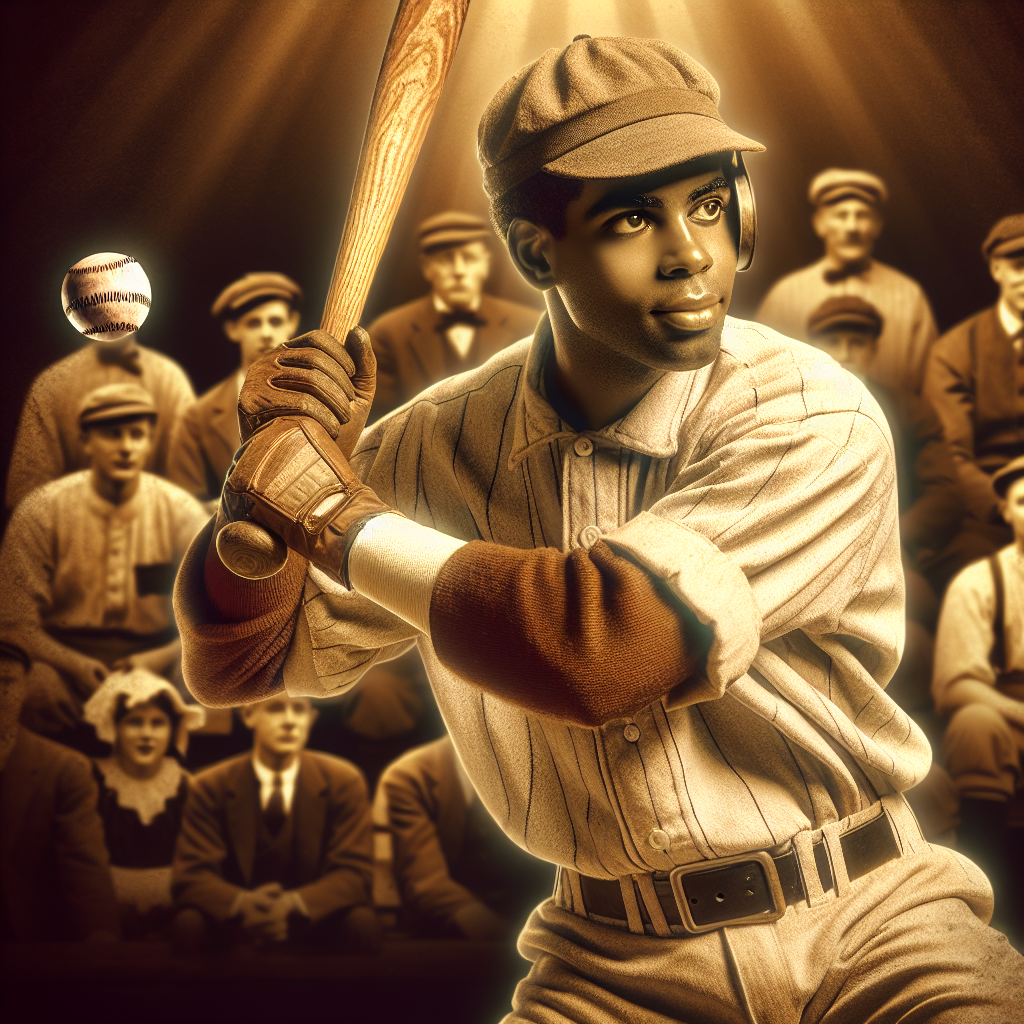
The history of baseball is rife with legends, icons, and transformative figures who have not only elevated the game but have also left indelible marks on society. Few names resonate more powerfully in this regard than Willie Mays, often lauded as one of the greatest baseball players in history. His tenure on the field coincides with what is often referred to as the Golden Age of Baseball, a period spanning from the 1920s to the 1960s, which saw the sport rise to unprecedented levels of popularity and cultural significance. This era was characterized by the breaking of racial barriers, the growth of baseball as a national pastime, and the epitomization of the American Dream. Mays’ career, primarily with the New York and San Francisco Giants, is a lens through which we can explore the profound impacts of baseball on American society and how the game, in turn, was shaped by the socio-political currents of the time.
The Early Years and Emergence as a Star
Willie Howard Mays Jr. was born on May 6, 1931, in Westfield, Alabama. In his early years, baseball was a significant part of his life. Growing up in a time when racial segregation was the norm, Mays defied the odds by rising through the ranks of Negro League baseball, showcasing his prodigious talent with the Birmingham Black Barons. His seamless transition to Major League Baseball (MLB) was a monumental moment, signaling the dismantling of racial barriers and setting a precedent for future African American players. Signed by the New York Giants in 1951, Mays displayed a rare combination of athletic prowess and strategic acumen, quickly catching the eye of fans and sportswriters alike. His rookie season was a preview of what was to come—a blend of electrifying play and charismatic engagement with the game and its audience.
Baseball’s Role in the American Cultural Landscape
The Golden Age of Baseball was a period that highlighted baseball’s role as an integral part of American culture and society. During this era, baseball was more than just a sport; it was a reflection of American values, such as perseverance, teamwork, and the pursuit of excellence. Television and radio broadcasts brought the game into homes across the nation, cultivating a shared experience for fans and families. Players like Willie Mays became household names, and their on-field exploits became legends recounted by generations. The cultural significance of baseball during this age is inextricably linked to its ability to transcend the playing field, becoming a medium for social change and a unifying force in a rapidly diversifying and modernizing nation.
The Say Hey Kid and his Historic Achievements
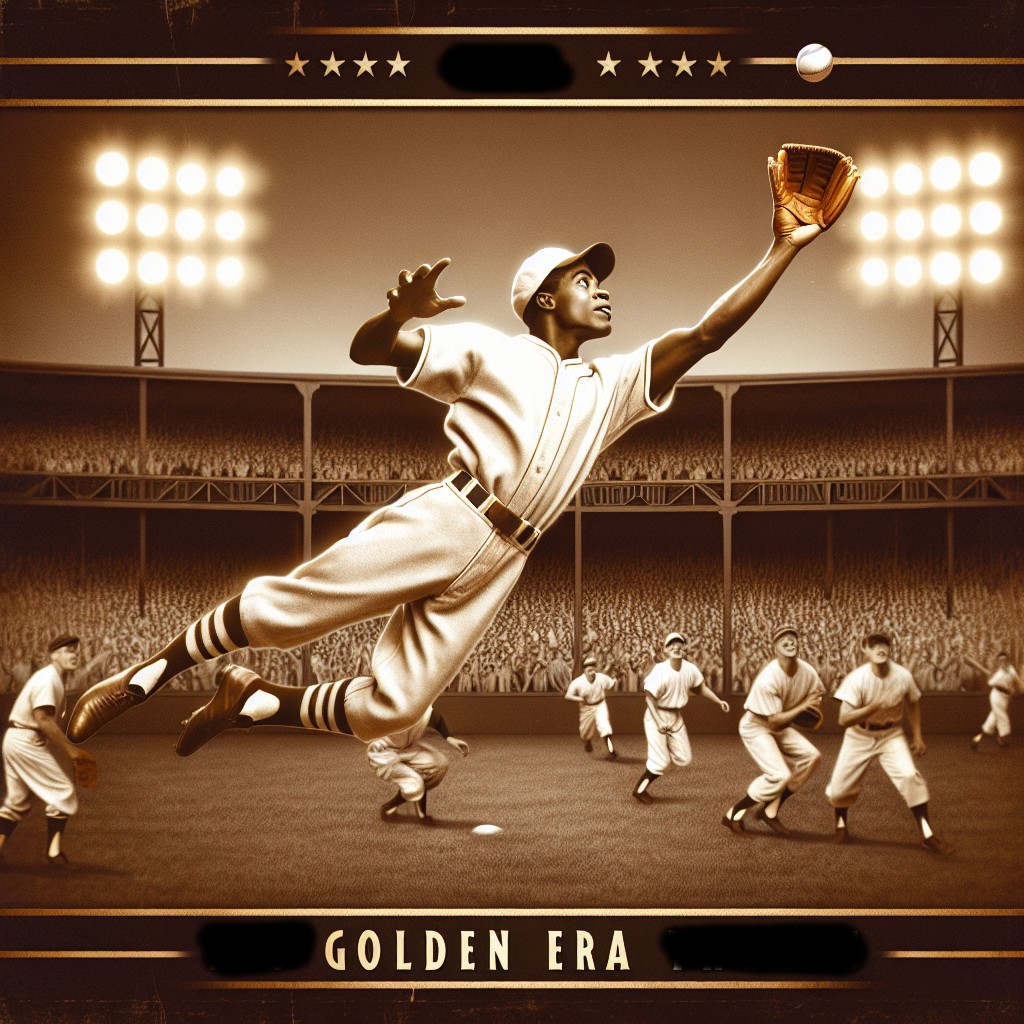
Willie Mays, known affectionately as “The Say Hey Kid,” compiled an exceptional list of achievements throughout his career. Mays’ prowess was not limited to any single aspect of the game. His dynamic play was a symbiosis of power, speed, and defensive mastery, resulting in a storied career that included 660 home runs, numerous Gold Glove awards, and a reputation as one of the finest center fielders in baseball history. His iconic over-the-shoulder catch in the 1954 World Series exemplified his athletic capabilities and is often cited as one of the greatest catches in the history of the sport. Mays’ influence and dominance prompted Hall of Fame recognition and made him a symbol of enduring greatness in baseball and a role model for younger generations.
Impact on Society and Breaking Racial Barriers
The Golden Age of Baseball was a transformative time socially, particularly regarding racial integration. Mays, alongside contemporaries such as Jackie Robinson, played pivotal roles in breaking down racial barriers within the sport and beyond. These players’ successes challenged longstanding prejudices and stereotypes, contributing to the gradual acceptance of African Americans not only in baseball but in other sectors of public life. MLB played a significant part in the broader Civil Rights Movement by normalizing interracial camaraderie on and off the field. Through his commitment and remarkable performances, Mays became a symbol of hope and progress for many African Americans and an agent of change in America’s struggle with racism and inequality.
The Evolution and Legacy of the Golden Age
As Mays’ career soared, so did the evolution of baseball during the Golden Age. The era saw significant changes in the way the game was played and consumed by audiences. Innovations such as night games, expansion teams, and the increased prominence of the World Series contributed to baseball’s expanding influence. Mays epitomized the game’s evolution, bringing a level of athleticism and flair that captivated audiences and helped to sustain baseball’s status as America’s pastime. His legacy, along with those of his peers, set the foundation for future generations, encouraging the continued growth of the sport globally and influencing its role in society as a source of entertainment, inspiration, and community.
Conclusion: Willie Mays’ Enduring Influence
The story of Willie Mays is not just one of individual brilliance and athletic achievement; it is interwoven with the narrative of a nation undergoing transformation. During the Golden Age of Baseball, Mays exemplified the multifaceted impact a sports figure can have on society. His legacy is not merely preserved in statistics and records but in the values and changes he inspired, both within and outside the sport. Mays’ career coincided with a period that laid the groundwork for integrating sports into the broader social and cultural discourse, making him a key figure in both the history of baseball and the progression of civil rights in the United States. His influence remains evident today, as baseball continues to be a platform for unity and change, and as new generations find inspiration in the timeless ‘Say Hey Kid.’ Mays represents a bridge between sport, society, and the cultural milestones of the 20th century—an era when baseball and its players defined and reflected the spirit of America.