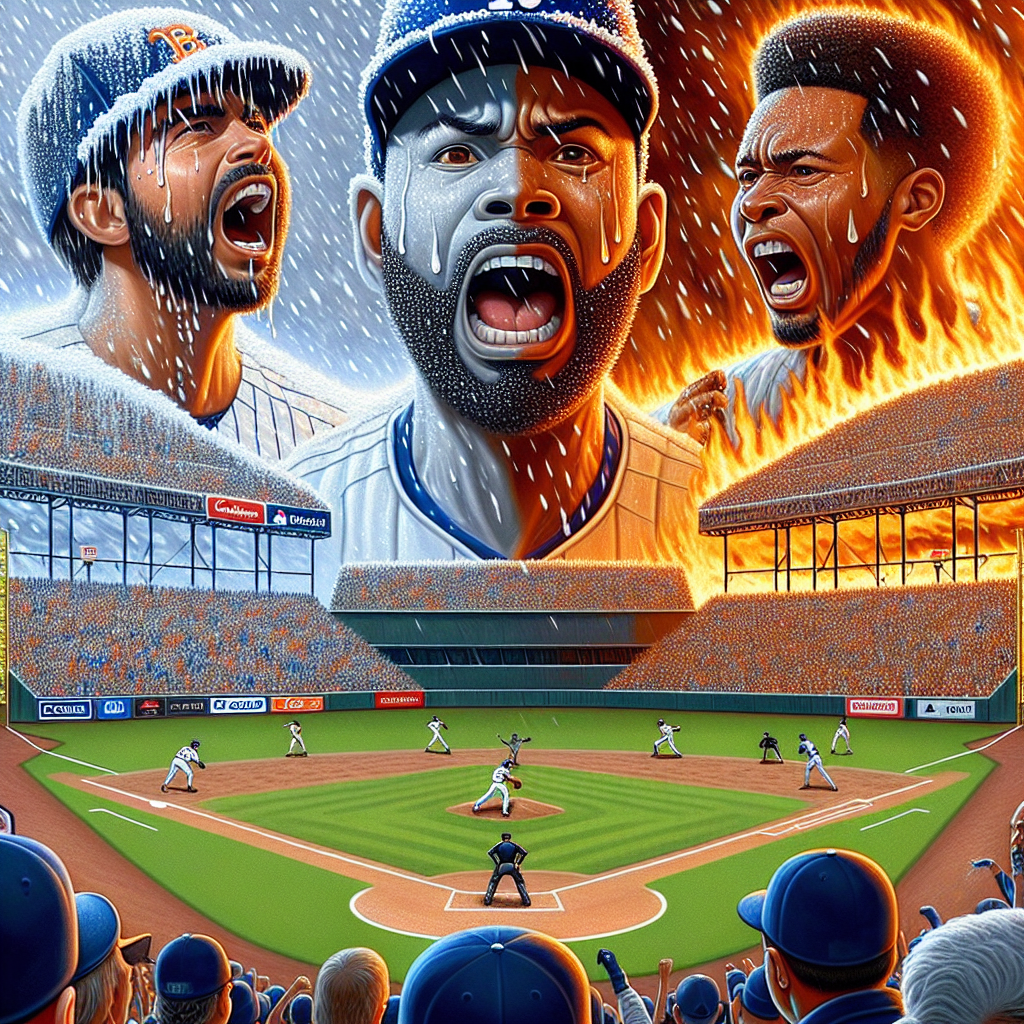
As one of the most anticipated events in American sports, the World Series captures the attention of baseball fans across the globe every year. However, it’s not just the skills and strategies of the players that shape the outcome of this famous championship—weather plays a significant role as well. Over the years, various weather conditions have impacted the World Series in numerous ways, from mild disruptions to significant delays, and from enhancing the drama to testing the endurance and adaptability of the teams. This article delves deep into the fascinating history of how weather has influenced the World Series and the playoffs, highlighting key instances where Mother Nature made her presence felt. Whether you are a seasoned baseball enthusiast or a curious newcomer, join us as we explore the climatic intricacies that have, at times, defined baseball’s crowning moments.
Historical Weather-Related Delays and Postponements
Historically, weather-related delays and postponements have frequently plagued the World Series, adding both frustration and intrigue for players and fans alike. One of the most memorable weather interruptions occurred in the 1975 World Series between the Boston Red Sox and the Cincinnati Reds. Torrential rain led to multiple delays, reshuffling game schedules and amplifying the emotional tension. Similarly, the 2008 World Series between the Philadelphia Phillies and the Tampa Bay Rays saw a significant weather-related disruption. Game 5 was famously suspended due to heavy rain, marking the first time in history that a World Series game was postponed mid-game and resumed 48 hours later. Such interruptions not only alter the rhythm of the game but also test the mental resilience and strategic acumen of both teams and their managers. These historic instances underscore the unpredictable nature of the World Series, where factors beyond the diamond can sway the momentum and outcome of America’s favorite pastime.
The Impact of Temperature on Player Performance
Temperature fluctuations can vastly influence player performance and the unfolding of a World Series game. Cold weather, which frequently accompanies late October and early November games, poses significant challenges for hitters and pitchers alike. Pitchers often struggle to maintain their grip and precision on the ball, while hitters find it harder to achieve the bat speed necessary to make impactful contact. For example, in the 1997 World Series between the Cleveland Indians and the Florida Marlins, players contended with near-freezing temperatures during games played in Cleveland. The chilly conditions amplified the difficulty of each play, contributing to lower offensive outputs. Conversely, unseasonably warm weather can lead to increased fatigue and dehydration, impacting endurance and focus. Historical data indicate that games played under extreme temperature conditions often see an increase in errors and a decrease in runs scored. These elements highlight how critical weather preparedness and adaptability are to succeeding in the World Series.
Wind’s Influence on Gameplay
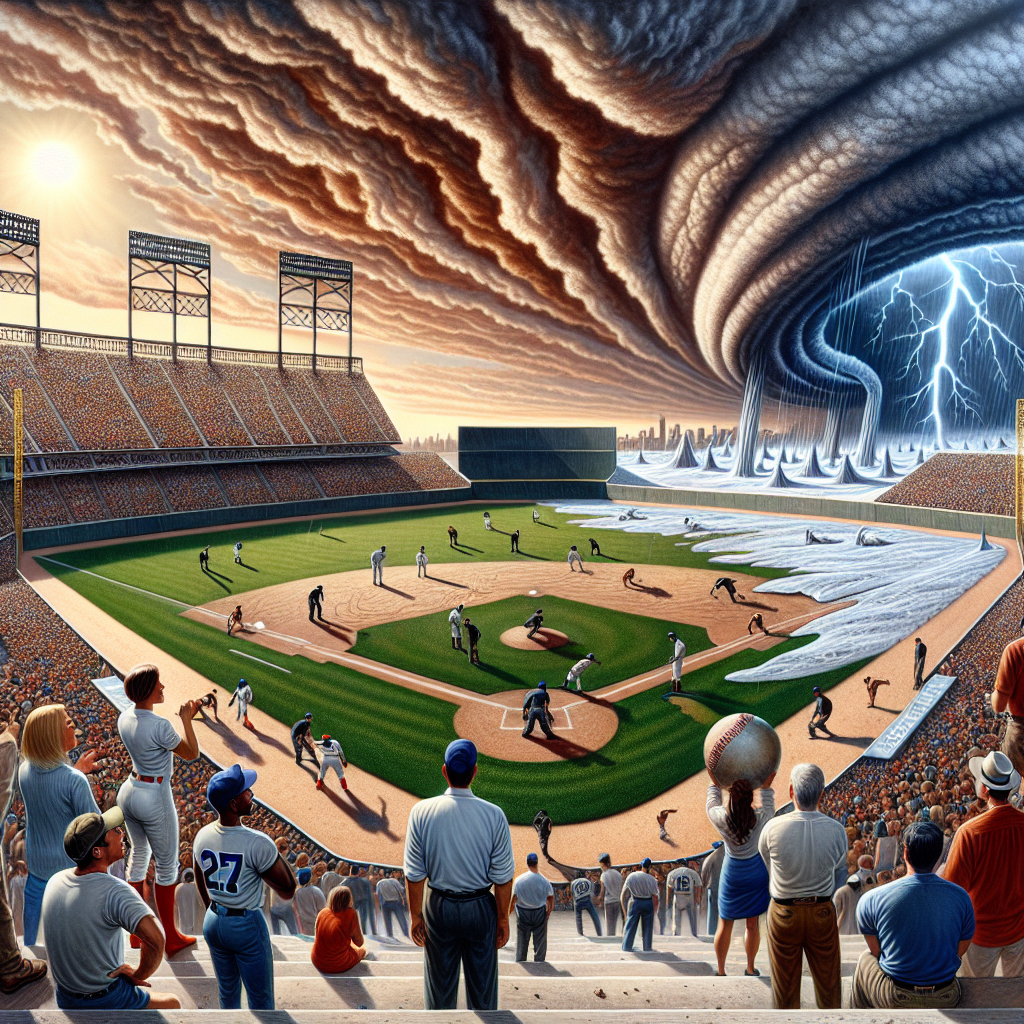
Wind is another climatic factor that can dramatically alter the dynamics of a World Series game. Depending on its direction and intensity, wind can turn would-be home runs into mere fly balls or assist seemingly routine pop-ups to leave the park. Iconic ballparks like Wrigley Field, home to the Chicago Cubs, and AT&T Park, home to the San Francisco Giants, are well-known for their unique wind patterns that can surprise even the most experienced players. A classic example can be found in the 1960 World Series at Forbes Field in Pittsburgh, where gusty winds played havoc, making catching fly balls a daunting task for outfielders and leading to unexpected offensive surges. The strategic implications of wind conditions force managers to constantly reassess their game plans, often emphasizing line drives over fly balls or adjusting field positioning to mitigate wind effects. As such, wind serves as both an equalizer and a disruptor, adding another layer of complexity to baseball’s ultimate contest.
Rain Delays and Their Tactical Implications
Rain delays are more than just inconvenient interruptions; they hold profound tactical implications that can tilt the balance of the World Series contest. When rain interrupts gameplay, it is not merely a pause but a potential game-changer. Managers must decide whether to let their starting pitchers continue warming up or replace them to avoid fatigue during extended delays. The tactical decisions extend to bullpens, where relievers must be ready at a moment’s notice without knowing when play will resume. Additionally, the interruption can serve to cool down hot batters or disrupt a team’s offensive rhythm. One famous instance of this was in the 1972 World Series between the Oakland Athletics and the Cincinnati Reds. A rain delay in Game 4 forced the Athletics to call upon their bullpen earlier than planned, ultimately affecting their pitching strategy for the remainder of the series. This underscores the multifaceted challenges that rain delays present, forcing teams to adapt on the fly in high-stakes environments.
Snow and the Unlikely Conditions
While rain and wind are expected adversaries in October baseball, snow remains a rare but memorable wildcard in World Series history. Snowfall during games is unusual, yet it adds an element of raw endurance and unexpected strategy. Perhaps the most notable instance occurred in the 1997 World Series between the Cleveland Indians and Florida Marlins, where snow flurries during Game 4 in Cleveland provided an almost surreal backdrop. Players and fans alike had to contend with numb fingers and compromised visibility, turning the game into a battle against both the opponent and the elements. Snow can significantly affect the aerodynamics of the baseball, leading to unpredictable ball movement and challenging field conditions. These scenarios highlight baseball’s unpredictability and the need for players to be resilient in the face of nature’s unpredictable theatrics. The once-in-a-generation snow game is a testament to the variable nature of outdoor sports and the indelible impact weather can have on the World Series.
Conclusion
The World Series, often characterized by its thrilling moments and unforgettable plays, also doubles as a fascinating case study in the impact of weather on sports. From historic delays and the unforeseen impact of temperatures on player performance to the mischievous changes induced by the wind, weather remains an unpredictable yet intrinsic part of baseball’s greatest stage. Rain showers and snowflakes add layers of suspense and challenge, further cementing the World Series’ legacy as a contest of skill, strategy, and adaptability. As players and teams prepare each year for their shot at glory, they must also brace for the capricious nature of the elements. Understanding these weather dynamics enriches our appreciation of the sport, reminding us that victory in baseball is not solely a matter of bats and balls but often a testament to human tenacity and resilience against environmental odds. As we look forward to future World Series, it’s a sure bet that weather will continue to play a significant, if unpredictable, role in how baseball history is written.
Frequently Asked Questions
1. How does weather impact the gameplay and outcome of the World Series?
Weather can significantly influence the gameplay and outcome of the World Series in various ways. Rain and thunderstorms, for example, can lead to game delays or suspensions, which disrupts the momentum of teams and can potentially alter their strategies. Pitchers need to maintain a grip on the ball, and wet conditions can make it difficult, leading to more walks or hits allowed, affecting their performance. Cold weather can affect the way a ball travels off a bat, reducing carry and leading to fewer home runs. Wind can also change the direction and distance of balls in play, impacting both hitters and fielders. Moreover, drastic temperature changes can affect players’ physical endurance and mental focus, pushing them to adjust their playing styles on the fly. Therefore, managers often have to rethink their game strategies, making weather an unpredictable yet integral part of the World Series.
2. What are some historical examples of weather affecting the World Series?
The history of the World Series is filled with instances where weather has played a pivotal role. One of the most memorable examples is the 2008 World Series between the Philadelphia Phillies and the Tampa Bay Rays. Game 5 of this series is famously known for being suspended due to weather—the first time in World Series history. It began raining heavily, making the field unplayable and causing a two-day delay that added an extraordinary level of drama and uncertainty. Another notable example is the 1979 World Series in Baltimore, where cold and rainy conditions were a constant challenge, affecting both player performance and attendance. There were also the frigid temperatures during the 1997 World Series games played in Cleveland, where players had to deal with snow flurries and temperatures below freezing, significantly impacting their gameplay approach especially with handling the ball and the straightforwardness of relying on routine plays.
3. How do teams typically prepare for adverse weather conditions before or during the World Series?
Preparation for weather conditions is an essential facet of strategy for teams entering the World Series. Teams closely monitor weather forecasts and plan their lineups accordingly. For instance, a team might choose to rest their best starting pitcher if heavy rain is expected, to avoid interruptions. Coaches also emphasize the importance of mental toughness and flexibility among players, ensuring they are ready to adapt to any disruptions without losing focus. Players frequently warm up differently to adjust to chilly or humid conditions, doing more dynamic exercises to maintain their body temperature and flexibility. Equipment also plays a role; players might alter their uniform layers, use different types of cleats for better traction on wet fields, or rely on hand warmers and grip enhancers to maintain control over the ball or the bat. Communication between the teams, officials, and ground crew is crucial, as everyone works collaboratively to address any weather-related issues promptly.
4. Are there any specific stadiums where weather impacts the World Series more than others?
Yes, certain stadiums are more susceptible to weather impacts due to their geographical locations or structural designs. For instance, open-air stadiums in northern cities like Cleveland, Chicago, or Boston often face extreme cold weather conditions in the late fall, which is when the World Series takes place. This can result in windy and chilly games, affecting both players and fans. On the other hand, stadiums in coastal regions may deal with heavy rain and thunderstorms during this period. For example, Tropicana Field in Tampa is known for facing unpredictable weather patterns. Some modern stadiums now have retractable roofs or domes, such as Minute Maid Park in Houston or Rogers Centre in Toronto, allowing games to continue smoothly irrespective of rain or extreme cold, mitigating weather impacts significantly.
5. How do MLB officials decide whether to delay or continue a World Series game due to weather conditions?
The decision to delay or continue a World Series game due to weather strictly lies with Major League Baseball officials. The primary concern is always player safety and the integrity of the game. If the weather conditions threaten either of these aspects, officials consult with weather experts, team representatives, and sometimes even the players to make an informed decision. Continuous updates from radar systems and forecasts provide real-time data. In most cases, games are delayed at the first sign of torrential rain, thunderstorms, or severe cold until it is safe to continue. Once a game begins, it can be postponed and resumed the next day if the conditions do not improve, as it happened, notably, in the 2008 World Series. The league makes efforts to minimize the impact, ensuring all decisions made are in the best interest of the players’ wellbeing and preserving fair competition.