
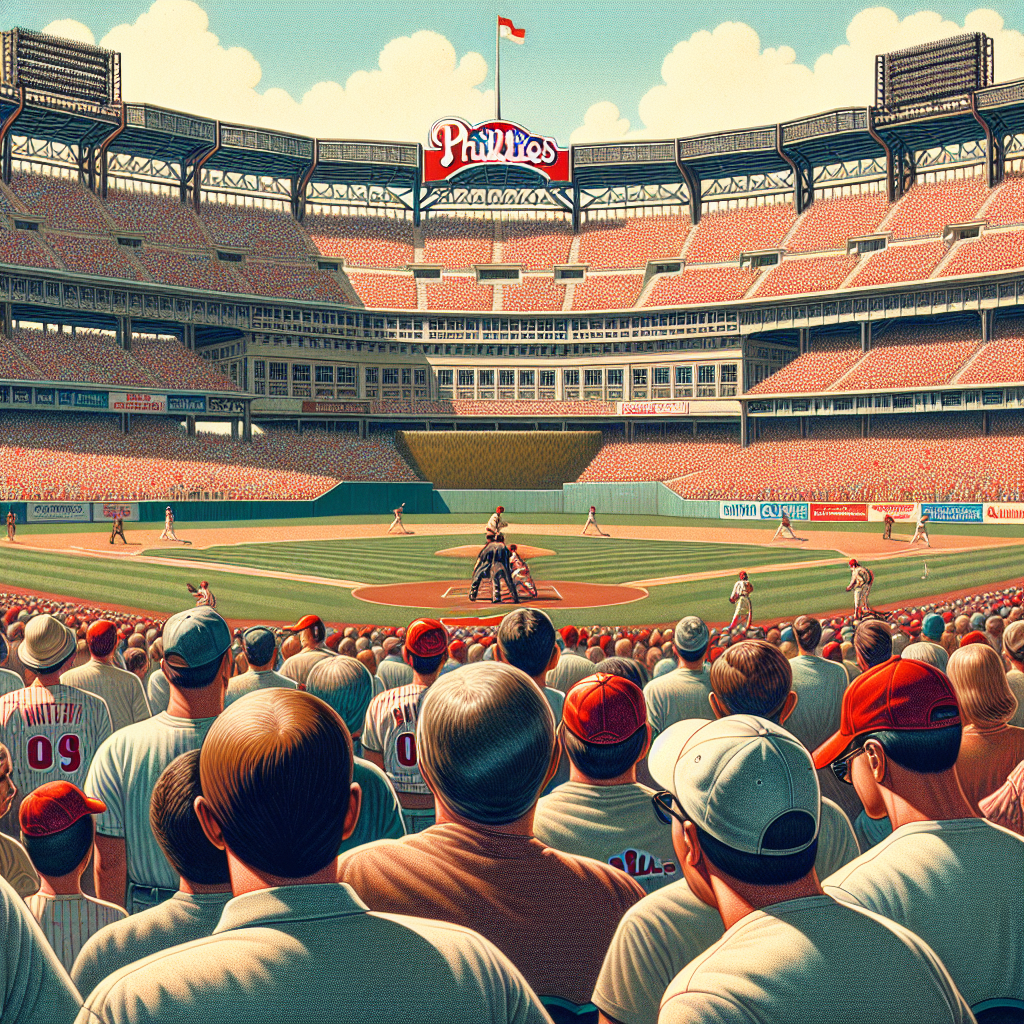
Veterans Stadium, affectionately known as “The Vet,” was more than just a ballpark. It was an enduring symbol of Philadelphia sports—a multi-purpose venue where dreams were both born and dashed. Located in the South Philadelphia Sports Complex, it served as the home of the Philadelphia Phillies from 1971 until 2003, also hosting the Philadelphia Eagles of the NFL. Constructed with the intention of accommodating a variety of sports, concerts, and events, Veterans Stadium holds a special place in the hearts of Philly sports fans.
The Birth of Veterans Stadium
The idea for Veterans Stadium came about in the mid-1960s as the city of Philadelphia sought to replace the aging Connie Mack Stadium. In 1964, voters approved a bond measure to build a new stadium, leading to the groundbreaking ceremony on October 2, 1967. The stadium was constructed as part of a larger urban renewal initiative, and it was designed to be a state-of-the-art facility with a seating capacity of around 65,000 for football and 56,000 for baseball. The name “Veterans Stadium” was chosen to honor the men and women who had served in the United States Armed Forces.
Opening Day and Initial Reception
The Vet officially opened its doors on April 10, 1971, with the Phillies hosting the Montreal Expos. Fans flocked to the stadium to witness a new chapter in Philadelphia sports history. Although the initial response was mixed—many loved the modern conveniences, while others missed the intimacy of Connie Mack Stadium—the Vet quickly became an integral part of the city’s sports culture. The Phillies, bolstered by the new stadium’s amenities, such as luxury suites and a pristine Astroturf field, began to draw larger crowds and build a stronger fan base.
Notable Phillies Moments at The Vet
Veterans Stadium was the backdrop to many memorable Phillies moments. One of the most iconic occurred in 1980 when the Phillies won their first World Series Championship. Managed by Dallas Green and led by stars like Mike Schmidt and Steve Carlton, the team clinched the title by defeating the Kansas City Royals in six games. This victory forever etched the Vet into the annals of baseball history. Another unforgettable moment came in 1993 when the Phillies, an underdog team, reached the World Series once again, though they ultimately fell to the Toronto Blue Jays due to Joe Carter’s dramatic walk-off home run in Game 6.
Multi-Purpose Venue
While primarily a baseball stadium, the Vet was designed to accommodate a wide range of events. It hosted soccer matches, concerts, and even religious gatherings. The Philadelphia Eagles played their home games at the Vet from 1971 until 2002, solidifying the stadium’s status as a multi-sport venue. The Vet’s unique turf and dual-use setup made it a challenging but beloved home for many athletes. Memorable Eagles moments include the “Miracle at the Meadowlands” in 1978 and the infamous “Fog Bowl” of 1988.
The Downside: Structural Issues and Infamy
Despite its many high points, Veterans Stadium was not without its flaws. Over the years, it became infamous for its less-than-ideal playing conditions. The Astroturf, for example, was often criticized for being too hard, leading to numerous player injuries. Additionally, the stadium was known for its lackluster aesthetics and deteriorating infrastructure, which led to it being dubbed as “The Concrete Donut.” In 1998, a failure of the stadium’s drainage system caused a large section of turf to buckle, leading to the cancellation of a Phillies game. Over time, these issues became harder to ignore, prompting discussions about the necessity of a new facility.
Closing and Legacy
The Phillies’ final game at Veterans Stadium took place on September 28, 2003. Emotions ran high as fans said goodbye to a venue that had been a part of their lives for over three decades. The Phillies moved to Citizens Bank Park in 2004, and the Eagles relocated to Lincoln Financial Field in 2003. Veterans Stadium was demolished on March 21, 2004, but its legacy lives on. The site now features parking lots, but a commemorative marker and a historical sign stand to remind fans of the great moments that took place there.
The Vet in Popular Culture
Veterans Stadium also found a place in popular culture. It was frequently mentioned in television shows, movies, and even video games. The Vet’s quirky features, like its “600 Level” where die-hard, often unruly fans sat, became the stuff of legend. Many television broadcasts featured shots of fans braving all kinds of weather to support their teams, capturing the spirit and resilience of Philadelphia sports fans. The stadium’s reputation extended beyond the sports world, making it an indelible part of Philadelphia’s cultural landscape.
Conclusion: A Lasting Impact
Veterans Stadium was more than just a structure; it was a monument to Philadelphia’s sports history. It provided a gathering place for families, friends, and die-hard fans to experience the highs and lows of sports competition. Though it had its share of drawbacks, the shared experiences it cultivated among fans and players alike were invaluable. From the Phillies’ first World Series win in 1980 to the Eagles’ unforgettable games, the Vet served as a communal space where memories were made and legends were born. It might no longer stand, but its impact on the city and its sports culture will be remembered for generations to come.