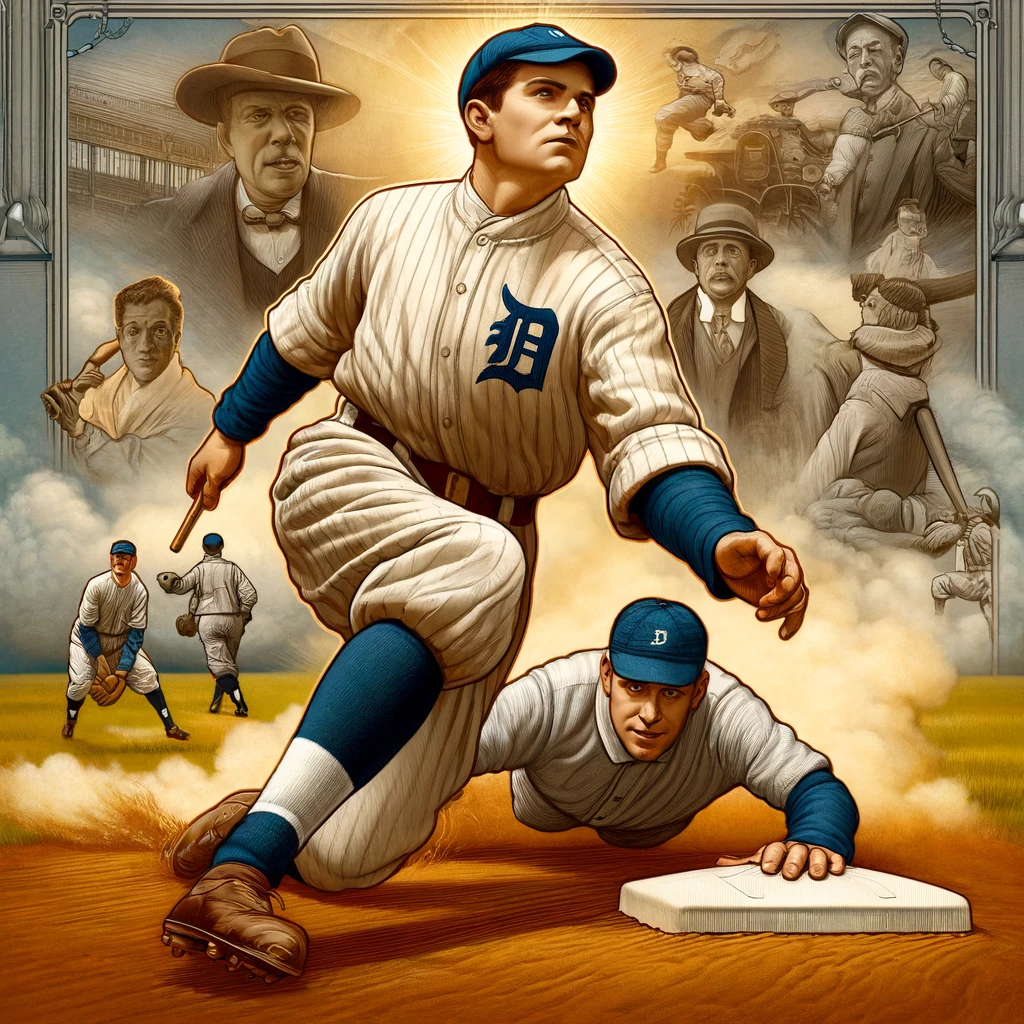
Baseball in the early 20th century was not just a game; it was a burgeoning American tradition. Amidst the rough and tumble of the sport’s infancy, one figure stood out not only for his exceptional skill but also for his intense personality: Tyrus Raymond Cobb, known universally as Ty Cobb. This article will delve into the life, career, and legacy of Cobb, illuminating his influence on the game of baseball.
Youth and Entry into Major League Baseball
Born in 1886 in Narrows, Georgia, Ty Cobb was the son of a schoolteacher and state senator who held his son to extremely high standards. Cobb’s childhood was marked by his father’s stern discipline, which some say shaped the fierce competitiveness that Ty would become famous for on the baseball diamond.
Cobb’s professional baseball journey began in 1905 when he debuted with the Detroit Tigers at the tender age of 18. His entry into Major League Baseball (MLB) was met with immediate attention, not just for his youth but for his fearless style of play. Cobb’s approach to baseball was aggressive and direct, a reflection of his intense desire to succeed and his relentless pursuit of victory.
Rise to Prominence
It didn’t take long for Cobb to establish himself as a premier player in the league. By his second season, he was already leading the American League in batting average. Cobb’s style was distinctive; he was known for his sharp, smart baserunning and his ability to hit the ball to all fields. Over the years, he developed a reputation for being perhaps the best hitter of his era, achieving a high batting average with remarkable consistency.
Beyond his batting prowess, Cobb was notorious for his competitive nature. He was often described as ruthless and aggressive, characteristics that made him a feared opponent. Despite the controversies that often surrounded him, including numerous altercations with other players and even fans, Cobb’s talent was undeniable.
Record-Breaking Achievements
Throughout his 24-year career, mostly with the Detroit Tigers and a short stint with the Philadelphia Athletics, Cobb set numerous records. Some of these, such as his career batting average of .366, still stand today. Cobb also led the American League in batting average twelve times and accumulated over 4,000 hits and nearly 900 stolen bases over his career.
Cobb’s approach to the game was tactical and psychological; he studied pitchers and fielders meticulously, exploiting any weakness he could perceive. His baserunning was particularly legendary, combining intelligence with raw speed. Cobb was not just running bases; he was waging psychological warfare, often psyching out his opponents with aggressive slides or sudden sprints.
Controversies and Personal Challenges
Ty Cobb’s career was not without its share of controversies. Known for his fierce temper, Cobb was involved in various physical altercations, some with teammates and others with opponents or even spectators. These incidents contributed to his reputation as a difficult man, but they also overshadowed his on-field genius to some extent.
Off the field, Cobb faced personal tragedies and challenges. His relationship with his family was strained, particularly following the tragic death of his father, who was accidentally shot by his mother. These personal sorrows added layers to Cobb’s already complex persona, making him a somewhat tragic figure in the annals of baseball history.
Legacy and Impact on Baseball
Despite the controversies, Cobb’s impact on the sport of baseball is immense. He was part of the inaugural class inducted into the Baseball Hall of Fame in 1936, a testament to his influence and skill. Cobb is often cited as one of the greatest players in baseball history, not only for his statistical achievements but for his role in popularizing the sport.
Cobb’s legacy is also marked by his contributions off the field. After retiring, he made significant donations to education and healthcare, including substantial contributions to the Cobb Memorial Hospital. His philanthropy has left a lasting impact, demonstrating a different side of the man often known only for his fierce competitiveness.
Ty Cobb remains a seminal figure in baseball history. His playing style and intensity helped shape the game during its formative years, setting standards for excellence that players still aspire to today. While his personality and behavior off the field often sparked controversy, his contribution to baseball’s early development is undeniable. Cobb’s life and career offer a compelling glimpse into the early days of America’s favorite pastime, reminding us of the complexity of heroes and the enduring allure of the game they played.
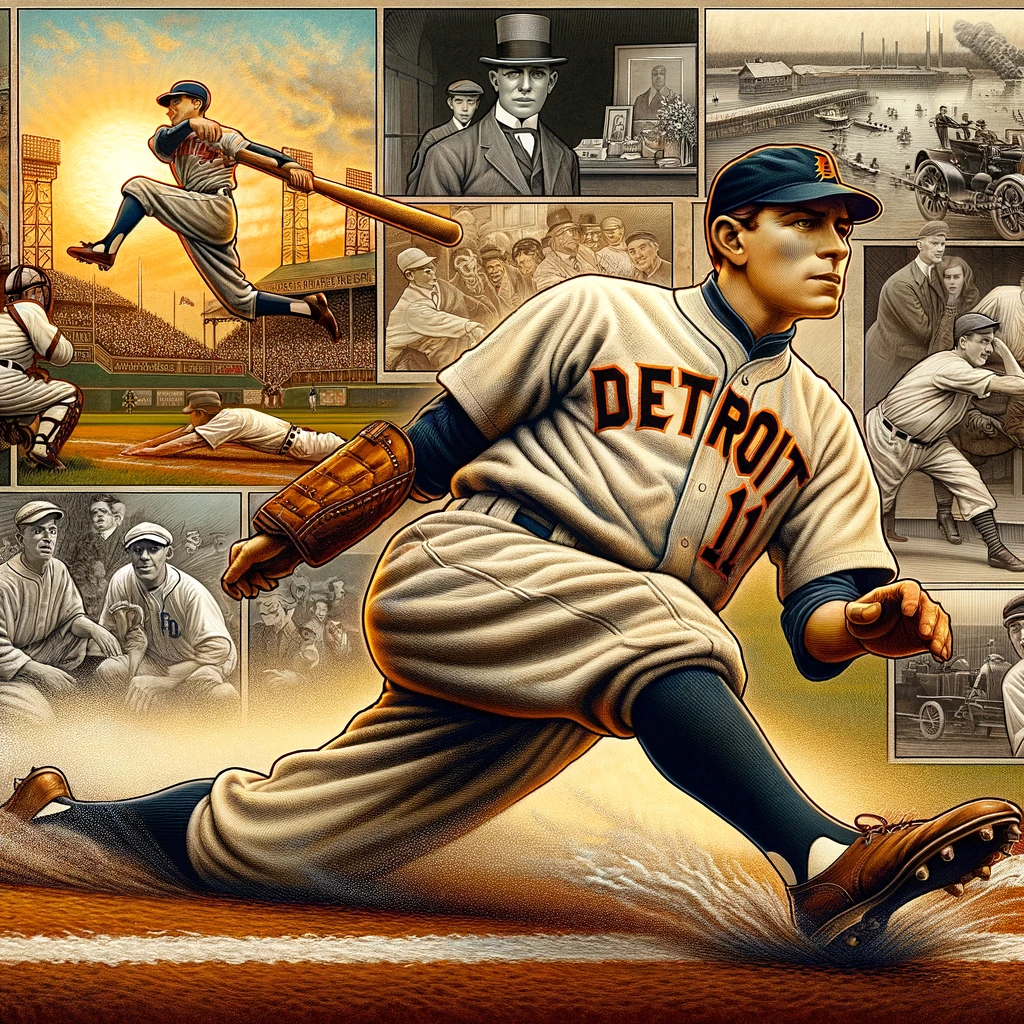
The Cultural Impact of Ty Cobb
Ty Cobb was not just a baseball player; he was a cultural icon who exemplified the fiery spirit of early 20th-century America. His aggressive playstyle and competitive nature resonated with a society that valued hard work and determination. Cobb’s influence extended beyond the baseball diamond, affecting how athletes were perceived in terms of celebrity and personal ambition.
Media and Public Perception
During Cobb’s era, the media played a significant role in shaping public perceptions of sports heroes. Newspapers and the fledgling radio industry often highlighted Cobb’s exploits, sometimes glorifying his aggressive tactics while at other times critiquing his more controversial behaviors. Cobb was conscious of his public image and used the media to his advantage, although he often had a contentious relationship with journalists whom he felt invaded his personal life or misrepresented his actions.
Playing Style Influence
Cobb’s playing style also had a profound impact on how baseball was played. He was a master of what is often called “inside baseball,” a strategy that emphasizes skill, speed, and mental acuity over sheer power. This approach influenced generations of players who saw Cobb not only as a successful athlete but as a strategic innovator. His ability to steal bases, bunt for hits, and use the entire field for batting made him a model for players looking to maximize their impact on the game.
Contributions to Racial Integration
Though Ty Cobb is sometimes remembered for his reputed racism, historians have pointed out that his actual stance on race was more complex than often portrayed. In later years, Cobb himself supported the integration of Major League Baseball, publicly endorsing players like Jackie Robinson. His evolving views on race reflect broader changes in American society and the sport’s gradual movement toward inclusion.
The Complexity of a Hero
Reflecting on Cobb’s life and career reveals the complexities of heroism in sports. Cobb was undoubtedly one of the most talented players to ever take the field, but his life was also marked by moments of significant controversy and personal struggle. His story is a reminder that heroes are often not perfect; they are multifaceted individuals whose lives can inspire debate as well as admiration.
Legacy in Modern Baseball
Today, Ty Cobb’s legacy in baseball remains strong. His records, some of which still stand, are a testament to his skill and determination. Modern players and fans look back at his career as a benchmark for success and a reminder of the sport’s rich history. The strategies he employed and the intensity he brought to the game continue to influence how baseball is played and understood.
Conclusion
Ty Cobb’s story is integral to the narrative of early baseball history. His achievements on the field and his complex off-field personality offer rich insights into the character of sports heroes and the evolving nature of American culture. As baseball continues to grow and change, remembering figures like Cobb helps us appreciate the deep roots and enduring spirit of the game.