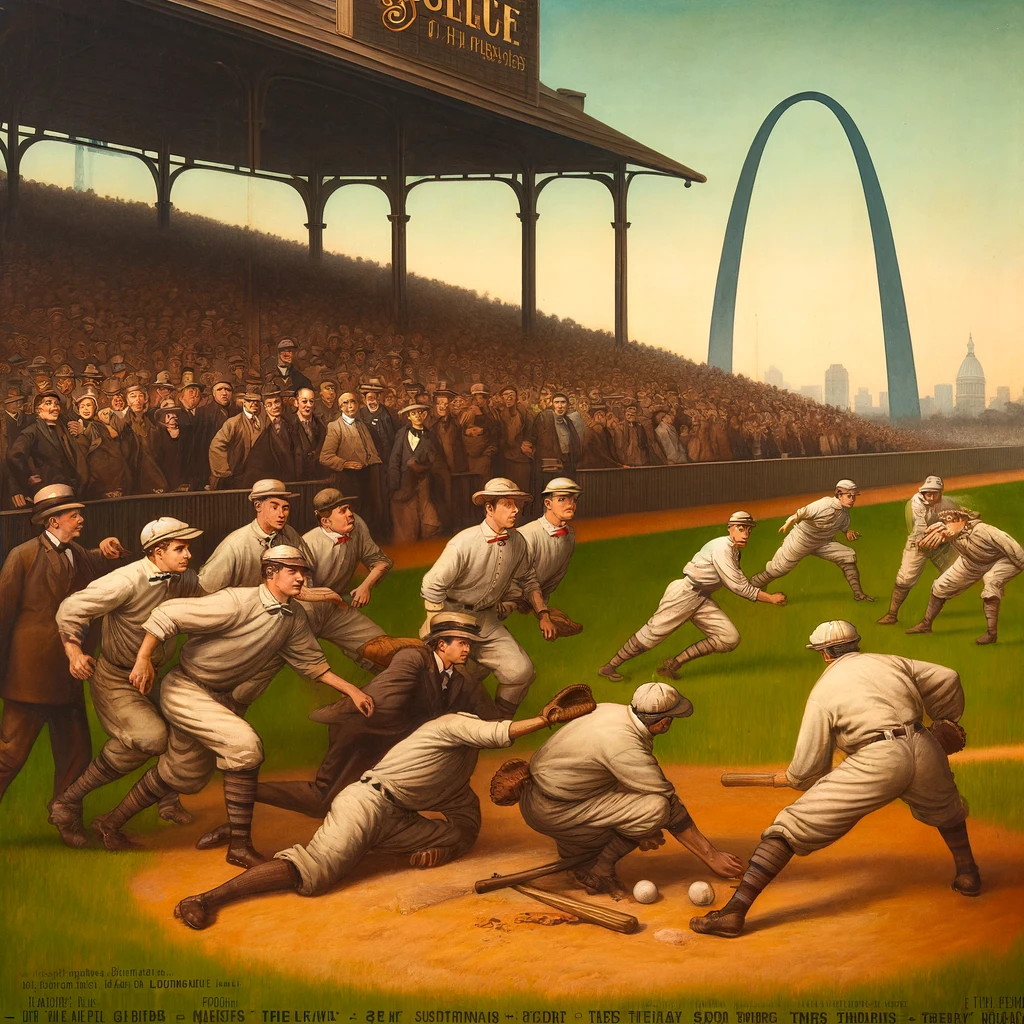
The history of the St. Louis Browns is not just a tale of a baseball team, but a story of persistence, hardship, and ultimately, transformation. As one of the original eight American League franchises, the Browns’ story is woven into the larger fabric of baseball history. Yet, unlike some of their contemporaries, the Browns are often remembered more for their struggles on and off the field than their successes.
The Early Days: Beginnings and Challenges
The team was established in Milwaukee as the Brewers in 1901 but moved to St. Louis in 1902 to become the Browns. This move was motivated by the desire to compete directly with the St. Louis Cardinals of the National League. Initially, the Browns enjoyed moderate success and were competitive in the league. However, they quickly found themselves overshadowed by the more popular Cardinals, setting a precedent for much of their history.
The Browns’ early years were marked by a series of financial struggles and ownership changes. These upheavals often reflected on the field, as the team struggled to maintain a competitive edge. Despite these challenges, the 1920s offered a brief glimpse of hope with stars like George Sisler, one of the greatest hitters of his era, gracing the roster. Sisler’s outstanding performance, including a .420 batting average in 1922, was a high point for the Browns.
The 1944 World Series: A Rare Highlight
The 1944 season was a standout moment in Browns’ history when they clinched their only American League pennant. The season was unique not only because of their success but because it set the stage for a St. Louis World Series against the Cardinals—the only all-St. Louis World Series to date. The Browns ultimately lost, but the series was a high watermark that brought temporary joy and pride to their fans.
Struggles and Decline
Following their World Series appearance, the Browns reverted to form and the struggles continued. Post-war America saw many teams capitalize on the booming popularity of baseball, but the Browns were unable to sustain success both financially and on the field. Attendance at games was dismal, as the Cardinals, who shared the same ballpark (Sportsman’s Park), continued to outshine the Browns in both performance and fan engagement.
Ownership tried various tactics to invigorate interest in the Browns, including hiring Bill Veeck as an owner in 1951. Veeck was known for his promotional stunts, and he brought his unique flair to the team. One of his most famous promotions was the appearance of Eddie Gaedel, a 3-foot 7-inch player, in a game in 1951 to draw attendance and attention. While these stunts brought brief moments of interest, they did not result in a sustained increase in fan support or team performance.
Relocation to Baltimore
By the early 1950s, it was clear that St. Louis could not support two Major League Baseball teams. The Browns were losing money, and their games were poorly attended. After the 1953 season, a deal was struck to sell the team, and the Browns were relocated to Baltimore, becoming the Baltimore Orioles in 1954.
The move marked the end of the St. Louis Browns but the beginning of a new chapter for the franchise in Baltimore. In Baltimore, the team found new life and gradually developed into a powerhouse in the American League, a stark contrast to their years in St. Louis.
The history of the St. Louis Browns is a poignant reminder of the challenges that sports teams can face. Their story is characterized by brief moments of glory amidst long periods of struggle. However, their relocation and transformation into the Baltimore Orioles show that change, while often difficult, can lead to new opportunities and successes. The legacy of the Browns continues to be remembered by baseball historians and fans alike, not just for their struggles, but for their enduring impact on the history of baseball.

A Community’s Team: The Cultural Impact of the Browns
Despite their less-than-stellar record, the St. Louis Browns held a special place in the hearts of their local supporters. For many St. Louisans, the Browns were not just an underdog team; they represented a working-class spirit that resonated deeply with the city’s blue-collar roots. The loyalty of their fans, though fewer in numbers compared to the Cardinals’ followers, was fierce and steadfast. This connection illustrates how deeply intertwined baseball teams can be with the identities and cultures of their cities.
Ownership and Management: The Quest for Stability
One of the significant factors that plagued the Browns was the constant change in ownership and management. These frequent changes led to inconsistency in team strategy both on and off the field. Each new owner brought different visions and strategies for the team, but none succeeded in creating a stable and successful franchise. This instability was a major impediment to the team’s ability to build a solid fan base and a competitive roster.
In the history of sports, few owners have been as colorful or as controversial as Bill Veeck. His tenure with the Browns was marked by audacious promotions and an unorthodox approach to team management. Veeck’s efforts to drum up support and fill seats included not only the infamous Eddie Gaedel stunt but also numerous other promotions that endeared the team to some while alienating traditionalists. Though these efforts were innovative, they often overshadowed the team’s on-field performance, further complicating their reputation and success.
The Economic Challenge: Competing with the Cardinals
Economically, the Browns were always at a disadvantage compared to the Cardinals. The Cardinals not only had a richer history but were also far more successful on the field, which translated into better attendance and more stable financial footing. The Browns struggled to compete for media attention and fan loyalty in a market that was increasingly dominated by the Cardinals. This economic disparity made it difficult for the Browns to invest in top-tier talent or to improve their facilities to the level of other more financially robust teams.
The Final Years in St. Louis
The final years of the Browns in St. Louis were marked by a palpable sense of inevitability about their relocation. As the financial losses mounted, the efforts to keep the team in St. Louis became more desperate and less effective. The community’s support, as loyal as it was, could not compensate for the financial realities facing the team. The decision to relocate to Baltimore was met with mixed emotions—sadness and nostalgia from those who cherished the team’s storied if troubled history, and a pragmatic understanding from those who recognized the need for change.
Legacy and Memory
Today, the legacy of the St. Louis Browns is kept alive through memorabilia, reunions, and the stories passed down by those who remember the team. The Browns remain a symbol of what it means to struggle, to fight against the odds, and to embrace change when necessary. For historians and baseball aficionados, the Browns offer a case study in resilience, adaptation, and the complexities of professional sports management.
Conclusion
The story of the St. Louis Browns is a narrative rich with lessons about perseverance in the face of adversity, the importance of community support, and the harsh realities of professional sports economics. Their history serves as a reminder of how sports can reflect broader social and economic contexts and how teams can foster a deep sense of identity and loyalty among fans. Though the Browns no longer play in St. Louis, their story continues to resonate with those who appreciate the underdog and understand the transformative power of relocation and reinvention in sports.