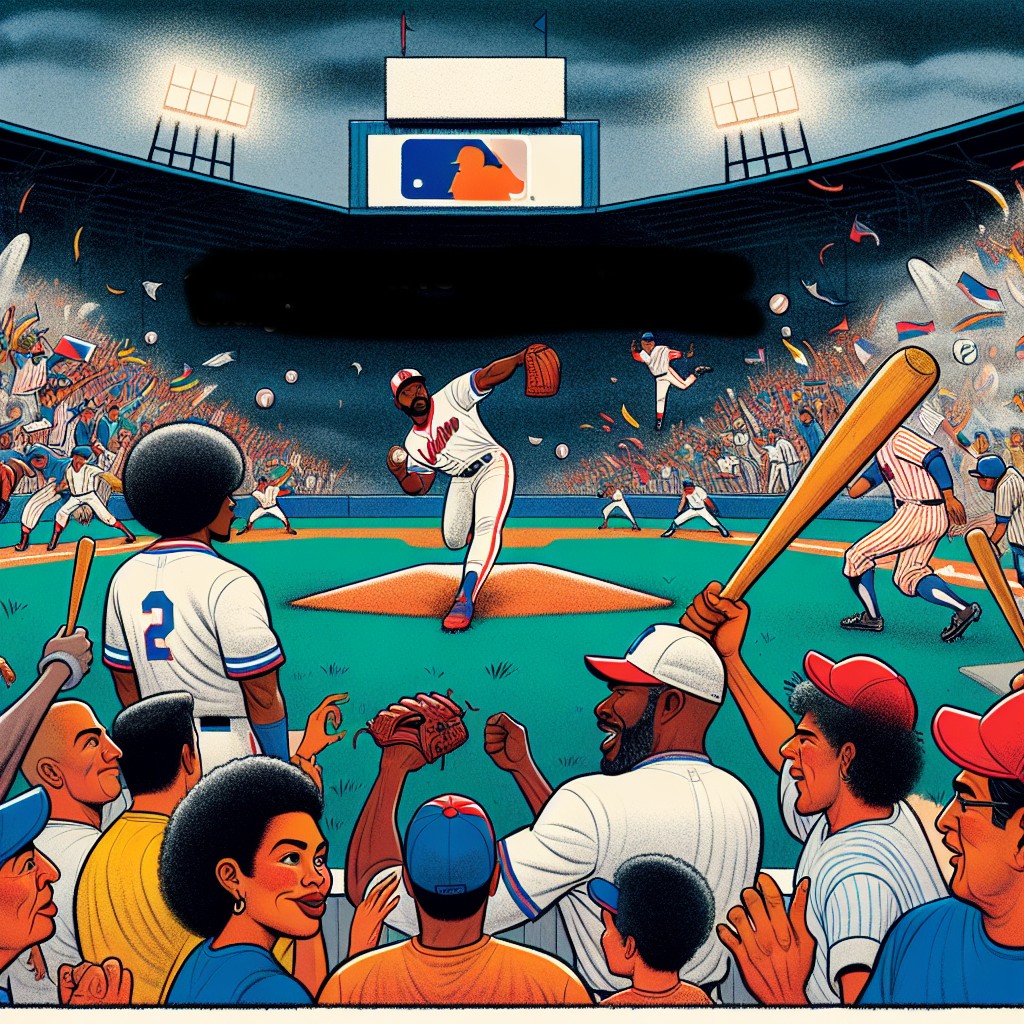
The landscape of Major League Baseball (MLB) has undergone a remarkable transformation over the decades, and one of the most significant factors contributing to this change is the influx of Latino players. Their rise in MLB not only highlights the changing dynamics of the sport itself but also reflects broader societal shifts regarding culture, identity, and globalization. Baseball, often referred to as “America’s pastime,” now embodies a global tapestry woven intricately with Latino influence, enriching both the game’s flair and its cultural impact. This revolution is not just about statistics and records but the essence of what baseball symbolizes in societies around the world. Latino players have brought with them a unique brand of baseball that blends passion, flair, and emotion. Their impact can be measured not just by their presence on the field but also by how they have changed narratives, broken barriers, and inspired generations.
The Latino presence in MLB now forms a rich mosaic that speaks to the diverse ethos embedded within the United States and beyond. Through their play, Latino athletes have introduced a different style, one that emphasizes speed, agility, and a palpable joy for the game that resonates with fans. Historically, the journey to MLB for many Latino players has been fraught with challenges. From socioeconomic barriers to cultural adjustments, these players have often overcome incredible odds to reach the big leagues. Their stories are inspirational and are a testament to resilience and determination. The journey of players like Roberto Clemente, who not only excelled on the field but also became a symbol of humanitarian excellence, highlights the foundational role Latino players have come to occupy in MLB.
As we delve deeper, it becomes crucial to examine the cultural impact Latino players have had, how they have fundamentally changed the game, and the societal implications that echo far beyond the baseball diamond. This exploration allows us to appreciate not only the game’s evolution but also the transformative power of communal identity and multiculturalism within professional sports.
The Cultural Renaissance of Latino Influence in MLB
The 20th century saw an exponential rise in the involvement of Latino players in Major League Baseball, marking a cultural renaissance that redefined the sport’s identity. In the early days, a handful of players from Spanish-speaking countries had ventured into MLB, often navigating a world fraught with prejudice and misunderstanding. Today, Latinos represent a significant portion of MLB rosters, with players hailing from the Dominican Republic, Venezuela, Puerto Rico, Cuba, and other nations, each bringing their distinct cultural flavor to the game. This infusion of diversity has carved out a vibrant cultural landscape within MLB. Latino players have contributed to an evolution in playing style, introducing nuances that have reshaped strategic approaches and fan engagement. The style of play, often marked by heightened emotion and dynamic athleticism, has redefined how games are experienced by fans. Stadium celebrations, such as signature home run trots and emphatic pitching displays, exemplify the infectious energy Latino players bring to the sport. Moreover, this cultural impact extends beyond mere gameplay. Latino players have increasingly become role models and ambassadors for their communities, both within and outside the United States. Their success speaks volumes about opportunity and perseverance, offering inspiration to young athletes globally. Community involvement, through philanthropy and youth mentorship, further underscores the commitment these players maintain towards their roots. The vibrancy and energy that Latino players infuse into MLB not only enhance the viewer experience but also foster a broader acceptance and celebration of diversity. Their role in the cultural renaissance of baseball serves as a metaphor for society’s gradually evolving embrace of multiculturalism, highlighting baseball as a symbolic convergence of cross-cultural unity.
Overcoming Challenges: The Latino Player’s Journey
The journey for Latino players entering Major League Baseball is one filled with both hope and hardship. Each step towards reaching the majors is often accompanied by challenges that test the limits of endurance, adaptability, and mental fortitude. For many, the path to MLB begins in impoverished neighborhoods where baseball serves not only as a passion but as a potential escape from socioeconomic adversity. Baseball academies in countries like the Dominican Republic have become a focal point for young talent, serving as launching pads for future MLB stars. These academies, often supported by MLB teams, offer young athletes a pathway from local baseball diamonds to the professional arena. However, this journey is not without its difficulties. The transition involves cultural acclimatization, language barriers, and the emotional toll of being away from family and familiar environments. For those who make it, stories of perseverance are paramount. Players like Albert Pujols and Vladimir Guerrero—both of whom overcame numerous obstacles to become icons of the game—exemplify the grit and resolve required to succeed. Their trials reflect broader issues of immigration, identity, and the pursuit of the American dream, highlighting baseball as a unique platform for cultural exchange. Despite these challenges, the triumphs of Latino players resonate profoundly. Their presence in MLB signifies not just a personal victory but also a broader cultural triumph that speaks to the universality of dreams and the shared human spirit. In overcoming adversity, these players curl sporting achievements together with narratives of hope and resilience.
The Societal Impact of Latino Legends
Roberto Clemente, the Hall of Fame right fielder from Puerto Rico, stands as one of the most celebrated Latino figures in the history of Major League Baseball. His legacy extends beyond his exceptional skills on the field, characterized by a powerful arm and an accomplished batting career. Clemente’s influence cuts through the fabric of baseball and leaves an indelible impression on society as a trailblazer for civil rights and humanitarian efforts. Clemente’s impact is emblematic of the footprint that Latino players have had on communities beyond baseball. His commitment to charitable work, notably his humanitarian mission to deliver relief supplies to Nicaragua, highlights how Latino players often use their platform for broader societal good. His untimely death while en route to Nicaragua underscores the depth of his commitment, revealing the profound impact sports figures can have off the field. Beyond Clemente, contemporary legends like Mariano Rivera and Pedro Martinez have continued to champion issues important to the Latino community through their philanthropic endeavors. The influence of these players transcends sporting achievements, as they become advocates for education, health, and social equality in underserved regions. Overall, these legends serve as a bridge between sports and society, illustrating how athletic success can transform into societal progress. Their legacies are etched in ballparks and beyond, generating a ripple effect that encourages activism, unity, and positive change across cultural boundaries.
The Economic and Marketing Impact of Latino Presence
The influence of Latino players is not confined purely to cultural transformation; their presence is equally impactful from an economic standpoint. The Latino demographic has become an integral component of MLB’s market strategy, driving attendance, viewership, and merchandise sales. As Latino players increasingly dominate highlight reels and statistical leaderboards, their popularity inspires enhanced engagement and media coverage. Latino fans, energized by the achievements of players reflecting their cultural heritage, represent a burgeoning market for MLB organizations. Teams capitalize on this relationship by crafting marketing campaigns, merchandise, and promotional events that celebrate Latino heritage and culture. Hispanic Heritage Month events and “Los” team logo merchandise are examples of how MLB’s branding strategy recognizes and embraces Latino contributions to the sport. Moreover, talented Latino players have become faces of major brand endorsements, expanding MLB’s economic footprint and bridging cultural divides in advertising. These partnerships often extend beyond the sport, influencing broader consumer behavior and preferences. Overall, the economic impact of Latino players in MLB is multifaceted, fueling both direct economics within the sport and expanding its cultural relevance. The symbiotic relationship between leagues, players, and fans underscores how sports can forge deep connections that resonate across diverse consumer bases.
The Future of Latino Influence in MLB
As we look to the future, the trajectory of Latino influence within Major League Baseball shows no signs of slowing. With each new generation of players, the cultural landscape of MLB continues to diversify and evolve, amplifying the game’s reach and influence across the globe. Key talent scouts and recruiters have noted the growing depth and talent pool inherent in Latin American countries, suggesting a bright future filled with emerging superstars. Organizations and fans alike are becoming more culturally aware, valuing the unique contributions Latino players and their communities bring to the sport. MLB has made significant efforts to foster relationships with Latino communities, realizing the mutual benefits of embracing this cultural convergence. Initiatives such as international showcases, developmental leagues, and community outreach programs fortify the bond between baseball and Latino cultures. The prospect of increased engagement from Latin American countries not only promises exciting talent but also reinforces MLB’s role as a symbol of opportunity and diversity. Acknowledging the contributions of Latino players ensures the continued growth and relevance of baseball as a truly global sport. As the bridge between cultures continues to strengthen, MLB stands poised to reflect and harmonize a world of diverse traditions and narratives.
Conclusion: Latino Legacy in MLB’s Cultural Fabric
The Latino revolution in Major League Baseball exemplifies a dynamic shift in the sport’s cultural landscape, highlighting both baseball’s adaptability and its symbolic resonance in society. Through their athletic prowess, cultural infusion, and community impact, Latino players have become a cornerstone of MLB, reinforcing the game’s standing as not only America’s pastime but a global phenomenon. As MLB continues to evolve, the contributions of Latino players serve as a testament to the power of diversity in sports. Their stories of overcoming adversity, leading community initiatives, and achieving excellence on the field resonate as universal themes of hope, perseverance, and identity. These narratives are intricately woven into the broader fabric of baseball, cultivating a legacy that extends beyond the diamond and into the core of cultural expression. Looking to the future, the enduring impact of Latino players will undeniably continue to shape the sport, influencing both the next generation of athletes and fans. It is a revolution not just of talent and flair but of cultural unity and global understanding. As the sport embraces this transformation, Major League Baseball’s inclusive spirit remains a powerful allegory for social integration, celebrated diversity, and the shared joy of the game.
Frequently Asked Questions
1. How have Latino players transformed Major League Baseball?
Latino players have brought a dynamic and electrifying style to Major League Baseball that has significantly altered the game’s culture and play. Their influence is seen in the flair and passion they display on the field, from their robust batting techniques to their athletic prowess in the outfield. This has not only enriched the game technically but has also injected a vibrant, energetic approach that resonates with both Latino and American fans alike. Additionally, Latino players have introduced new traditions and practices within the teams, enhancing camaraderie and multicultural exchange, which is extra significant given the MLB’s historical reputation for being a more traditional sport.
Beyond their impact on playing styles, Latino players have also broadened the MLB’s appeal across international markets. With superstars hailing from various Latin American countries, they’ve inspired a new generation of athletes and captivated a diverse fan base. From encouraging more Spanish commentary to influencing player recruitment and scouting in Latin American countries, their presence has undoubtedly expanded baseball’s reach globally.
2. What challenges have Latino players faced in MLB?
Despite their significant contributions, Latino players have faced various challenges in MLB, ranging from language barriers to cultural assimilation difficulties. Language differences can pose significant hurdles both on the field and in everyday interactions within the team and media engagements. While many organizations now offer translation services and language lessons, the initial communication difficulties can sometimes impact a player’s integration into their team.
Additionally, there are cultural challenges related to adapting to life in the United States, which can include dealing with societal stereotypes and racial prejudice. Historically, there has been a degree of resistance within MLB to embracing a more diverse cultural influence, and Latino players have had to navigate this carefully, working to not only prove themselves as athletes but also challenge and change these outdated perceptions.
Finally, the economic disparities faced by many Latino players, particularly those from modest backgrounds, can add pressure. Adapting to a new economic system and handling newfound wealth responsibly is another layer of complexity that requires support from the league and teams.
3. What is the impact of the Latino Revolution on baseball’s cultural identity?
The Latino Revolution has had a profound impact on baseball’s cultural identity, transforming it from a purely American-centric sport to a globally inclusive and multicultural phenomenon. Through the celebration of Latino heritage nights, cross-cultural team-building practices, and the integration of Latino music and traditions at ballparks, baseball has evolved into a celebration of diversity and inclusion.
This transformation is more than superficial, as it challenges long-held stereotypes and encourages acceptance and appreciation of different cultural narratives within baseball. Latino players have also become symbols of perseverance, success, and representation for many young fans, particularly in Latin American communities, helping to elevate the role of MLB as a culturally responsible and forward-thinking institution.
Moreover, this cultural shift has helped bridge gaps between different communities within the United States. As fans from diverse backgrounds come together to celebrate their teams, it fosters a sense of unity, which stands as a testament to the power of sports in transcending cultural and societal boundaries.
4. How has the globalization of baseball been influenced by the Latino Revolution?
The globalization of baseball has significantly been fueled by the Latino Revolution, as Latino players have become the sport’s international ambassadors. Their popularity and success have opened doors for MLB in Latin American countries, where the sport has become increasingly followed and supported at both grassroots and professional levels.
MLB’s strategic partnerships and investments in countries like the Dominican Republic, Venezuela, and Cuba aim to nurture local talent and foster baseball’s growth. This means more Latin American players are being scouted and signed to MLB teams, further increasing the sport’s global talent pool and making it more representative of the world’s athletic potential.
Additionally, the international success of Latino players has encouraged MLB to host games outside the United States, spreading its appeal and fostering its growth in new markets. The increasing number of international fans and the broadcast of games in multiple languages stand as evidence of baseball’s global evolution, driven in part by the Latino presence within the league.
Such globalization efforts offer the MLB business opportunities, broaden its audience base, and, most importantly, continue to promote a message of inclusive engagement by acknowledging and celebrating cultural diversity.
5. How have Latino players influenced the future direction of MLB?
Latino players have set the stage for MLB’s future by challenging traditional approaches to recruitment, training, and fan engagement. Their presence has necessitated changes within teams’ support systems and facilities, ensuring that cultural sensitivity and appropriate resources like language classes and family support systems are standard practice.
In the strategic sense, the success and popularity of Latino players highlight the importance of investing in diverse talent recruitment. Teams are increasingly looking beyond American borders to discover players with new skill sets and perspectives, which may redefine key aspects of the game, such as pitching styles or batting techniques.
Moreover, the enthusiasm and flair embraced by Latino players are shaping MLB’s marketing and fan engagement strategies. Emphasizing diverse storytelling, vibrant fan experiences, and inclusive environments at baseball games become crucial for the sport to flourish in modern, socially-conscious societies.
The Latino presence in MLB is not only shaping its competitive dynamics but is also carving out a new trajectory for the sport, ensuring it remains relevant, exciting, and well-adapted to the changing cultural landscapes and expectations of its global audience.