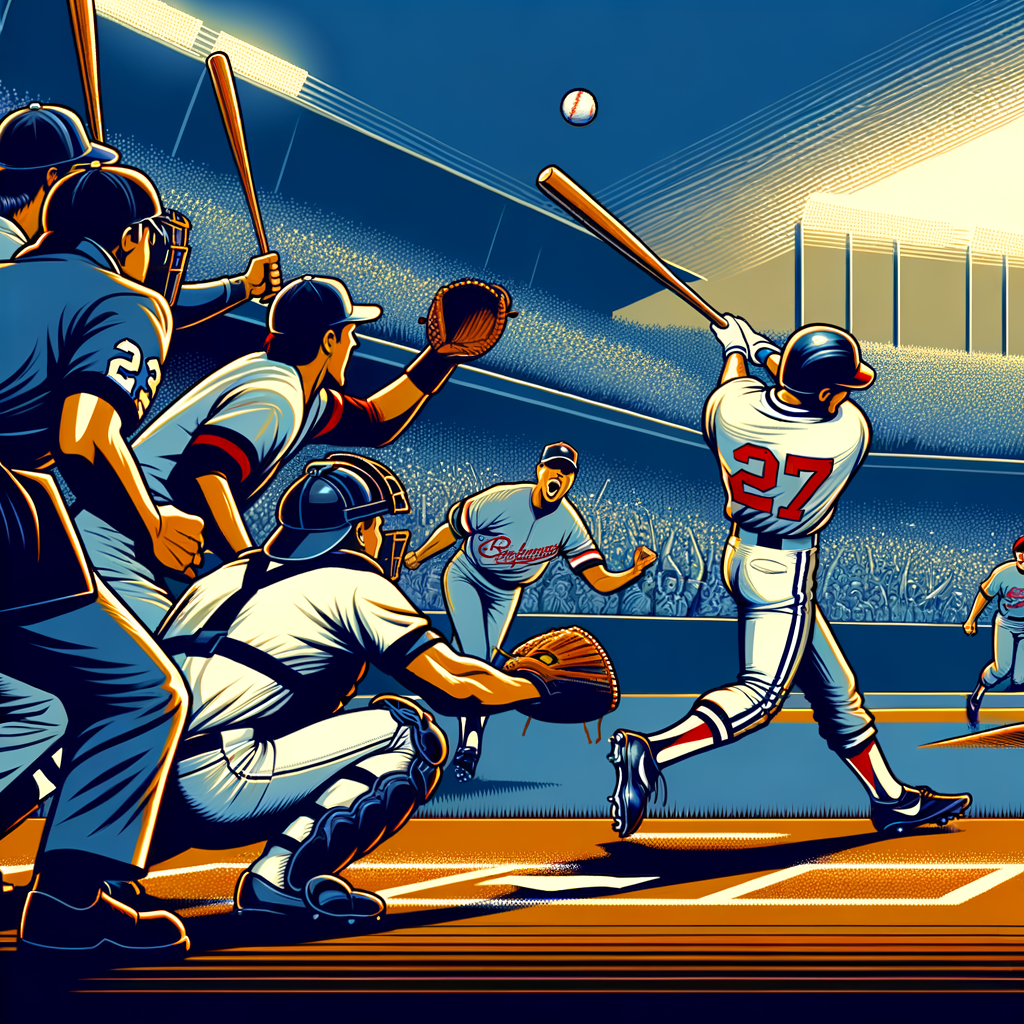
In the annals of Major League Baseball, the year 1997 stands out for numerous reasons, but especially for the Cleveland Indians and their dramatic journey through the season. This exhilarating campaign was defined by both breathtaking highs and heart-wrenching lows, as the Indians came startlingly close to clinching their first World Series title since 1948, only to be denied at the final hurdle. The 1997 Indians were a unique blend of seasoned veterans and promising young talent, guided by a managerial maestro who breathed life into the team’s aspirations. From their distinctive team chemistry to their competitive spirit, the Indians of that year were nothing short of remarkable. Their season was a roller-coaster of emotions—victory and loss, brotherhood and rivalry, strategy and spontaneity—all converging to leave an indelible mark on the hearts of Cleveland fans.
The 1997 season commenced with optimism fueled by a series of strategic decisions made in the off-season. Glen and Smith, two pivotal figures, fell into place, bolstering the Indians’ lineup with their eclectic skills and leadership qualities. Moreover, off-field strategists worked tirelessly to ensure the team was not only physically prepared but also mentally primed to take on the challenges awaiting them. As the season unfolded, it became evident that the Indians were a formidable force, poised to contend at the highest level. Their journey accross the season is peppered with notable incidences and achievements, which came together to fashion a season that is still remembered with a bittersweet fondness. In examining the 1997 Indians’ trajectory, one must delve into the pivotal aspects that defined their near-success, encompassing their dynamic roster, strategic play, key games, and ultimately, the soul-crushing end that left Cleveland just short of baseball glory.
Building the Roster: Balancing Experience and Youth
The Cleveland Indians’ roster in 1997 was curated with a masterful touch that appreciated both the need for experienced hands and the vigor of youth. This delicate balance was the hallmark of the team’s structure, aimed at creating a competitive lineup capable of withstanding the rigors of a demanding season. The Indians were anchored by veterans like Sandy Alomar Jr., whose presence behind the plate provided a sense of calm and insight into the team’s dynamics. His ability to guide pitchers and handle nuanced game situations was invaluable. Alomar’s leadership was complemented by the seasoned hitting prowess of Jim Thome and the defensive expertise of Omar Vizquel, both of whom were linchpins in ensuring the team’s stability.
Emerging talents also played a crucial role in the Indians’ roster. Manny Ramirez and David Justice were central figures, bringing a youthful exuberance and flair to the team’s overall energy. Their offensive capabilities provided the Indians with a competitive edge, with Ramirez’s homerun hitting ability consistently tilting games in the Indians’ favor. Not shying away from pressure moments, these young players often delivered match-winning performances, reinforcing the team’s capacity to tackle any obstacle. Edge and vigor emanated from even the unlikeliest quarters as the Indians’ management made strategic decisions regarding pitching rotations and defensive shifts. Under the astute leadership of their manager Mike Hargrove, these decisions were not mere tactics; they were deeply considered strategies that punctuated the Indians’ gameplay all season long.
Strategic Season Play: A Tactical Genius on Display
Central to the Indians’ 1997 campaign was their strategic play, orchestrated almost like a carefully composed symphony. Hargrove assumed the role of a maestro, conducting his players with aplomb. With an innate sense of when to risk and when to consolidate, Hargrove set the rhythm of the Indians’ victories. Focused more on adaptability than rigidity, he maneuvered through the highs and lows of the season with surgical precision. In-game decisions, from substituting players at crucial junctures to setting up defensive formations, underscored Hargrove’s flexible yet strategic approach to managing the team.
Focusing on the Indians’ pitching crew, the strategy there was all about maximizing the collective impact without solely relying on individual brilliance. There was a clear understanding among the pitchers that functioned as part of a cog in the larger machinery. Charles Nagy stood out as a symbol of consistency in the Indians’ pitching lineup, delivering performances steeped in reliability. Alongside Nagy, pitchers like Bartolo Colon and Jaret Wright rose through the ranks to consolidate the Indians’ claim as serious contenders. They were backed by an equally astute bullpen, wherein José Mesa often provided the denouement to nail-biting encounters, capturing wins that seemed otherwise elusive and instilling confidence within the team. The 1997 season was essentially an exhibition of strategy translated seamlessly into success for the Indians, who thrived under intense scrutiny and pressure.
Key Games: Turning Points and Tests
The 1997 season was dotted with crucial games that played defining roles in shaping the Indians’ campaign. Among these encounters, the American League Division Series (ALDS) against the New York Yankees stands paramount not only for its intensity but also its testament to the Indians’ resolve. The five-game series showcased the Indians pulling together, weathering the formidable challenge posed by the Yankees, which concluded with a thrilling Game 5 victory on the back of defensive brilliance and tactical astuteness.
The next stage pitted the Indians against the Baltimore Orioles in the American League Championship Series (ALCS). In a battle that encapsulated the essence of postseason baseball, the Indians emerged triumphant in this closely contested seven-game series. It tested their endurance and highlighted players like Tony Fernandez, whose game-winning Extra-Inning Homer in Game 6 signaled the Indians’ unwavering determination. Each game presented a new test of resilience and skill, ultimately leading the Indians to the World Series.
Throughout the 1997 postseason, every game bore witness to the Indians’ indefatigable spirit. Beyond their athletic prowess, it was the intangibles—camaraderie, belief, and strategic intuition—that truly set them apart. The Indians’ progression through these critical matches validated their potential and fed into the larger narrative that Cleveland had long-awaited—an opportunity to secure baseball’s most coveted honor.
The World Series: A Heartbreaking Conclusion
The pinnacle of the 1997 season, the World Series, took the Indians into uncharted territories against the Florida Marlins. Emerging as the underdogs, the Indians played hard against the backdrop of an electrifying, yet tension-filled series. The seven-game showdown was characterized by alternating dominance as both teams exchanged blows in this epic clash. Among memorable highlights, Games which saw Davis and Thome hammer home runs, were legends in the making. However, despite quintessential baseball moments, the series gradually painted contrasting pictures for the Marlins and Indians.
As the games progressed, the pressure mounted intensely on the Indians. The team found itself stretched to its limits in a battle not just of physical endurance but mental fortitude as well. Through six exhausting games, each team stood toe-to-toe till every play mattered exponentially. The dramatic final Game 7 at Pro Player Stadium began with Indians’ fans dreaming of glory, only to be shattered in one of baseball’s cruelest heartbreaks when the Marlins edged them out with an agonizingly narrow 3-2 victory in eleven innings.
Edgar Renteria’s jubilant hit that drove home the winning run was shaded by gloom, which descended over the Indians’ dugout, leaving players visibly disconsolate. It was a staggering blow. The Indians had flirted tantalizingly closely with history, yet baseball’s ultimate reward eluded them. The final match demonstrated the vicissitudes and caprices of sport, where the finest margins could dispel dreams. It was a bitter pill, encapsulating a dream crumbling through the tiniest fractures of opportunity that had once shone brightly.
Conclusion: A Legacy with Lasting Impact
The legacy of the 1997 Cleveland Indians resonates deeply within the framework of baseball lore, especially within the hearts of their devoted fanbase. This unforgettable season, filled with its dazzling triumphs and gut-wrenching defeat, transcends mere statistics and accolades. The campaign ended in heartbreak, but not without leaving an impression that would shape future team prospects and cultural dynamics within the franchise. For a brief spell, the Indians captured collective imaginations, reaching into the psyche of a city characterized by their resilience and pursuit of hope.
Reflecting back on that remarkable season, the Indians were a portrait of innovation blended with tradition, proving adept at integrating fresh approaches while respecting the timeless essence of the game. Their journey inspired subsequent generations of players and resonated with fans as a testament to commitment and teamwork despite the ultimate outcome. Above all, the Indians of 1997 exemplified a collective belief in defying the odds, leaving a blueprint for a confluence of tenacity, expertise, and unity in pursuing ultimate success.
As future teams donning Cleveland’s colors marched forward, the 1997 season stood as an inspiring beacon for overcoming adversities and aspiring toward unattained heights. It endowed the franchise with invaluable lessons, a reminder etched in the DNA of the Indians—of a squad that came within touching distance of greatness. Though the Indians’ journey concluded in a near-miss, their narrative advanced beyond definitive victories and losses into a testament of enduring hope and pride, encapsulating a chapter in baseball history that forever holds its cherished place in Cleveland’s heart.
Frequently Asked Questions
1. What made the 1997 Cleveland Indians’ season so memorable for baseball fans?
Ah, the 1997 Cleveland Indians—a season etched in MLB history as an epic narrative of ambition, talent, and heartbreaking disappointment. This was the year when the Indians, a blend of experienced players and youthful prospects, embarked on a dazzling journey to potentially secure their first World Series championship since 1948. Fans witnessed nail-biting games and thrilling performances as the team displayed its prowess on the diamond throughout the season.
One of the most notable aspects of this season was the diverse mix of players, combining seasoned veterans like Sandy Alomar Jr. and Omar Vizquel with promising talents such as future Hall of Famer Jim Thome and Manny Ramirez. What added to the spectacle was the sheer emotion and excitement generated by the team’s playoff run. Cleveland’s fan base, starved of a championship in over 40 years, eagerly rallied behind their team, making each game a must-watch affair. Beyond just the wins and losses, it was the hope and belief that this squad invoked in its supporters that made the 1997 season truly remarkable.
2. How did the Indians perform throughout the regular season and playoffs in 1997?
The Cleveland Indians’ 1997 regular season was a robust showcase of resilience and skill, clinching the American League Central Division title effortlessly. They ended the regular season with a 86-75 record, a testament to their strong lineup and strategic plays. Once they entered the playoffs, the team’s performance further elevated, sharpening their focus and determination.
The postseason journey was fraught with thrilling and intense matchups. In the American League Division Series (ALDS), the Indians faced off against the formidable New York Yankees. The series was a classic display of baseball drama, stretching to five games before the Indians advanced to the American League Championship Series (ALCS). There, they encountered the Baltimore Orioles, another top-tier team. This series went down to the wire, with every game being contested ferociously. Eventually, the Indians triumphed in Game 6, propelled by their outstanding teamwork and clutch performances, including Tony Fernandez’s critical home run in game six.
The World Series featured the Indians against the Florida Marlins. As the series unfolded, fans were treated to an emotionally charged showdown. The Indians fought valiantly, pushing the Marlins to a decisive Game 7. However, in a heart-rending conclusion, they fell short with a loss in extra innings, marking a bittersweet end to an otherwise unforgettable season. It was a near miss that left an indelible mark in the hearts of Cleveland’s fans.
3. Who were the standout players for the Indians during the 1997 season?
The 1997 Cleveland Indians boasted an impressive roster where several players shone brightly, contributing significantly to the team’s success. Omar Vizquel, known for his defensive brilliance, was a key figure in the infield, dazzling fans and players alike with his remarkable plays at shortstop. His synergy with second baseman Roberto Alomar fortified the Indians’ defense, giving them a formidable infield presence.
On the offensive side, power hitters like Jim Thome and Manny Ramirez electrified audiences with their consistent home run prowess. Thome’s intimidating presence at the plate and Ramirez’s explosive batting made them feared sluggers across the league. Albert Belle’s absence was felt, but the team adapted well, adjusting their lineup to maximize scoring opportunities.
The All-Star catcher Sandy Alomar Jr. also deserves mention. Not only was he a leader behind the plate, but his clutch performances, including a critical home run during the ALDS against the Yankees, were pivotal. Pitching also saw some standout performers; Charles Nagy was a reliable starter, and Mike Jackson and Jose Mesa contributed effectively in their bullpen roles, delivering crucial saves during high-stakes scenarios in the postseason. Collectively, these players formed the backbone of a team that captivated baseball fans in 1997.
4. What factors contributed to the Cleveland Indians falling short in the 1997 World Series?
The Cleveland Indians’ ultimate loss in the 1997 World Series against the Florida Marlins came down to several critical factors, illustrating just how finely balanced the competition was. Firstly, during the series, the Marlins showcased their own strengths not to be underestimated, including a strategic mastery that often left the Indians struggling to find consistent momentum.
Moreover, luck seemed to desert the Indians at cruacial moments. Despite taking the lead several times during Game 7, they were unable to hold onto it because of a combination of unyielding pressure from the Marlins and minor errors that in retrospect cost dearly. The pitching, which had been strong for much of the postseason, experienced hiccups — for instance, Jose Mesa’s failure to close out Game 7 in the bottom of the ninth allowed the Marlins to equalize, eventually pushing the game into extra innings.
Additionally, the emotional and mental toll of the lengthy postseason journey might have played a role. The Indians had already fought through the tooth-and-nail encounters in the ALDS and ALCS, which could have drained their energy reserves at a critical time. When the series came to a decisive Game 7, the pressure was palpable, and the Marlins seized the scant opportunities that came their way, eventually overcoming the Indians in a painstakingly close match in extra innings.
5. How has the 1997 season influenced the Cleveland Indians and their fanbase in the years since?
The 1997 season left an enduring impact on both the Cleveland Indians as an organization and their loyal fan base. Since this painstaking near-miss for a championship title, the narrative has fueled a lasting tradition of hope, resilience, and high standards within the team and among their supporters. While heartbreak was undeniable, there was also a sense of pride in having come so close, bolstered by the talent and passion displayed throughout the year.
For the franchise, the season highlighted areas for improvement and fueled a drive to remain competitive in the subsequent years. Initiatives to scout, nurture, and incorporate fresh talent began in earnest, aiming to replicate and surpass the success of 1997. The season came to symbolize potential—what could be achieved with the right blend of talent and teamwork.
For fans, this season became a source of nostalgic appreciation and motivation. Every subsequent season has been permeated by memories of 1997, lining not only conversations about ‘what-ifs’ but also inspiring an unwavering support system that rallies even harder in pursuit of that coveted World Series title. It remains a definitive chapter in Cleveland sports history, reminding both players and fans alike of the eternal promise of baseball—that every spring, hope is reborn.