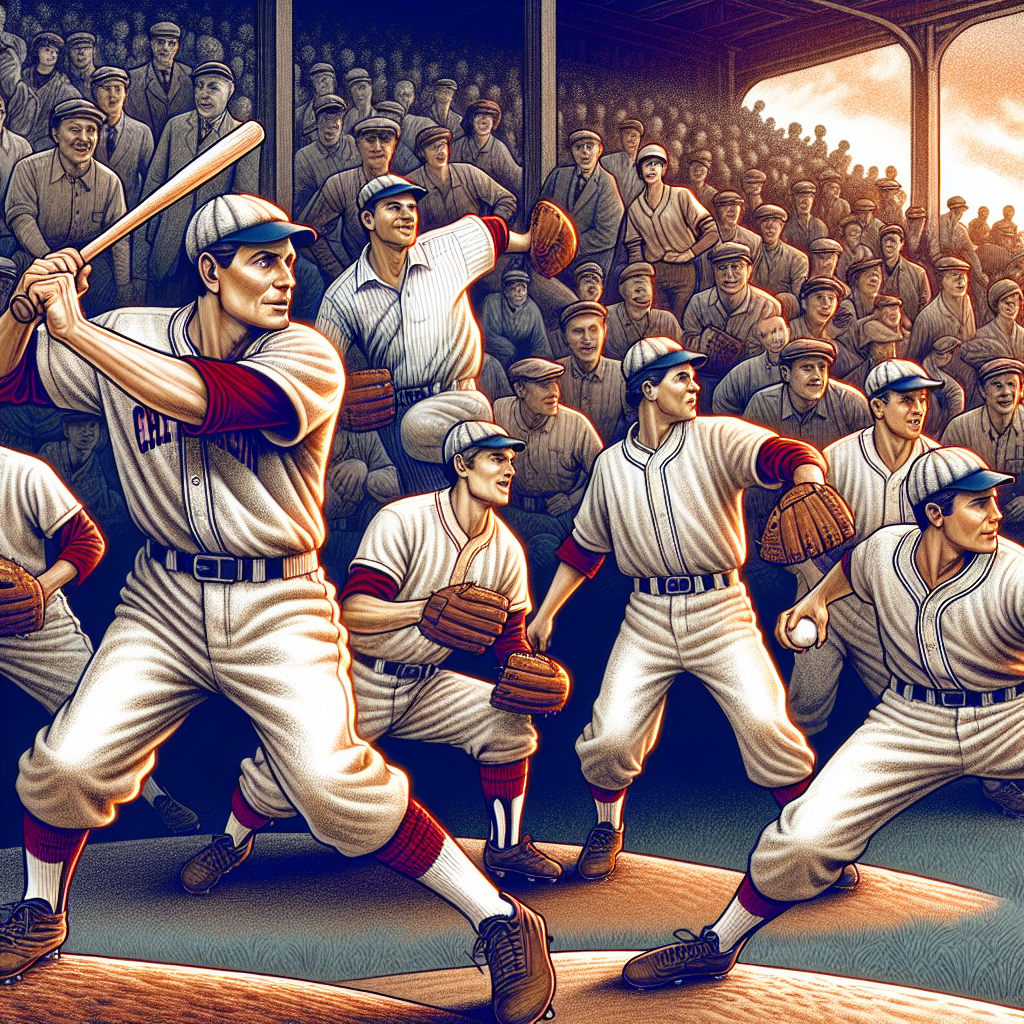
The 1984 Detroit Tigers season is often hailed as one of the greatest in the history of Major League Baseball. Guided by manager Sparky Anderson and led by a roster overflowing with talent and determination, the team embarked on a legendary run to claim the World Series title. The dominance displayed by the Tigers throughout the regular season and playoffs has left an indelible mark on baseball history. From a blistering start to a grand finale, the 1984 Tigers were a force to be reckoned with.
Setting the Scene: A Dream Start
Right from the outset, the 1984 Detroit Tigers made it clear they were on a mission. The team rocketed out of the gate, winning their first nine games. This blistering start continued to snowball, leading to an astonishing 35-5 record by the end of May, the best 40-game start in MLB history. Their nearly flawless performance left fans, players, and analysts in awe, while opponents struggled to find any weaknesses in the Tigers’ armor.
The pitching staff, led by ace Jack Morris, was instrumental in the team’s early success. Morris’s no-hitter against the Chicago White Sox on April 7 was a perfect encapsulation of the team’s dominating pitching. Complementing Morris were pitchers Dan Petry, Milt Wilcox, and the rookie sensation Willie Hernandez, who would later win the Cy Young and MVP awards. Their collective efforts resulted in astonishingly low earned run averages and frequent shutouts.
Offensive Prowess: A Balanced Attack
Offensively, the Tigers were a juggernaut, demonstrating a potent mix of power, speed, and timely hitting. Alan Trammell, the standout shortstop, and second baseman Lou Whitaker formed one of the most formidable double-play combinations in baseball history, contributing both defensively and offensively. Trammell’s steady bat and slick fielding, along with Whitaker’s consistent production, became a cornerstone of the Tigers’ success.
Meanwhile, first baseman Darrell Evans, catcher Lance Parrish, and outfielders Kirk Gibson and Chet Lemon provided the muscle in the lineup. Gibson, in particular, was known for his clutch hitting and explosive power, delivering game-changing home runs that often turned the tide in Detroit’s favor. The depth of the Tigers’ lineup meant that virtually every player was a threat, making it nearly impossible for opposing pitchers to find a safe route through the order.
The strategy under Anderson was not just about power hitting; it blended small ball tactics perfectly. The Tigers were proficient at stealing bases and executing sacrifices, consistently putting pressure on opposing defenses and capitalizing on errors.
Regular Season Dominance
The dominant start to the season by the Tigers was an omen of things to come. As they plowed their way through the regular season, their dominance remained unchallenged. By midseason, it was already apparent that barring some unfathomable collapse, the Tigers were on their way to the postseason. They ended the regular season with a record of 104-58, claiming the American League East title by a margin of 15 games over the Toronto Blue Jays. Their win total was the highest in the majors that year, and it reflected their near-invincibility.
The consistency with which the Tigers played was remarkable. Throughout the season, they never lost more than three consecutive games. Their resilience and confidence emanated from every aspect of their play — be it on the mound, at the plate, or in the field. This level of consistency created an aura of inevitability around the team’s performance, and every win bolstered their reputation as one of the greatest teams in the history of baseball.
Despite facing competitive teams in their division, the Tigers rarely showed weaknesses. Their standout catcher Lance Parrish provided leadership on and off the field, while the bullpen, fortified by the emergent Willie Hernandez, provided security in late innings. This comprehensive team effort ensured that each game, no matter the stakes, was approached with professionalism and determination.

The Postseason: Asserting Dominance
The Tigers’ regular season dominance naturally led them to the postseason, where they continued to shellshock their opponents. In the American League Championship Series (ALCS), the Tigers faced off against the Kansas City Royals. The Royals, despite being one of the better teams in the league, were no match for the formidable Tigers, losing the series in a decisive three-game sweep. It showcased the relentlessness and preparedness of Anderson’s team, as they made quick work of the Royals with a combination of stellar pitching and timely hitting.
With the ALCS victory, the Tigers punched their ticket to the World Series, where they were set to face the San Diego Padres. The Padres, having reached the World Series for the first time in franchise history, were keen to prove themselves but quickly found themselves overmatched. Alan Trammell’s performance in the Series was remarkable, earning him the World Series MVP award. He batted .450 with two home runs and six RBIs, delivering essential hits that kept the Padres at bay.
The pitching continued to be stellar, and the Tigers won the series in five games, cementing their place in history. The final victory at Tiger Stadium was emblematic of the season-long dominance. When the last out was recorded, the celebration erupted, and Detroit had its first World Series title since 1968. The win was the culmination of a season-long display of excellence, strategy, and execution.
Key Players and Unsung Heroes
While many stars shone brightly during the 1984 season, credit must be given to several unsung heroes whose contributions were pivotal. Players like third baseman Howard Johnson and outfielder Ruppert Jones provided depth and versatility, stepping up during crucial moments to keep the momentum going. The bullpen, featuring key relievers such as Aurelio López and Doug Bair, played essential roles in maintaining leads and securing victories.
The influence of manager Sparky Anderson cannot be overstated. Anderson’s strategic acumen and ability to manage egos and keep the team focused provided the foundation for the Tigers’ historic run. His confidence and experience were invaluable, particularly in high-pressure situations where his calm demeanor helped guide the team through the storm.
An often overlooked but equally important factor was the seamless integration of the Tigers’ farm system into their major league roster. The minor league system produced not only skillful players but also instilled a culture of winning. This alignment ensured that even when regular starters needed rest or were sidelined due to minor injuries, there was always a capable player ready to step in and contribute.
Legacy of the 1984 Tigers
The legacy of the 1984 Detroit Tigers extends beyond their World Series win. This team set a benchmark for future generations and became a source of immense pride for the city of Detroit. The players felt a deep connection to the city and its residents, mirroring the town’s resilient and hardworking spirit. The 1984 team helped rekindle a sense of community and pride during a challenging time for Detroit.
Many of the players from that legendary roster continue to be revered by Tigers fans. Alan Trammell and Lou Whitaker, often referred to as “Tram and Lou,” remain iconic figures due to their outstanding careers and the integral roles they played during the 1984 season. The team’s success also had a lasting impact on the individual careers of players like Jack Morris and Lance Parrish, who are remembered as some of the best at their respective positions.
The 1984 Tigers also influenced organizational strategies within baseball. Their winning combination of strong pitching, solid defense, and timely hitting became a model for building successful teams. Teams across the league took note of how the Tigers balanced star power with depth and versatility, a blueprint that continues to be emulated to this day.
Conclusion: A Season to Remember
The 1984 Detroit Tigers season is etched in the annals of baseball history as one of dominance, excellence, and unyielding spirit. Under Sparky Anderson’s leadership and fueled by a roster of stars and unsung heroes alike, the Tigers captivated the baseball world with their awe-inspiring performance. Their journey from a record-breaking start to a World Series triumph is a testament to teamwork, skill, and resilience.
For fans and players alike, the memories of the 1984 season remain vivid and cherished. The Tigers’ success story continues to inspire and remind us of what can be achieved with dedication, talent, and unity. It was a season where everything clicked, and the Tigers roared with an intensity that will forever echo in the halls of baseball glory.
Frequently Asked Questions
1. What made the 1984 Detroit Tigers season so legendary?
The 1984 Detroit Tigers season is considered legendary due to their exceptional performance and dominance from start to finish. Under the leadership of manager Sparky Anderson, the Tigers began the season with an incredible win-loss record of 35-5, setting a tone of invincibility. This remarkable start is one of the best in Major League Baseball history. The roster was stacked with talent, featuring standout players like Alan Trammell, Kirk Gibson, Lou Whitaker, and Jack Morris. Each contributed significantly in their roles, consistently performing at a high level. The team chemistry and well-rounded execution in all facets of the game—pitching, hitting, and defense—propelled them throughout the season. Their effort culminated in a dominating performance in the World Series, where they clinched the championship title, solidifying their place in baseball lore. The 1984 Tigers’ season is frequently revisited in discussions about the greatest baseball teams due to their unparalleled synergy, skill, and sustained excellence over the course of both the regular season and playoffs.
2. Who were the key players in the 1984 Tigers roster, and how did they contribute?
The 1984 Detroit Tigers boasted a roster that was both talented and balanced, which was pivotal to their success. Alan Trammell, the team’s shortstop, was a standout player, bringing crucial leadership and consistently excellent performance on both offense and defense. Trammell’s skillful batting and fielding were instrumental throughout the season, especially in the postseason, where he was named the World Series MVP. Kirk Gibson provided power and athleticism, delivering critical hits and key moments that energized the team and enthralled fans. Lou Whitaker, playing second base, formed an unmatched duo with Trammell up the middle, contributing significantly to the team’s strong defense while also batting consistently. On the pitching end, Jack Morris provided the backbone for the rotation, notching 19 wins with his dominant pitching style. In the bullpen, Willie Hernández was superb, winning the AL MVP and Cy Young awards for his efforts. He was the go-to closer, effectively shutting down opponents during tight games. Each of these players, along with other vital contributors like Lance Parrish and Chet Lemon, played a crucial role in the Tigers’ cohesive unit, demonstrating the depth and skill across all positions.
3. How did Sparky Anderson influence the Tigers’ success in 1984?
Sparky Anderson’s influence on the 1984 Detroit Tigers is immeasurable; he was the mastermind behind their exceptional season. Known for his strategic brilliance and motivational skills, Anderson was pivotal in harnessing the team’s talent and guiding them to success. His approach to managing was firm yet fair, earning the respect and trust of his players, which in turn fostered a strong team ethos and a winning mentality. Anderson’s knowledge of the game allowed him to make precise decisions under pressure, whether it was line-up changes, pitching strategies, or in-game adjustments. He was adept at identifying each player’s strengths and weaknesses, ensuring they were used effectively during games. This ability to get the most out of his players was evident as the team consistently performed under his stewardship. Moreover, Anderson created an environment where players felt empowered and responsible, which further enhanced their performance. His leadership style and tactical acumen were crucial elements that spurred the Tigers to their dominant performance and a World Series that they made look effortlessly decisive.
4. What were some of the memorable moments during the 1984 Tigers season?
The 1984 Tigers season was replete with memorable moments that baseball aficionados still reminisce about. The blistering start of the season, notably winning 35 of their first 40 games, was an unprecedented feat that showcased the team’s potential and set the stage for the months to follow. Jack Morris’s no-hitter against the Chicago White Sox on April 7th was a highlight, as it illustrated his dominance and the arm strength that made him a cornerstone of the pitching staff. Another iconic moment came from Kirk Gibson during the World Series against the San Diego Padres. His climactic three-run homer off Goose Gossage in Game 5 is etched in baseball memory—an emblematic moment of Gibson’s competitive spirit and the team’s relentless pursuit of victory. Each of these thrilling episodes captured the attention of baseball fans and extended the Tigers’ lore beyond the season’s statistical achievements. The exuberance, drama, and skill displayed during these moments are part of what made the 1984 Tigers such an unforgettable team.
5. What impact did the 1984 Tigers’ success have on Major League Baseball?
The 1984 Tigers’ success had a profound impact on Major League Baseball as it underscored the importance of building a well-rounded team with a strong, cohesive unit rather than relying on a few star individuals. Their accomplishments demonstrated how essential it is to start strong and maintain momentum, which many teams have since aspired to emulate. This season also heralded the growing importance of tactical management, with Sparky Anderson being a case study in effective leadership that blends strategic insight with the ability to inspire players. The Tigers’ success in 1984 reaffirmed the significance of balance, highlighting how teamwork can lead to outstanding achievements in sports. Furthermore, the thrilling manner in which they secured their victories contributed to reigniting enthusiasm among MLB fans, serving as a reminder of the captivating drama and excitement baseball can offer. Long after their championship win, the 1984 Tigers remained a benchmark for organizational excellence and competitive spirit, inspiring future generations of players and managers within the league.