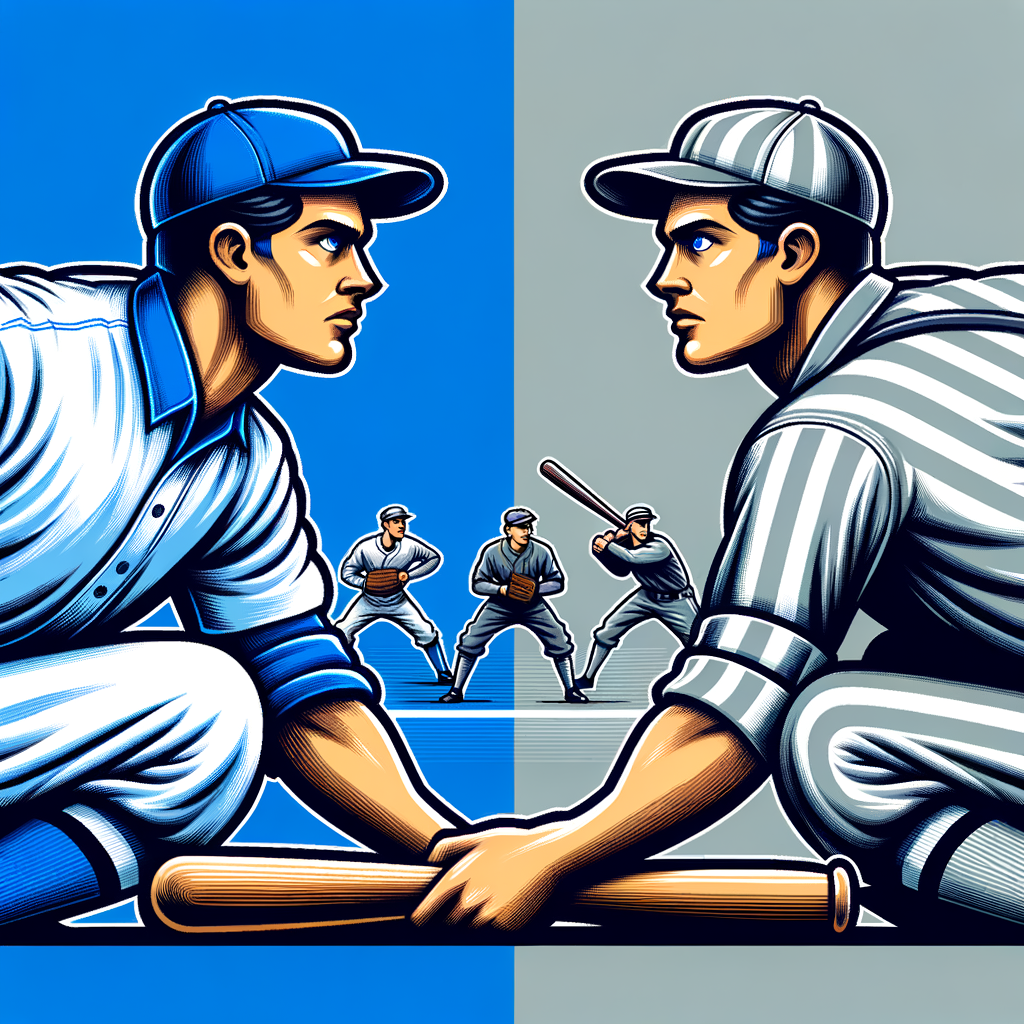
The year 1978 heralded one of the most thrilling and iconic showdowns in baseball history: the rekindling of the fierce rivalry between the Los Angeles Dodgers and the New York Yankees. These two storied franchises, both steeped in tradition and success, collided on the grandest stage, the World Series, to settle old scores and write a new chapter in their legendary saga. Both teams had faced off against each other in previous World Series matchups, creating an aura of anticipation that captivated the baseball world. Fueled by competitive spirit and historical enmity, the 1978 series was more than just a contest of athletic prowess; it encapsulated a deep-seated rivalry that transcended the sport itself. In this article, we will dive into the historical context of the rivalry, explore the dynamics of the 1978 face-off, analyze the significant moments that defined the series, and assess the lasting impact this legendary derby had on baseball history. As we unpack the layers of drama, skill, and emotion that underpinned this baseball classic, we will witness how the animosity and respect between these two teams created a spectacle that still echoes in the annals of baseball lore.
Historical Context of the Dodgers-Yankees Rivalry
To fully appreciate the significance of the 1978 clash, it’s essential to take a step back and understand the historical backdrop of this rivalry. The Dodgers-Yankees rivalry dates back to the early 20th century when the Brooklyn Dodgers frequently clashed with the mighty Yankees in the World Series. This early rivalry was characterized by a series of heartbreaking losses for the Dodgers, leading to the now-famous “Wait ’til next year!” mantra voiced by Brooklyn fans. The Yankees, with their robust lineup and pinstriped legacy, often got the better of the Dodgers, dominating the matchup for years. However, everything changed in 1955 when the Brooklyn Dodgers finally triumphed over the Yankees in the World Series, capturing their first-ever championship and marking a turning point in this rivalry.
The move of the Dodgers to Los Angeles in 1958 shifted the dynamics, introducing a coastal contrast that further intensified the rivalry. The teams’ meetings in the 1963 and 1977 World Series highlighted the ongoing competitive tension. In 1963, the Dodgers handily swept the Yankees, ushering in a new era for the franchise on the West Coast. The year 1977 saw another chapter in their storied rivalry, with the Yankees defeating the Dodgers in six games despite the star power of players like Steve Garvey and Reggie Smith on the Dodgers’ side. This set the stage for an eagerly awaited rematch in 1978, as baseball enthusiasts from coast to coast prepared for another nail-biting showdown.
The Dynamics Leading to 1978
During the regular season of 1978, both the Yankees and the Dodgers demonstrated exceptional skill, setting the stage for their eventual face-off. The Yankees, managed by Billy Martin for a portion of the season and later by Bob Lemon, had a season marked by internal drama, injuries, and a fierce rivalry with the Boston Red Sox, leading to a dramatic one-game playoff to clinch the American League East title. On the other hand, the Dodgers, under the leadership of Tommy Lasorda, played with remarkable consistency and determination, clinching the National League West title with a roster that blended seasoned veterans and young talent.
The Yankees were powered by their formidable lineup, including the likes of Reggie Jackson, Thurman Munson, and Lou Piniella, along with a strong pitching rotation headed by Ron Guidry who posted an impressive 25-3 record. The Dodgers countered with their own impressive array of stars, including Steve Garvey, Ron Cey, and Davey Lopes, with a pitching staff highlighted by the talents of Tommy John and Don Sutton. The convergence of these two powerhouse teams in the World Series generated unparalleled excitement among fans and heightened anticipation of what was to come in yet another chapter of their epic rivalry.
The 1978 World Series: Dodgers vs. Yankees
The 1978 World Series began with a burst of energy from the Dodgers as they took the first two games at Dodger Stadium, capitalizing on home-field advantage to put the Yankees on the back foot. Steve Garvey and Ron Cey contributed crucial hits, while the Dodgers’ pitchers managed to outmatch the Yankees, giving the Los Angeles team an early edge. However, the Yankees, resilient and battle-tested, responded by sweeping the next four games at Yankee Stadium to capture their 22nd World Series title.
One of the most talked-about games was Game 3, which saw the Yankees regain momentum. Graig Nettles delivered a defensive masterclass, making several key plays at third base to thwart the Dodgers’ attempts to hit with runners in scoring position. This defensive prowess was pivotal, ensuring a Yankees victory and shifting the series momentum. Reggie Jackson, ever the postseason hero, again played a crucial role, delivering key hits and igniting the Yankees’ lineup at critical moments. The series-clinching Game 6, known for its intensity and the electric atmosphere, was capped by a powerful display from the Yankees, led by a home run from Jackson, who continued to earn his nickname “Mr. October.”
Key Moments and Players
The 1978 World Series was defined by several key moments and standout performances. Reggie Jackson further cemented his legacy as a clutch performer with his timely hits and crucial home runs that elevated the Yankees’ offense. Ron Guidry’s pitching prowess was another defining factor, as his legendary performance in Game 3 showcased his season-long dominance. Verbal exchanges, intense plays, and emotional highs and lows were woven into the fabric of the series, providing fans with unforgettable baseball theater.
For the Dodgers, despite falling short, there were notable efforts, including those from Glenn Burke and Dusty Baker, who both displayed grit and competitiveness. Steve Garvey, known for his consistent hitting and leadership, remained a prominent figure throughout the series, delivering when his team needed him most. Despite the series loss, these individual performances underlined the quality and tenacity of the Dodgers roster, which never wavered in its resolve.
The managers, too, played a pivotal role in the drama. Tommy Lasorda’s energetic and passionate style contrasted sharply with Bob Lemon’s calm and measured approach, adding another layer of intrigue to the series. Lasorda’s motivational tactics and fiery personality provided significant momentum shifts for the Dodgers, while Lemon’s strategic mindset and experience held the Yankees steady during critical junctures of the series.
Lasting Impact on Baseball
The 1978 World Series left an indelible mark on baseball history, reinforcing the Dodgers-Yankees rivalry as one of the most compelling narratives in sports. The dramatic swings in fortune throughout the series highlighted the unpredictable nature of baseball and illustrated how competitive balance can sway in any team’s favor. This World Series not only solidified the Yankees’ dominance during this era but also reaffirmed the Dodgers’ position as perennial contenders, maintaining their status as one of the National League’s elite teams.
The rematch renewed public interest in professional baseball during a period when the sport was facing challenges, such as free agency tensions and changing fan demographics. It also fostered greater media attention and innovative broadcasting techniques that brought the excitement of the games into the living rooms of fans across America, laying the groundwork for future high-profile broadcasting of major sports events.
Conclusion
In conclusion, the rekindling of the Dodgers-Yankees rivalry in the 1978 World Series is a testimony to the enduring allure of baseball and the storytelling power of sports. This epic encounter was more than just a confluence of talent; it was a battleground where pride, legacy, and determination clashed head-on. The Series was a mosaic of strategic brilliance, emotional intensity, and unforgettable performances that caught the imaginations of fans worldwide. While the Yankees ultimately emerged victorious, the Dodgers’ spirited challenge and the overall drama of the series showcased the beautiful unpredictability inherent in baseball.
The 1978 World Series left a legacy that has inspired future generations of players and fans alike, keeping the tradition of fierce competition alive. It reminded everyone that rivalries are the lifeblood of sports, fueling passions, and creating narratives that transcend time. As we look back on this storied rivalry and its rekindling in 1978, we are reminded that even in the face of adversity and looming defeat, there is always room for hope, resilience, and the possibility of a “next year.”
The Dodgers-Yankees rivalry is one of sports’ greatest sagas, and its renewed intensity in 1978 remains a testament to the drama, skill, and passion that defines baseball. It serves as a continual source of inspiration, reminding us of the timeless allure of the game and the magic that can unfold when giants collide on the world stage.
Frequently Asked Questions
1. What made the 1978 Dodgers-Yankees rivalry so iconic?
The 1978 Dodgers-Yankees rivalry stands out for several reasons. Firstly, both teams were at the pinnacle of success, rich in tradition and boasting a formidable lineup of legendary players. The Dodgers and Yankees had met before in World Series games, forming a background of competitive intensity that added heat to their encounters. By 1978, they had developed deep-rooted rivalries filled with past glories and grudges. The World Series that year was a showdown full of fiery plays, controversial calls, and unforgettable performances that perfectly encapsulated the spirit and drama of baseball. Teams came in with scores to settle, with each squad eager to outmatch and outshine the other, stoking the real essence of competitive sports. This wasn’t just another series; it was the meeting of two titans and all the personal vendettas, speculative stories, and high-octane matchups that followed made it utterly compelling. Whether it was Ron Guidry’s extraordinary pitching, Reggie Jackson’s pivotal home runs, or the sheer prowess of the Dodgers’ ace Fernando Valenzuela that captivated fans, the 1978 matchup truly replenished the fiery spirit of what baseball rivalries are all about.
2. Who were the standout players from the 1978 World Series?
The 1978 World Series was a stage where some of baseball’s greatest talents shone brightly. For the New York Yankees, notable figures included Reggie Jackson, famous for his clutch hitting, and Ron Guidry, whose pitching prowess was undeniable. Jackson, often dubbed “Mr. October” for his playoff heroics, lived up to his moniker, delivering crucial hits and home runs. Guidry was a dominant force on the mound, contributing with performances that left a lasting impression on fans and foes alike. On the other hand, the Los Angeles Dodgers boasted stars like Steve Garvey and rookie Ron Cey, both of whom were instrumental in leading the team’s charge. Garvey, known for his consistent batting and defensive skills, and Cey, with his timely hitting, provided significant strengths to the Dodgers’ side. These players weren’t just athletes; they were maestros on the field, orchestrating art in motion, thereby injecting heart and substance to the competition. Their legendary contributions during this series are frequently recalled with admiration and respect, drawing new fans to this classic moment in baseball history.
3. How did the 1978 World Series influence future Dodgers-Yankees matchups?
The 1978 World Series had a profound ripple effect on all future encounters between the Dodgers and Yankees. This series further intensified an already heated rivalry, adding layers of history and narrative that players and fans alike couldn’t ignore. Every time these two titans clashed after 1978, it wasn’t just a regular season game or another postseason face-off; it was another chance to relive moments from this legendary showdown. Strategists and players were constantly drawing from the rich tactical battles and pitched duels that arose during these 1978 contests. Conversations among fans of both teams about subsequent matches frequently refer back to performances, decisions, and key moments from that series. The encounter drastically heightened public interest, ensuring whenever the Yankees and Dodgers played, it was an event not to be missed. Coaches sifted through strategies from 1978 to glean insights or avoid past pitfalls. In essence, it laid a foundation upon which future baseball narratives between these teams are built, binding every future game with the echoes of 1978’s momentous matchups.
4. What were some of the most memorable moments from the 1978 series?
The 1978 World Series was replete with moments that fans still reminisce about with excitement and reverence. One unforgettable highlight was Reggie Jackson’s dramatic game-winning home run in Game 6. Jackson’s explosive power and remarkable timing not only secured a win for the Yankees but also earned him his enduring nickname, “Mr. October.” Another significant moment came from Ron Guidry’s dominance on the mound; his heroic pitching efforts established him as one of the all-time greats. For the Dodgers, the play of Steve Garvey was noteworthy; his consistent performance and veteran leadership were key components of their strong showing. Additionally, the series witnessed controversial umpiring decisions that fueled debates and discussions, amplifying the series’ dramatic flair. Even smaller, more nuanced moments, such as clutch field plays or pivotal at-bats, became part of the lore. Fans from both coasts and beyond were riveted not only by the game on the field but by the unfolding drama that each pitch presented. These events shaped the series into a saga replete with excitement, passion, and remarkable memories.
5. How do fans from each respective team view the 1978 World Series today?
Yankees fans look back at the 1978 series with a sense of triumph and pride. The victory reinforced their status as a baseball powerhouse, adding another chapter to their storied history and fueling the narrative of late 70s Yankees dominance. For many Yankee enthusiasts, the series is a testimony to resilience, teamwork, and the magical October performances that turned the stakes high. On the other hand, Dodgers fans view the series with mixed emotions; while it ended in disappointment, there is also a sense of admiration for the grit and talent displayed by their team. Many fans often point out that despite the loss, the Dodgers’ spirit and athletic excellence were apparent throughout the series. They see their team’s performance as a bedrock of future triumphs and continued rivalry with the Yankees. Overall, for both sides, the 1978 World Series continues to be a source of rich nostalgia, a yardstick for greatness, and a reminder of the incredible emotional highs and lows that baseball uniquely offers. It’s these shared emotions, passionate debates, and revered memories that keep the 1978 series alive, ensuring its legacy in the hearts and minds of fans for generations to come.