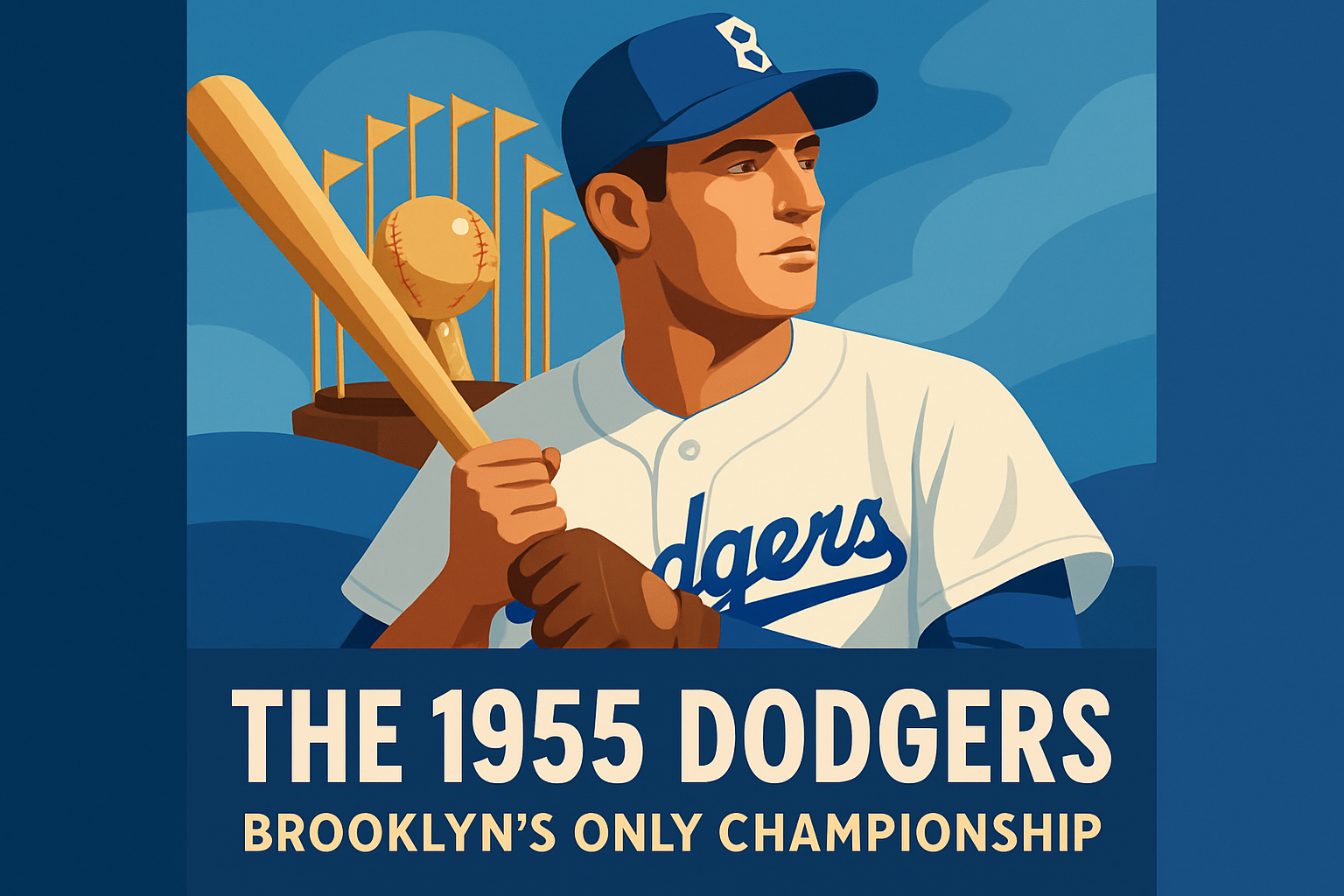
The Brooklyn Dodgers, a name synonymous with both triumph and tragedy in the annals of American baseball history, represent a unique chapter in the sport’s narrative. The year 1955 etched itself indelibly into the memories of Dodgers fans as the team secured their only World Series title while residing in Brooklyn. This achievement was not just an athletic milestone; it resonated deeply within the community and significantly impacted baseball’s broader landscape. This tale matters because it encapsulates the spirit of an era and the essence of a team whose legacy transcends mere statistics. Understanding the significance of the 1955 Brooklyn Dodgers helps appreciate not only the team’s tenacity but also its profound cultural implications. The championship was a symbol of perseverance, representing a turning point for the Dodgers, who had been characterized by near-victories time and again. As we delve deeper into this historic year, it’s important to recognize how it not only defined a city’s pride but also marked a key juncture in the evolution of Major League Baseball (MLB).
The Road to the World Series
The journey to winning the 1955 World Series was anything but easy for the Brooklyn Dodgers. In the preceding years, they had built a reputation for being perennial contenders for the title. However, they faced repeated heartbreaks, often falling short against their fierce rivals, the New York Yankees. The 1955 season began with high expectations as the Dodgers had a strong roster, including notable players like Jackie Robinson, Duke Snider, and Pee Wee Reese.
During the regular season, the Dodgers displayed remarkable consistency, leading to a solid performance in the National League. Despite some mid-season challenges, they managed to finish with an impressive record of 98 wins and 55 losses. This achievement highlighted their athletic prowess and strategic acumen on the field. The team’s offense was explosive, led by Duke Snider’s powerful hitting. Meanwhile, their defense, bolstered by the likes of Gil Hodges and Roy Campanella, proved formidable enough to keep top opponents at bay.
Once the regular season concluded, the Dodgers’ focus shifted to the World Series. This pinnacle event in baseball pitted them against an old adversary: the New York Yankees. The Dodgers had faced the Yankees in the World Series four times before 1955, each time succumbing to defeat. This record set the stage for a highly charged series, with the potential to overturn a long-standing narrative of near-success into definitive victory.
The 1955 World Series Showdown
The 1955 World Series was an unforgettable seven-game battle between the Brooklyn Dodgers and the New York Yankees. A critical component of the series was their epic pitching duels. For the Dodgers, Johnny Podres emerged as a crucial figure. His performance in Game 7 was nothing short of legendary. On the opposing side, the Yankees’ Whitey Ford and Don Larsen offered formidable challenges, emphasizing the cutthroat nature of the competition.
The games themselves were filled with dramatic moments. The Dodgers lost the first two games, placing them in a precarious position. However, a home-field advantage helped turn the tide as they took two of the next three at Ebbets Field. Of particular note was Game 7, where Podres pitched a complete game shutout, leading the Dodgers to a 2-0 victory. This decider was played at Yankee Stadium, adding to the intensity and unpredictability of the series climax.
The triumph in 1955 was not merely a team victory; it was a symbol of hope and redemption for Brooklyn, a community intimately tied to its team. The victory parade that followed emphasized the collective joy and relief shared by fans and players alike. The Dodgers had finally broken the curse that had been plaguing them, lifting the spirits of their devoted followers.
Key Players and Moments
The triumph of the 1955 Brooklyn Dodgers was made possible by numerous key players who delivered pivotal performances throughout the series. Among them, Jackie Robinson’s contributions were vital. Though a veteran at this point, Robinson’s leadership on and off the field inspired his teammates. He made crucial plays and brought a distinctive energy to the team.
Duke Snider, often referred to as the “Duke of Flatbush,” played a significant role by hitting vital home runs that shifted momentum when it was most needed. His batting prowess was essential to the Dodgers’ offensive success. Similarly, Pee Wee Reese demonstrated impeccable skill and tactical sharpness in defense at shortstop, providing stability and rallying the infield players during intense game situations.
Below is a list of some key players and moments that stood out during the 1955 World Series:
- Johnny Podres: His Game 7 shutout became one for the ages.
- Duke Snider: Provided offensive firepower with key home runs.
- Jackie Robinson: Instrumental defensive plays and leadership on the field.
- Don Zimmer: Played valuable games, providing needed support both offensively and defensively.
- Game 3 (Duke Snider’s Two-Home Run Performance): This pivotal game exemplified Snider’s key contributions.
Cultural Impact and Legacy
The 1955 Brooklyn Dodgers’ victory was more than an athletic achievement; it was a cultural phenomenon. The win represented a significant moment for the borough of Brooklyn, a diverse and vibrant section of New York City with residents who shared an intense devotion to their team. For many, the Dodgers were not just a baseball team; they were a symbol of community pride and resilience.
Beyond Brooklyn’s boundaries, the Dodgers’ championship had broader implications for Major League Baseball. It signified a loosening of the Yankees’ strong grip on the title, as they had been dominating the post-season landscape throughout the 1940s and early 1950s. Additionally, the victory highlighted the increasing importance of integration in the sport. Jackie Robinson, as the first African American player in MLB, had broken the color barrier eight years prior, and the Dodgers’ success was a testament to the inclusive and diverse ethos fostered by the team management.
The move of the Dodgers to Los Angeles in 1958 marked the end of Brooklyn’s direct association with the team but not its spiritual one. The legacy of the 1955 victory continued to resonate, as fans cherished memories of the triumph long after the team’s departure. The championship remains a cherished chapter in the history of Brooklyn and a beacon of the possibilities inherent in perseverance and teamwork.
The Dodgers’ Strategic Excellence and Management
A behind-the-scenes look at the 1955 Dodgers’ management and strategic excellence reveals the critical elements that propelled the team to victory. Walter Alston, the managerial mastermind and Dodgers’ skipper, played an integral role in orchestrating this championship run. His ability to balance player development, tactical in-game decisions, and team morale were pivotal in their success.
Alston’s management style was largely about understanding the dynamics of his players and using this insight to make informed tactical choices. He emphasized versatility, allowing players like Jim Gilliam and Don Zimmer to play multiple positions, adding strategic depth to the team’s line-up. Moreover, Alston trusted his veterans but wasn’t afraid to incorporate young talent when necessary.
The Dodger’s front office, led by general manager Buzzie Bavasi, was also influential. They focused on maintaining a strong farm system that cultivated young talent, ensuring a pipeline of capable players that could step in when needed. This strategic planning paid off during the season, as injuries and form slumps affected some senior players, yet the team maintained its competitive edge.
The systematic and forward-thinking approach embraced by the Dodgers’ management in 1955 set a benchmark for future MLB teams, revealing the importance of combining managerial acumen with player talent and strategic depth.
Lessons From the 1955 Brooklyn Dodgers
The 1955 Brooklyn Dodgers’ World Series triumph offers timeless lessons that extend beyond the baseball diamond. Their victory underlines the importance of persistence in the face of repeated setbacks. Prior defeats against the Yankees couldn’t dampen their resolve but rather steeled them for future challenges. For modern teams and individuals, this narrative stands as a reminder that tenacity and resilience often precede success.
Inclusivity also emerges as a key lesson from the Dodgers’ victory. The incorporation of players from diverse backgrounds not only enriched the team’s fabric but elevated its performance. Jackie Robinson’s presence emphasized this theme, spotlighting the transformative impact that inclusion can have in competitive environments.
Another lesson is the significance of strategic management. The Dodgers’ leadership deftly combined player skills, tactical innovations, and effective team dynamics to achieve their objectives. The successful blend of these elements highlighted the value of foresight and strategic planning, illustrating key principles applicable across many organizational settings today.
Conclusion: The Lasting Legacy of the 1955 Dodgers
The 1955 Brooklyn Dodgers not only etched their names in the annals of baseball history but also in the hearts of many as a symbol of hope, perseverance, and communal achievement. Their World Series victory remains a timeless testament to overcoming adversity through dedication and collective effort. As sports enthusiasts and students of history delve into this riveting chapter, they are reminded of the enduring values that sports can impart. The triumph has left an indelible mark, highlighting how teamwork, strategic acumen, and inclusivity can converge to create moments of profound impact.
The story of the Brooklyn Dodgers continues to resonate today, serving as inspiration for fans and players alike. Whether it’s the thrilling on-field action or the significant cultural milestones achieved, the legacy of the 1955 Dodgers is one of transformation and triumph. For readers, the takeaway is clear: embracing these values can lead to “championships” in any arena of life. As you reflect on this historic win, consider how its lessons can apply to your endeavors and strive to imbue them with the same spirit of excellence.
We encourage you not only to appreciate the rich history of teams like the 1955 Dodgers but also to apply their legacy of tenacity and ingenuity in your pursuits. Explore the stories of past champions, learn from their successes and setbacks, and let these narratives fuel your journey toward achieving your own remarkable goals.
Frequently Asked Questions
1. What made the 1955 Brooklyn Dodgers championship win so significant?
The 1955 Brooklyn Dodgers championship win holds a special place in baseball history as it was not just another World Series victory; it was a monumental event symbolizing perseverance, hope, and redemption for a team and its fans. For years, the Dodgers had been marred by near-misses and heartbreaks, often coming close but never capturing the title. The culmination of decades of effort, struggle, and perseverance by both the players and their devoted fan base made this victory emotionally rewarding.
This championship was the first and only one secured by the Dodgers while they were based in Brooklyn, having narrowly lost World Series opportunities in multiple attempts during the 1940s and early 1950s. The victory was also a badge of honor for the borough of Brooklyn, which longed for a chance to shine on a national stage. For Brooklynites, this win was about proving their mettle and overcoming the “wait till next year” narrative that had haunted them for years. The triumph of 1955 resonated beyond the field, providing a sense of pride and achievement for the community and establishing a lasting legacy.
2. Who were the key players on the 1955 Brooklyn Dodgers team?
The 1955 Brooklyn Dodgers boasted an exceptional roster of talented athletes who each contributed to the team’s historic success. Jackie Robinson, one of baseball’s most iconic figures, played a crucial role with his versatile athletic abilities and staunch determination. Roy Campanella, the accomplished catcher known for his skillful handling of pitchers and powerful hitting, was a central figure in the Dodgers’ lineup.
Starting pitcher Don Newcombe was another pivotal player, known for his imposing presence on the mound and his remarkable pitching prowess. The team’s offensive firepower was largely driven by Duke Snider, an outfielder whose consistent batting helped propel the Dodgers through many tight situations. Pee Wee Reese, the shortstop and team captain, provided both leadership and skill with his excellent defensive play and timely hitting.
Perhaps the most memorable moment of the 1955 World Series came from Johnny Podres, a young, left-handed pitcher who delivered a stellar performance by clinching the decisive Game 7 victory against the New York Yankees. His poise under pressure and control on the mound earned him the World Series MVP award and solidified his place in baseball lore.
3. How did the 1955 Dodgers’ win impact the Brooklyn community?
The Brooklyn Dodgers’ 1955 championship was more than just a sporting achievement; it bonded the Brooklyn community through shared joy and celebration, bringing a sense of unity and pride. At that time, Brooklyn was more than just a New York City borough; it was a close-knit community where many locals identified deeply with the Dodgers. The team’s success was seen as a reflection of the spirit and resilience of its fans.
An overwhelming sense of euphoria swept across Brooklyn when the Dodgers finally overcame their long-standing rivals, the Yankees, in the World Series. The win was a vindication for fans who had endured years of heartbreak and hope, as they watched the team relentlessly chase after that elusive title. The borough erupted in celebrations, with fans flooding the streets to share in the collective triumph. It was a rare moment that transcended sports, serving as a source of positivity and upliftment for a community deserving of recognition and glory.
This victory also fueled the cultural identity of Brooklyn, strengthening the bonds among its residents through shared history and pride. It became a storied point of pride that parents and grandparents could pass down to their children, further cementing the Dodgers’ place in the fabric of Brooklyn’s legacy.
4. What were the broader impacts of the Dodgers’ 1955 championship on Major League Baseball?
The Dodgers’ 1955 championship win had a substantial impact on Major League Baseball (MLB) by serving as a monumental stepping stone in the sport’s evolution. First and foremost, it signified the breaking of a longstanding pattern, as the New York Yankees had largely dominated the World Series throughout the 1940s and early 1950s. The Dodgers’ win indicated a shift in competitive parity across the league, demonstrating that persistence could triumph over established dominance.
From a historical perspective, the victory also underscored the importance of integrating diverse talent within the baseball community. Jackie Robinson’s earlier addition to the team as the first African American player in MLB history was not just a bold statement for the 1940s; by 1955, it symbolized the broader acceptance and success of integrated teams. The Dodgers became a powerful example of how diversity could lead to success on the field, contributing to changing social dynamics in sports.
In addition, the Dodgers’ victory cultivated a more national fan base, expanding interest in teams outside of the traditional powerhouses. It remains an enduring narrative of overcoming adversity, inspiring countless aspiring athletes and teams to aspire to excellence against the odds. This legacy of hope and inspiration reverberated throughout the baseball world, encouraging new generations of players and fans to believe in the triumph of hard work, diversity, and perseverance.
5. Why did the Dodgers eventually leave Brooklyn despite their 1955 success?
Despite the monumental success of the 1955 championship, the Brooklyn Dodgers’ departure from the borough in 1957 remains a bittersweet chapter in sports history, driven by a variety of economic and logistical factors. The decision was heavily influenced by the pursuit of modern facilities and financial incentives that were no longer feasible in the aging Ebbets Field. Ownership saw potential in relocating to an area that could provide a state-of-the-art venue and attract a broader audience, enhancing revenue opportunities.
The Dodgers’ owner at the time, Walter O’Malley, recognized the limitations of Ebbets Field in accommodating a growing fan base and its financial constraints in terms of parking and amenities. He had initially hoped to build a newer stadium in Brooklyn but faced resistance and bureaucratic hurdles from local politicians, including Robert Moses, who preferred a different location in Queens, which O’Malley found unsuitable.
Ultimately, the allure of Los Angeles, with its promise of a grand new ballpark and a burgeoning population eager for a baseball team, proved too enticing for O’Malley to pass up. The Dodgers’ relocation to Los Angeles in 1958 ushered in a new era for the team and ignited the westward expansion of Major League Baseball, yet it left a profound sense of loss among Brooklyn fans. The team’s move remains a poignant reminder of the evolving landscape of professional sports, where financial considerations often supersede community ties.