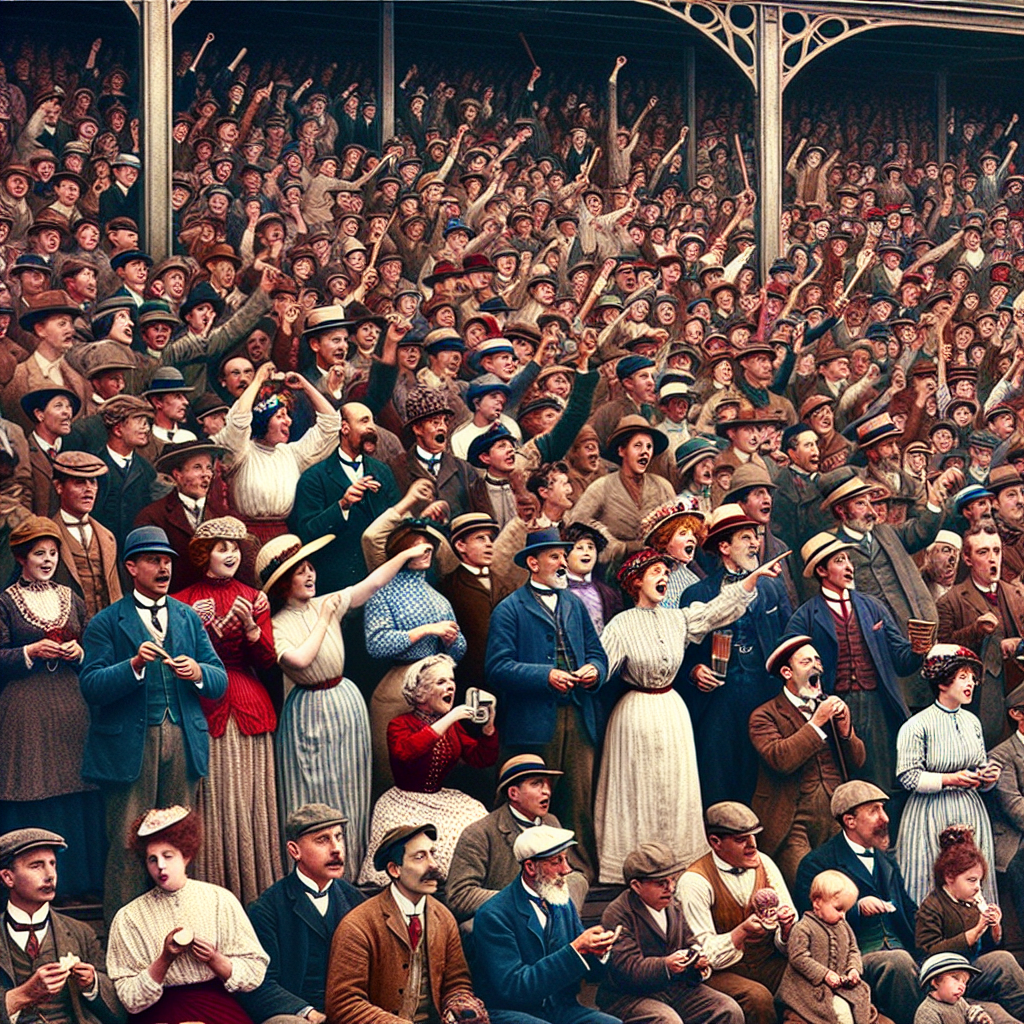
Baseball, often referred to as America’s pastime, has a rich history that extends back into the mid-19th century. However, it was during the early 20th century that baseball started to experience a societal transformation that would permanently embed the sport into American culture. This period, from roughly 1900 to the onset of World War II, witnessed a significant rise in baseball fan culture, which facilitated the growth of the sport from a popular pastime to a nation-defining phenomenon.
The transformation did not occur in isolation. It was the result of various sociopolitical and technological factors. The early years of the 20th century saw a number of changes, from the urbanization of America and the expansion of the middle class to advancements in communication and transportation. These elements played pivotal roles in developing a passionate and widespread baseball fan base. This article delves into the origins and rise of the baseball fan culture during the early 20th century, exploring how various elements contributed to the growth and popularization of the sport.
The Birth of Organized Leagues
One of the fundamental components in the rise of baseball fan culture was the establishment of organized leagues. Before the turn of the century, baseball was played mostly in a disorganized manner with local teams and sporadic games. However, the formation of the National League in 1876 and the American League of Professional Baseball Clubs in 1901 laid the foundational structure for a more organized, professional approach to the sport.
The creation of a formal league system helped standardize rules, schedules, and team rosters, making it easier for fans to follow and invest in the sport. Teams began to develop distinct identities and rivalries, which sparked regional and community interests. For example, the fierce rivalry between the Boston Red Sox and New York Yankees, which continues to this day, had its roots in this era. The formalization of leagues and the consistency provided by scheduled games allowed baseball to become a regular part of American life, giving fans something to follow and support year-round.
The Role of the Media
Media had an indelible influence on the rise of baseball fan culture in the early 20th century. Newspapers, in particular, played a crucial role in shaping public interest and providing widespread coverage of baseball games. Sportswriters like Henry Chadwick, often called the “Father of Baseball,” were instrumental in not only documenting but also popularizing the sport.
With the advent of radio broadcasting in the 1920s, baseball reached even greater heights. Radio allowed fans who were unable to attend games to follow their favorite teams from the comfort of their homes. This new mode of communication transformed the sport into a shared experience that transcended geographical limitations. Legendary broadcasters like Red Barber and Mel Allen became household names, their voices synonymous with the thrill of the game. Their colorful play-by-play descriptions brought games to life for listeners, further fueling the fan culture.
Iconic Players and Heroes
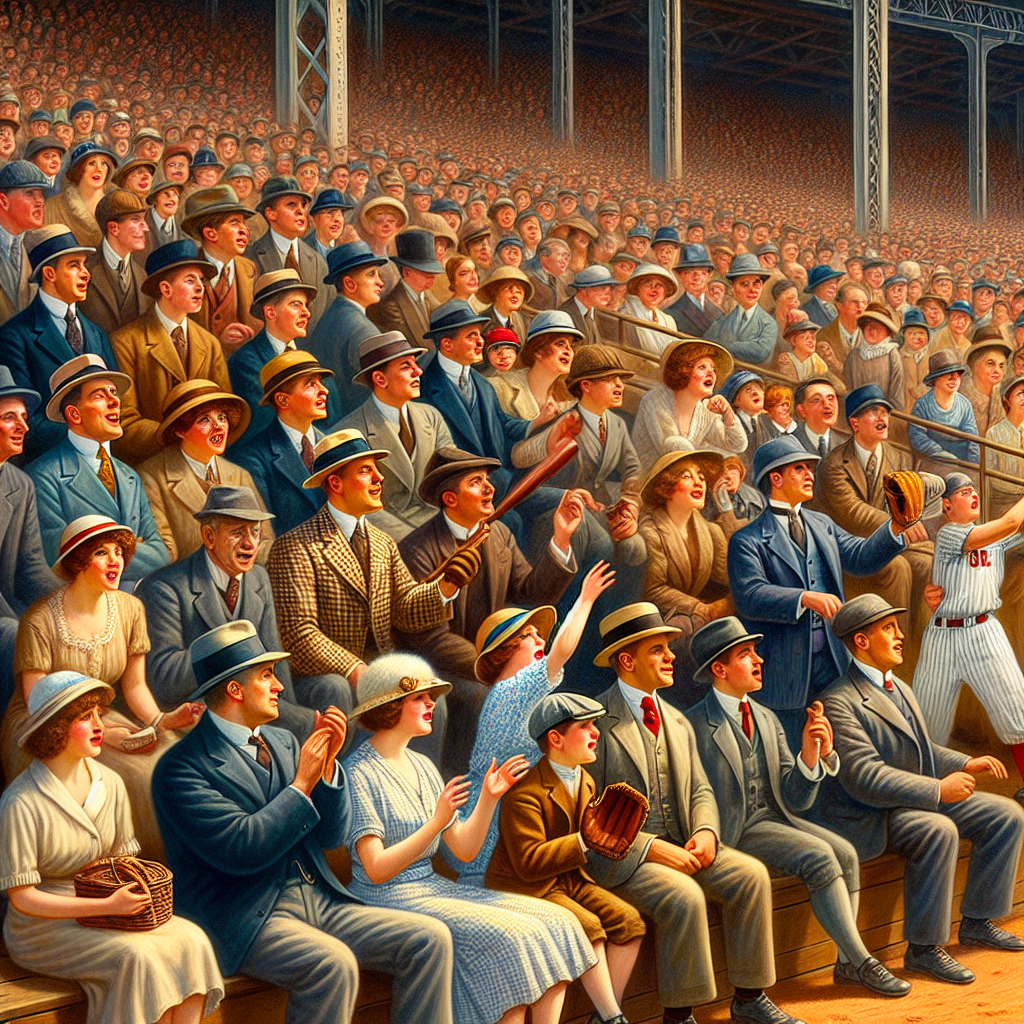
As baseball games became more accessible, players themselves started to become national icons. This era produced some of the sport’s most legendary figures, whose larger-than-life personas captivated the public. Babe Ruth, known as “The Sultan of Swat,” exemplifies this phenomenon. His unparalleled talent and charismatic personality drew fans to the ballparks and glued listeners to their radios.
Ruth wasn’t the only hero; Lou Gehrig, Ty Cobb, and Walter Johnson also left indelible marks on the sport. Their exploits on the field were extensively covered by the media, making them heroes in the eyes of countless fans. These players embodied the American spirit of perseverance and excellence, serving as role models not just for aspiring athletes but for the nation as a whole. Their fame and allure significantly boosted the sport’s popularity, making baseball not just a game but a source of inspiration and pride.
Stadiums and The Fan Experience
The construction of grand, iconic stadiums played a pivotal role in shaping the fan experience. Fenway Park in Boston, Wrigley Field in Chicago, and Yankee Stadium in New York are just a few examples of architectural marvels that became cathedrals of baseball. These stadiums were more than just venues; they were social spaces where fans gathered to share their love for the sport.
The introduction of nighttime games, thanks to the installation of floodlights, made baseball more accessible to working-class fans who couldn’t attend daytime games. This inclusivity helped broaden the fan base, inviting more people to join the growing community of baseball enthusiasts. Promotions, giveaways, and special events further enhanced the stadium experience, making a trip to the ballpark an exciting and memorable outing for families and friends.
Minor Leagues and Grassroots Support
While major league baseball captured most of the national attention, the minor leagues played a crucial role in fostering a local and grassroots fan base. These leagues provided opportunities for smaller cities and towns to be a part of the baseball tapestry. Fans could witness the development of young talent and enjoy the game at a more accessible level.
Minor league teams often became community staples, and the affiliations forged between minor league teams and their major league counterparts helped integrate the sport into America’s cultural fabric. These teams were not just stepping stones for aspiring major leaguers; they were wellsprings of local pride and community spirit. The familial and intimate atmosphere of minor league games offered a different, yet deeply enriching, baseball experience that further expanded the sport’s appeal.
Conclusion
By the time World War II interrupted life in America, baseball had evolved from a relatively disorganized pastime to a well-structured, nationally celebrated sport. The early 20th century laid the groundwork for this transformation, with the rise of organized leagues, the influential role of the media, and the emergence of iconic players. The construction of grand stadiums and the support from minor leagues also contributed significantly to making baseball a beloved cultural institution.
These developments didn’t just happen in a vacuum. They were driven by a reciprocal relationship between the sport and its fans. As the structure of the sport became more organized and the media amplified its reach, the growing fan base provided the necessary support that fueled further advancements. This period marked the beginning of baseball as a truly national pastime, a game that united people across different regions, classes, and backgrounds.
Today, much of the rich history and tradition that directs the modern baseball fan experience finds its origins in this transformative era. Understanding this history allows us to appreciate how far the sport has come and underscores the enduring legacy of baseball in American culture.
Frequently Asked Questions
1. How did baseball fan culture begin to rise in the early 20th century?
The rise of baseball fan culture in the early 20th century was fueled by several factors that intertwined to embed the game into the daily lives of Americans. During this time, industrial growth and urbanization created a societal shift where more people had leisure time and disposable income, allowing them to attend games more frequently. Furthermore, advances in transportation, such as streetcars and trains, made it much easier for fans to travel to ballparks, both in local settings and for professional league games.
The 1900s also saw the rise of mass media, with newspapers and magazines dedicating significant column space to baseball, providing detailed game reports and player profiles that drew fans’ interest from afar. These publications played a vital role in popularizing players like Babe Ruth and Ty Cobb, turning them into national icons. As radio broadcasting emerged in the 1920s, it further fueled fan culture, allowing people across the nation to listen to games live, creating a shared experience nationally. This growing visibility and accessibility of both the games and the players meant that baseball wasn’t just a local pastime anymore; it was a significant part of American cultural identity.
2. What role did stadiums play in shaping baseball fan culture during this era?
Stadiums played a central role in shaping baseball fan culture during the early 20th century. Built to accommodate the growing interest in baseball, many of the iconic “jewel box” ballparks like Fenway Park, Wrigley Field, and the original Yankee Stadium became shrines for the teams’ followers. These ballparks provided not only a place for fans to gather and watch games but also became symbols of civic pride. Communities and cities took great pride in their teams and their ballparks, which were often among the largest structures in their areas at the time.
Additionally, the architecture and atmosphere of these stadiums fostered a unique and personal fan experience. The close seating and relatively limited capacity compared to modern stadiums allowed for intimate viewing experiences, where fans felt deeply connected to the events transpiring on the field. These historic ballparks were designed to offer fans a clear view of the action, creating an immersive environment where cheers and jeers resonated throughout, amplifying the excitement. The tradition of attending games became an essential community and family activity, strengthening the generational bond to the game itself.
3. How did World War I and II affect baseball fan culture in America?
World War I and II both played significant roles in the evolution of baseball fan culture in America. During World War I, baseball emerged as a crucial morale booster. The game provided a sense of normalcy and distraction amidst the chaos of war. Although the players’ drafts led to a reduction in the talent pool, making some clubs rely on semiprofessional players, baseball remained a constant in American life, with the “Work or Fight” rule sparing the game from losing all its talent. After the war, there was a renewed enthusiasm for baseball, as the sport was associated with American patriotism and resilience.
With the onset of World War II, baseball took on a similar role. During this time, many players enlisted, and yet the sport persisted. President Franklin D. Roosevelt famously supported continuing baseball, as he believed maintaining the game would keep the spirits of Americans high, thus issuing the “Green Light Letter.” The war years saw women’s baseball gain prominence with the establishment of the All-American Girls Professional Baseball League, further embedding baseball into the fabric of American society. Additionally, radio broadcasts of games became crucial, as they provided a much-needed distraction when resources were conserved and travel was limited.
4. Who were some key figures during this period that influenced baseball fan culture?
Several iconic players and personalities were instrumental in shaping the baseball fan culture during the early 20th century. One of the most influential was Babe Ruth, whose charisma and unparalleled talent on the field transformed baseball into a high-scoring spectacle that captivated audiences. Ruth’s legendary home runs and larger-than-life persona made him a household name, drawing fans to games in droves and inspiring an entire generation of baseball enthusiasts. His style of play elevated the game from a pastoral pastime to a dynamic and thrilling sport.
Other notable figures include Ty Cobb, known for his fierce competitive nature and mastery of the game, and Lou Gehrig, whose durability and heartbreaking “Luckiest Man” speech touched fans deeply. Managers like Connie Mack and iconic owners like Branch Rickey and Jacob Ruppert also had lasting impacts on the game. They helped orchestrate not only successful teams but also cultivated robust fan bases through innovative techniques and marketing strategies. These personalities left an indelible mark on the culture of baseball by not only seeking victory but also engaging fans’ minds and hearts.
5. What role did media play in the growth of baseball fan culture during the early 20th century?
The media’s impact on baseball during the early 20th century was profound and multifaceted. Newspapers dedicated extensive coverage to baseball, offering readers in-depth analysis, statistics, and compelling narratives around games, seasons, and players. This coverage effectively transformed players into celebrities and games into must-see events, thereby heightening public interest and enthusiasm.
With the advent of radio broadcasts in the 1920s and 30s, baseball took an even firmer hold on national attention, as fans could follow games in real-time, from home or at local businesses. The auditory experience of listening to a game provided an emotional connection, immersing listeners into the heart of baseball action regardless of distance. Radio personalities like Red Barber and Mel Allen became as revered and recognized as the players themselves, providing colorful commentary that enhanced listening experiences and further solidified baseball’s grip on American culture. Thus, the proliferation of media outlets not only expanded baseball’s audience but entrenched its presence in daily American life.