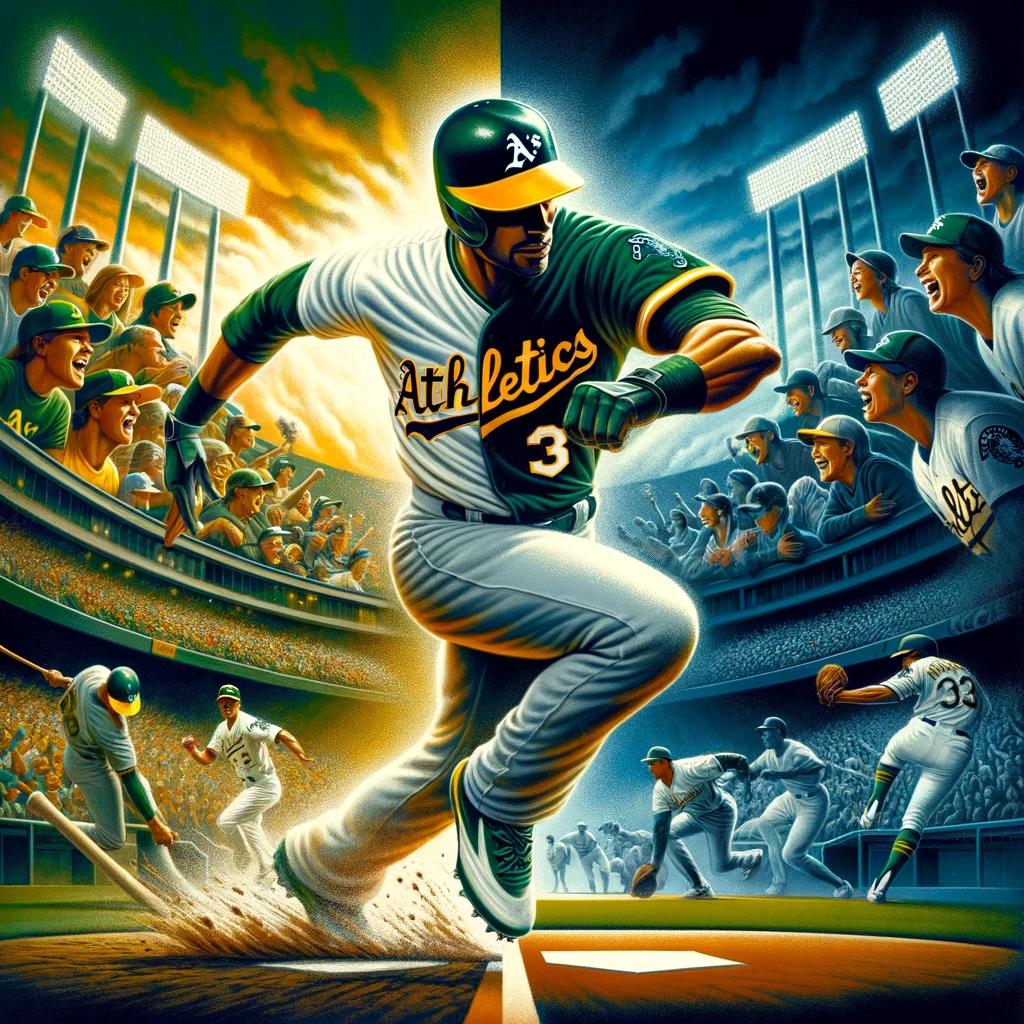
In the world of Major League Baseball (MLB), few teams have a history as rich and tumultuous as the Oakland Athletics. Since their inception, the Athletics have been a franchise synonymous with both incredible success and significant challenges. From their beginnings in Philadelphia to their current home in Oakland, the Athletics have etched their name in the annals of baseball history, becoming a symbol of resilience and sporting excellence.
Early Years: The Philadelphia Athletics
The Athletics’ journey began in 1901 in Philadelphia, founded as one of the American League’s eight charter franchises. Under the leadership of Connie Mack, the longest-serving manager in MLB history, the team quickly rose to prominence. The Philadelphia Athletics won their first World Series championship in 1910, followed by additional titles in 1911 and 1913, marking them as a powerhouse in the early 20th century.
A Dynasty of Talent
The early Athletics were known for their formidable talent, including players like Chief Bender, Eddie Plank, and Home Run Baker. These stars were pivotal in establishing the team’s early success. However, financial struggles led to the dismantling of the team, and the Athletics experienced a decline in the subsequent years.
Relocation and Rebirth: The Kansas City Athletics
In 1955, the team relocated to Kansas City. This era was marked by mediocre performance, failing to make a significant impact in the standings. However, it was during this period that the seeds of future success were planted, with the team focusing on developing young talent.
The Oakland Era: A New Chapter
The Athletics’ move to Oakland in 1968 marked the beginning of a new era. This period saw the team transform into a dominant force in MLB. The early years in Oakland were defined by a series of World Series triumphs in the 1970s, with the team winning three consecutive championships from 1972 to 1974.
The Dynasty of the 70s
Managed by Dick Williams and later by Alvin Dark, the Oakland Athletics of the 70s were a blend of talent, personality, and innovation. Players like Reggie Jackson, Catfish Hunter, and Rollie Fingers became household names. The team’s success was also credited to owner Charlie Finley’s unconventional tactics, including the use of colorful uniforms and the designated hitter role.
Turbulent Times: Challenges and Changes
Despite their success, the Athletics faced numerous challenges, including financial constraints and internal conflicts. These issues often led to the departure of key players and fluctuations in their performance. The 1980s were particularly challenging, with the team struggling to recapture its former glory.
The Bash Brothers Era
In the late 1980s, the Athletics once again rose to prominence, led by the famed “Bash Brothers,” Mark McGwire and Jose Canseco. This era was highlighted by a World Series victory in 1989. The team’s powerful offense, combined with strong pitching from Dave Stewart and Dennis Eckersley, made them a formidable opponent.
A Legacy Tarnished
However, this era was not without controversy. The use of performance-enhancing drugs by some players cast a shadow over the team’s achievements, leading to a complex legacy that mixed admiration with skepticism.
The 2000s: A New Approach
Entering the new millennium, the Athletics embraced a different approach to team building, famously captured in the book and film “Moneyball.” Under the guidance of General Manager Billy Beane, the team focused on sabermetrics, an analytical approach to evaluating players. This strategy allowed the Athletics to remain competitive despite their limited budget.
Innovators in the Game
The Moneyball era saw the Athletics consistently reaching the playoffs, defying conventional wisdom about the necessity of big spending to achieve success. Players like Miguel Tejada, Barry Zito, and Tim Hudson were key figures during this period.
Recent Years and the Future
In recent years, the Athletics have continued to navigate the challenges of a competitive league and financial constraints. The team’s ability to identify and develop young talent has kept them relevant, but the quest for another World Series title remains elusive.
A Community’s Team
Throughout their history, the Athletics have formed a deep bond with the Oakland community. Their impact extends beyond the diamond, involving community outreach and charity work. This connection has made the Athletics a beloved part of Oakland’s cultural and social fabric.

The Oakland Coliseum: A Historic Home
Since 1968, the Oakland Coliseum has been the home of the Athletics, playing a significant role in the team’s identity. While not the most modern stadium in MLB, the Coliseum has a charm and history that resonates with fans. It has witnessed some of the most memorable moments in the franchise’s history and remains one of the last multi-purpose stadiums in the United States.
Challenges and Future Plans
The future of the Oakland Coliseum has been a topic of much debate. The team has explored options for a new stadium to provide a more modern experience for fans and players alike. These discussions are a crucial part of the Athletics’ future, reflecting the need for evolution while honoring their rich history.
Iconic Moments and Players
The Athletics’ legacy is also defined by iconic moments and legendary players. From Catfish Hunter’s perfect game in 1968 to the dramatic walk-off home run by Ramón Laureano in 2019, these moments have become a part of baseball lore. Players such as Rickey Henderson, the all-time stolen base leader, and Dennis Eckersley, one of the game’s greatest closers, have donned the Athletics uniform, each leaving an indelible mark on the franchise.
A Franchise of Firsts
The Athletics have been a team of innovation and firsts. They were one of the first teams to adopt player numbers on uniforms and to utilize film analysis to improve player performance. These pioneering efforts have shown the Athletics’ willingness to embrace new ideas and technologies to gain a competitive edge.
Community Involvement and Impact
Beyond the field, the Oakland Athletics have played a significant role in community development and involvement. Their community programs focus on education, health, and wellness, particularly for underserved youth. The team’s commitment to social responsibility and positive impact is a vital aspect of their identity.
A Cultural Phenomenon
The Athletics’ influence extends beyond baseball. They have inspired various cultural works, most notably the film “Moneyball,” which brought the team’s innovative approach to a broader audience. The team’s history and unique character have made them a beloved subject in American sports culture.
Looking Ahead: The Athletics’ Future
As the Athletics move forward, they face both opportunities and challenges. The team’s ability to innovate and adapt will be crucial in their pursuit of success. With a focus on developing talent and a potential new stadium on the horizon, the Athletics are poised to write the next chapter in their storied history.
A Legacy of Resilience
The Oakland Athletics’ story is one of resilience. Despite the ups and downs, the team has consistently found ways to overcome obstacles and remain competitive. This resilience is a testament to the organization’s leadership, players, and dedicated fanbase.
Conclusion
The Oakland Athletics’ legacy is a rich tapestry of triumphs, challenges, and innovations. Their story is not just about baseball; it’s about the human spirit’s resilience, the power of community, and the love of the game. As they continue their journey, the Athletics remain a symbol of hope and perseverance, a team that has truly experienced a rollercoaster legacy.