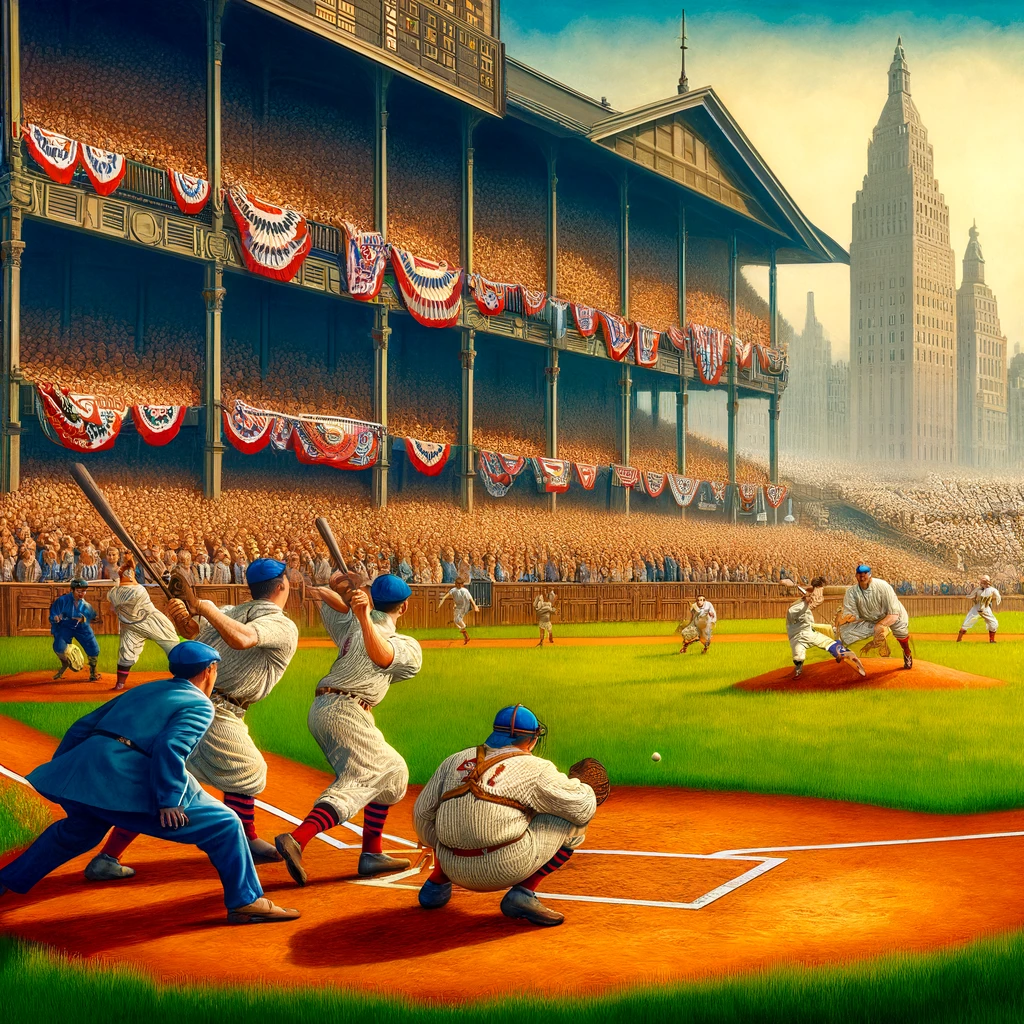
Baseball, America’s pastime, has been characterized not only by the sport itself but by the stories of teams and players who have become legends. Among these, the New York Giants stand out as a pinnacle of early baseball excellence, with a history rich in achievement, innovation, and a profound impact on the game. This article delves into the storied past of the Giants, from their inception to their transformation into one of the most iconic teams in baseball history.
The Beginnings: Setting the Stage
The New York Giants’ story began in the late 19th century, when baseball was still consolidating its place as America’s favorite pastime. Established in 1883, the Giants quickly became a cornerstone of professional baseball in New York City. They were originally known as the Gothams, but by 1885, the nickname “Giants” had taken hold, a nod to the “giant” reputation they were beginning to cultivate due to their formidable play.
Rise to Prominence: Early Successes
By the turn of the century, the Giants had already made a significant mark on the league. Under the management of John McGraw, who took over in 1902, the team saw a dramatic transformation. McGraw’s leadership style was strict and innovative, focusing on discipline and strategic play, which became a hallmark of the Giants under his tenure.
The early 1900s were marked by fierce rivalries, particularly with the Brooklyn Dodgers and the New York Yankees. These rivalries not only intensified the competitive spirit of the game but also helped to increase the popularity of baseball in urban areas, drawing massive crowds and generating significant local and national interest.
The Golden Era: World Series Triumphs
The Giants’ golden era came in the 1920s and 1930s when they clinched multiple National League pennants and World Series titles. Their 1921 World Series victory was particularly notable as it was the first to be played entirely in one stadium, the Polo Grounds, the Giants’ home field. This series also marked the beginning of a three-year consecutive World Series matchup against the Yankees, spotlighting the intense baseball rivalry within New York City.
Throughout these years, the Giants were known for their strategic gameplay, exemplified by the infamous “inside baseball” tactic. This strategy focused on speed and precision, utilizing stolen bases, bunts, and the hit-and-run approach, rather than relying solely on power hitting.
Legendary Figures: The Men Who Made the Giants
The Giants’ history is adorned with names that have become legendary. Christy Mathewson, one of the original five inductees into the Baseball Hall of Fame, pitched for the Giants in the early 20th century. His exceptional skills and sportsmanship set the standards for future generations of pitchers. Another significant figure was Willie Mays, known for his all-around abilities and iconic over-the-shoulder catch in the 1954 World Series. His charm and skill endeared him to fans and helped to solidify the Giants’ place in the pantheon of baseball greatness.
Moving West: A New Chapter
The landscape of baseball changed dramatically in 1957 when the Giants moved to San Francisco. This move was part of a larger trend of baseball expansion across the United States, reflecting the growing national interest in the game. The relocation was met with mixed emotions, as New York lost one of its beloved teams, but it also marked the beginning of a new chapter for the Giants, who would continue their legacy of excellence on the West Coast.
Legacy and Influence: The Giants’ Enduring Impact
The influence of the New York Giants on baseball is immeasurable. They were instrumental in popularizing the game in the early 20th century, contributing significantly to baseball’s development as a major professional sport. The team’s emphasis on strategy and fundamentals has influenced countless players and coaches, echoing through the generations.
The New York Giants were more than just a baseball team; they were a force that helped shape the sport during its most formative years. Their legacy of excellence, innovation, and competitive spirit remains a benchmark for teams today. As we celebrate their contributions, we also recognize the indelible mark they have left on America’s pastime, securing their place in the annals of baseball history.

Resilience and Renaissance: Modern Successes
Despite their geographical shift from New York to San Francisco, the Giants have maintained their prominence and influence in the sport. Their ability to adapt and thrive in a new environment speaks volumes about the resilience and strategic foresight of the franchise. In San Francisco, the Giants have continued to build on their historic legacy with significant achievements and have cultivated a passionate fan base that rivals their New York days.
Building a New Dynasty
The San Francisco Giants have had notable successes, including multiple World Series titles in the 2010s. These victories were characterized by a strong team dynamic and the emergence of new stars who carried the torch of Giants’ excellence forward. Their ability to consistently compete at a high level has been a testament to the organization’s solid foundation and commitment to excellence.
The Strategy Evolves
In modern baseball, the Giants have been known for their innovative approaches to the game, including embracing analytics and advanced scouting techniques. This evolution in strategy has allowed them to remain competitive in an era where baseball has become increasingly sophisticated and data-driven.
Cultural Impact
The Giants’ influence extends beyond the field. They have played a significant role in the cultural fabric of their cities, both New York and San Francisco. In New York, they helped to popularize baseball, transforming it from a casual pastime to a central element of American culture. In San Francisco, they have become an integral part of the city’s identity, contributing to community initiatives and maintaining a strong connection with their fans.
A Legacy That Endures
As we reflect on the enduring legacy of the Giants, it is clear that their impact on baseball is both profound and far-reaching. They have been a beacon of excellence, innovation, and resilience, continually adapting to the changing landscapes of the sport while maintaining their core values and competitive spirit.
The Giants’ story is not just about baseball; it is about overcoming challenges, embracing change, and striving for excellence. It is a narrative that inspires both baseball fans and non-fans alike and will continue to resonate for generations to come.
Conclusion
From their humble beginnings in New York to their current status as a storied franchise in San Francisco, the Giants have consistently demonstrated what it means to be a pinnacle of baseball excellence. Their story is filled with lessons of resilience, adaptation, and sustained success. As we look to the future, the Giants’ legacy offers a blueprint for success not only in sports but in any endeavor that requires grace under pressure and the courage to evolve. Their historical and ongoing impact on the fabric of baseball continues to be felt, and their story remains a compelling chapter in the history of America’s pastime.
References:
- Baseball Hall of Fame – Christy Mathewson Biography
- Major League Baseball – History of the New York Giants
- The Polo Grounds: Essays and Memories of New York City’s Historic Ballpark, 1880-1963
- Willie Mays: The Life, The Legend
- A Comprehensive History of Baseball
Frequently Asked Questions
1. Who were some of the most iconic players in the history of the New York Giants?
The New York Giants boasted a roster full of baseball greats who were instrumental in making the team an early powerhouse of the sport. Among these icons were Christy Mathewson, considered one of the greatest pitchers in baseball history. His strategic prowess and immaculate pitching contributed significantly to the Giants’ dominance during his tenure from 1900 to 1916. Another legendary figure was John McGraw, who not only played for the team but also went on to manage them to significant success. Under his management, the Giants won ten National League pennants and three World Series titles. Mel Ott, known for his prodigious power-hitting, became the first National League player to surpass 500 career home runs, leaving an indelible mark on the franchise. These players, among others, helped shape the early identity of the New York Giants and left legacies that still resonate in the baseball world today.
2. How did the New York Giants influence the early development of Major League Baseball?
The New York Giants played a crucial role in the expansion and popularity of baseball during its formative years. As one of the charter members of the National League in 1883, the Giants helped solidify the structure of professional baseball in America. Their competitive spirit and success attracted large crowds, facilitating the growth of baseball’s fan base. Through legendary games such as the infamous “Merkle’s Boner” incident in 1908 and numerous World Series appearances, the Giants provided storylines that captivated and inspired future generations. Furthermore, the team was known for its innovative strategies on the field, especially under the management of John McGraw, who introduced aggressive base-running tactics and a focus on defensive excellence. This innovation influenced the strategic landscape of the game and helped set the standards for professional baseball during the early 20th century.
3. What were some of the significant achievements of the New York Giants throughout their history?
The New York Giants were part of many significant accomplishments that etched their name in the annals of baseball history. From the early 1900s through the 1950s, they accumulated 5 World Series championships, with their first triumph coming in 1905 when they defeated the Philadelphia Athletics. Their ten National League pennant victories during this time further underscored their dominance in the league. Perhaps one of the most notable moments in the team’s history was their miraculous pennant win in 1951, known for Bobby Thomson’s “Shot Heard ‘Round the World” homer, which remains one of the most dramatic moments in sports history. The Giants’ sustained excellence, both in regular seasons and championships, played a pivotal role in positioning them as a flagship franchise in Major League Baseball.
4. How did the New York Giants contribute to the long-standing baseball rivalry with the Brooklyn Dodgers?
The Giants-Dodgers rivalry is one of baseball’s most storied and heated, tracing its roots back to the early 20th century. As two of New York City’s prominent teams, the Giants and Dodgers built a rivalry characterized by fierce competition, passionate fanbases, and memorable games. This rivalry reached fever pitch during the 1950s with key playoff matchups, including the 1951 National League Pennant where Bobby Thomson’s iconic home run capped a dramatic comeback against the Dodgers. The cities’ geographic proximity intensified the rivalry, as fans flocked to both the Polo Grounds and Ebbets Field to witness these high-stakes games. This rivalry left a permanent mark on baseball culture, influencing the sport’s competitive landscape significantly and continuing to fuel the passion of fans even after the teams relocated to the West Coast.
5. What led to the relocation of the New York Giants to San Francisco, and what impact did it have?
The relocation of the New York Giants to San Francisco in 1958 was a significant turning point in their history. Several factors contributed to this move, including financial challenges and the age of the Polo Grounds, which was rapidly becoming outdated compared to newer stadiums. Additionally, the Giants’ ownership sought fresh opportunities in a new market, paralleling the movement within MLB to extend its reach nationwide. This monumental change coincided with the Dodgers’ migration to Los Angeles, thus preserving their intense rivalry albeit on a new coast. The move brought baseball to the West Coast, helping to nationalize the sport by drawing in a new demographic of fans and creating additional growth opportunities for MLB. It also marked the end of an era in New York but opened a new chapter in the storied saga of the Giants franchise, establishing their legacy in San Francisco.