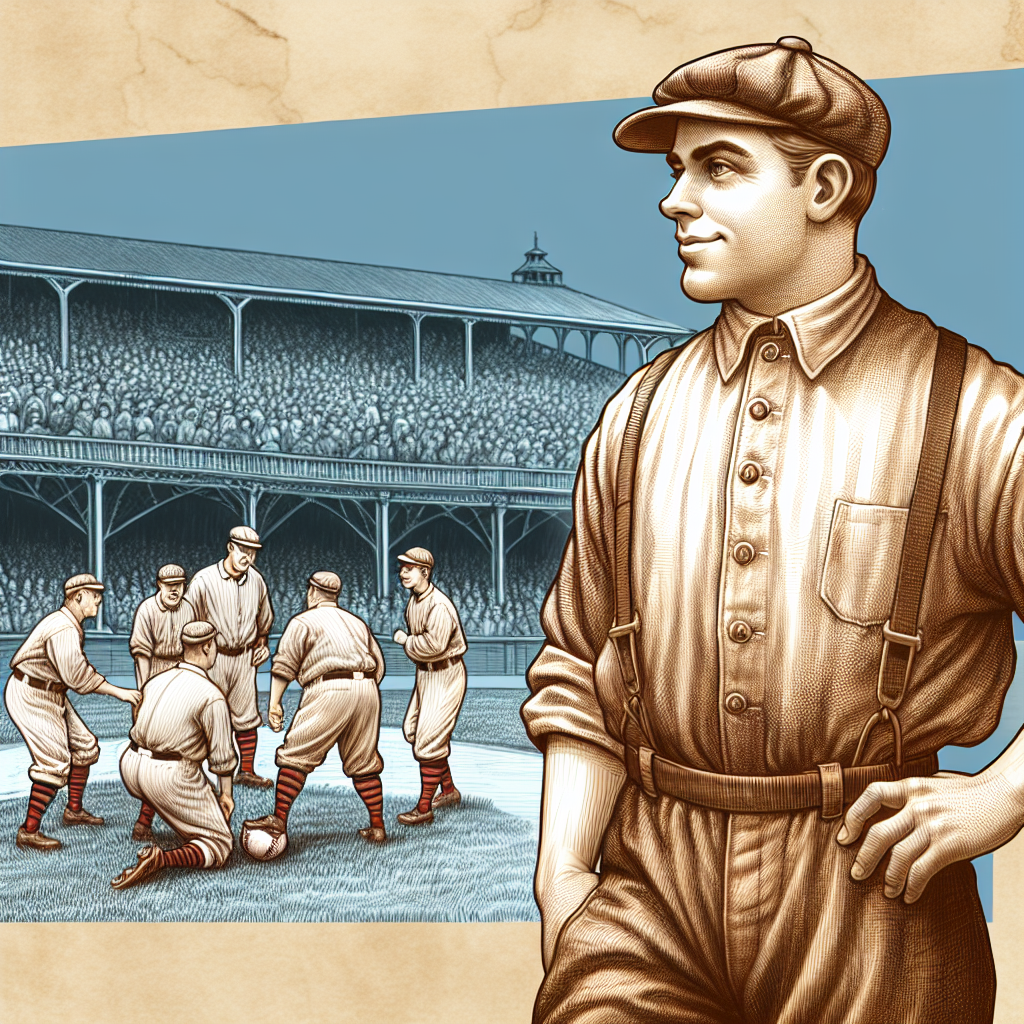
Mickey Cochrane, often called “Black Mike,” is one of the most iconic figures in the history of Major League Baseball. Born on April 6, 1903, in Bridgewater, Massachusetts, Gordon Stanley “Mickey” Cochrane went on to become a legendary catcher who not only excelled on the field but also epitomized leadership and resilience. His career, which spanned from 1925 to 1937, left an indelible mark on the sport, earning him a lasting place in the annals of baseball history.
Cochrane’s prowess as a player was evident from his early years. He made his MLB debut with the Philadelphia Athletics and quickly established himself as one of the best catchers in the league. His exceptional batting skills, combined with his defensive acumen, led to an impressive career batting average of .320, a figure few catchers have reached.
But Cochrane’s legacy goes beyond statistics. He was a true leader on and off the field, guiding his teams to several pennants and World Series titles. Known for his fiery disposition and unyielding determination, he earned the nickname “The Battling Bantam.” His tenacity was unmatched, inspiring his teammates and intimidating his opponents.
Mickey Cochrane’s career was not without its challenges. He faced numerous adversities, including a career-ending injury, but his spirit never wavered. Through triumphs and tribulations, he remained a symbol of leadership and excellence, leaving a lasting impact on the game of baseball. This article explores the life, career, and enduring legacy of Mickey Cochrane, the Battling Bantam.
Early Career and Rise to Stardom
Mickey Cochrane’s journey to stardom began at Bridgewater High School, where he was a standout athlete in multiple sports. His talents eventually led him to Boston University, where he continued to excel in baseball. It didn’t take long for professional scouts to take notice of his skills, and in 1924, he signed with the Portland Beavers of the Pacific Coast League.
His performance in the minor leagues was nothing short of spectacular. Cochrane’s hitting prowess and defensive skillset quickly caught the attention of the Philadelphia Athletics, who purchased his contract in 1925. He made his MLB debut on April 14, 1925, and it wasn’t long before he became an essential part of the team’s roster.
Cochrane’s impact was immediate. In only his second season, he batted an extraordinary .331 and helped lead the Athletics to a second-place finish in the American League. By 1928, his leadership qualities were evident, and his ability to handle pitchers was unrivaled. His knack for calling games and his defensive prowess earned him the first of his two MVP awards in 1928.
Throughout the late 1920s and early 1930s, Cochrane remained an integral part of the Athletics’ success. He was a key figure in the team’s three consecutive American League pennants from 1929 to 1931 and their World Series victories in 1929 and 1930. His role in guiding pitchers like Lefty Grove and George Earnshaw was crucial to the team’s dominance.
Cochrane was also known for his clutch hitting in crucial moments. In the 1929 World Series, he batted an impressive .333, further solidifying his reputation as a player who thrived under pressure. His leadership both on and off the field set the tone for the Athletics’ success during this golden era.
The Detroit Tigers Era
After a successful stint with the Philadelphia Athletics, Cochrane’s career took a new turn in 1934 when he was traded to the Detroit Tigers. The Tigers not only saw him as a top-tier player but also as a transformative leader who could guide a young and promising team to success.
Cochrane’s impact on the Tigers was immediate. He was named player-manager, a testament to his leadership capabilities and baseball acumen. In his first season with Detroit, he led the team to an American League pennant, the franchise’s first in 25 years. His presence behind the plate and his strategic mind were instrumental in guiding the Tigers through a competitive season.
The pinnacle of Cochrane’s career with the Tigers came in 1935. Under his leadership, the Tigers won the World Series, their first in franchise history. His ability to manage talent and adapt to the evolving dynamics of the game played a crucial role in the team’s success. Cochrane’s batting average of .319 during the regular season and his strategic handling of the team’s pitching staff were vital components of their championship run.
Cochrane’s tenure with the Tigers wasn’t without its challenges. The pressures of being a player-manager took a toll on him, both physically and mentally. Nevertheless, his resilience and determination shone through. He continued to be a key figure for the Tigers until a life-altering event brought his playing career to an abrupt end.
In 1937, a fastball from Yankees pitcher Bump Hadley struck Cochrane in the head, fracturing his skull. The catastrophic injury ended his playing days, but his contributions to the game were far from over. He remained involved in baseball, continuing to inspire and mentor players with the same passion and dedication that defined his career.
Legacy and Contributions to Baseball
The legacy of Mickey Cochrane extends far beyond his statistical achievements. He was a trailblazer for the catcher position, redefining what it meant to be both a defensive stalwart and an offensive powerhouse. His career batting average of .320 remains one of the highest among catchers in baseball history, highlighting his dual-threat capabilities.
Cochrane’s influence is also evident in the way he approached the game strategically. He was a master at calling games, understanding pitchers’ strengths and weaknesses, and positioning his defense accordingly. This deep understanding of the game’s nuances set a new standard for catchers and managers alike.
Beyond his on-field accomplishments, Cochrane’s leadership qualities left a lasting impact on the teams he played for and managed. He was known for his fiery demeanor and unwavering commitment to winning. These traits earned him the respect of his peers and solidified his reputation as a leader who could inspire his teammates to greater heights.
Even after his playing career ended, Cochrane’s influence continued. He served as a scout and coach, sharing his wealth of knowledge with future generations of players. His insights and experiences provided invaluable guidance to those lucky enough to learn from him.
Mickey Cochrane’s legacy was officially recognized in 1947 when he was inducted into the Baseball Hall of Fame. This honor was a testament to his remarkable career and his contributions to the sport. His plaque in Cooperstown serves as a permanent reminder of his enduring impact on baseball.
Personal Life and Challenges
While Mickey Cochrane’s professional achievements are well-documented, his personal life and the challenges he faced off the field reveal another layer of his character. Born into a working-class family, Cochrane’s journey to baseball stardom was paved with hard work and determination. His upbringing instilled in him the values of resilience and perseverance, traits that he carried throughout his career.
Cochrane’s personal life was not without its difficulties. The pressures of being a professional athlete and later a player-manager were immense. Balancing the demands of his career with his family life was a constant challenge, but Cochrane remained dedicated to both. His commitment to his wife and children was evident, even as he navigated the highs and lows of his baseball journey.
The injury that ended Cochrane’s playing career was a significant turning point. The fractured skull he sustained in 1937 not only ended his time on the field but also brought him face to face with the harsh realities of life after baseball. Despite this setback, Cochrane’s spirit remained unbroken. He found new ways to contribute to the sport, channeling his passion into coaching and mentoring the next generation of players.
Cochrane’s life after baseball was marked by both successes and struggles. Financial difficulties and health issues presented ongoing challenges, but his love for the game continued to drive him. His resilience in the face of adversity is a testament to his character and the values that defined his life.
Through it all, Mickey Cochrane’s legacy as a leader, both on and off the field, remained intact. His story is one of triumph over adversity, a narrative that continues to inspire and resonate with baseball fans and players alike.
Conclusion
Mickey Cochrane’s impact on Major League Baseball is immeasurable. From his early days with the Philadelphia Athletics to his transformative tenure with the Detroit Tigers, Cochrane’s influence was felt across the league. As a player, his combination of offensive and defensive skills set new standards for the catcher position. As a manager, his ability to lead and inspire his team brought out the best in those around him.
Cochrane’s legacy is not just about his on-field successes. It is also about his resilience in the face of adversity and his unwavering commitment to the sport he loved. His journey from a small-town athlete to a Hall of Famer is a testament to the power of determination and passion. He remains a symbol of excellence, leadership, and perseverance in the world of baseball.
Frequently Asked Questions
1. Who was Mickey Cochrane and why is he known as “The Battling Bantam”?
Mickey Cochrane, born Gordon Stanley “Mickey” Cochrane on April 6, 1903, in Bridgewater, Massachusetts, was a legendary Major League Baseball catcher. He played his professional career from 1925 to 1937, primarily for the Philadelphia Athletics and the Detroit Tigers. Cochrane was known for his exceptional skills as a catcher, but what set him apart were his fierce determination and leadership abilities on the field. Nicknamed “The Battling Bantam,” Cochrane earned this moniker due to his fearless, fighting spirit and his small, agile stature, much like a bantam rooster. Despite his size, he possessed an incredible ability to lead his team, both vocally and through his formidable on-field performances. This leadership made a significant impact on his teams, contributing to their successes during his era.
2. How did Mickey Cochrane display leadership during his career?
Mickey Cochrane was a natural leader, a quality that shone through his entire career. As a catcher, he had the critical role of guiding pitchers and directing the flow of the game, which he did with remarkable poise and intelligence. Cochrane was known to be an inspirational figure in the clubhouse, always encouraging his teammates and instilling a winning mentality. He wasn’t just a leader through words alone; his performance on the field spoke volumes. Cochrane’s .320 batting average and strategic plays were instrumental in winning games. He also took on managerial roles, demonstrating his strategic prowess by leading the Detroit Tigers to a World Series victory in 1935. His leadership style was characterized by resilience and empathy, and he commanded respect from teammates and opponents alike.
3. What is Mickey Cochrane’s legacy in Major League Baseball?
Mickey Cochrane’s legacy in baseball is marked by his contributions as both a player and a manager. As a player, he is celebrated as one of the greatest catchers in the history of the sport, renowned for his impressive hitting ability, quick reflexes, and sharp defensive skills. He played a pivotal role in the success of the teams he was part of, particularly influencing the Philadelphia Athletics to consecutive World Series championships in 1929 and 1930. After transitioning into a managerial role, he applied the same leadership qualities that made him a standout player, leading the Detroit Tigers to their first World Series title in 1935 as a player-manager. In 1947, Cochrane’s immense contributions to baseball were recognized when he was inducted into the Baseball Hall of Fame. His legacy endures as a testament to his combination of talent and leadership.
4. How did Mickey Cochrane overcome challenges during his baseball career?
Mickey Cochrane faced numerous challenges throughout his career, both on and off the field, which he overcame through sheer determination and resilience. During games, he often dealt with physical adversities, either from the rigors of catching or from injuries sustained during high-contact plays. Cochrane was known for playing through pain and maintaining a performance level that inspired his teammates. Off the field, he also faced significant challenges. One noteworthy incident was his near-fatal beanball injury in 1937 which forced him into early retirement. Despite this traumatic event, Cochrane transitioned into leadership and scouting roles, continuing to contribute his knowledge and passion for the game. His ability to overcome such challenges only solidified his reputation as a resilient leader, earning him deep respect within the baseball community.
5. What impact did Mickey Cochrane have on his teams and teammates?
Mickey Cochrane had a profound impact on every team he was a part of. As a player, his strategic game management behind the plate and ability to read opposing players provided a significant advantage to his teams. Known for his competitive nature and work ethic, he set a standard his teammates aspired to meet. Cochrane’s leadership helped foster team cohesion and motivated his peers to perform at their highest levels. His managerial stint with the Detroit Tigers encapsulated his leadership impact, where he led by example, showing an adept ability to understand the game and manage player dynamics effectively. This leadership was instrumental in inspiring his teammates and pushing the Tigers to their first World Series win. The legacy Mickey left behind extends beyond the stats; it is embedded in the culture of teamwork and tenacity he championed throughout his career.