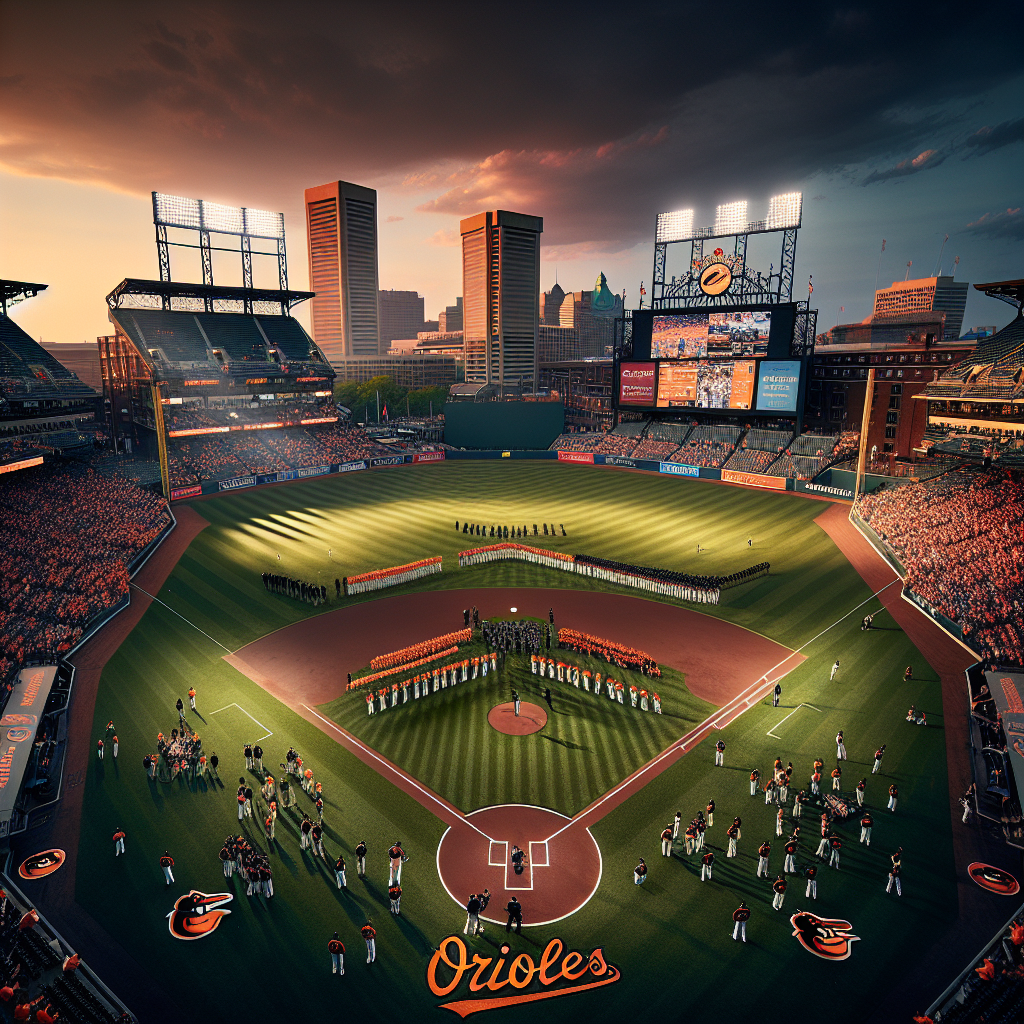
In the heart of Baltimore, Maryland, stands a ballpark that has etched its name into the annals of baseball history: Memorial Stadium. Serving as the home of the Baltimore Orioles from 1954 until 1991, this iconic ballpark was more than just a venue for baseball games. It was a living, breathing monument to American sports culture and community pride. Memorial Stadium’s towering lights and vintage façade might be gone today, but its legacy continues to shine brightly in the memories of fans and players alike. This cherished ballpark offered a stage for legends to perform and provided a sacred space where families and friends gathered to share in the joy of America’s pastime.
From the highs of the Orioles’ World Series wins to the soulful strains of the “Star-Spangled Banner” echoing through the Baltimore sky, Memorial Stadium encapsulated the essence of baseball in its purest form. Its history is rich with unforgettable moments, and it played an essential role in shaping Baltimore’s sports identity. We’ll explore the origins, architectural charm, remarkable events, and the indelible impact of Memorial Stadium on both the city of Baltimore and the wider baseball community.
Whether you’re a diehard Orioles fan or simply a lover of baseball history, Memorial Stadium’s story is one worth knowing. Join us as we journey through the legacy of one of America’s most beloved ballparks, celebrating its historical significance and the nostalgic emotions it still evokes to this day.
The Birth of Memorial Stadium
The story of Memorial Stadium begins long before its opening game in 1954. Originally built as Municipal Stadium in 1922, it was intended to serve as a multi-purpose facility accommodating football, track, and, of course, baseball. The transformation to Memorial Stadium came after a series of renovations and expansions in the early 1950s to lure the St. Louis Browns to Baltimore, a bid that ultimately succeeded. When the team relocated and became the Baltimore Orioles in 1954, Memorial Stadium officially opened its gates to baseball in grand fashion.
This transformation signaled a new era for Baltimore, cementing its place on the map as a significant baseball city. As sportswriter Joe Williams put it, the move not only gave Baltimore baseball but also breathed new life into the city’s sporting spirit. Fans flocked to the stadium, eager to embrace their new home team and to witness the birth of a legacy that would span nearly four decades. The initial games were packed with enthusiastic crowds, and the excitement was palpable as Baltimore began to develop a deep and abiding relationship with its Orioles.
Memorial Stadium wasn’t just for the fans; it was also a symbol for the players. For the Orioles, it became a hallowed ground where they would carve out one of the most competitive eras in franchise history. Names like Brooks Robinson, Jim Palmer, and Frank Robinson became synonymous with Memorial Stadium’s green grass and red dirt. The stadium’s intimate atmosphere created a palpable close connection between players and fans—a bond that remains unmatched in the annals of baseball history.
Architectural Charm and Atmosphere
While Memorial Stadium may not have boasted the modern amenities of today’s ballparks, its charm lay in its character and simplicity. The stadium’s architecture was quintessentially ‘Old Baltimore,’ with its grandstands and bleachers basking under a sky often filled with the aroma of fresh hotdogs and roasted peanuts. Unlike the multi-billion-dollar coliseums of today, Memorial Stadium’s appeal was tied to its unpretentious nature and the genuine kind of joy that one could only experience in such a setting.
Dominating the skyline were the iconic light towers, which bathed the field in a warm, golden glow during those idyllic summer evenings. The stadium’s symmetrical dimensions, with 309 feet to left and right fields and 405 feet to center, provided a fair playground for both pitchers and hitters. Fans seated in every corner of the ballpark felt close to the action, thanks to its thoughtful design.
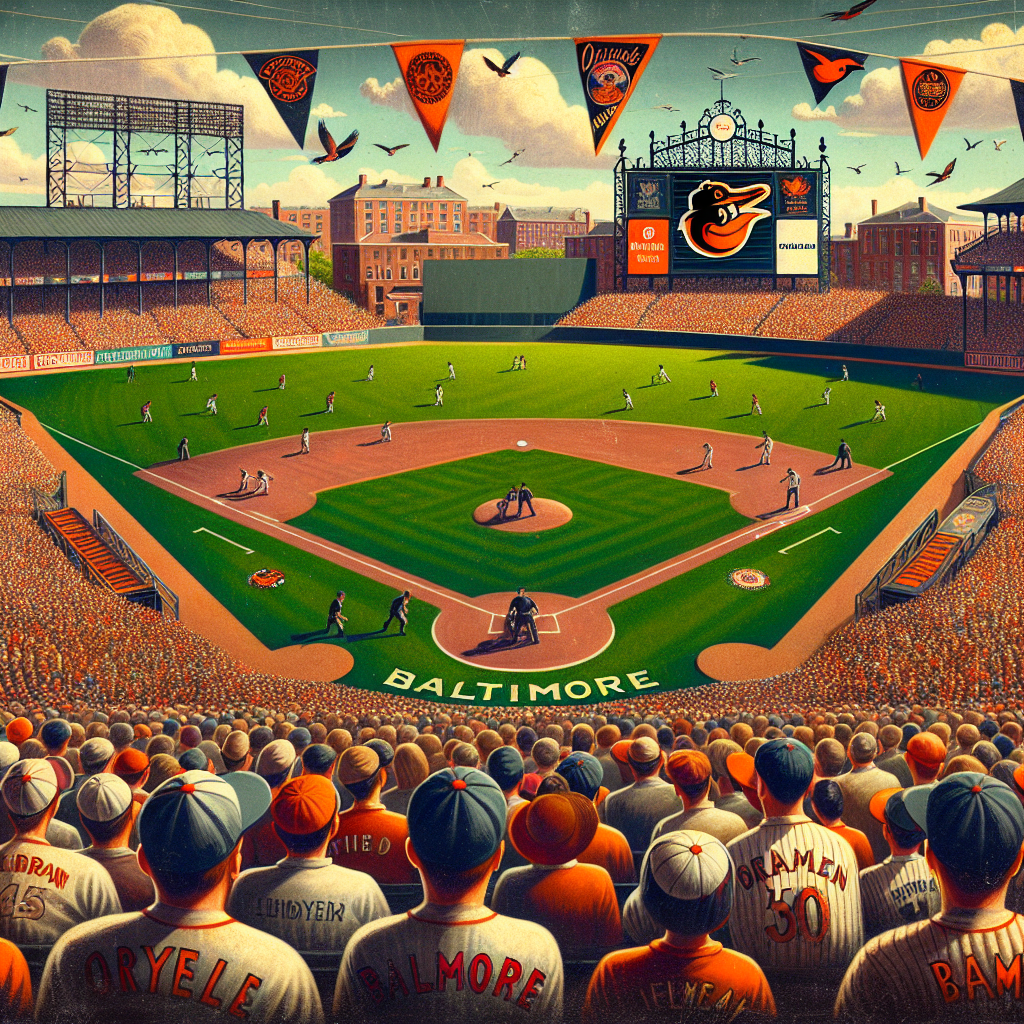
What truly set Memorial Stadium apart, however, was the atmosphere. The passionate and, at times, boisterous Baltimore crowd was as much a part of the game as the players themselves. Vendors peddled snacks and souvenirs through the aisles, while the unmistakable sound of organ music filled the air, creating an environment that was as memorable as any Orioles victory. The stadium, both in its silence and its roar, formed a special kind of communion among those who gathered within its walls.
Unforgettable Games and Moments
Memorial Stadium was a stage for countless unforgettable moments in baseball history. Perhaps one of the most iconic games ever played here was on September 6, 1995, when Cal Ripken Jr. surpassed Lou Gehrig’s consecutive games played record. The electricity that night was palpable as fans celebrated Ripken’s “Iron Man” feat, a testament to his resilience and commitment to the game. The sight of Ripken making his victory lap around the field remains one of the most revered images in the sport.
Another legendary moment was during the 1970 World Series, where the Orioles faced off against the Cincinnati Reds. Game after game, the Orioles showcased dazzling defense, particularly Brooks Robinson’s jaw-dropping plays at third base, earning him the title of World Series MVP. The Orioles ultimately clinched the championship, further solidifying Memorial Stadium as a fortress of triumph.
Moreover, Memorial Stadium was no stranger to its share of heartbreaks and challenges. The dramatic 1983 World Series win against the Philadelphia Phillies underscored the resilience of the Orioles and their ability to bounce back stronger after every setback. The camaraderie among players and the ineffable support from the Baltimore crowd often turned the tide in those critical matchups—a synergy that was evident in every cheering roar and collective gasp.
A Multipurpose Venue
Aside from baseball, Memorial Stadium played host to a myriad of other sports events and activities, cementing its status as a true multipurpose venue. Before Camden Yards took over as the flagship sports facility in Baltimore, Memorial Stadium was also home to the Baltimore Colts of the NFL. The move of the Colts to Indianapolis in 1984 was a catastrophic blow to Baltimore, yet the memories of legendary quarterback Johnny Unitas’ passes in Memorial Stadium remain etched in the collective memory of the city.
Additionally, the stadium hosted significant college football games, soccer matches, and even concerts, making it an integral part of Baltimore’s cultural fabric. These events further cemented the communal aspect of Memorial Stadium, turning it into a gathering point where sportsmanship, entertainment, and civic pride converged. Whether it was a Sunday afternoon football game or a summer evening baseball match, the stadium buzzed with an energy that was both unique and universally appealing.
Legacy and Transition to Camden Yards
The final chapter of Memorial Stadium officially began in 1991 when the Orioles played their last game there before moving to the newly constructed Oriole Park at Camden Yards. While the transition heralded the advent of a new era for Baltimore baseball, it was also a bittersweet moment for fans who had made lasting memories in the old ballpark. The modern amenities of Camden Yards were undoubtedly a significant upgrade, but the sense of nostalgia was inescapable.
For many, Memorial Stadium hosted a simpler, perhaps even more genuine time in sports history—an era when going to a game meant forming personal connections and lifelong memories. The ballpark became a repository for countless stories, from fathers teaching their kids how to score a game to friends bonding over a shared love for the Orioles. Though the stands may be empty now, the memories held there continue to live on in the hearts of the fans.
With the transition to Camden Yards, the city ushered in a new wave of baseball fervor. Camden Yards quickly gained a reputation as one of the finest ballparks in the Major Leagues, but it never aimed to replace the storied legacy of its predecessor. Rather, it sought to build on it, blending the historical with the contemporary in a way that continued to honor Memorial Stadium’s rich history.
Conclusion
Memorial Stadium may no longer physically exist, but its legacy endures in the hearts of Baltimoreans and baseball fans everywhere. It was a ballpark that truly encapsulated the spirit of baseball—a place where the game’s history was not just observed but lived and breathed daily. From its inception to the very last pitch thrown, Memorial Stadium embodied the passion, resilience, and community spirit that make baseball more than just a game.
As we look back on Memorial Stadium, it’s essential to remember the profound impact it had both on the sport and on the city of Baltimore. It was more than bricks and mortar; it was a sacred space where relationships were forged, milestones were reached, and history was made. Today, when Orioles fans cheer on their team at Camden Yards, they do so with a nod to the past, appreciating the groundwork laid by their beloved Memorial Stadium.
While new generations of Orioles fans may never step foot in Memorial Stadium, the stories and legends that grew within its walls ensure that it will never be forgotten. The timeless lessons of sportsmanship, community, and joy that it imparted continue to inspire and shape the very fabric of baseball culture. In remembering Memorial Stadium, we celebrate not only a historic ballpark but also the enduring spirit of America’s pastime.