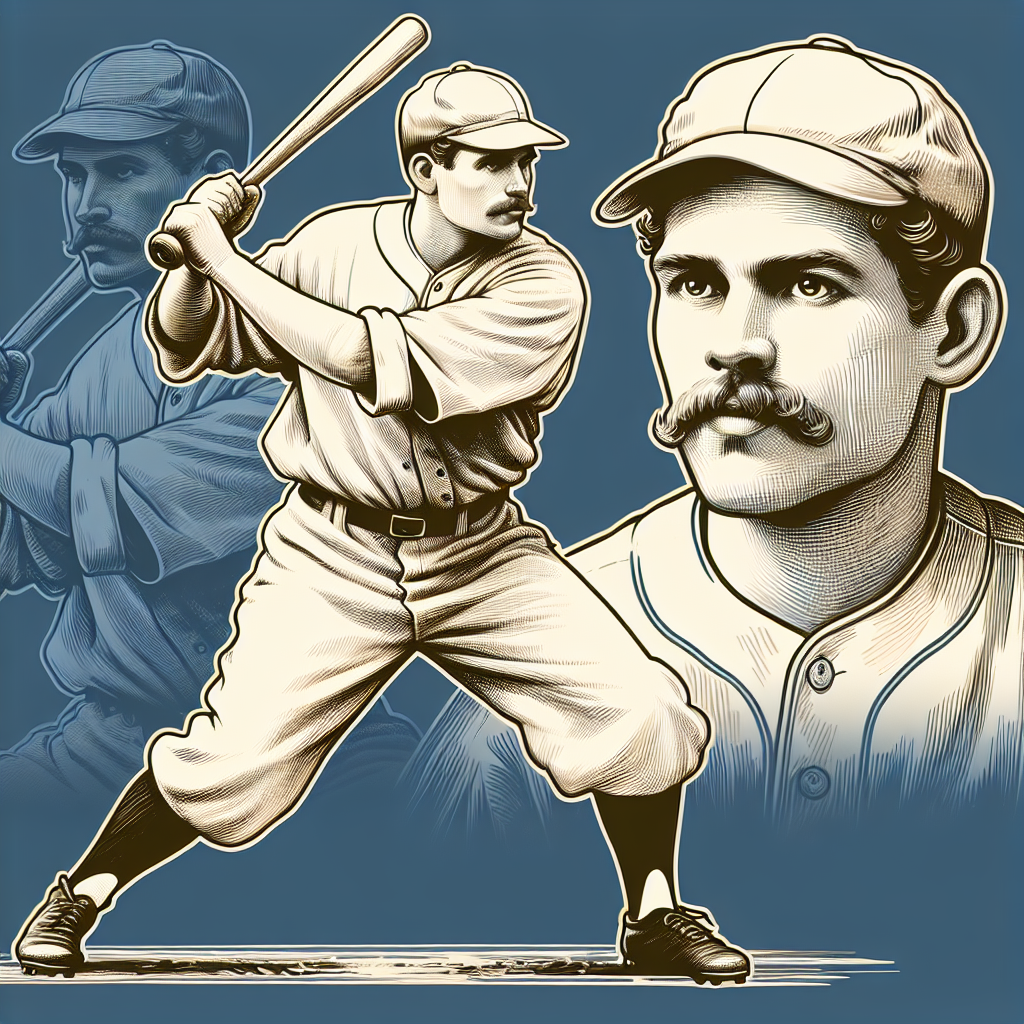
When talking about the legends of baseball, names like Babe Ruth, Lou Gehrig, and Ty Cobb often come to mind. However, there are many players whose contributions often go unnoticed, overshadowed by these colossal figures. One such player is Zack Wheat, an outstanding outfielder who played an integral role during the Deadball Era. Despite an illustrious career stretch and impressive statistics that rival those of his contemporaries, Zack Wheat remains an unsung hero in the annals of baseball history. Maybe it’s time to give Wheat his due recognition and explore why he deserves to be mentioned among the greats.
The Deadball Era, spanning roughly from 1900 to 1920, was characterized by low-scoring games, dominant pitchers, and a lack of home runs. Rather than booming long balls, the game focused on strategy, placement hitting, and speed. This is the backdrop against which Zack Wheat’s career unfolded, from his debut in 1909 to his retirement in 1927. Despite the era’s inherent challenges, Wheat amassed consistently impressive numbers, which reflect his sheer talent and dedication to the game.
Playing most of his career with the Brooklyn Dodgers (known as the Superbas and later the Robins during his tenure), Wheat was more than just a powerful hitter. He was a consummate all-around player, respected for his fielding and base-running skills. But his consistent batting ability is what truly set him apart, even during a time when hitters found it hard to shine. A brief dive into his stats reveals that Wheat had a lifetime batting average of .317, which speaks volumes about his capabilities at the plate.
Zack Wheat: Early Life and Career Beginnings
Born Zachariah Davis Wheat on May 23, 1888, in Hamilton, Missouri, Zack came from modest beginnings. Growing up in a farming family, the young Wheat developed a strong work ethic early on, something that would serve him well throughout his baseball career. By the time he was a teenager, he had already started making a name for himself in local baseball circles. His dedication to refining his skills and his natural athleticism caught the attention of scouts, leading to his first professional signing with the Shreveport Pirates in 1906.
Wheat’s early performances in the minor leagues were indicative of the greatness to come. In just three short years, his prowess on the field caught the attention of the Brooklyn Superbas (later the Dodgers), who acquired him in 1909. From day one, it was evident that Wheat was a natural fit, quickly earning a reputation as one of the team’s most reliable players. Despite the pressures of the major leagues, Wheat let his bat do the talking, compiling impressive numbers right from the start.
However, success didn’t come easy. Wheat faced stiff competition and the pressures to perform in a league dominated by superior pitching. In a game where runs were scarce and every hit counted, Wheat’s ability to make contact and get on base made him an invaluable asset to his team. As he honed his skills, opponents quickly realized that underestimating Zack Wheat was a costly mistake.
Zack Wheat’s Batting Excellence
While the Deadball Era wasn’t particularly kind to hitters, Zack Wheat stood out as a beacon of batting excellence. One of the primary reasons for this was his distinctive batting style, characterized by a crouched stance and a smooth, level swing, which allowed him to make consistent contact with the ball. Playing in an era where hitters often struggled to maintain a batting average above .250, Wheat’s career average of .317 is nothing short of remarkable.
In a span of 19 MLB seasons, Wheat consistently ranked among the top hitters. He hit over .300 in 13 seasons and claimed the National League batting title in 1918 with an average of .335. Even as he aged and pitchers devised new strategies to counter his prowess, Wheat continued to adapt and thrive, showing a level of resilience that few players of his time could match.
Moreover, Wheat’s clutch performances made him a significant asset in crucial situations. In critical games, he often came through with vital hits that swung the game’s momentum in his team’s favor. Whether it was a strategic bunt or a solid base hit, Wheat’s ability to rise to the occasion was a testament to his comprehensive understanding of the game and his commitment to his team.
Defensive Prowess and Leadership
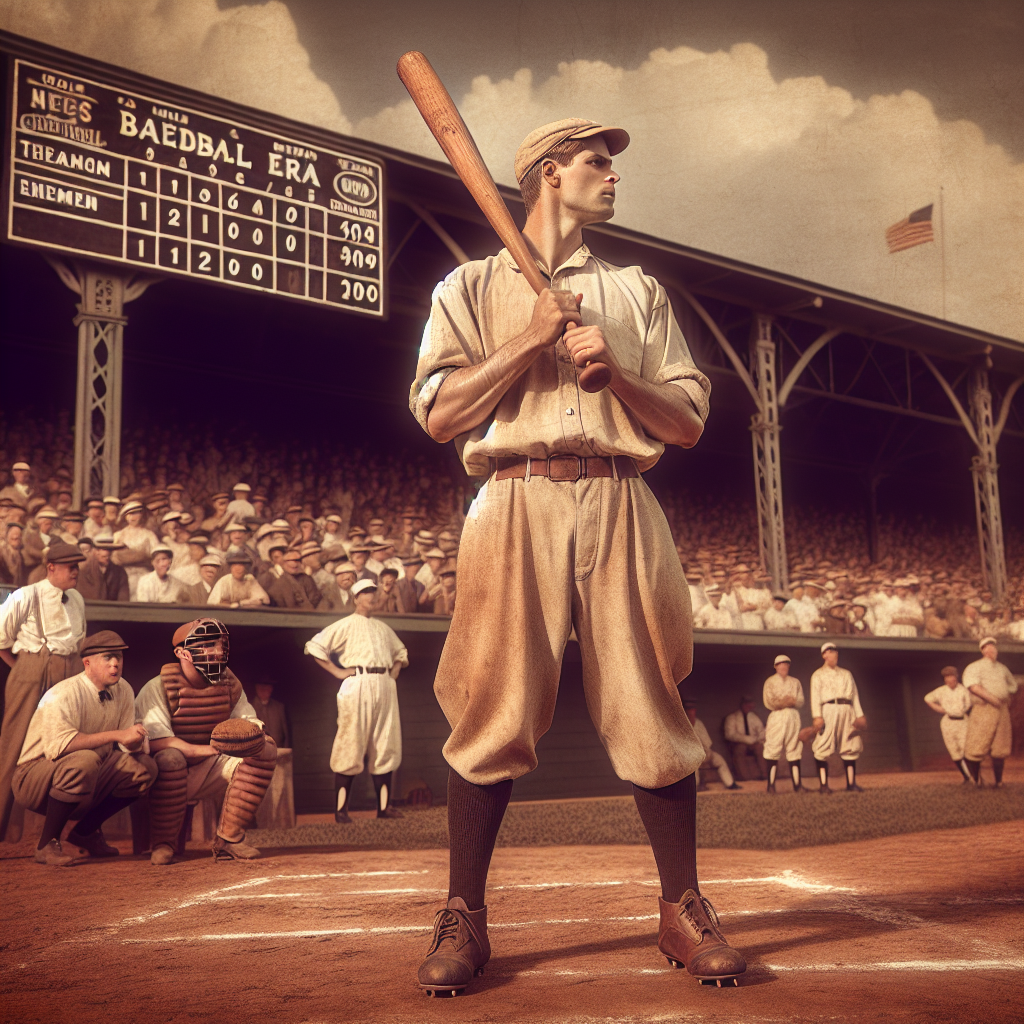
Wheat’s contributions weren’t limited to just his offensive capabilities. In the field, he was a defensive stalwart, primarily playing left field for the Brooklyn franchise. His fielding statistics, including an impressive 123 assists in the outfield, underscore his ability to prevent runs and support his pitchers effectively. Wheat’s remarkable ability to read the ball off the bat and his strong throwing arm made him a deterrent for opposing base runners.
A true leader by example, Wheat’s dedication on the field rubbed off on his teammates. His work ethic and professionalism earned him the captaincy of the Brooklyn team, a role he fulfilled with characteristic humility and dedication. Wheat wasn’t particularly vocal, but when he spoke, his teammates listened. They respected his knowledge of the game and his unwavering focus on team success over personal accolades.
Wheat’s leadership traits shined through most noticeably during the 1916 and 1920 seasons when the Dodgers clinched the National League pennant. While the team fell short in the World Series both years, Wheat’s exemplary performance and unyielding determination were pivotal in carrying the team through the long and grueling seasons. His influence went beyond mere statistics; he inspired confidence and cohesion within the team.
End of Playing Career and Post-Retirement Life
Despite his consistent performance, Wheat’s career gradually wound down in the late 1920s. The physical toll of nearly two decades of professional baseball began to catch up with him. In 1927, after brief stints with the Philadelphia Athletics and the minor league Minneapolis Millers, Wheat decided to retire from professional baseball. However, his post-retirement life remained intertwined with the game he loved.
After retiring, Wheat returned to his farming roots, purchasing a pecan farm in Polk County, Missouri. Although away from the professional spotlight, Wheat continued to contribute to the sport by working with local teams and mentoring young players. His legacy in the game persisted, not just in the record books but also in the hearts of those he inspired along the way.
Wheat’s contributions to baseball were formally recognized in 1959 when he was inducted into the Baseball Hall of Fame. This recognition cemented his legacy, ensuring that future generations would remember and appreciate his contributions to the game. Zack Wheat’s statistics and accomplishments speak volumes, but his humility, dedication, and unyielding pursuit of excellence define his true legacy.
Importance of Recognizing Unsung Heroes
Zack Wheat’s career serves as a poignant reminder of the numerous unsung heroes who have graced the game of baseball. While the feats of more celebrated players often dominate the conversation, the contributions of players like Wheat provide a richer, more nuanced appreciation of the sport’s history.
These unsung heroes often display traits that epitomize the very essence of what makes baseball a cherished American pastime — determination, resilience, and teamwork. They played not for the glory and recognition but for the love of the game. Zack Wheat’s story highlights the importance of looking beyond the headlines to discover the players whose efforts and accomplishments are woven into the fabric of baseball’s rich history.
Recognizing and celebrating players like Zack Wheat ensures that their legacies remain alive and that future generations understand the true breadth of talent and dedication that have defined baseball throughout the decades. It’s essential to preserve their memory, not just for their individual accomplishments but also for their contributions to the evolution and growth of the game.
Conclusion
Zack Wheat may not dominate the conversations around baseball’s greatest legends, but his impact on the game during the Deadball Era is undeniable. His impressive batting statistics, defensive prowess, and leadership qualities exemplify what it means to be an all-around player. Wheat’s career is a testament to the fact that greatness in baseball isn’t solely defined by headline-grabbing home runs or flamboyant achievements. Instead, it’s also about consistency, dedication, and an unwavering love for the game.
As we continue to celebrate the history and evolution of baseball, it is crucial to remember and honor players like Zack Wheat. Their stories and legacies add depth and richness to the sport, offering invaluable lessons in perseverance, humility, and excellence. While Wheat’s name may not be as instantly recognizable as some of his contemporaries, his contributions to baseball have left an indelible mark on the sport.