
Baseball has seen its fair share of legendary sluggers throughout its storied history, but few have captured the imagination quite like Josh Gibson. Often hailed as the “Black Babe Ruth,” Gibson was a towering figure during an era when racial segregation kept talented African-American players out of Major League Baseball. Instead, Gibson made his mark in the Negro Leagues, leaving a legacy that endures even today.
Born on December 21, 1911, in Buena Vista, Georgia, Josh Gibson moved to Pittsburgh, Pennsylvania, during his early teens—a city that would become central to his baseball career. With a powerful build, sharp eyes, and lightning-quick wrists, Gibson quickly established himself as one of the most formidable hitters of his generation.
Despite never playing in the Major Leagues, Gibson’s prowess at the plate left an indelible mark on the sport. His remarkable batting achievements led to widespread legends, often blending fact and folkloric embellishments. The aim of this article is to sift through these stories and bring to light the real man behind the legend—an athlete whose prodigious talent and relentless drive made him a cornerstone of the Negro Leagues.
Early Years and Entry into Baseball
Gibson’s baseball journey began in the industrial town of Pittsburgh, where he attended Allegheny Pre-Vocational School. His early interactions with organized baseball took place in local sandlot games and semipro teams, but he would soon attract attention from more significant leagues.
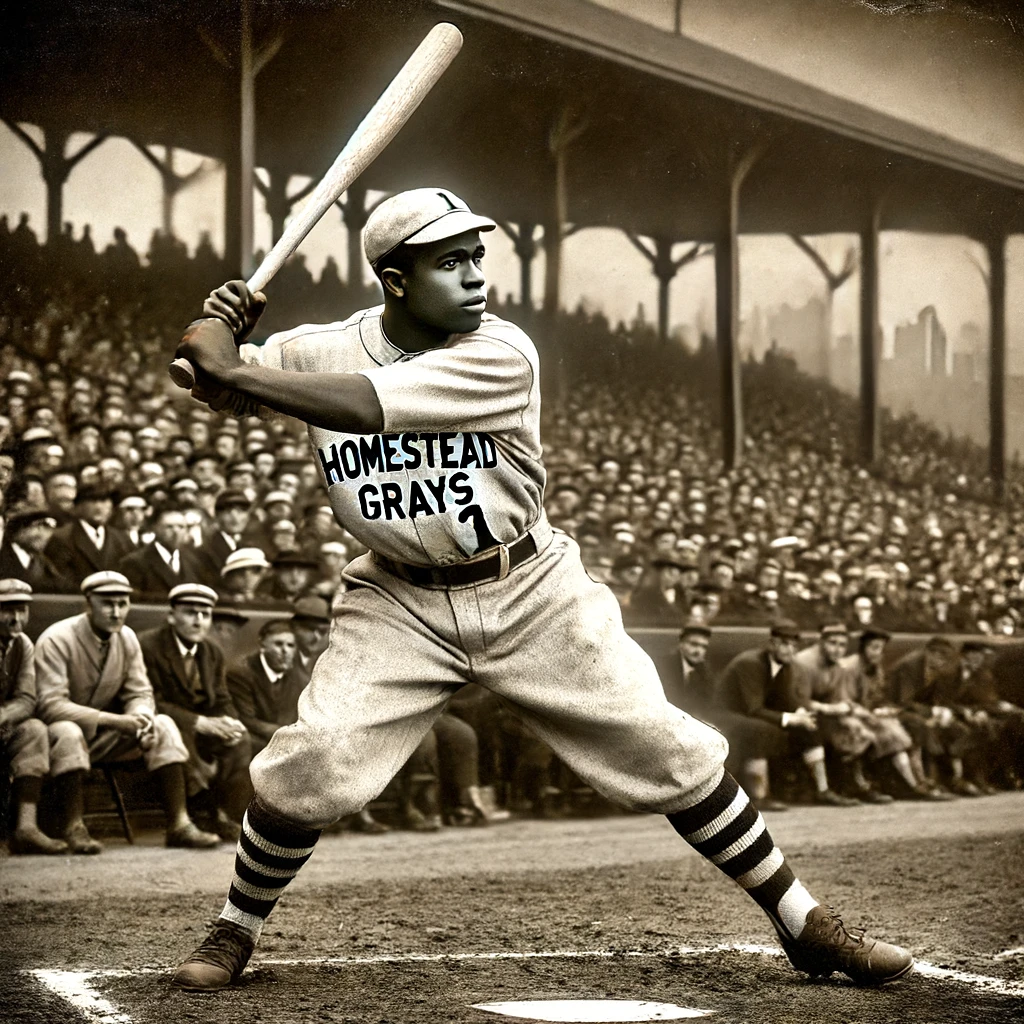
At just 18 years old, Gibson was drafted by the Homestead Grays, one of the most successful teams in the Negro Leagues. His debut came in 1930, and it didn’t take long for Gibson to start making waves. His powerful hitting and impressive batting average quickly earned him a spot as the team’s primary catcher—a role he would come to define over his career.
By the mid-1930s, Gibson’s dominance in the batter’s box was undeniable. Newspapers and fans alike marveled at his ability to hit towering home runs, some of which were rumored to have traveled over 500 feet. Although the exact records from Negro League games were not always meticulously kept, Gibson’s peers and sportswriters frequently noted his consistent performance and clutch hitting.
A Batting Legend: Numbers and Anecdotes
The exact statistics of Josh Gibson’s career are a subject of much debate due to the incomplete nature of Negro League record-keeping. However, even conservative estimates paint a picture of an unparalleled hitter. It’s widely accepted that Gibson hit nearly 800 home runs over his career, a feat that stands shoulder-to-shoulder with legends like Babe Ruth and Hank Aaron.
Anecdotes from fellow players and eyewitnesses add a layer of myth to Gibson’s legend. One such story recounts a home run he hit out of Yankee Stadium in 1934 during an exhibition game, a feat that remains part of baseball lore. Although no comprehensive video evidence exists, there’s enough corroborative testimony to give these tales credence.
Gibson’s ability to hit for both power and average set him apart from other sluggers of his time. With batting averages reportedly exceeding .400 in several seasons, he was not just a home run hitter but a complete batsman whose eye at the plate and impeccable timing made him nearly impossible to pitch against.
Personal Life and Challenges
Behind the prodigious talent lay a man who faced significant challenges both on and off the field. Josh Gibson’s life was marked by a series of personal hardships, among them the untimely death of his wife, Helen, during childbirth in 1930, which left him a widower with twin children. This tragedy had a lasting impact on Gibson, casting a shadow over his otherwise stellar career.
Despite his personal struggles, Gibson remained unyielding on the baseball diamond. Yet, his life was also marred by racial discrimination, alcohol abuse, and the constant struggle for recognition in a segregated society. The Negro Leagues offered a limited platform for showcasing black talent, and while Gibson’s prowess earned him adulation, it couldn’t shield him entirely from the harsh realities of the time.
The mental and emotional toll of these challenges is believed to have contributed to Gibson’s health issues later in life. By the early 1940s, rumors of his declining health began circulating, leading many to speculate on how these burdens influenced his unparalleled, but ultimately tragic, baseball career.
The Twilight of Gibson’s Career
As Gibson’s career progressed into the 1940s, the years began to take a toll on his body. Yet, even during this phase, he remained an imposing figure at the plate. His tenure with the Homestead Grays continued to be marked by significant on-field accomplishments, even though he wasn’t the same dominant force he had been in his prime.
In 1943, the Grays won the Negro League World Series, with Gibson playing a crucial role in their success. His consistent hitting and seasoned leadership helped the team secure victories, and his presence on the roster was a considerable morale boost. However, his declining health became more evident, culminating in a diagnosis that would eventually cut his life tragically short.
Despite his physical decline, Gibson’s indomitable spirit shone through. Fellow players would often recount how he continued to mentor younger talents and share invaluable insights into the art of hitting. His legacy, even as an aging player, was cemented by the respect and admiration he garnered from teammates and opponents alike.
Untimely Death and Legacy
Josh Gibson’s life came to an abrupt and tragic end on January 20, 1947, when he passed away from a stroke at the age of 35. His death came just months before Jackie Robinson would break Major League Baseball’s color barrier, an event Gibson had long aspired to witness.
While Gibson never got the chance to showcase his talents on the Major League stage, his impact on the game is undeniable. He was posthumously inducted into the National Baseball Hall of Fame in 1972, becoming one of the first Negro League players to receive such an honor. His plaque in Cooperstown stands as a testament to his incredible skill and enduring influence on the sport.
Beyond his Hall of Fame induction, Josh Gibson’s legacy lives on in the stories and memories of those who saw him play. He serves as a symbol of the untapped potential that segregation deprived the Major Leagues of, and his story continues to inspire generations of baseball players and fans.
Conclusion
Josh Gibson is more than just a name in the annals of baseball history; he is a symbol of resilience, excellence, and the unfulfilled dreams of countless African-American athletes during an era of segregation. His story underscores the broader struggles faced by black players in the early to mid-20th century, and his achievements offer a glimpse of what the Major Leagues missed out on due to racial discrimination.
Despite the challenges he faced, Gibson’s prowess on the field left an indelible mark on the sport. His legacy, marked by towering home runs and remarkable batting averages, continues to be celebrated by baseball historians and fans alike. His story is a poignant reminder that talent and hard work can shine through even the darkest of circumstances.
As we look back on the career of Josh Gibson, it’s essential to remember him not just as a historical figure, but as a human being who, despite immense challenges, achieved greatness through sheer determination and skill. His life may have been cut short, but his impact on the game of baseball will resonate for generations to come.