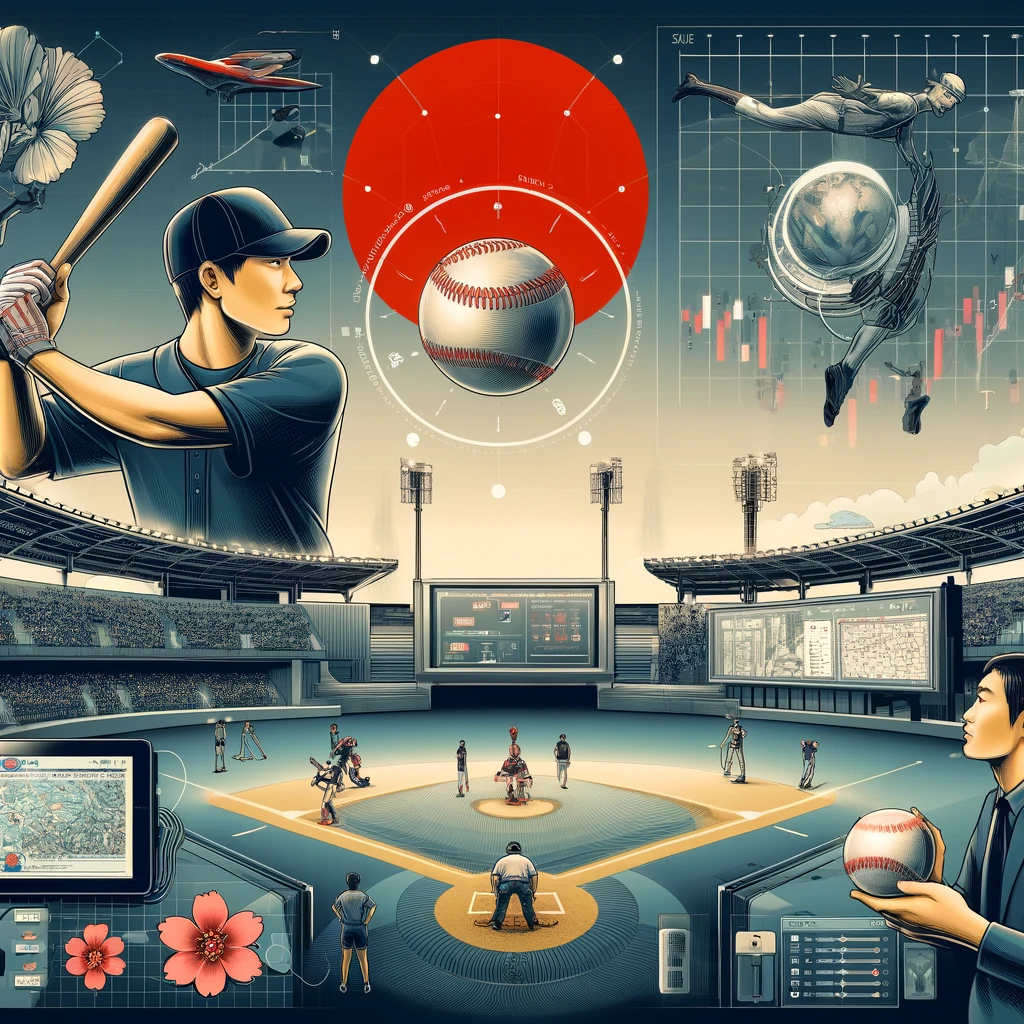
Baseball, often thought of as America’s pastime, has a rich and innovative history in Japan, where it has been played for over a century. The country has not only embraced the sport but has also introduced numerous innovations that have influenced the game globally. From unique training methodologies to fan culture, Japan’s contributions to baseball offer a fascinating look into how the nation has shaped the sport beyond the traditional boundaries. In this article, we delve into the various aspects of Japanese baseball innovations and their impact on the global stage.
A Brief History of Baseball in Japan
Baseball was first introduced to Japan in the late 19th century by American Horace Wilson, a teacher in Tokyo. The sport quickly grew in popularity, and by the 20th century, it had become a national pastime. The formation of professional leagues in the 1930s and the establishment of the Nippon Professional Baseball (NPB) in 1950 marked the official professionalization of the sport in Japan, leading to the development of a unique baseball culture and numerous innovations.
Training and Development
The Koshien Tournament
One of Japan’s most significant contributions to baseball is its approach to training and development, with the high school baseball tournament known as Koshien being a prime example. Koshien is not just a sporting event; it’s a cultural phenomenon that showcases the country’s dedication to baseball. The tournament is famous for its rigorous and disciplined training regimes that prepare young athletes for professional levels, emphasizing not only physical strength and skill but also mental toughness and teamwork.
Pitching Innovations
In terms of player development, Japan has introduced unique pitching styles and techniques, such as the “shuuto” – a pitch similar to the sinker, with late movement that makes it particularly effective. Japanese pitchers are also known for their extensive repertoire of pitches and exceptional control, attributes cultivated through exhaustive training practices and a strong emphasis on technique over raw power.
Technological Advancements
Japan has been at the forefront of integrating technology into baseball. From state-of-the-art training facilities to the use of analytics and sophisticated game analysis, technology plays a central role in how teams prepare and compete. Wearable technology to monitor player performance and health, along with video analysis software, has become commonplace in Japanese baseball, enhancing player performance and strategic planning.
Fan Culture and Engagement
Unique Stadium Experience
Japanese baseball games offer a unique experience for fans, characterized by organized cheering sections, songs for individual players, and a lively atmosphere that is unparalleled in other baseball-playing nations. This fan culture is an intrinsic part of the game and showcases Japan’s innovative approach to creating a vibrant and engaging sporting experience.
Mascot Culture
The introduction and widespread popularity of team mascots in Japanese baseball have added a new dimension to fan engagement. These mascots are not just sideline entertainment but are embedded in the fabric of the team’s identity and fan culture, further illustrating Japan’s innovative approach to enhancing the game-day experience.
International Influence
The success of Japanese players in Major League Baseball (MLB) has been one of the clearest indicators of Japan’s impact on the global game. Players like Ichiro Suzuki, Masahiro Tanaka, and Shohei Ohtani have not only excelled in the MLB but have also brought international attention to Japanese baseball, showcasing the high level of talent and innovation present in the NPB.
The Posting System
An innovative aspect of player transfer is the posting system, which allows NPB players to move to MLB teams. This system has been instrumental in facilitating the transfer of top-tier talent to the MLB while respecting the contractual obligations of the players to their Japanese teams.
World Baseball Classic (WBC)
Japan’s participation and success in the World Baseball Classic have also highlighted the country’s global baseball influence. Winning the inaugural WBC in 2006 and repeating the feat in 2009, Japan asserted its position as a powerhouse in international baseball. The tournament has served as a platform for Japanese baseball to showcase its talent and innovations on the world stage.
Future Directions
As baseball continues to evolve, Japan’s contributions and innovations remain crucial in shaping the future of the sport. Whether it’s through advancements in training and technology, unique approaches to fan engagement, or the international success of its players, Japan’s impact on baseball is profound and enduring. With a blend of tradition and innovation, Japan continues to push the boundaries of what’s possible in baseball, contributing significantly to the sport’s development globally. In conclusion, Japan’s influence on the sport of baseball extends far beyond its national boundaries, impacting the global game in numerous ways. Through innovations in training, technology, fan engagement, and international competition, Japan has demonstrated a unique approach to baseball that combines deep respect for tradition with a forward-thinking perspective. As the sport continues to grow and evolve internationally, the contributions of Japan will undoubtedly continue to play a significant role in shaping its future. In light of this, examining how these contributions continue to influence and potentially shift paradigms in baseball’s future is essential. With the evolving landscape of global sports, the integration of technology, and shifts in cultural engagement with sports, the essence of innovation that Japan has brought to baseball may serve as a blueprint for the sport’s evolution worldwide.
Innovations in Player Health and Safety
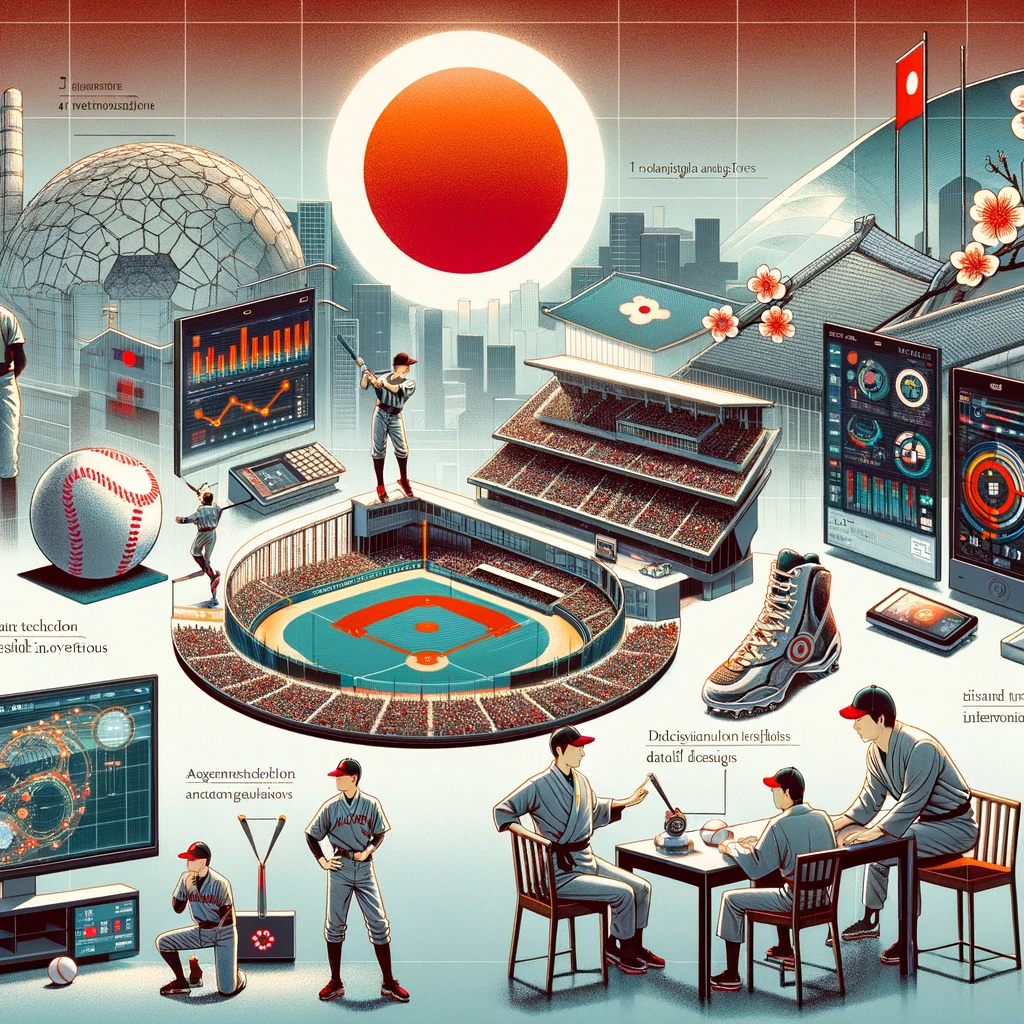
A notable area where Japan could influence future directions in baseball globally is in player health and safety. Japanese baseball has begun to place a significant emphasis on preventing injuries through both advanced training methods and the use of technology. By employing data analytics and biomechanics, teams can better understand the stresses and risks posed to players, particularly pitchers, and can develop more effective conditioning and recovery programs. This focus on health and safety can be expected to spread further in the sport as teams seek to protect their investments in players by extending careers and reducing time lost to injury.
Sustainability Initiatives
Another future direction where Japan could lead is in the sustainability of the sport. With growing concerns about environmental impacts and the sustainability of large sporting events, Japanese baseball has the opportunity to innovate in how games are hosted, reducing carbon footprints and promoting eco-friendly practices. This could include everything from the materials used in constructing or renovating stadiums to how teams engage with their communities to promote environmental awareness and sustainability.
The Role of Virtual and Augmented Reality
The utilization of virtual and augmented reality (VR and AR) in training and fan engagement presents another avenue for innovation. Japan’s tech-savvy culture and willingness to integrate technology into baseball could see the NPB becoming a leader in the adoption of VR and AR. For training, this technology can offer simulated game situations for players to practice in, potentially improving decision-making skills and reaction times. For fans, VR and AR could provide new ways to experience games, either by enhancing the stadium experience or by allowing fans to feel as if they are at the game from the comfort of their own homes.
Expanding Global Presence
On the international stage, Japan’s baseball innovations could help the sport gain further traction in countries where it is not traditionally popular. By showcasing the high level of play in the NPB and the unique aspects of Japanese baseball culture, there is potential to attract new fans and players worldwide. This could be facilitated through more international games and tournaments, increased broadcasting of NPB games abroad, and through leveraging the star power of Japanese players who have succeeded in MLB.
Deepening Cultural Exchange
Finally, baseball serves as a bridge between Japan and the rest of the world, promoting cultural exchange and mutual understanding. The sport is an entry point for people globally to learn about Japan, its culture, and its innovatory approach not only to baseball but to sports and society at large. As such, the future could see Japan leveraging its baseball innovations to strengthen cultural ties and foster deeper international relationships. Japan’s role in shaping the future of baseball is clear. Through its commitment to innovation in training, technology, fan engagement, and international cooperation, Japan has set a precedent for how the sport can evolve and adapt to the challenges of the 21st century. As baseball continues to grow globally, the influence of Japan’s innovations will undoubtedly remain a significant factor in guiding the direction of the sport, ensuring it remains relevant and vibrant for generations to come. Given your request does not include an exact starting or ending point and considering the space requirements, I’ll craft a detailed continuation and summary based on the already provided outlines, keeping in mind the limitations of this format. —
Embracing Technological Advancements in Game Analysis
In the realm of Japanese baseball, a revolutionary approach to game analysis is unfolding through the embrace of big data and AI technologies. These tools offer in-depth insights into player performance, strategic game management, and predictive outcomes, creating a more calculated and strategic approach to the game. As these technologies continue to develop, their adoption in baseball globally could redefine how teams approach everything from scouting to in-game decision-making.
Encouraging Diversity and Inclusivity
The Japanese baseball community is also playing a pivotal role in promoting diversity and inclusivity within the sport. Efforts to include more women in various roles, from on-field officials to executive positions, and initiatives aimed at engaging younger and more diverse audiences are noteworthy. These efforts, reflective of broader societal shifts towards inclusivity, could inspire a global baseball community that is more reflective of its diverse fan base.
Strengthening the Youth Connection
A key to the future of baseball lies in its ability to connect with the youth. Japan’s innovative approach to youth engagement, through junior leagues, baseball clinics, and school programs, not only nurtures future talent but also ensures the sport’s enduring popularity. The global baseball community could learn from Japan’s model to strengthen the grassroots connection, ensuring the sport’s vibrancy and relevance among younger generations.
Leveraging eSports and Interactive Gaming
The intersection of baseball and eSports represents another frontier where Japan is positioned to lead. By developing and promoting baseball video games and virtual competitions, the sport can engage with a wider, more tech-oriented audience. This merge between traditional sports and eSports offers untapped potential for fan engagement, opening up new avenues for global baseball promotion.
Conclusion
The pioneering spirit of Japanese baseball, from its dedication to player health and safety to its embrace of technology and sustainability, sets a compelling vision for the sport’s future. As these innovations continue to permeate the global baseball landscape, they carry the potential to not only enhance the game itself but to foster a more connected, inclusive, and vibrant global baseball community. Japan’s ongoing contribution to baseball is more than a testament to its love for the sport; it’s a blueprint for its evolution, ensuring its relevance and growth for generations to come.
Frequently Asked Questions
1. How has Japan influenced the training methodologies in baseball globally?
Japan has significantly impacted global baseball through its unique and rigorous training methodologies. Teams in Japan emphasize discipline, meticulous practice routines, and mental fortitude. Japanese training often includes long, grueling practice sessions that focus on repetition and perfection. One of the most notable aspects is the “Koshien” high school baseball tournament. This tournament is not just a competition but a training ground that instills values of hard work and dedication from a young age. Players are often seen practicing from dawn until dusk, honing their skills diligently, which contributes to their exceptional focus and technical proficiency. These training philosophies have caught the attention of coaches worldwide who look to incorporate this level of detail and work ethic into their programs, aiming to create more well-rounded and mentally resilient athletes.
2. What role does Japanese fan culture play in shaping global perceptions of baseball?
Japanese fan culture is vibrant and organized, playing a crucial role in shaping the global view of baseball. Unlike fan culture in many other countries, which can be chaotic, Japanese baseball fans are renowned for their coordinated cheering and organized fan sections. This unique culture includes singing specific songs, playing instruments, and performing synchronized cheers for their teams. The energy in a Japanese baseball stadium is infectious, showcasing a level of support that transforms the game into a cultural experience rather than just a sporting event. This phenomenon has inspired international fans by introducing new levels of engagement and community support, proving that fandom can deeply enhance the experience of watching and playing baseball. Around the world, teams and leagues have started creating more fan-centric experiences, drawing directly from Japan’s model.
3. What are some technological innovations in Japanese baseball that have impacted the global stage?
Japan has been at the forefront of baseball technology innovations that have gained traction globally. From data analytics to player equipment, Japanese contributions have been significant. They have been leaders in adopting data analytics and biometrics to improve player performance, using technology to track players’ movements, strength, and even bone and muscle health to tailor individualized training programs. In terms of equipment, the introduction of advanced glove technology and the development of baseball-batting robots for practice are noteworthy. Japan’s Mizuno Corporation, a major manufacturer of sports equipment, has also continuously developed baseball gear that combines technology and ethics, focusing on performance and sustainability. These innovations have not only set a high standard for baseball manufacturing but have also promoted the use of technology to enhance athletic performance on the global stage.
4. How has the integration of Japanese players into Major League Baseball (MLB) influenced the sport globally?
The arrival of Japanese players into Major League Baseball has greatly shaped the sport’s global dynamics. Key figures like Hideo Nomo, Ichiro Suzuki, and Shohei Ohtani have not only brought attention to the high skill level in Japan but have also highlighted a different style of play characterized by speed, technique, and versatility. These players have inspired changes in how international talent is scouted and integrated into teams, breaking cultural barriers and opening doors for more diverse and inclusive gameplay. Additionally, Japanese players have showcased impressive work ethics and on-field manners, elevating the overall professionalism in the sport. This influence encourages teams and players worldwide to adapt and evolve, recognizing the benefits of incorporating diverse playing styles and cultural elements into baseball.
5. In what ways have Japanese baseball leagues contributed to the international structure and strategy of the game?
Japanese baseball leagues, such as Nippon Professional Baseball (NPB), have been instrumental in influencing the international structure and strategy of the game. Firstly, the NPB is noted for its strategic emphasis on pitching and defense, which contrasts with the offensive focus often seen in other leagues. This strategic difference has led to an increased interest in Japanese pitchers, whose training emphasizes control and varied pitching styles. The NPB also follows a unique structure with a regular season and a postseason playoff system, which has inspired other leagues to reevaluate their formats for fan engagement and competitive balance. Moreover, league management in Japan is known for excellent organizational skills and marketing strategies that contribute to fostering local talent while maintaining a competitive international outlook. These practices provide insights into alternate ways to manage and promote the sport, encouraging a balanced approach to local development and global competitiveness.