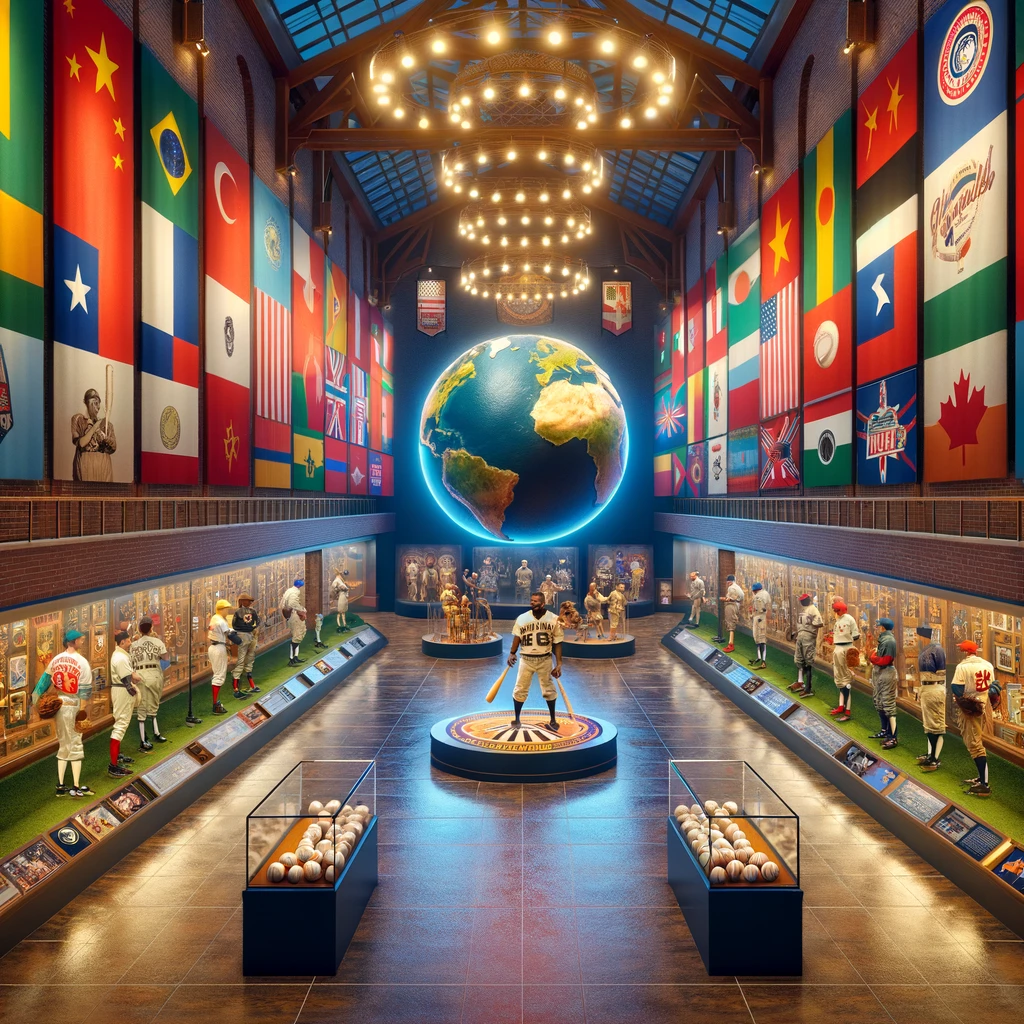
Baseball, often regarded as America’s national pastime, has transcended its domestic boundaries to make a profound impact globally. The Baseball Hall of Fame, located in Cooperstown, New York, stands not just as a testament to the sport’s rich history in the United States, but also as a celebration of its international influence. This article delves into the stories of international stars who have made their indelible mark in the Hall of Fame and, in doing so, have woven the global fabric of baseball.
The Early Pioneers
The international influence in baseball began to take shape in the early 20th century. Players from various corners of the world started to emerge, bringing with them a diverse set of skills and perspectives that enriched the game. One such pioneer was Cristóbal Torriente, a Cuban outfielder known for his powerful hitting. Torriente, who played in the Negro Leagues in the United States, was inducted into the Hall of Fame in 2006. His induction was not just a recognition of his personal achievements but also a nod to the growing influence of Latin American players in baseball.
Latin American Impact
Latin America’s contribution to baseball is undeniable, and this is reflected in the Hall of Fame. Players like Roberto Clemente from Puerto Rico, Pedro Martínez from the Dominican Republic, and Rod Carew from Panama have become synonymous with excellence in baseball. Clemente, known as much for his humanitarian efforts as his athletic prowess, was the first Latin American player to be inducted into the Hall of Fame in 1973. His legacy paved the way for future generations of Latin American players to dream of baseball stardom.
Pedro Martínez, a dominant pitcher in the late 1990s and early 2000s, brought a level of charisma and competitiveness that electrified the Major Leagues. His induction in 2015 was a testament to the growing recognition of the Dominican Republic as a hotbed of baseball talent.
Rod Carew, an exemplary hitter and a master of the art of batting, represented Panama. His induction in 1991 highlighted the diverse geographical origins of baseball talent, showcasing that the sport’s appeal was truly international.
The Asian Sensation
The influence of Asian players in Major League Baseball (MLB) began to be felt strongly in the late 20th and early 21st centuries. Japanese players, in particular, have made significant contributions. Hideo Nomo, the trailblazing pitcher who debuted in MLB in 1995, opened the door for many Asian players. While Nomo is not yet in the Hall of Fame, his impact on the game has been profound.
Ichiro Suzuki, another Japanese star, redefined the role of Asian players in MLB. With a career that spanned over two decades, Ichiro’s induction into the Hall of Fame, expected in the near future, will symbolize the global reach of baseball and the respect for talent irrespective of nationality.
European and Australian Inroads
While Latin America and Asia have been the most prominent regions contributing to the international flavor of baseball, Europe and Australia have also made their mark. Players like Bert Blyleven, born in the Netherlands, and Graeme Lloyd from Australia, have shown that baseball talent can emerge from any corner of the globe. Blyleven’s induction into the Hall of Fame in 2011 was particularly significant as it underscored the global nature of the sport.
The Role of the World Baseball Classic
The World Baseball Classic (WBC) has played a pivotal role in showcasing international talent on a global stage. Established in 2006, the WBC has become a premier international baseball tournament, featuring teams from all over the world. It has not only helped to spread the popularity of baseball globally but also provided a platform for international players to showcase their skills to a wider audience, including MLB scouts and fans.
The Future of International Stars in the Hall
As baseball continues to grow globally, the future looks bright for international players in the Hall of Fame. The increased participation of countries in international tournaments like the WBC and the continuous efforts of MLB to globalize the game are creating more opportunities for international talent to shine.
The Baseball Hall of Fame is not just a repository of American baseball history; it is a mirror reflecting the sport’s international evolution. The stories of international stars in the Hall are testaments to the unifying power of baseball, transcending cultural and geographical boundaries. As the game continues to expand its global footprint, we can expect to see more international stars leaving their legacy in the hallowed halls of Cooperstown.

Breaking Barriers: International Women in Baseball
While the focus is often on male players, it’s important to acknowledge the contributions of international women in baseball. Effa Manley, co-owner of the Newark Eagles in the Negro Leagues, became the first woman inducted into the Hall of Fame in 2006. Although not a player, her role in the development of baseball, especially in supporting and advocating for African-American players, was groundbreaking. Manley’s induction opens the door for recognizing the diverse roles played by women in baseball globally.
The Integration of International Managers and Executives
The Hall of Fame also honors the contributions of international managers and executives who have influenced the game. This includes figures like Alejandro Pompez, a Cuban-American who was instrumental in the development of Latino talent in the Major Leagues. His induction in 2006 highlighted the importance of diverse leadership in the sport and its role in shaping the game’s future.
The Influence of International Umpires
The role of international umpires in MLB also deserves recognition. While this group is yet to see representation in the Hall of Fame, their contribution is vital. International umpires bring a unique perspective to the game, ensuring fairness and integrity across a culturally diverse playing field.
International Stars and Community Impact
The impact of international stars in baseball extends beyond the field. Many of these players have used their fame to positively impact their home countries. For example, Roberto Clemente’s humanitarian work in Latin America is well-documented and continues to inspire players today. The Hall of Fame not only honors their on-field achievements but also their off-field contributions to society.
Challenges and Opportunities
Despite the progress, there are still challenges facing international players in MLB. Language barriers, cultural differences, and the physical distance from home can be daunting. However, MLB teams are increasingly providing resources to help international players adapt, recognizing the value they bring to the game.
The increased visibility of international players in MLB has also spurred the growth of baseball in their home countries. This has led to better training facilities, more investment in youth baseball programs, and a growing fanbase in these regions.
The Hall of Fame’s Role in Promoting International Baseball
The Baseball Hall of Fame plays a crucial role in promoting the international aspect of the game. By recognizing the achievements of international stars, the Hall of Fame not only honors these players but also inspires future generations from all over the world. It serves as a bridge between different cultures, showcasing the universal appeal of baseball.
Looking Ahead
As the global influence of baseball continues to grow, so will the representation of international stars in the Hall of Fame. This not only enriches the history of baseball but also ensures that the game remains vibrant and diverse. The stories of international players in the Hall of Fame are not just about individual achievements; they are narratives of cultural exchange, perseverance, and the universal language of sportsmanship.
In summary, the Baseball Hall of Fame is a testament to the sport’s global reach and the diverse talents that have shaped it. As baseball’s popularity continues to expand worldwide, the Hall of Fame will undoubtedly continue to evolve, adding new chapters to the international story of baseball. The legacy of these international stars is not just in their records and achievements but in how they have inspired countless others across the globe to embrace and excel in the sport of baseball.
This concludes our comprehensive look at the international stars in the Baseball Hall of Fame and their impact on the global influence of baseball. From pioneering players to influential managers, umpires, and community heroes, their contributions extend far beyond the diamond, enriching the sport’s history and pointing towards an even more inclusive and diverse future.
Frequently Asked Questions
1. What is the Baseball Hall of Fame and why is it significant globally?
The Baseball Hall of Fame, located in Cooperstown, New York, is an institution dedicated to preserving and honoring the history of baseball and those who have contributed significantly to the game. While it primarily highlights the sport’s rich tradition within the United States, its influence and significance extend far beyond. Baseball, once coined as America’s national pastime, has evolved into a global phenomenon, touching lives and cultures worldwide. Therefore, the Hall of Fame doesn’t just commemorate American baseball legends but also celebrates the contributions of international stars who have left an indelible mark on the game. It serves as both a physical and symbolic testament to how baseball’s spirit transcends borders, bridging diverse cultures and uniting fans from all walks of life. This global reach underscores the diversity within the sport and the universal love for the game.
2. Who are some of the international baseball legends included in the Hall of Fame?
Over the years, several international players have carved their names into the hallowed halls of Cooperstown, highlighting their remarkable contributions to baseball. Among these legends is Roberto Clemente from Puerto Rico, who not only excelled on the field but also left a legacy of humanitarian work that continues to inspire. There’s also Japan’s own Sadaharu Oh, whose record-breaking career in Japan’s professional leagues made him a cultural icon. Moreover, Pedro Martínez from the Dominican Republic dazzled fans with his pitching prowess, earning a well-deserved place in the Hall of Fame. Legends like these exemplify how international players have enriched the game and influenced it on a global scale. Their stories encourage aspiring athletes from every corner of the world to dream big, regardless of their origins.
3. How has baseball developed beyond the United States?
Baseball’s journey from a primarily American sport to a global phenomenon is a fascinating narrative. Beginning in the late 19th and early 20th centuries, baseball spread to neighboring countries like Cuba and other parts of Latin America, where it soon became deeply ingrained in local sports culture. Japan also adopted the sport with fervor, resulting in a parallel professional league equally competitive as Major League Baseball (MLB). As globalization accelerated, so did the reach and influence of baseball, with international leagues springing up in Korea, Taiwan, and more recently, European countries. The World Baseball Classic and other international tournaments have further solidified its status, drawing interest and participation from all over the world. This evolution reflects baseball’s adaptability and its appeal across diverse cultures, showcasing a sport that speaks a universal language of teamwork, competition, and community.
4. What is the impact of international players on Major League Baseball (MLB)?
International players have played a monumental role in shaping Major League Baseball (MLB) into the vibrant, dynamic league it is today. These players have brought a rich diversity of talent, techniques, and cultural influences that have expanded the appeal of the MLB well beyond the American audience. Stars like Ichiro Suzuki, who seamlessly transitioned from Japan’s Nippon Professional Baseball to MLB, demonstrated the outstanding skill and adaptability of international players. Similarly, players like David Ortiz from the Dominican Republic became not only fan favorites but also crucial contributors to their teams’ successes and MLB’s growth. The infusion of global talent has raised the level of competition, broadened the strategic landscape of the game, and driven MLB’s recognition worldwide. The presence of international stars in the MLB continues to attract new fans and inspire young athletes globally to pursue baseball at the highest levels.
5. How does the Hall of Fame inspire future generations globally?
The Baseball Hall of Fame stands as an enduring source of inspiration for future generations of players and fans around the globe. By immortalizing the achievements of international legends, it sends a powerful message that excellence in baseball knows no borders. Young athletes viewing these stories see themselves in players from diverse backgrounds who have walked the paths they aspire to follow. The Hall’s exhibits and narratives provide not only recognition of past achievements but also motivational blueprints for future successes on the diamond. It highlights the impact players can have, both in their sportsmanship and contributions outside of baseball, encouraging a holistic approach to sports and life. Consequently, the Hall serves as a beacon of hope and possibility, affirming that with talent, hard work, and determination, anybody can achieve legendary status irrespective of their geographical starting point.