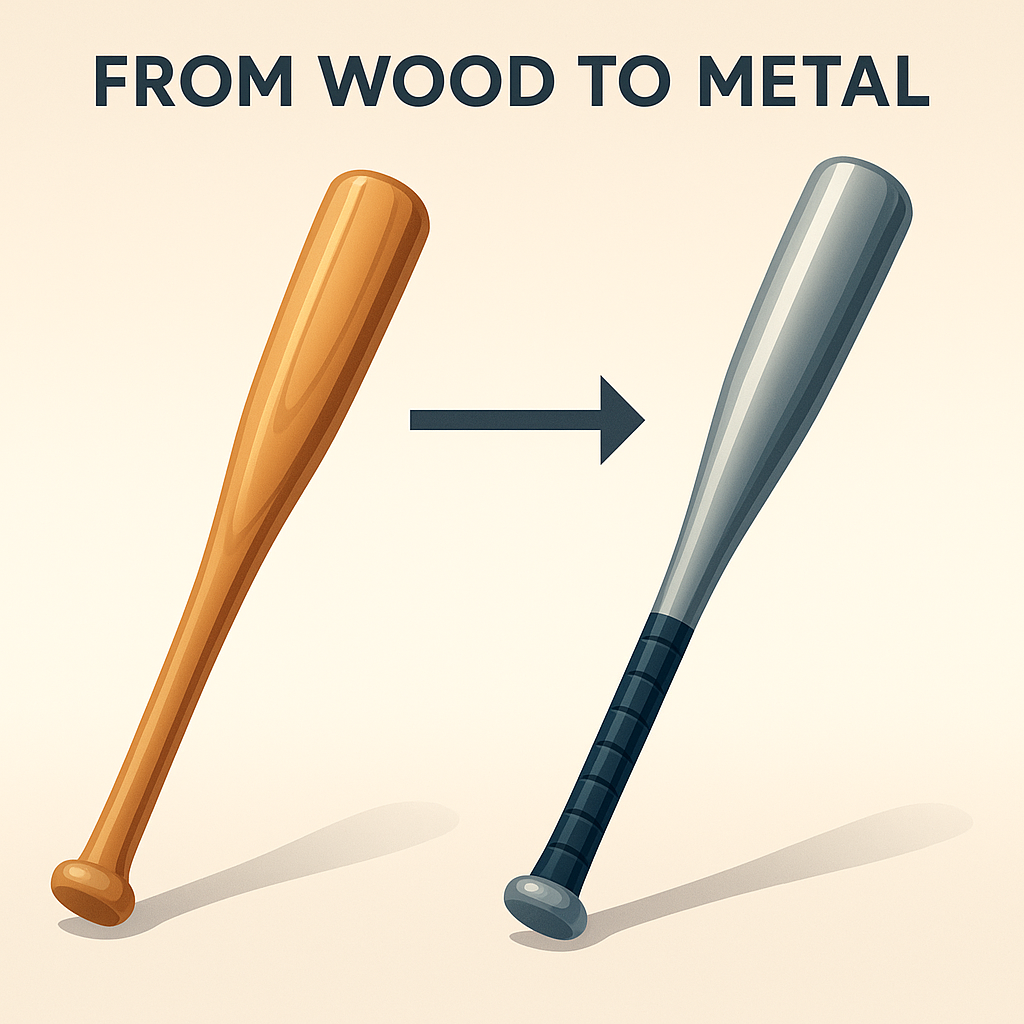
Introduction to the Evolution of Baseball Bats
Baseball, an enduring part of American culture, is a sport deeply rooted in tradition and innovation. Central to the game is the baseball bat, a piece of equipment that has undergone significant changes over time. Understanding its evolution from wood to metal offers insight into the sport’s development, the technology in play, and its impact on performance. This transformation hasn’t merely been a shift in materials but a journey reflecting changes in player preferences, technological advancements, and regulatory adjustments. Exploring this evolution matters because it illuminates how a seemingly simple piece of equipment can influence the pace of the game, player safety, and the excitement of the sport. By examining the history of baseball bats, enthusiasts and newcomers alike can appreciate how both historical craftsmanship and modern innovation are essential to the game.
The discussion around baseball bats encompasses key terms like “wooden bats” and “metal bats,” each associated with different eras of the sport. Wooden bats, primarily made from ash and maple, set the stage for baseball’s early years, capturing romanticism and tradition. In contrast, metal bats, often made from aluminum or composite materials, are synonymous with advancements in the game, offering enhanced performance and durability. The transition from wooden to metal bats, therefore, symbolizes not only a change in materials but also a broader evolution in baseball itself, affecting the dynamics of how the game is played.
The Era of Wooden Baseball Bats
In the beginning, all baseball bats were crafted from wood. Early players used whatever materials were available, and over time, manufacturers gravitated towards using ash due to its balance of strength and flexibility. Ash bats became iconic in the world of baseball, known for their ability to whip through the hitting zone effectively. Famous players like Babe Ruth cemented their legacy with ash bats, contributing to remarkable achievements and folklore in baseball history. However, these wooden bats presented challenges, particularly their susceptibility to breakage.
As baseball grew in popularity, other types of wood, like maple, were introduced to create bats. Maple became favored for its density and hardness, allowing players to drive balls with authority. This preference for maple gained traction when players like Barry Bonds used these bats during their record-setting seasons. However, despite their iconic status, wooden bats required manufacturers to maintain a careful balance between bat weight and durability, a feat that was both an art and a science.
The Introduction of Metal Baseball Bats
The human quest for improvement led to experimentation with new materials, paving the way for the introduction of metal bats in the 1970s. Aluminum, the primary choice, was lighter than wood and allowed players to swing with greater speed and control, revolutionizing batting techniques. These bats quickly gained popularity, particularly in amateur baseball leagues, where they were prized for their durability and the ‘ping’ sound that resonated from a solid hit. Unlike wooden bats, aluminum bats did not break as easily, providing a longer lifespan and reducing costs for teams.
A real-world turning point was when NCAA and Little League baseball regulations began allowing metal bats. This decision transformed the game at the amateur level and cultivated a generation of players accustomed to the advantages offered by these modern bats. Their weight distribution and larger sweet spots made it easier for players to make solid contact, dramatically influencing batting averages and game strategies. However, the introduction of metal bats raised concerns around safety, as the increased speed of batted balls posed risks to players, particularly pitchers.
| Material | Era Introduced | Main Advantages | Common Usage |
|---|---|---|---|
| Ash Wood | 1800s | Flexibility, Tradition | Professional Baseball |
| Maple Wood | 1900s | Density, Hardness | Professional Baseball |
| Aluminum | 1970s | Lightweight, Durability | Amateur Baseball |
| Composite | 1980s | Enhanced Performance | Youth and College Baseball |
The Rise of Composite Bats
As technology advanced, so too did the design of baseball bats. Composite materials, made from a combination of graphite, carbon fiber, and other materials, emerged in the 1980s as the next evolution in bat technology. Composite bats met the demand for even greater performance improvements, offering incredible balance and significant power transfer. These bats provided a distinct advantage with large sweet spots, reduced vibration upon impact, and their capacity to amplify the player’s hitting power. For these reasons, composite bats became a top choice among young and college-level players.
An illustrative example is the NCAA College World Series, where composite bats led to high-scoring games with sensational home runs, captivating fans and broadcasters alike. However, just like with aluminum bats, the rise of composite bats prompted regulatory bodies to implement checks and standards. These standards aimed to balance the soaring offensive outcomes with considerations around gamesmanship, fairness, and safety. The ongoing development of composite bats reflects the intersection of player demand and innovative engineering, pushing the boundaries of what’s possible in the sport.
Regulatory Impact on Bat Evolution
Regulations surrounding baseball bats have played a critical role in shaping their evolution. They ensure a level playing field and protect player safety while allowing room for innovation. As metal and composite bats dominated amateur play, governing bodies like the NCAA and National Federation of State High School Associations (NFHS) set stringent guidelines to mitigate risks associated with rapid advancements in bat technology. These regulations dictate aspects like bat length, weight distribution, and the Bat-Ball Coefficient of Restitution (BBCOR), aiming to standardize performance and reduce injuries.
An example of regulatory impact is the implementation of the BBCOR standards, which were introduced to make metal and composite bats perform more like their wooden counterparts. This change significantly altered the dynamics of the game, especially in high school and collegiate leagues, by reducing the performance gap between different bat types. Regulation not only curtails excesses but also influences how manufacturers approach the design and material selection for new bats.
Summary and Conclusions
The evolution of baseball bats from wood to metal is more than a story of material progression—it encapsulates the intersection of tradition, technology, and regulation within the sport. We explored the transition from ash and maple wooden bats, key pieces of baseball’s nostalgic past, to contemporary metal and composite bats that define modern gameplay. This journey has highlighted how player preferences and technological innovations have driven changes, bringing about higher performance and reshaping the strategies employed during games. These adjustments showcase the sport’s adaptability, ensuring baseball remains exciting and relevant.
The critical message for players, coaches, and fans is that while materials and technology evolve, the spirit of baseball endures. Understanding this evolution not only enriches our appreciation of the game but also informs our engagement with it. Whether choosing the right bat or advocating for equipment standards, stakeholders benefit from recognizing how equipment innovation affects safety, performance, and the integrity of the sport.
As a call to action, I encourage players, coaches, and enthusiasts to stay informed about the ongoing developments within baseball equipment. By doing so, you can make informed decisions that align with both personal and regulatory standards. Engage with community discussions, support fair play, and remember that while bats and technology may evolve, the heart of baseball remains steadfast in its pursuit of excellence and enjoyment.
Frequently Asked Questions
1. Why did baseball bats initially start out being made from wood?
Baseball bats were originally made from wood because, in the sport’s earlier days, wood was abundantly available and easy to work with. Using wood, especially ash due to its lightweight and strong nature, craftsmen could shape bats with simple tools. The properties of wood allowed players to have a sturdy and dependable instrument, which was crucial during that era. Also, the tradition of the game started with wooden bats because other materials were either too expensive, difficult to shape, or simply hadn’t been considered. Moreover, the natural feel and the traditional sentimental value of wooden bats closely linked to the origins of baseball made them the first choice for players for many decades.
2. What are the benefits of using metal over wood for baseball bats?
Metal bats, which became popular in the latter part of the 20th century, offer significant advantages over their wooden counterparts. First and foremost, aluminum bats are much more durable, which means they do not break as easily, translating into cost savings for teams and players. Metal allows for lighter bats with larger sweet spots, which means that players can swing them faster and with more control. This often results in hitting the ball harder and farther than with wooden bats. Additionally, manufacturers can adjust the weight distribution more precisely with metal, making it easier to control bat speed and power. Overall, these improvements enhance player performance, particularly in youth and amateur leagues.
3. How has the switch from wood to metal impacted baseball performance and gameplay?
The transition from wooden to metal bats has had profound effects on baseball performance and the dynamics of the game. One of the key impacts is the increase in offensive output. Metal bats generally allow users to hit farther and harder, which has led to higher-scoring games. This shift has, to some extent, altered the strategies coaches employ, making games more exciting but also raising concerns about pitcher safety due to the increased speed of batted balls. Furthermore, it has spurred debates about player skill sets, as some argue it changes the essence of the game away from traditional skill-based strategies. The shift also entails changes in regulations for what is allowed in competitive play, affecting how the sport evolves both in college settings and professional leagues worldwide.
4. Are there any drawbacks to using metal baseball bats?
Despite their advantages, metal bats do have some drawbacks. One concern is the safety issue, as the increased velocity of the ball off a metal bat can put pitchers and infielders at a greater risk of being hit by the ball. Some leagues have responded by implementing specific regulations to limit these issues, particularly in youth baseball. Another drawback is the potential for a less authentic sound and feel compared to wood; many purists argue that metal bats produce a “ping” that lacks the satisfying “crack” associated with traditional baseball. Additionally, some players face challenges adapting their strategies and swing styles from wood to metal if they transition between playing in leagues with different bat materials. Furthermore, the increased offense associated with metal bats can shift the focus away from fundamental skills like bunting and base running.
5. In what ways are wooden bats still relevant in modern baseball, despite the innovations in metal bat technology?
Wooden bats remain deeply relevant, particularly because they are a staple in Major League Baseball (MLB) and continue to symbolize the sport’s rich tradition and history. They require and thus promote the development of essential batting skills such as precision and power without the technological aids found in metal bats. This is why they are crucial in evaluating a player’s core abilities and why they remain preferred at the highest professional level. Beyond MLB, many players choose wooden bats in amateur leagues for a more authentic baseball experience. Competitions focused on showcasing skills without technological advantages, like certain home run derbies, also prefer wooden bats. Additionally, they continue to play a role in training by helping players focus on swing mechanics and bat control. Their historical significance and sentimental value also make them a cherished piece of sporting memorabilia.